A 2,500-Year-Old Strategy Guide That Still Shapes War
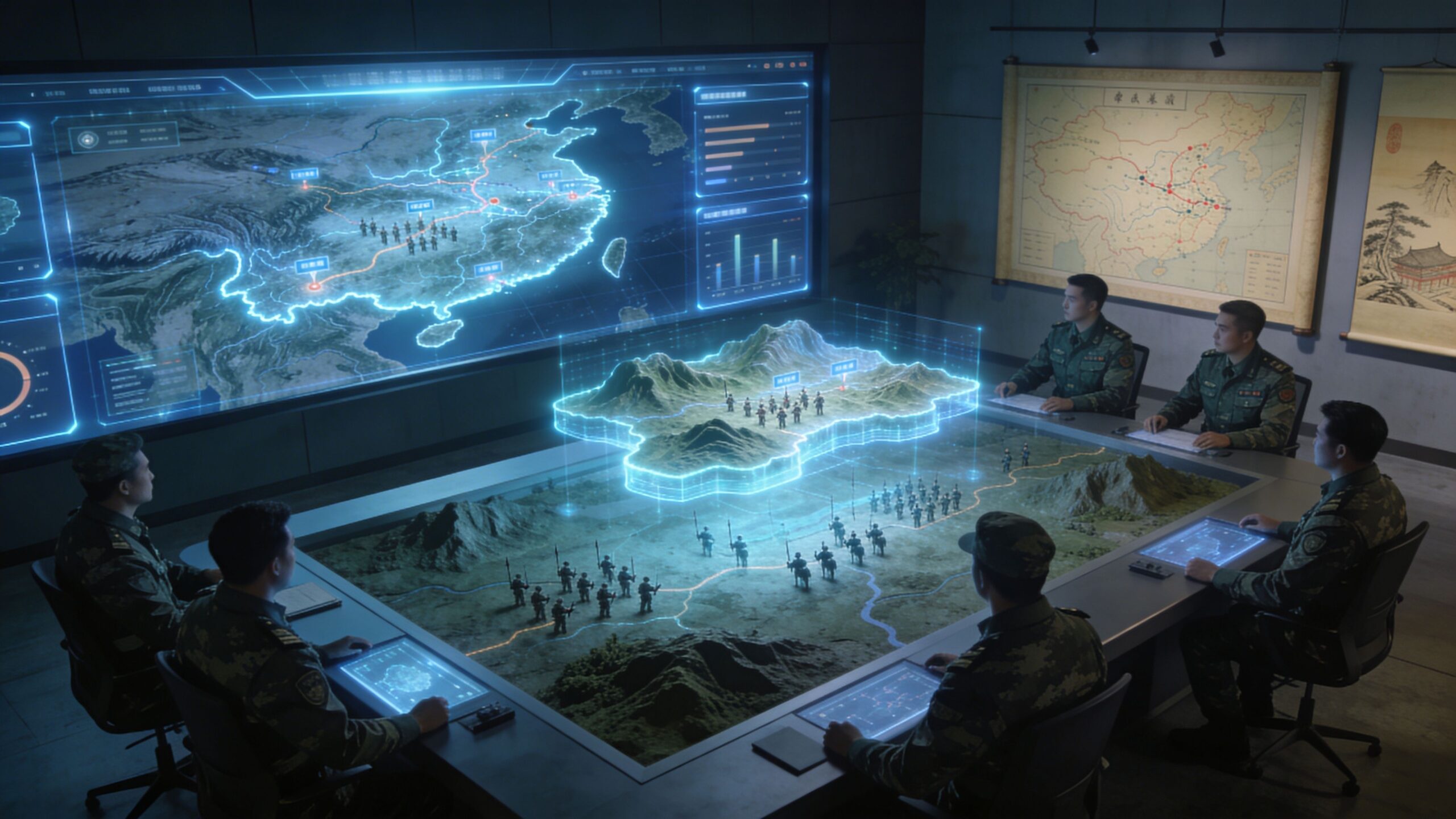
Few works of military philosophy have endured as powerfully as The Art of War. Written more than two millennia ago by the Chinese strategist Sun Tzu, this short but profound text remains one of the most influential treatises on strategy ever produced. Although it originated in the era of ancient Chinese warfare, its principles continue to guide military leaders, policymakers, and analysts across the modern world. What makes Sun Tzu remarkable is not simply his understanding of battle tactics, but his deep insights into human behavior, leadership, deception, and decision-making. His teachings emphasize intelligence, preparation, adaptability, and psychological advantage rather than brute force. These ideas resonate strongly in today’s military environment, where technology has transformed the battlefield but the fundamental dynamics of conflict remain rooted in strategy and human judgment. Modern warfare now includes cyber operations, drone warfare, artificial intelligence, and satellite-based surveillance, yet many strategic thinkers still find that Sun Tzu’s ideas explain how conflicts unfold. His teachings about deception, intelligence gathering, strategic timing, and winning without fighting continue to shape modern doctrine in surprising ways.
A: An ancient Chinese military strategist believed to have lived during the 5th century BCE.
A: Its strategic insights apply across military, political, and competitive environments.
A: Winning without fighting is the highest form of victory.
A: Yes, many principles guide intelligence, deception, and strategic planning today.
A: Many strategic programs still analyze its teachings.
A: No, it also addresses leadership, psychology, and strategic planning.
A: The original work consists of 13 concise chapters.
A: Yes, business, politics, and leadership fields use its principles.
A: His focus on intelligence, deception, and strategy over brute force.
A: Superior strategy can achieve victory before battles even begin.
Sun Tzu’s Core Philosophy of Strategic Advantage
At the heart of The Art of War lies a powerful philosophy: victory comes not from strength alone but from superior strategy. Sun Tzu repeatedly argued that successful commanders win by shaping the conditions of conflict before battles even begin. Preparation, positioning, intelligence, and deception allow a force to control the battlefield long before the first shot is fired.
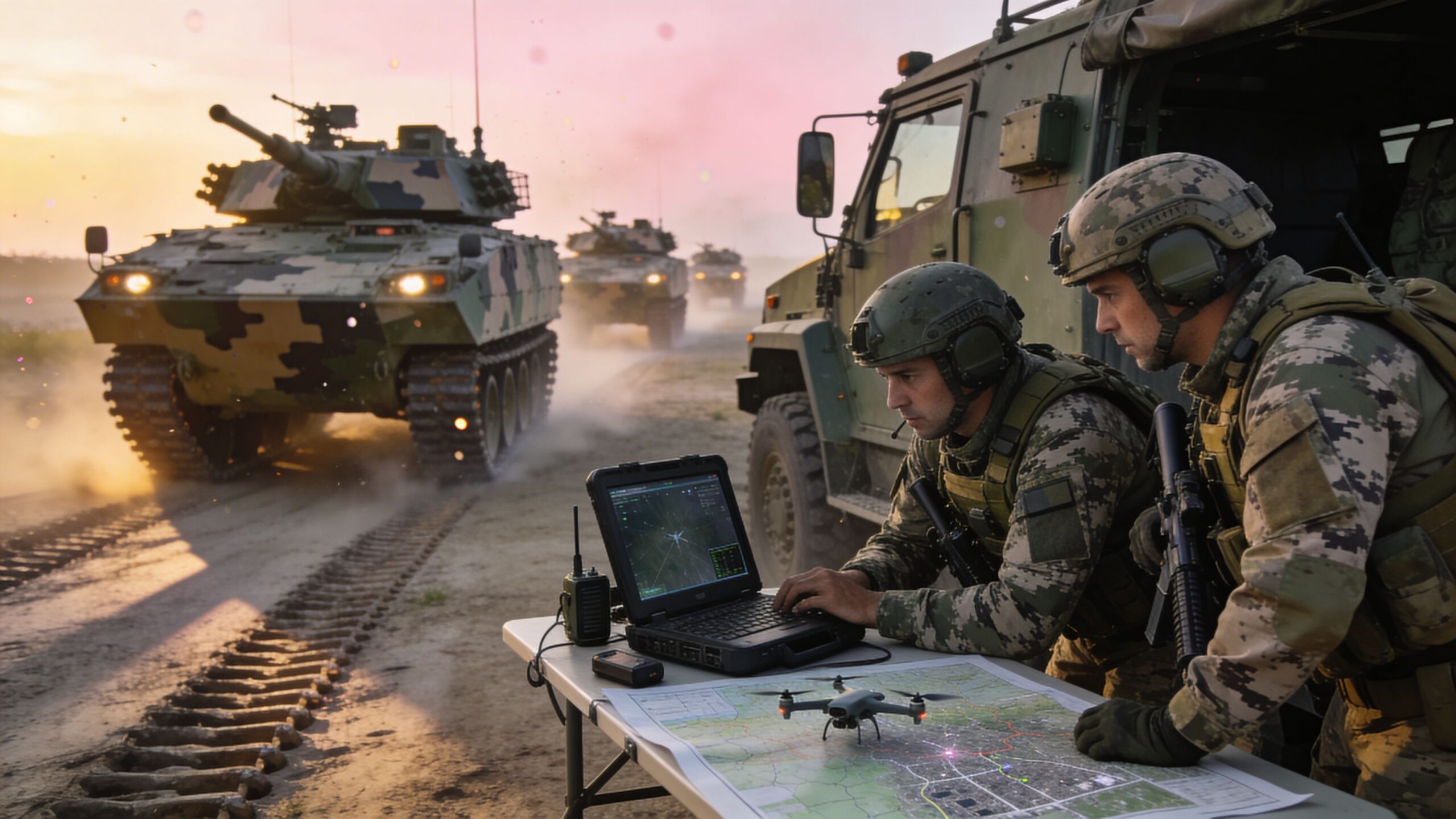
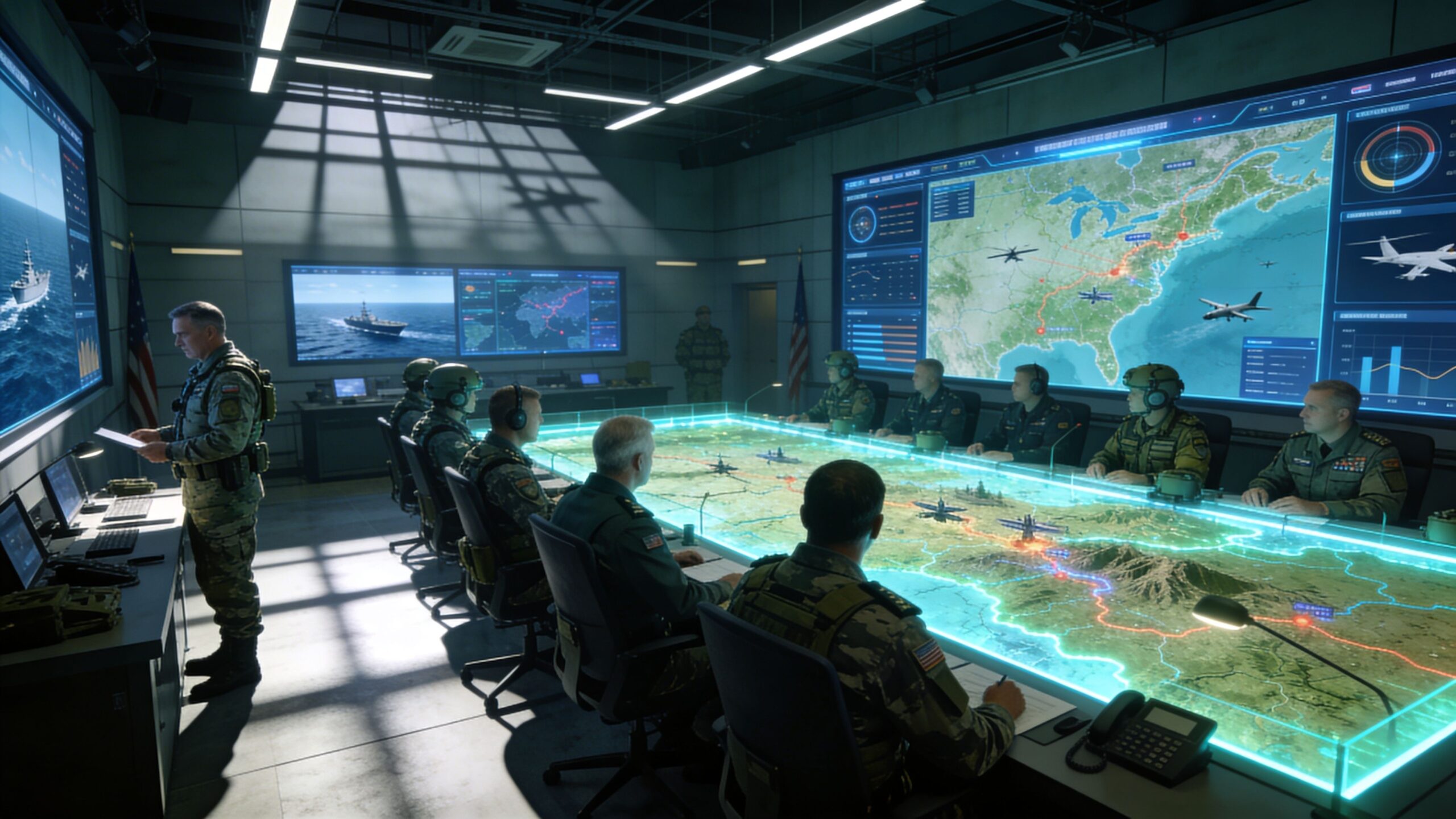
This idea is central to modern military planning. Today’s armed forces invest enormous resources into intelligence gathering, reconnaissance, and surveillance systems precisely because understanding the enemy and the environment determines success. Satellites, drones, and electronic monitoring systems represent technological extensions of the same principle Sun Tzu described thousands of years ago.
Another core concept is adaptability. Sun Tzu warned that rigid plans lead to disaster because warfare is inherently unpredictable. Modern military doctrine embraces the same principle through flexible command structures, decentralized decision-making, and rapid response capabilities. The ability to adapt to changing battlefield conditions remains as important now as it was in ancient times.
Intelligence and Information as the Ultimate Weapons
Sun Tzu famously wrote that knowing both the enemy and oneself ensures victory in many battles. This concept forms the foundation of modern intelligence operations. In today’s world, intelligence agencies, surveillance networks, and cyber monitoring systems provide commanders with vast amounts of information about adversaries.
Modern militaries rely on data analysis, satellite imagery, intercepted communications, and human intelligence sources to understand enemy capabilities and intentions. These systems allow strategic planners to anticipate threats, identify vulnerabilities, and shape operational plans long before combat begins. Information warfare itself has become a major strategic battlefield. Nations now compete not only with weapons but with influence campaigns, propaganda, and psychological operations designed to weaken opponents without direct confrontation. This approach mirrors Sun Tzu’s emphasis on breaking the enemy’s resistance without fighting whenever possible.
The Power of Deception in Modern Conflict
Deception was one of Sun Tzu’s most famous strategic tools. He believed that misleading the enemy could produce decisive advantages on the battlefield. Modern military history demonstrates how effective deception can be when used strategically.
One of the most famous examples occurred during World War II with Operation Fortitude, a massive Allied deception campaign that misled German forces about the location of the D-Day invasion. Through fake armies, false radio transmissions, and elaborate misinformation strategies, the Allies convinced the German command that the invasion would occur elsewhere.
Today, deception remains a critical component of military planning. Electronic warfare systems can disguise real troop movements, cyber operations can create false signals or misinformation, and psychological campaigns can manipulate enemy perceptions. In this sense, Sun Tzu’s ancient insight about deception continues to shape the way modern conflicts are fought.
Winning Without Fighting
Perhaps the most famous idea from The Art of War is the belief that the greatest victory is achieved without battle. Sun Tzu argued that destroying the enemy’s strategy, alliances, or morale is far more effective than engaging in direct combat.
This philosophy appears frequently in modern geopolitical strategy. Nations often seek to achieve their objectives through diplomacy, economic pressure, sanctions, alliances, and deterrence rather than open warfare. Strategic competition between global powers frequently unfolds in economic and technological arenas rather than on traditional battlefields. The Cold War offers a powerful example of Sun Tzu’s philosophy in action. For decades, the United States and the Soviet Union competed for global influence without engaging in direct large-scale conflict. Strategic deterrence, intelligence operations, proxy conflicts, and political maneuvering shaped the outcome of this long struggle.
Maneuver Warfare and Strategic Mobility
Sun Tzu emphasized speed, flexibility, and maneuver as keys to victory. Armies that move quickly and unpredictably can seize opportunities before their opponents have time to react. This principle strongly influenced modern maneuver warfare doctrines.
In the twentieth century, military strategists developed concepts like blitzkrieg and maneuver warfare that relied on speed, surprise, and concentrated force. Rather than slowly grinding down enemy defenses, these strategies focused on breaking through weak points and collapsing the enemy’s command structure.
Modern armed forces continue to prioritize rapid mobility through airborne units, amphibious forces, and advanced transport systems. Rapid deployment capabilities allow militaries to project power quickly and respond to emerging threats around the world. These capabilities reflect Sun Tzu’s belief that controlling the tempo of war often determines victory.
The Role of Leadership and Command
Sun Tzu placed great emphasis on the qualities of effective leadership. According to his teachings, successful commanders must combine wisdom, discipline, courage, and adaptability. Leaders must also maintain strong relationships with their troops and understand the morale and psychology of their forces.
Modern military leadership programs echo these principles. Officer training emphasizes decision-making under pressure, strategic thinking, and the ability to inspire confidence in subordinates. Commanders are expected to balance discipline with flexibility while maintaining clear strategic vision. Leadership remains a decisive factor in modern conflicts. Advanced technology and sophisticated weapons systems cannot replace the judgment and experience of skilled commanders who must make complex decisions in rapidly changing environments.
Cyber Warfare and Digital Battlefields
Although Sun Tzu lived long before the digital age, many of his ideas apply remarkably well to cyber warfare. Cyber operations focus heavily on deception, intelligence gathering, and disrupting enemy systems without direct physical confrontation.
Cyber attacks can disable infrastructure, interfere with communications, and undermine economic systems. These actions often occur quietly, without traditional military engagement. This form of conflict aligns closely with Sun Tzu’s preference for indirect strategies that weaken opponents without open battle.
Cyber warfare also relies on intelligence superiority. Understanding vulnerabilities within digital systems allows attackers to achieve strategic advantages without deploying conventional military forces. In this way, modern cyber conflict represents a technological evolution of the strategic principles Sun Tzu described centuries ago.
Psychological Warfare and Influence Operations
Sun Tzu believed that psychological advantage could determine the outcome of wars. If an enemy loses morale or confidence, defeat often follows even before battle begins.
Modern militaries invest heavily in psychological operations designed to influence enemy populations, military personnel, and leadership. These campaigns may involve information control, propaganda, social media messaging, or cultural messaging designed to shape perceptions. Influence operations also play a role in strategic competition between nations. Governments may attempt to influence public opinion, political stability, or international alliances through carefully crafted information campaigns. These strategies demonstrate that the psychological dimension of warfare remains as important today as it was in ancient times.
Technology Changes, Strategy Endures
While warfare technology has evolved dramatically, the fundamental principles of strategy remain surprisingly consistent. Sun Tzu’s teachings emphasize human decision-making, adaptability, intelligence, and understanding the enemy. These concepts remain relevant even in an era of drones, satellites, and artificial intelligence.
Modern military academies and strategic institutions continue to study The Art of War as part of their curriculum. Its insights into leadership, planning, and strategic thinking provide valuable lessons that transcend specific historical contexts.
Technology may transform the tools of warfare, but strategy still revolves around understanding human behavior, anticipating adversaries, and shaping the conditions of conflict.
Sun Tzu’s Influence Beyond the Battlefield
Although The Art of War originated as a military text, its influence now extends far beyond warfare. Business leaders, political strategists, and competitive organizations frequently apply its principles to leadership, negotiation, and strategic planning.
Corporate strategy often mirrors military thinking in its emphasis on competition, positioning, and market advantage. Sun Tzu’s ideas about preparation, deception, and timing resonate strongly in competitive environments where organizations seek to outmaneuver rivals. Political leaders also draw on strategic thinking when managing alliances, negotiating agreements, or responding to international crises. The ability to anticipate opponents’ moves and shape outcomes through indirect pressure reflects many of the same principles found in Sun Tzu’s work.
Why The Art of War Still Matters Today
The enduring relevance of The Art of War comes from its focus on universal principles rather than specific weapons or tactics. Sun Tzu understood that strategy is fundamentally about understanding people, environments, and decision-making under uncertainty.
In modern warfare, where conflicts often involve complex geopolitical dynamics, economic competition, and information warfare, these insights remain invaluable. Strategic thinkers continue to return to Sun Tzu’s teachings because they provide a framework for understanding how conflicts unfold.
The text also reminds leaders that victory often comes from preparation, intelligence, and careful planning rather than brute force.
The Timeless Legacy of Sun Tzu
More than two thousand years after it was written, The Art of War continues to shape the thinking of military leaders, strategists, and scholars around the world. Its lessons about deception, intelligence, adaptability, and leadership remain essential components of modern strategic planning. While the tools of warfare continue to evolve, the underlying logic of conflict has changed far less than technology might suggest. Human psychology, leadership decisions, and strategic positioning still determine the outcomes of wars.
Sun Tzu’s insights remind us that the greatest victories often occur long before the battlefield is reached. Through preparation, understanding, and strategic foresight, leaders can shape events in ways that minimize conflict and maximize advantage. In the modern age of advanced weapons and global competition, the wisdom of Sun Tzu remains a powerful guide for anyone seeking to understand the deeper mechanics of strategy.