
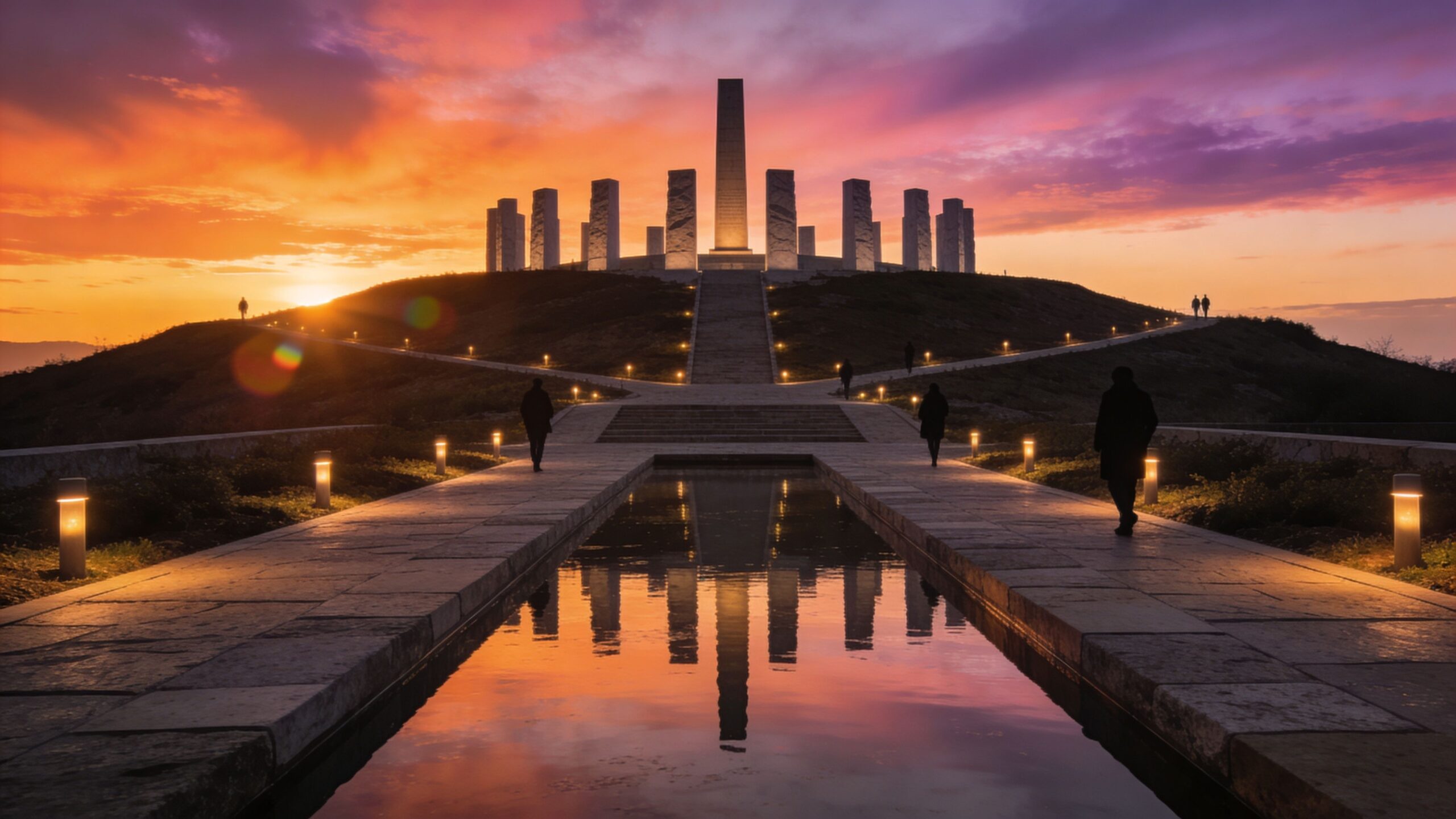
Some places don’t just mark history—they hold it. Commemorative Memorials & Monuments are where service becomes story, where sacrifice becomes space, and where communities gather to remember with intention. This Defense Street sub-category brings together our articles on the design, symbolism, and stewardship of tributes that honor those who served: battlefield memorials, unit monuments, plaques and statues, ceremonial gardens, museum installations, and quiet corners built for reflection. Explore how materials like granite, bronze, steel, and glass shape meaning through time—how light, shadow, and sightlines guide visitors, and how scale can feel either intimate or monumental. Learn the behind-the-scenes decisions that make these sites work: accessibility, preservation, landscaping, security, and respectful visitor flow. We’ll also cover storytelling choices—names and narratives, abstract versus figurative forms, local context, and the ethics of representation—so remembrance stays accurate, inclusive, and enduring. Whether you’re fascinated by iconic national landmarks or the powerful simplicity of a small-town tribute, these guides map how memorials are conceived, built, maintained, and experienced—ensuring memory isn’t just preserved, but felt.
A: Memorials focus on remembrance; monuments often emphasize public commemoration and scale.
A: Clear intent, dignified materials, quiet space, and accurate representation of who is honored.
A: Not always—many work best with minimal context and optional deeper learning paths.
A: Poor drainage and weather exposure—both can degrade surfaces and create hazards.
A: Gentle grades, stable paths, seating, and clear circulation without forcing detours.
A: Dense stone, quality bronze, and well-detailed steel—chosen for local climate conditions.
A: Use lighting, sightlines, durable finishes, and community stewardship instead of visual clutter.
A: Veterans, families, historians, community partners, and long-term site caretakers.
A: Choose one strong motif and support it with clear spatial storytelling.
A: Simplicity, accuracy, durable craft, and space that welcomes reflection across generations.