
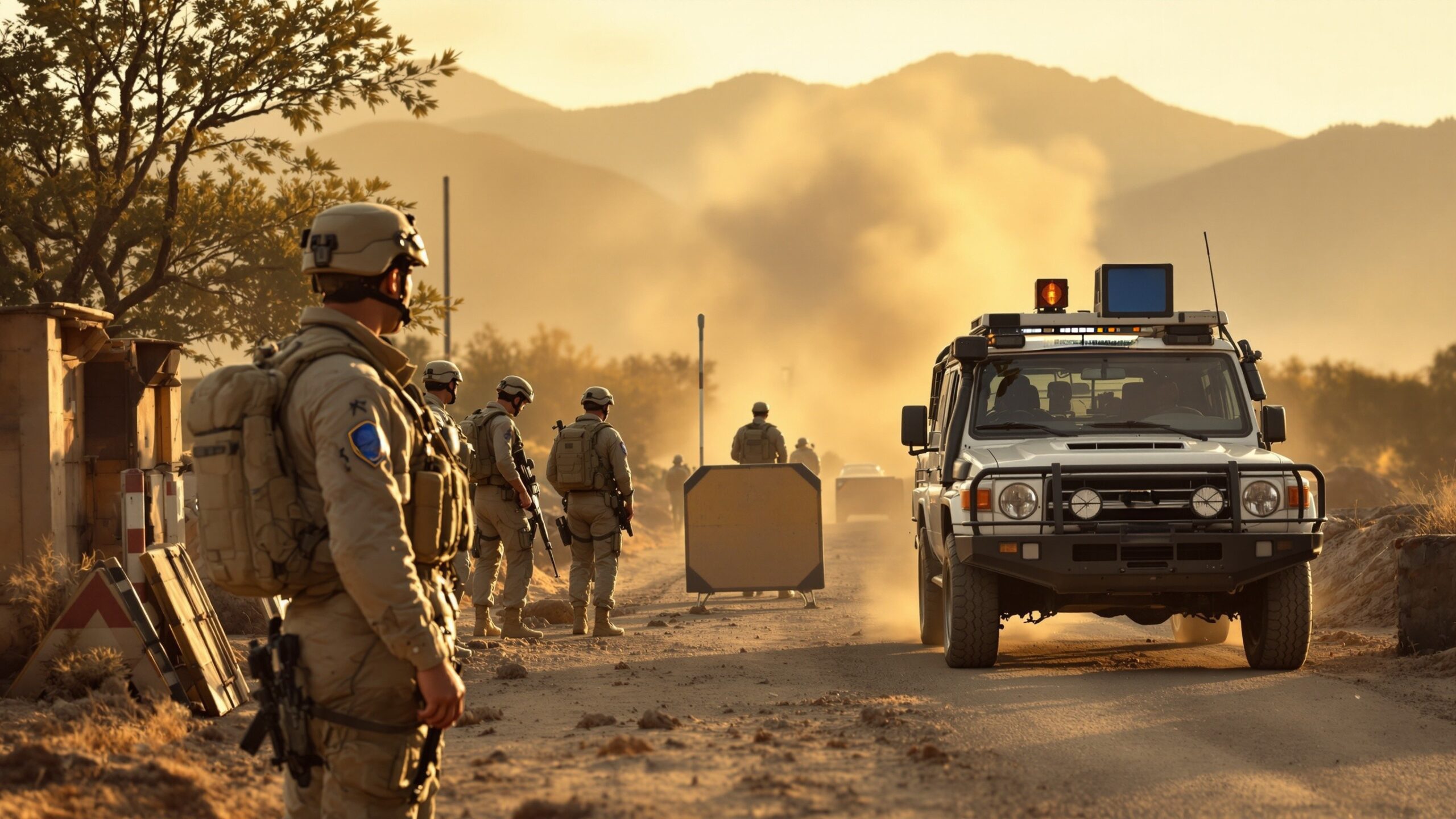
Peacekeeping Missions live in the narrow, high-stakes space between war and peace—where a single checkpoint, patrol, or negotiated corridor can decide whether a ceasefire holds. On Defense Street, this hub gathers articles on how multinational forces deploy under strict mandates, protect civilians, monitor buffer zones, secure humanitarian routes, and rebuild trust one disciplined step at a time. Explore the planning behind convoy security and observation posts, the cultural awareness that keeps tensions from sparking, and the communications discipline that turns fragments of intel into safer decisions. Dive into case studies, terrain challenges, and the human realities of long deployments—fatigue management, ethical dilemmas, and the quiet routines that keep professionalism intact under uncertainty each day. From rules of engagement to mediation with local leaders, from engineering teams restoring roads to medical units stabilizing communities, peacekeeping is equal parts readiness and restraint. Whether you’re curious about mission design, on-the-ground logistics, or the lessons learned when the world is watching, you’ll find clear, respectful coverage built for readers who want more than headlines—they want the blueprint for stability.
A: Peacekeeping helps maintain conditions; peacemaking focuses on negotiating political agreements.
A: Many do, but mandates and contexts vary—consent strongly affects legitimacy and access.
A: They aim for impartiality while enforcing the mandate and protecting civilians.
A: Clear mandate, credible presence, reliable logistics, strong local relationships, and coordinated partners.
A: Through patrols, observation posts, liaison teams, and structured reporting of incidents and violations.
A: Limited resources, unclear mandates, political deadlock, complex local dynamics, and restricted movement.
A: Community trust and cooperation are crucial for early warning, safer access, and reduced misinformation.
A: Planning, coordination, predictable protocols, and relationships that reduce misunderstandings at checkpoints.
A: A monitored area meant to separate forces and reduce the chance of accidental or intentional clashes.
A: Mandate changes, access restrictions, civilian protection measures, and the tone of local political engagement.