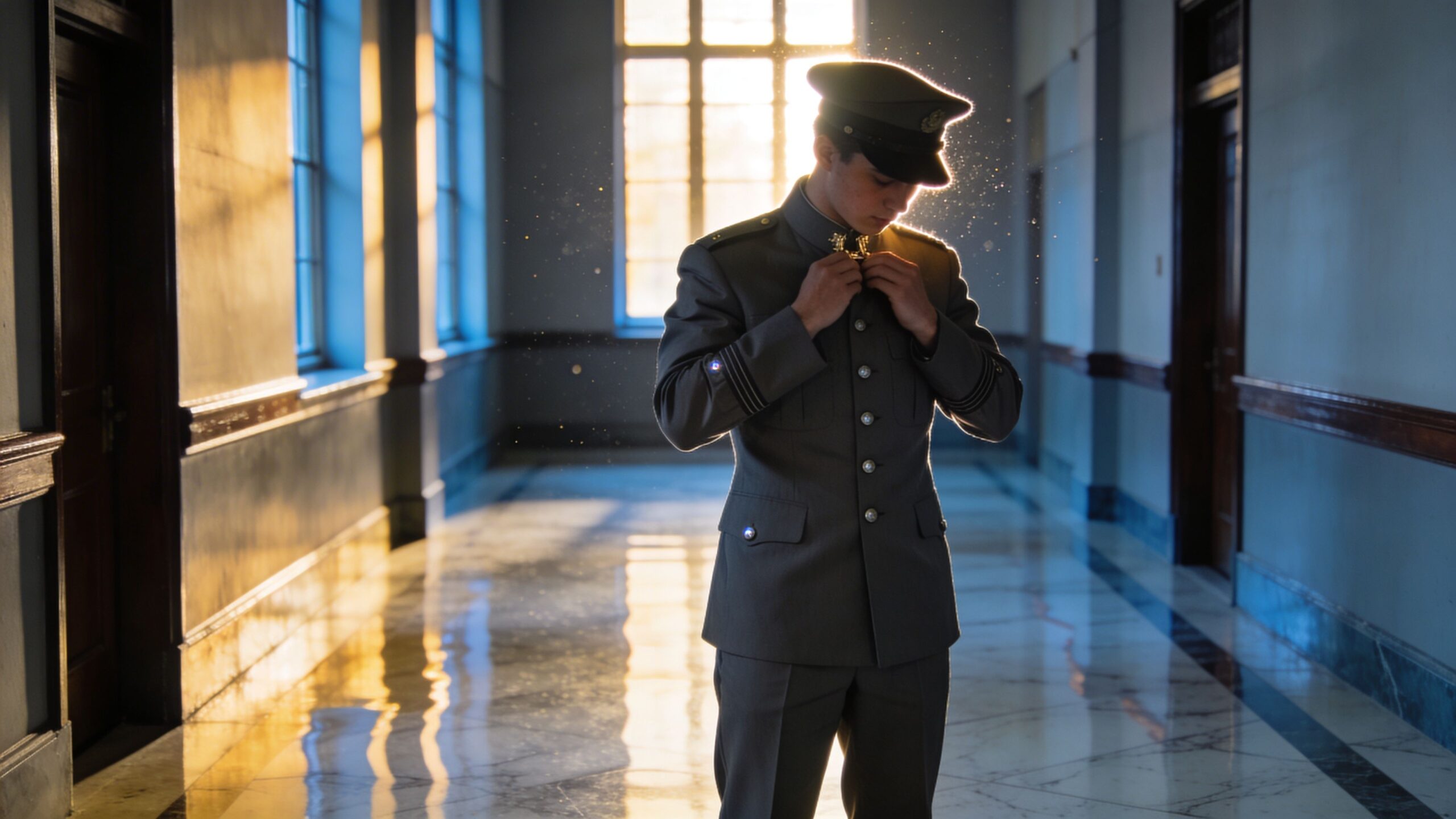
Officer Academies & ROTC are where leadership begins to take shape—built through discipline, academics, and the steady pressure of learning to serve before you’re ever in charge. This hub explores the pathways that turn motivated students into commissioned officers, whether through the structured intensity of a service academy or the campus-based balance of ROTC. Here, you’ll find articles that unpack what daily life really looks like: early mornings, physical training, classroom demands, leadership labs, inspections, and the constant practice of teamwork and accountability. You’ll also explore how selection and commitment work, what aspiring cadets and midshipmen should focus on, and how mentorship, character development, and performance standards fit into the bigger picture. If you’re considering an officer track, supporting a student on that journey, or simply curious about how military leaders are developed, start here. Learn the culture, the expectations, and the skills these programs sharpen—because commissioning isn’t just a milestone, it’s the start of a much larger responsibility.
A: Academies are fully immersive military colleges; ROTC combines college with structured military training.
A: Usually no—programs are designed to train candidates from the ground up.
A: Both matter—academics show discipline and capability; fitness supports performance and readiness.
A: Highly competitive; consistent preparation across grades, leadership, and fitness helps.
A: Roles with responsibility—team captain, club officer, service projects, or work leadership.
A: Often yes, but with added training obligations, labs, and standards to maintain.
A: Not always; many programs have pathways for non-scholarship participants.
A: New officers enter further training and begin leading teams in their assigned career field.
A: Preferences are considered, but assignment can depend on performance and organizational needs.
A: Strengthen grades, build steady fitness, seek leadership roles, and learn the program timelines.