
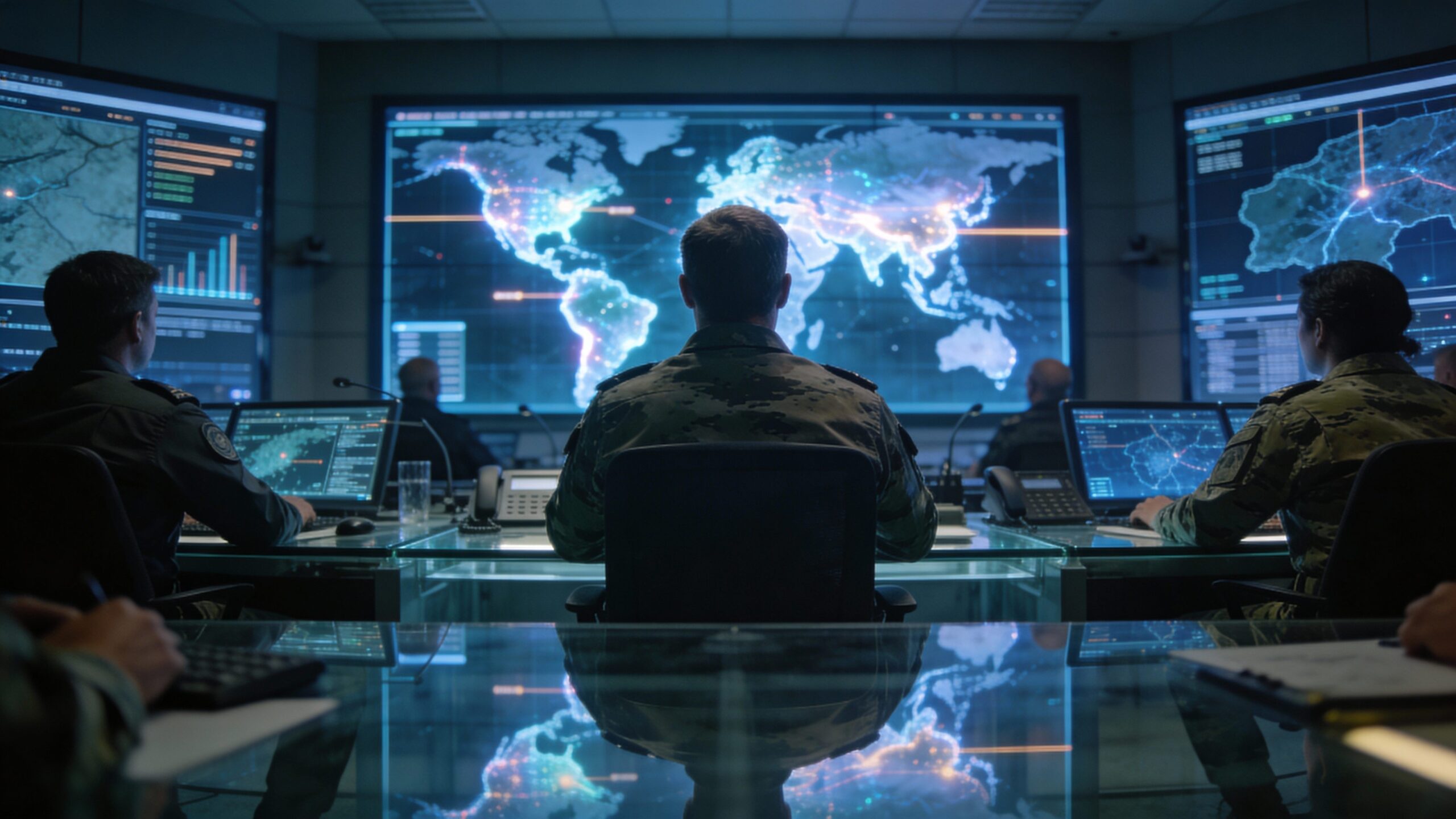
Command and communication networks are the nervous system of modern defense. On Defense Street, Command & Communication Networks explores how information moves from sensor to decision-maker to action—often in seconds, often under pressure, and often while adversaries are trying to disrupt every link. This is the realm of resilient networks, distributed command structures, secure data flows, and real-time situational awareness across land, sea, air, cyber, and space. You’ll dive into how commanders maintain clarity in chaos, how mesh networks and edge computing keep units connected when infrastructure fails, and how encryption, redundancy, and spectrum agility protect the signal itself. These systems are not just about speed, but trust—ensuring the right information reaches the right people at the right moment. From tactical radios and satellite relays to AI-assisted command platforms and hardened data links, this hub examines how communication becomes decision power. Explore the articles below to see how modern forces fight to stay connected, coordinated, and effective when communication itself is a contested battlefield.
A: They enable coordinated decision-making and execution.
A: Jamming, cyber attacks, and infrastructure loss.
A: A network where nodes relay data dynamically.
A: They’re powerful but require redundancy.
A: Through encryption and access control.
A: Yes, by filtering data and highlighting priorities.
A: Systems working seamlessly across forces.
A: With redundancy, agility, and training.
A: Both must be balanced.
A: Reliable information reaching the right people in time.