
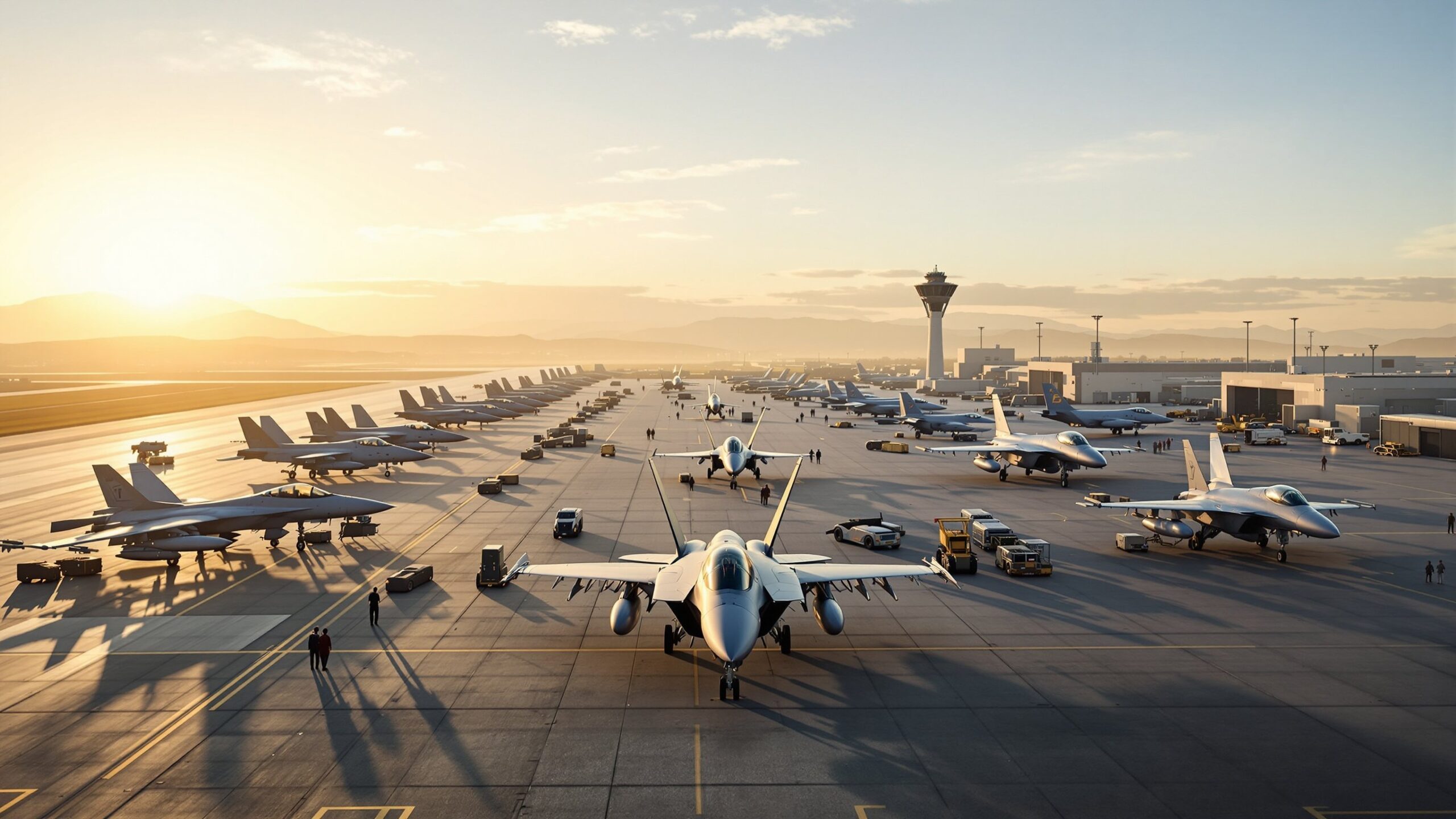
On Defense Street, Air Weapons & Aircraft is where altitude, speed, and precision come together in a constantly shifting sky. This sub-category explores the fighters, bombers, transports, helicopters, and unmanned systems that give air forces their reach—and the guided weapons, sensors, and networks that make them effective. Instead of just celebrating silhouettes and flyovers, we dive into how airframes, engines, avionics, and crews are woven into modern doctrine: air superiority, close air support, strategic lift, and airborne surveillance. You’ll find clear, accessible articles that explain how radar and infrared seekers guide weapons, how refueling tankers quietly extend global range, and how electronic-warfare aircraft help protect entire formations. We spotlight training, safety, and the international rules that shape air operations, from peacetime patrols to coalition missions. Whether you’re a student, analyst, enthusiast, or professional, Air Weapons & Aircraft on Defense Street gives you a structured view of how the aerial dimension actually works—through engineering, tactics, and responsible use, not movie myths.
A: Any aircraft or airborne system designed to deliver, direct, or support controlled military effects from the air.
A: Planners match capabilities to objectives, geography, airspace, and legal constraints.
A: Different roles, ranges, and payloads require specialized designs within a balanced force.
A: Critical—flight hours, simulations, and evaluations ensure crews can operate safely and effectively.
A: They mainly complement crewed aircraft with additional sensing and specialized roles.
A: Airspace control, identification, and strict procedures separate military and civil traffic.
A: Tankers, forward operating locations, and carefully planned logistics chains.
A: Yes—modern aircraft use protections against interference with navigation and communication systems.
A: Many serve for decades with structural checks, refurbishments, and system upgrades.
A: Greater connectivity, autonomy, efficiency, and integration with space and cyber capabilities.