
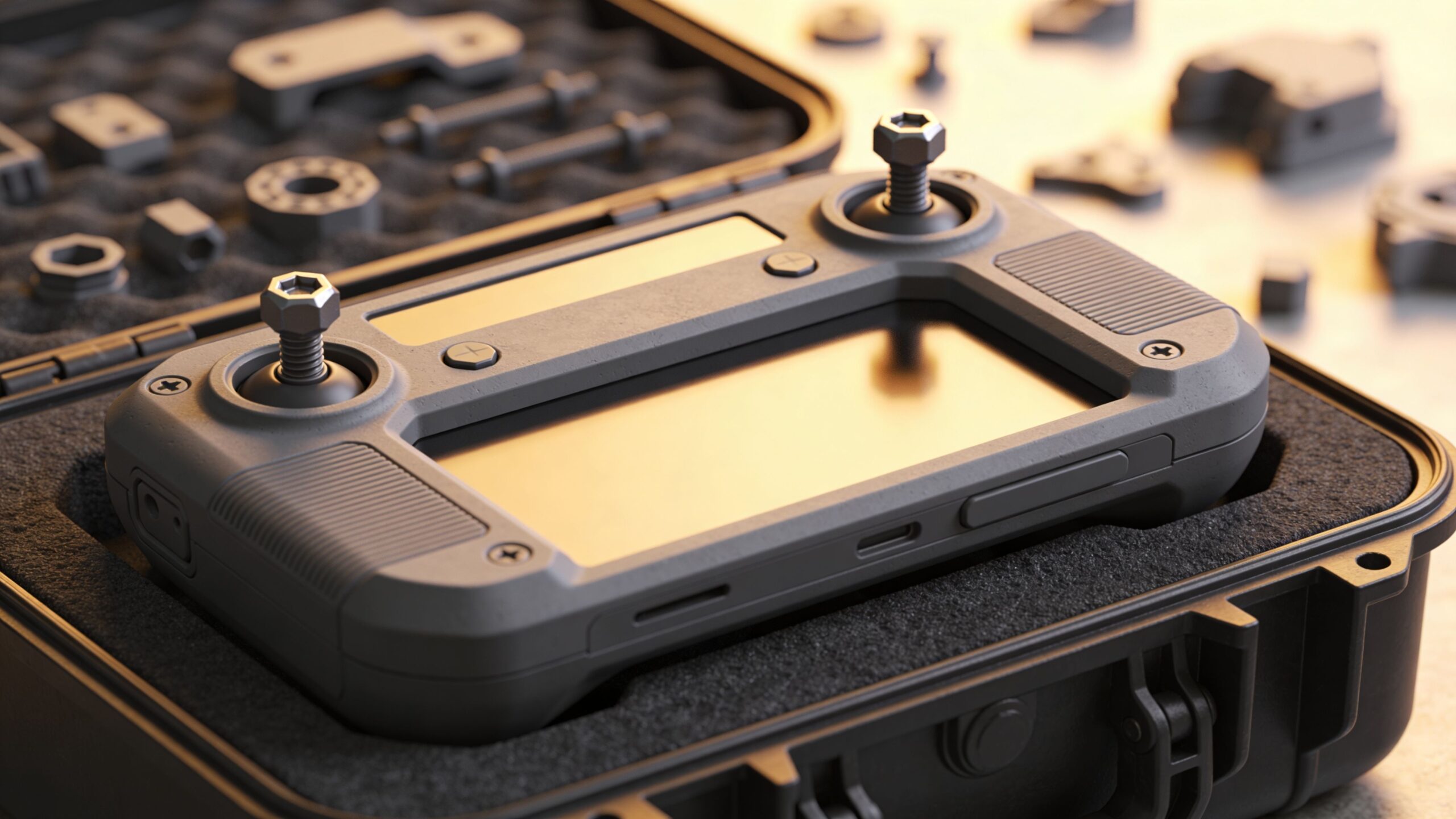
Before a capability becomes a fielded system, it lives as a bold idea—something you can point to, walk around, and pressure-test in the real world. Prototype Displays & Concept Builds are the bridge between imagination and implementation: full-scale mockups, functional demos, cutaway concepts, and rapid-build showcases that let teams explore form, fit, workflow, and mission value long before production. This Defense Street sub-category gathers our articles on how these builds are designed, fabricated, and presented—whether for internal decision reviews, lab evaluations, training previews, or expo-floor storytelling. Learn how makers balance realism with restraint: revealing the right details without over-promising performance, using clean industrial finishes, modular panels, and swappable components to represent multiple variants. Explore material choices, rapid prototyping methods, and finishing techniques that make concepts durable enough for travel and hands-on interaction. We’ll cover presentation craft too—lighting, sightlines, safe standoff zones, and “guided walk-through” narratives that keep audiences oriented and engaged. From tabletop concept rigs to full-size cabins and vehicle interiors, these guides help you build prototypes that communicate clearly, invite smart questions, and accelerate the path from concept to capability.
A: A mockup shows form; a prototype tests function—many builds combine both.
A: Match it to the decision: looks-like for concept, feels-like for ergonomics, works-like for validation.
A: A guided story, obvious interaction points, and honest boundaries of what’s simulated.
A: Use explicit framing and safe demo modes that show intent without claiming readiness.
A: High-touch parts, connectors, and power/network dependencies—carry spares and offline modes.
A: Fast reset steps, durable touch surfaces, and clear staff roles for flow control.
A: Structured checklists plus observation of reach, posture, and time-to-complete tasks.
A: Yes—modular panels and swappable components let one platform tell many stories.
A: Break-down design, foam cases, and standardized hardware for quick assembly.
A: Clear decisions—what to pursue, what to change, and what to stop—based on real interaction.