
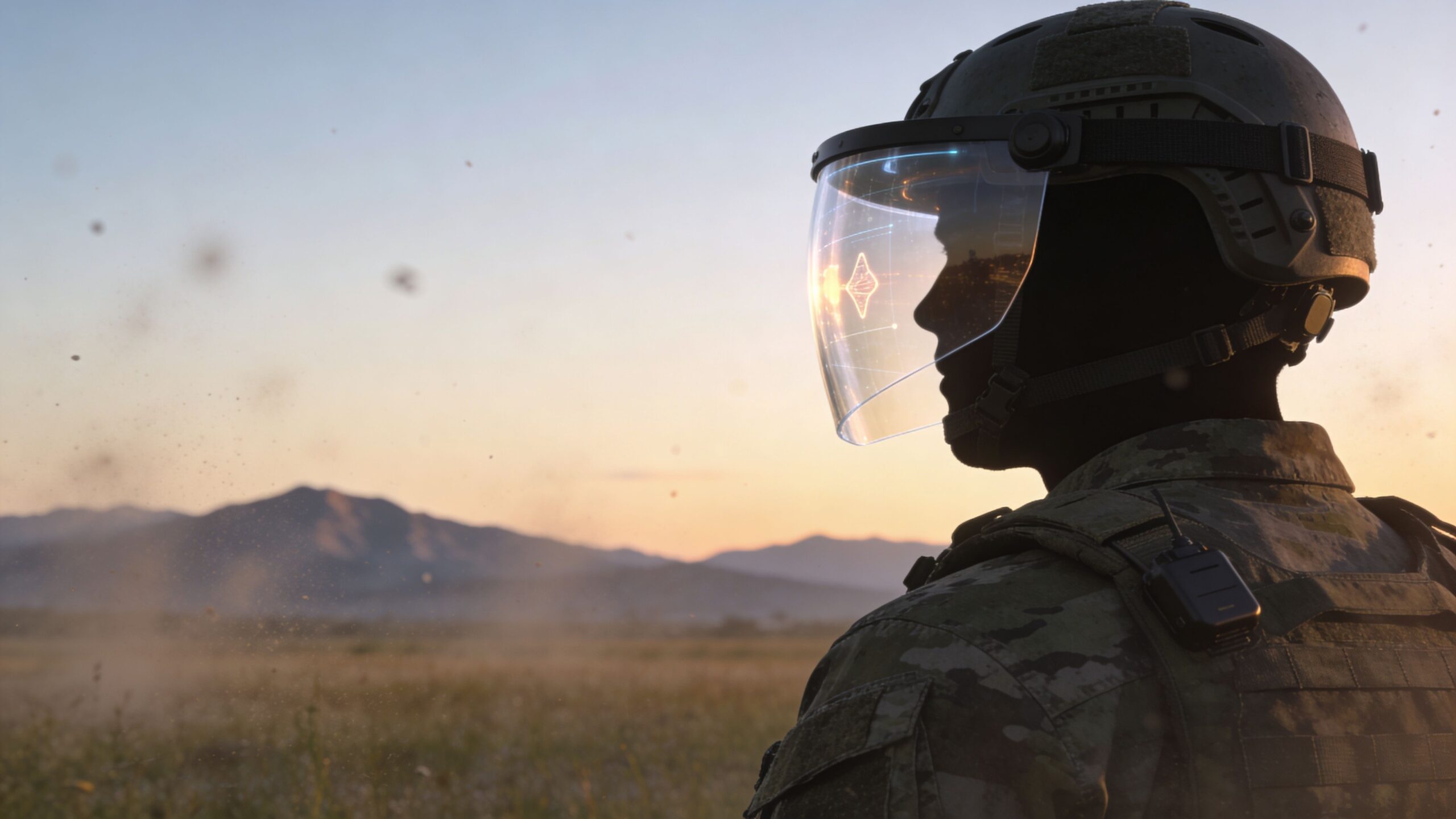
Step into the edge of the battlespace where perception becomes power. Virtual and Augmented Reality Displays are transforming how defense teams train, rehearse, and respond—layering live intelligence onto the real world or immersing operators in lifelike simulations that build instinct. This sub-category gathers our best guides on the screens that sit inches from the eye yet extend awareness for miles: ruggedized headsets, see-through waveguides, helmet-mounted optics, mixed-reality visors, and projection-assisted training bays. Learn how resolution, field of view, brightness, latency, and tracking accuracy change what you can notice, target, and trust. Explore comfort factors like weight balance, heat, eye relief, and motion sickness mitigation, plus integration topics such as radios, sensors, night vision, and secure networking. Whether you’re curious about pilot symbology, infantry navigation overlays, maintenance walkthroughs, or mission rehearsal in synthetic terrain, these articles map the technology from lab prototype to operational kit—so you can understand what’s real, what’s next, and what it takes to deploy it safely. Follow breakthroughs, constraints, and human factors that decide whether immersive tools help teams decisively—or hinder them.
A: VR replaces the scene; AR keeps the scene and adds overlays.
A: Low latency, good balance, proper IPD fit, and effective ventilation.
A: Outdoor light can wash out overlays if the display can’t compete.
A: Tracking errors from poor lighting, few visual features, or rapid motion.
A: It helps clarity, but also needs more processing and power to run well.
A: Optimize latency, avoid artificial acceleration, and build gradual exposure plans.
A: Yes, but synchronization and security controls are essential for trust.
A: Physical collisions—use boundary systems, clear floors, and spotters.
A: Battery life, heat, and maintenance overhead—plan sustainment early.
A: Validate scenarios with operators and update them as tactics evolve.