
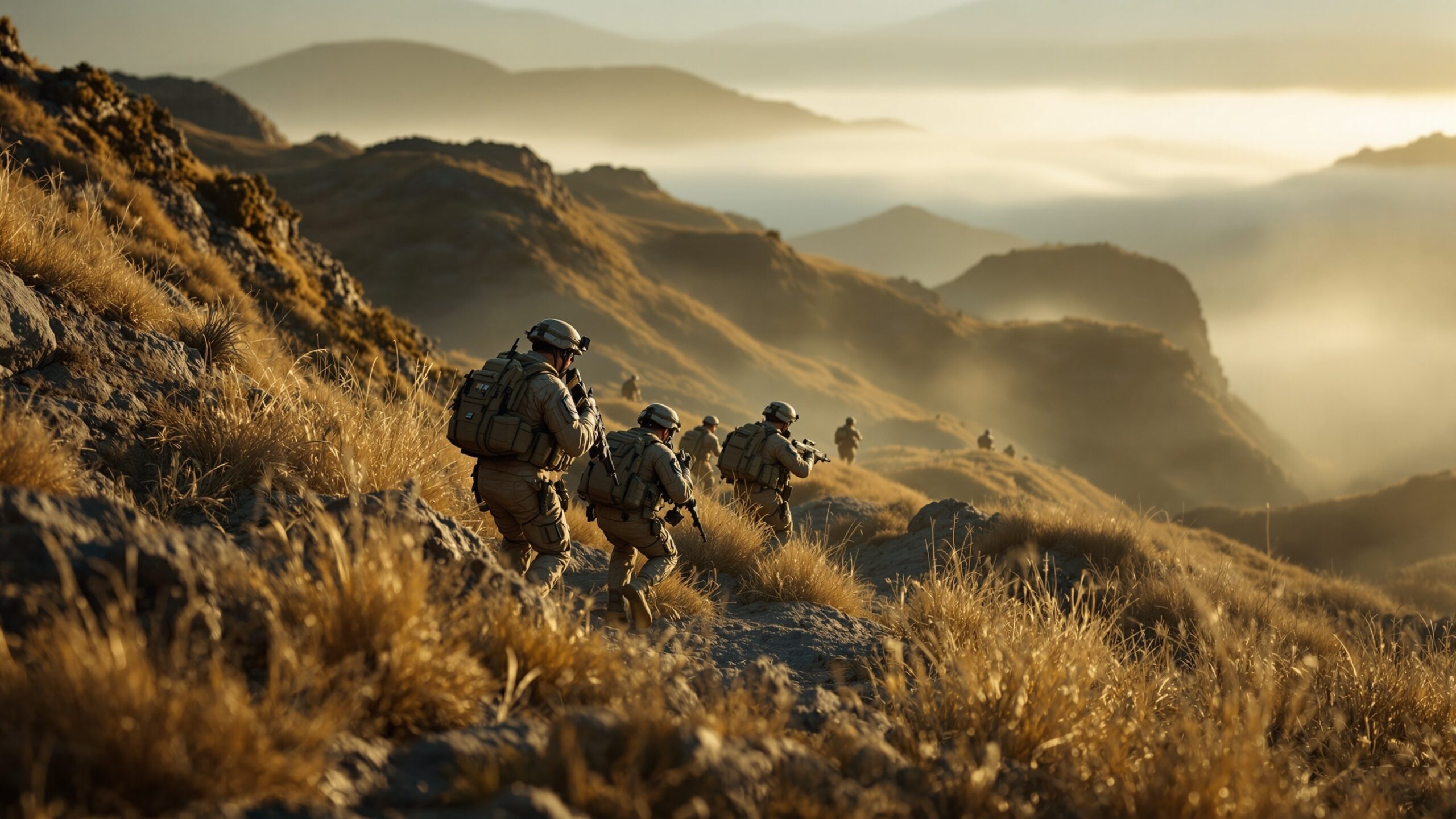
Battlefield Tactics on Defense Street explores how moments unfold when plans meet pressure. This section brings together articles that examine movement, positioning, coordination, and decision-making at the tactical level—where terrain, timing, and human judgment shape outcomes in minutes, not months. You’ll find accessible analysis of classic and modern concepts such as maneuver, cover and concealment, tempo, deception, and combined effects, all framed through history, doctrine, and case studies rather than step-by-step instruction. We look at how small-unit actions connect to larger objectives, why communication and trust matter under stress, and how adaptability turns uncertainty into opportunity. From urban environments to open terrain, from daylight to degraded conditions, these pieces explain how leaders read the ground, synchronize teams, and manage risk responsibly. We also address how technology, information flow, and emerging domains influence tactics without replacing fundamentals. Whether revisiting landmark battles or analyzing contemporary lessons, this hub emphasizes context, ethics, and learning. The goal is insight—clear, thoughtful perspectives that help readers understand how tactical thinking works and why it remains central to defense planning.
A: Tactics focus on immediate actions; strategy defines overall goals and priorities.
A: It constrains movement, visibility, and timing.
A: Broken assumptions, poor coordination, and friction.
A: By simplicity, flexibility, and clear decision points.
A: No—content is analytical, historical, and conceptual.
A: It aligns action and prevents costly misunderstandings.
A: Through feedback, trust, and shared intent.
A: To understand patterns and decision-making under pressure.
A: No—fundamentals still govern outcomes.
A: Clear intent and adaptability matter most.

