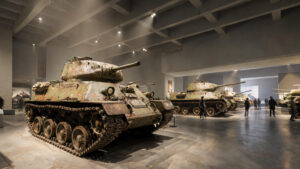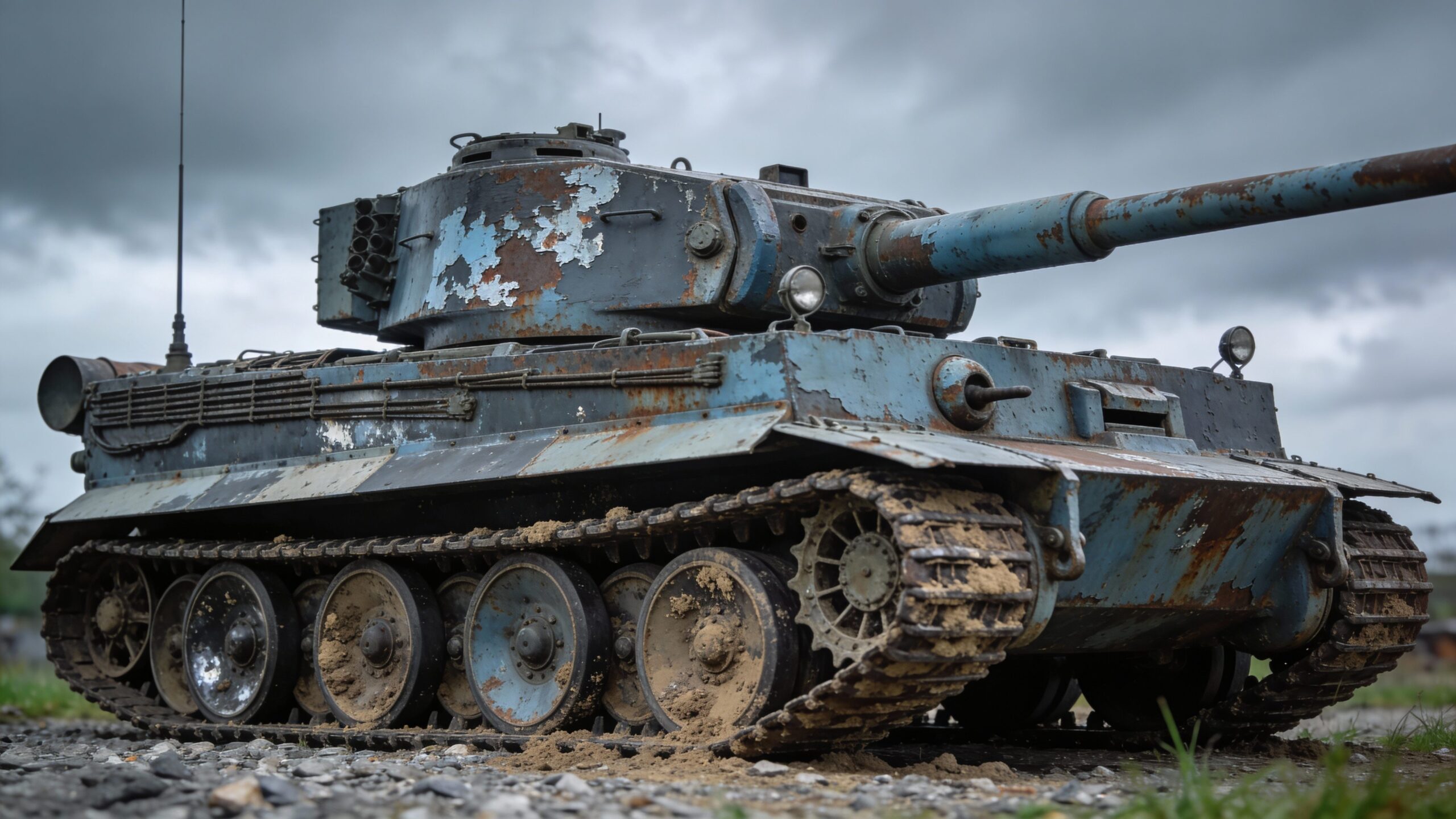
Decommissioned Weapons & Vehicles explores what happens after frontline service ends. On Defense Street, this category focuses on retired military hardware—tanks parked in museums, aircraft grounded after decades of flight, ships turned into memorials, and weapons systems carefully rendered inert. These machines no longer serve operational roles, but they remain rich with insight. Their designs reveal the priorities, threats, and technologies of their time, while their wear tells stories of training, deployment, and evolution. Articles in this section examine why systems are retired, how they’re safely decommissioned, and what becomes of them afterward—preservation, display, study, or dismantling. We’ll explore engineering tradeoffs, historical context, and the transition from active asset to educational artifact. From armored vehicles and naval platforms to artillery and early missile systems, each retired piece marks a chapter in defense innovation. Whether you’re interested in military history, large-scale engineering, or how yesterday’s hardware shaped today’s capabilities, this section offers a grounded, respectful look at powerful machines after their mission is complete.
A: No, they’re rendered permanently inert.
A: For education, preservation, and study.
A: Through controlled demilitarization processes.
A: Not always—authentic wear is often preserved.
A: No, many are dismantled or stored.
A: Sometimes for training or testing only.
A: It explains technological evolution.
A: Yes, when originals are unavailable.
A: Cost, capability, and strategic needs.
A: Context, engineering, and history.