
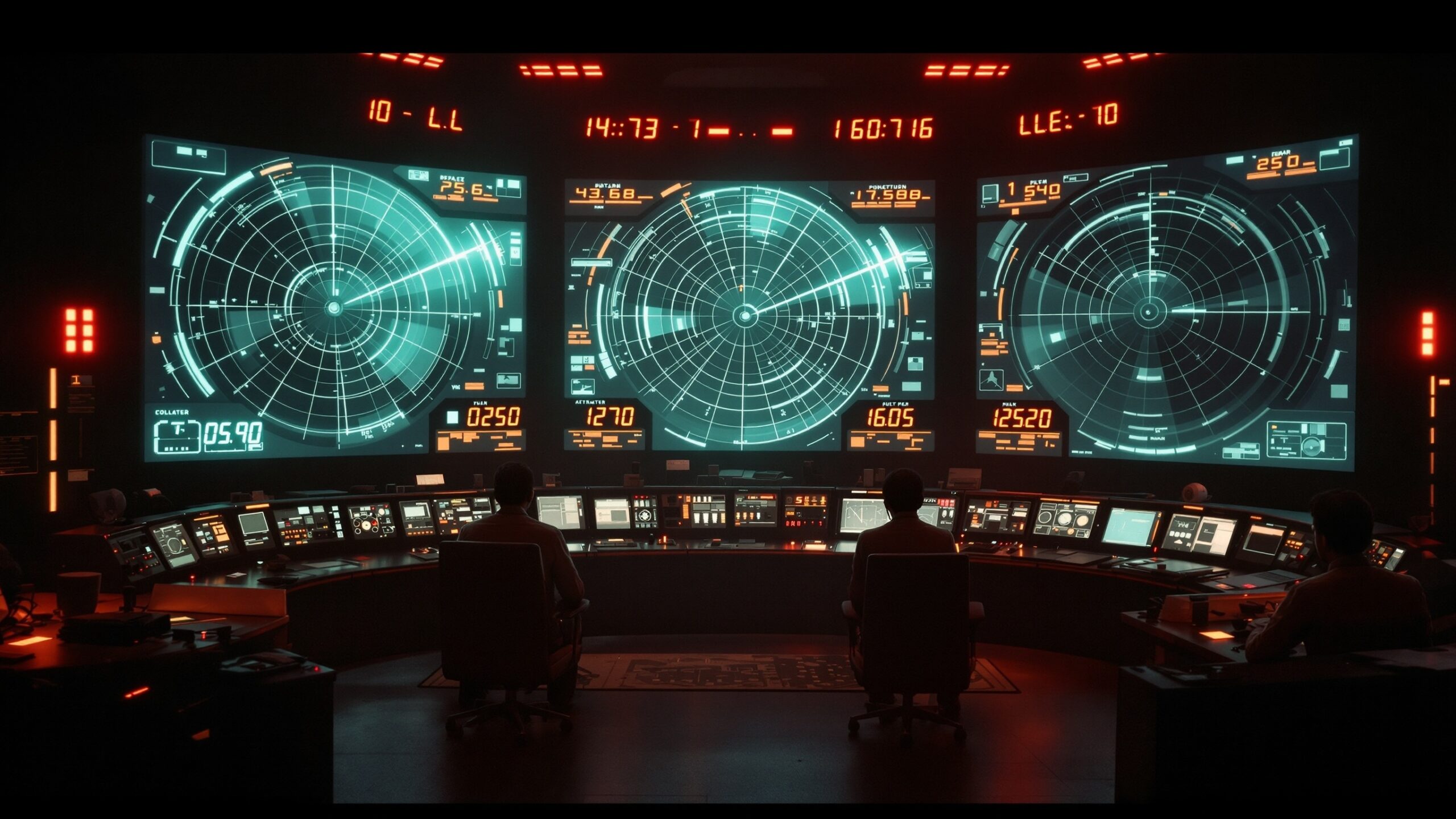
Cold War Tactics is the art of competition without a declared battlefield—where strategy played out through signals, shadows, and global pressure rather than open invasion. From Berlin to the oceans, from satellites overhead to back-channel diplomacy, the Cold War turned patience into a weapon and information into a frontline. On Defense Street, this category explores the era’s defining methods in a responsible, historical way: deterrence and nuclear posture, intelligence and counterintelligence, proxy conflicts, psychological operations, technological rivalry, and crisis management when a single misunderstanding could change history. You’ll discover how doctrine evolved around escalation control, why alliances and basing mattered, how surveillance and early warning reshaped decision cycles, and how diplomacy and arms control tried to put guardrails on worst-case outcomes. We’ll also highlight key moments, iconic programs, and the strategic logic—plus the human factors of fear, perception, and miscalculation—that made the Cold War both stable and terrifying. Use it to understand history, not to replicate real-world harm.
A: No—this category is historical and educational, focused on context and lessons learned.
A: Strategic methods and decision patterns from the era, not step-by-step operational guidance.
A: It aimed to prevent direct war by raising expected costs and uncertainty.
A: It shaped warning, credibility, and policy—while counterintelligence protected secrets.
A: They show how indirect competition can produce lasting regional consequences.
A: Agreements and verification designed to limit risks and reduce worst-case scenarios.
A: Doctrine concepts, historical case studies, technology impacts, and crisis decision-making.
A: Yes, as a historical influence tool—how narratives affected legitimacy and policy.
A: Misperception is dangerous; communication and verification can prevent catastrophe.
A: For understanding history and strategy—never for harm or wrongdoing.