
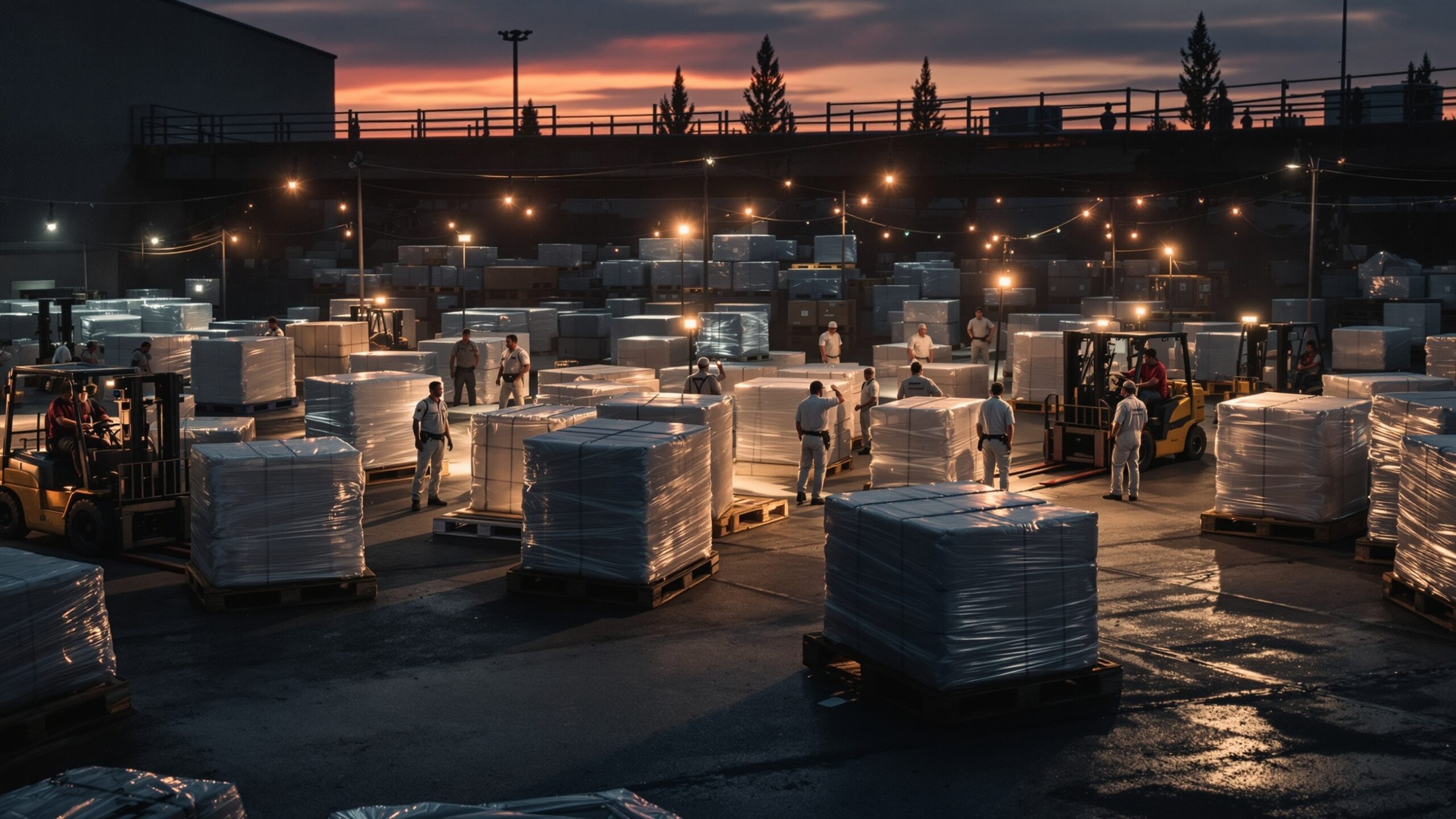
Humanitarian Deployments are where defense capability becomes relief—when logistics, engineering, airlift, and medical readiness pivot from deterrence to saving lives. On Defense Street, this hub brings together articles that explore how militaries and partner agencies respond to disasters and crises: hurricanes and wildfires, earthquakes and floods, mass displacement, food and water shortages, and fragile infrastructure on the brink. You’ll see how rapid assessment teams map needs, how air and sea lift open supply lanes, and how field hospitals and mobile clinics expand care when local systems are overwhelmed. We’ll cover coordination with NGOs and local leaders, the ethics of operating among civilians, and the practical challenges of moving aid through damaged roads, disrupted communications, and uncertain security conditions. Expect deep dives into planning templates, real-world case studies, and the technologies that make speed possible—portable power, water purification, satellite connectivity, and resilient shelters. Whether you’re curious about disaster response doctrine or the human stories behind relief missions, this category offers clear, respectful coverage of the work that happens when time is the enemy and hope rides on the next shipment.
A: A rapid-response mission using military logistics, engineering, and medical capacity to support civilian relief.
A: Often local authorities with support from national agencies, NGOs, and military units depending on context.
A: Assessment, access opening, communications setup, and life-saving supply flow.
A: Through coordination cells, shared maps, and clear task division.
A: Damaged infrastructure, fuel and power shortages, weather, and limited distribution capacity.
A: Site design, clear procedures, community engagement, and fair, transparent processes.
A: They focus on enabling aid delivery; security awareness may be needed, but restraint is key.
A: Lives protected, essentials restored, access reopened, and effective handoff to local recovery systems.
A: From days to months, depending on damage scale and how quickly local capacity returns.
A: Begin with disaster response overviews, then dive into logistics, medical surge, and engineering case studies.