
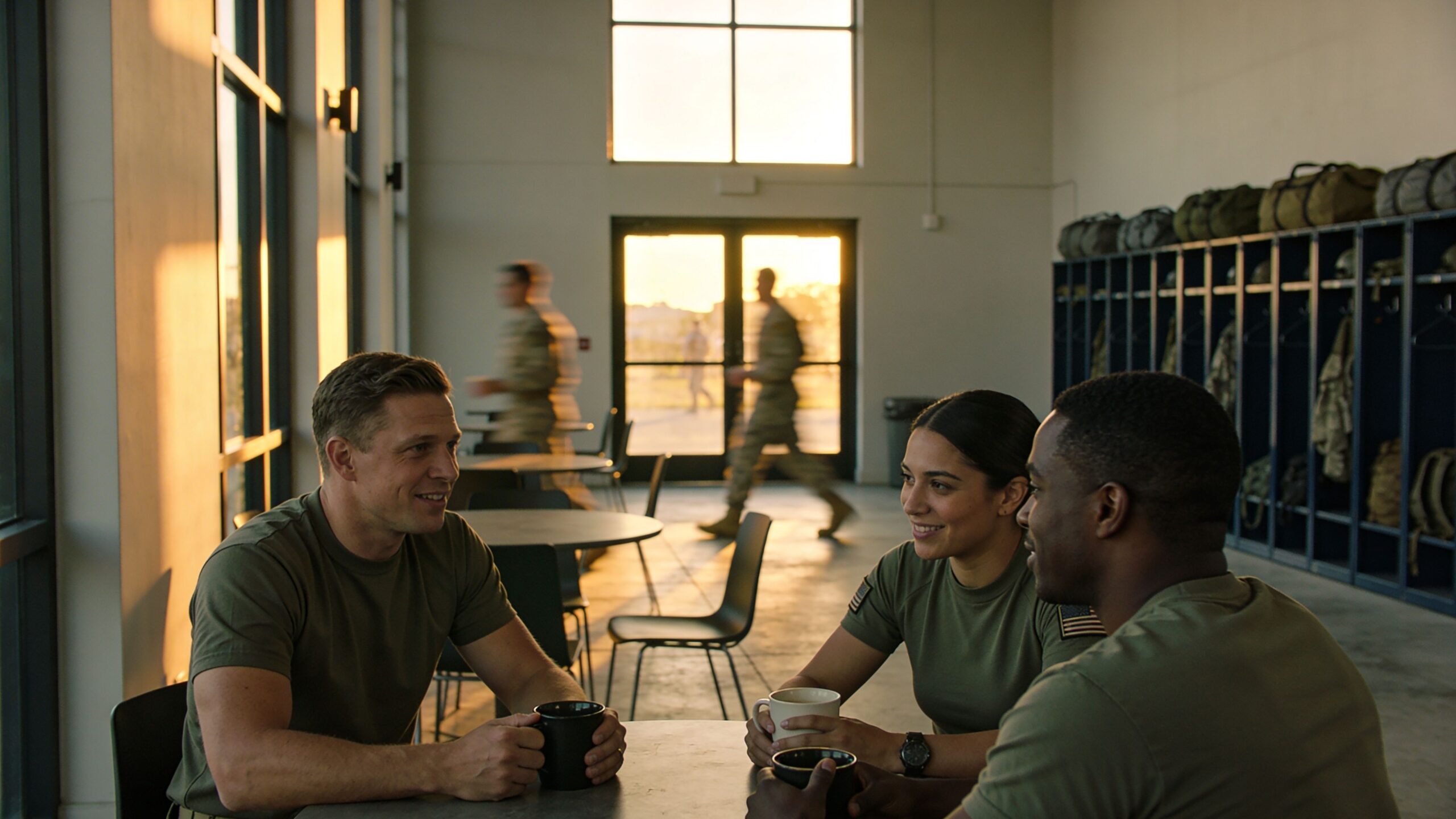
Welcome to Life in the Armed Forces—where ordinary days are built from early alarms, tight timelines, and the quiet pride of doing a job that matters. This hub gathers stories, guides, and first-hand perspectives on the rhythms behind the uniform: training cycles, duty rosters, field exercises, deployments, and the moments in between that shape a service member’s world. Explore how teams form under pressure, how routines become resilience, and how leadership shows up in small choices long before it’s tested in big ones. From barracks life and base culture to family communication, career paths, and transitions back to civilian work, these articles focus on the human side of service—discipline, camaraderie, purpose, and sacrifice. Whether you’re considering enlistment, supporting someone who serves, or simply curious about what the lifestyle really feels like, start here. Learn the language, the expectations, and the mindset—and meet the people who live it. You’ll also find practical, non-technical insights on fitness, mental readiness, time management, and staying grounded—because readiness isn’t only gear and drills, it’s habits, relationships, and recovery for everyone.
A: It varies by job, but usually blends training, assigned duties, admin tasks, and physical readiness.
A: It’s physical and mental—learning discipline, teamwork, procedures, and adapting to structure.
A: Routines help: fitness, sleep habits, peer support, and using available wellness resources.
A: Reliability—show up prepared, communicate clearly, and improve fast from feedback.
A: Time gets tighter, routines simplify, and communication becomes more intentional.
A: That it’s constant intensity—much of it is preparation, teamwork, and steady responsibility.
A: Performance, time, training, and leadership potential—plus role-specific requirements.
A: Schedule changes; clear communication, planning, and support networks make a major difference.
A: Yes—leadership, logistics, technical skills, and discipline translate well when clearly framed.
A: Start early: map skills, build a résumé story, seek mentors, and use transition programs.