
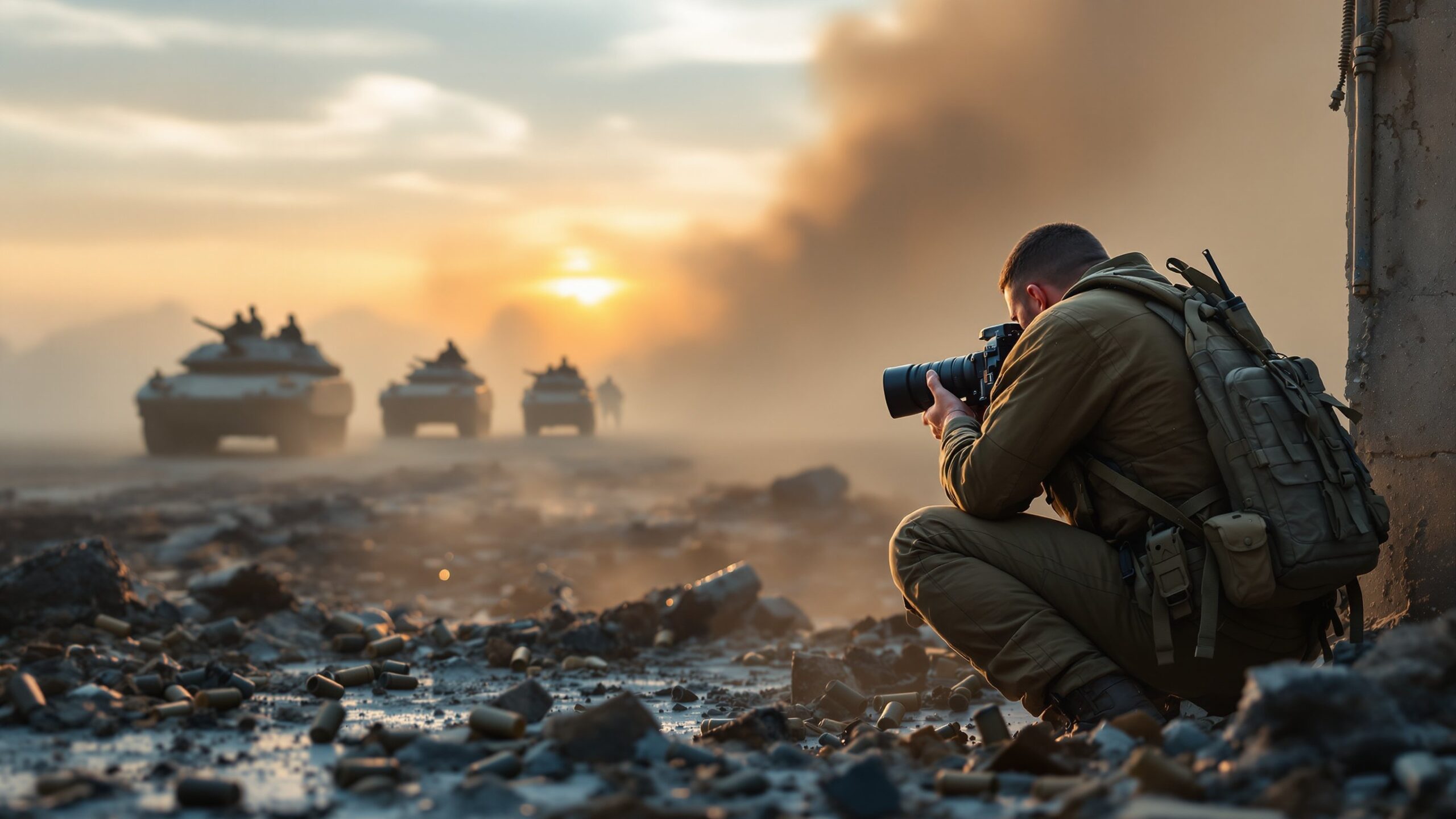
Battlefield photography captures more than moments—it preserves the raw pulse of conflict, courage, and the unseen human stories unfolding on the edge of chaos. On Defense Street’s Battlefield Photography hub, readers step behind the lens to explore how photographers document the grit and volatility of modern warfare with both artistry and precision. These images are created under extreme pressure, where lighting changes by the second, danger is ever-present, and every frame must balance truth, emotion, and tactical awareness. From frontline embedded shooters to aerial reconnaissance specialists, battlefield photographers transform fleeting instances into permanent records that shape history, strategy, and public understanding. This sub-category dives into technique, gear, ethics, storytelling, and the evolving role of combat imagery in a digital age. Whether you’re studying composition or analyzing how visuals influence military perception, you’ll find a powerful blend of creativity, discipline, and real-world stakes. Welcome to the intersection of warfare and visual mastery.
A: To document operations accurately and powerfully without compromising safety or security.
A: Usually a combination of public affairs, legal, intelligence, and command staff.
A: Policy varies by force and assignment; some are armed, others rely fully on unit protection.
A: By avoiding sensitive details like tactics, locations, equipment capabilities, and future plans.
A: Many receive basic soldier skills plus additional fieldcraft and survival training.
A: Most commands emphasize authenticity; if posed, images must not misrepresent events.
A: With strict respect, consent rules, and guidelines to protect families and dignity.
A: Files are preserved for history, analysis, training, and public record.
A: Often yes, under licensing or release agreements and with proper credit.
A: For briefings, morale, strategic communication, and lessons learned across the force.