
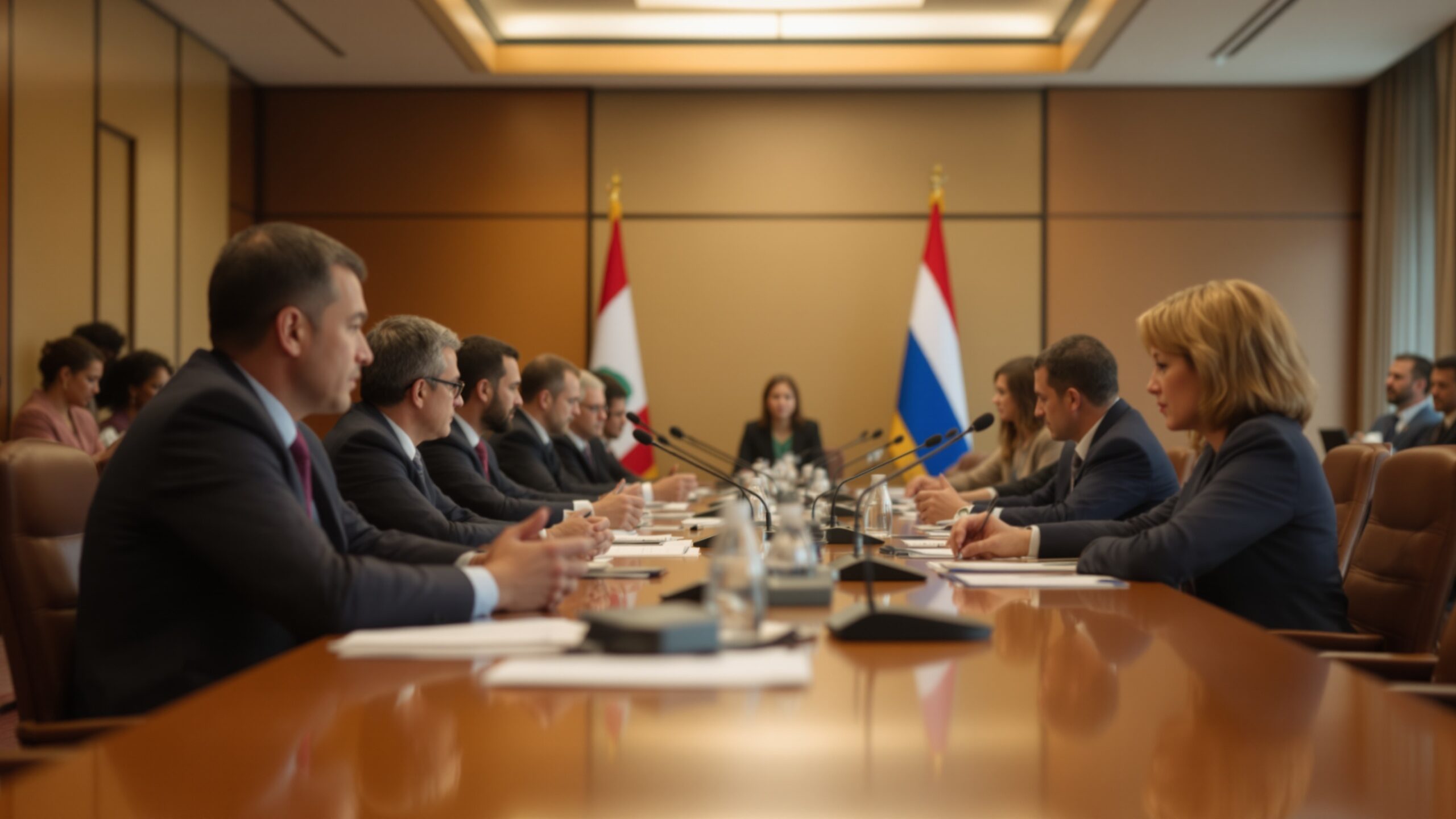
Peacekeeping & Diplomacy is defense at its most human—where restraint, credibility, and communication can prevent conflicts from reigniting and help fractured societies rebuild trust. It’s the world of blue-helmet patrols, ceasefire lines, monitors and mediators, humanitarian corridors, and negotiations that happen in conference rooms as often as they do in the field. On Defense Street, this category explores how peace efforts actually work: mandates and rules of engagement, coordination with local communities, protecting civilians, supporting elections and governance, and building security institutions that can outlast the mission. You’ll also dig into the mechanics of diplomacy—back-channel talks, confidence-building measures, sanctions and incentives, and the delicate art of saving face while finding common ground. We’ll cover real-world case studies, hard lessons, and the constant balancing act between impartiality and effectiveness in environments filled with misinformation and trauma. Whether you’re learning the basics or looking for deeper context on modern crises, Peacekeeping & Diplomacy offers a clear, responsible guide to how stability is negotiated, verified, and maintained.
A: No—this section focuses on peace operations, negotiation, and stability concepts.
A: The authorized scope of a mission—what it can do, where, and for what purpose.
A: Not favoring parties politically while still supporting the mandate and civilian protection.
A: By creating communication channels, incentives, and agreements that reduce risks.
A: A step that increases trust—like monitoring, hotlines, or verified withdrawals.
A: It limits misinformation and helps parties resolve disputes without escalation.
A: Mandates, mediation, civilian protection, case studies, and mission challenges.
A: Outcomes vary; context, consent, resources, and local politics strongly influence results.
A: Reduced violence, safer civilians, credible institutions, and a sustainable local transition.
A: For understanding and analysis—never for harm or wrongdoing.