
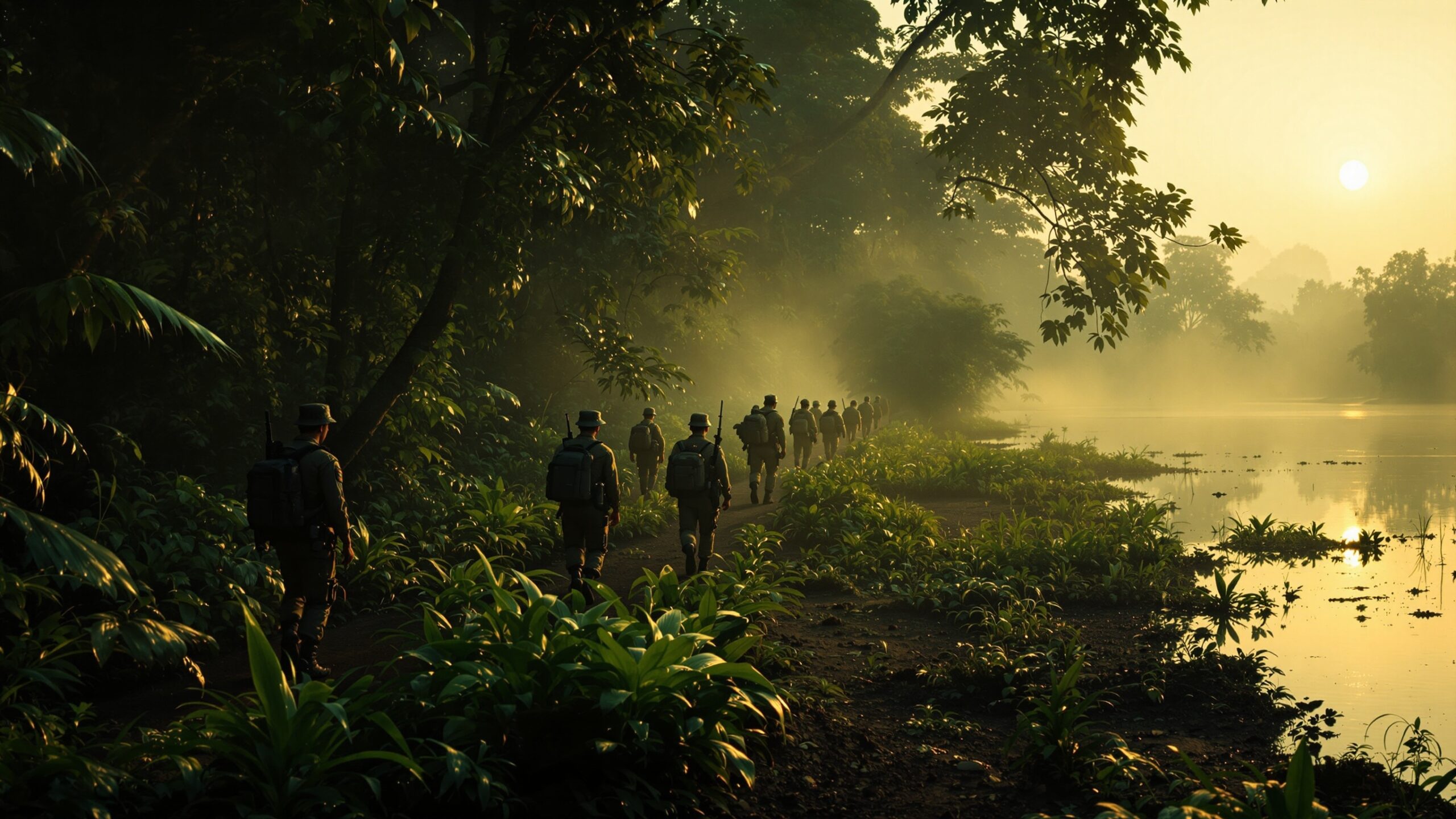
Korean & Vietnam Conflicts explore two defining struggles of the Cold War era—wars shaped as much by ideology, geography, and politics as by firepower. The Korean War erupted into a high-speed clash of maneuver and massive formations, then hardened into brutal ridge-line fighting, artillery duels, and a tense stalemate that still echoes today. Vietnam unfolded differently: a long, grinding conflict where guerrilla warfare, counterinsurgency, airpower, and public opinion collided, forcing militaries to adapt tactics, technology, and command approaches in real time. On Defense Street, this category dives into the realities of limited wars with global consequences. You’ll examine key campaigns, shifting strategies, and how terrain—from frozen mountains to dense jungle—shaped every decision. We’ll explore how logistics and mobility evolved, how helicopters and close air support changed the fight, and how intelligence, rules of engagement, and hearts-and-minds operations became central to outcomes. These conflicts also left lasting fingerprints on modern doctrine: joint operations, insurgency response, force protection, and the complex relationship between battlefield success and political objectives. If you want to understand modern defense thinking, start here—where the playbook was rewritten under pressure.
A: Objectives and escalation were constrained to avoid broader global conflict.
A: Early maneuver gave way to fortified lines, terrain control, and attrition.
A: Insurgency, politics, and environment made success more than battlefield wins.
A: They enabled rapid mobility, medevac, and flexible air-mobile operations.
A: Strategy must align military action with political goals and public support.

