
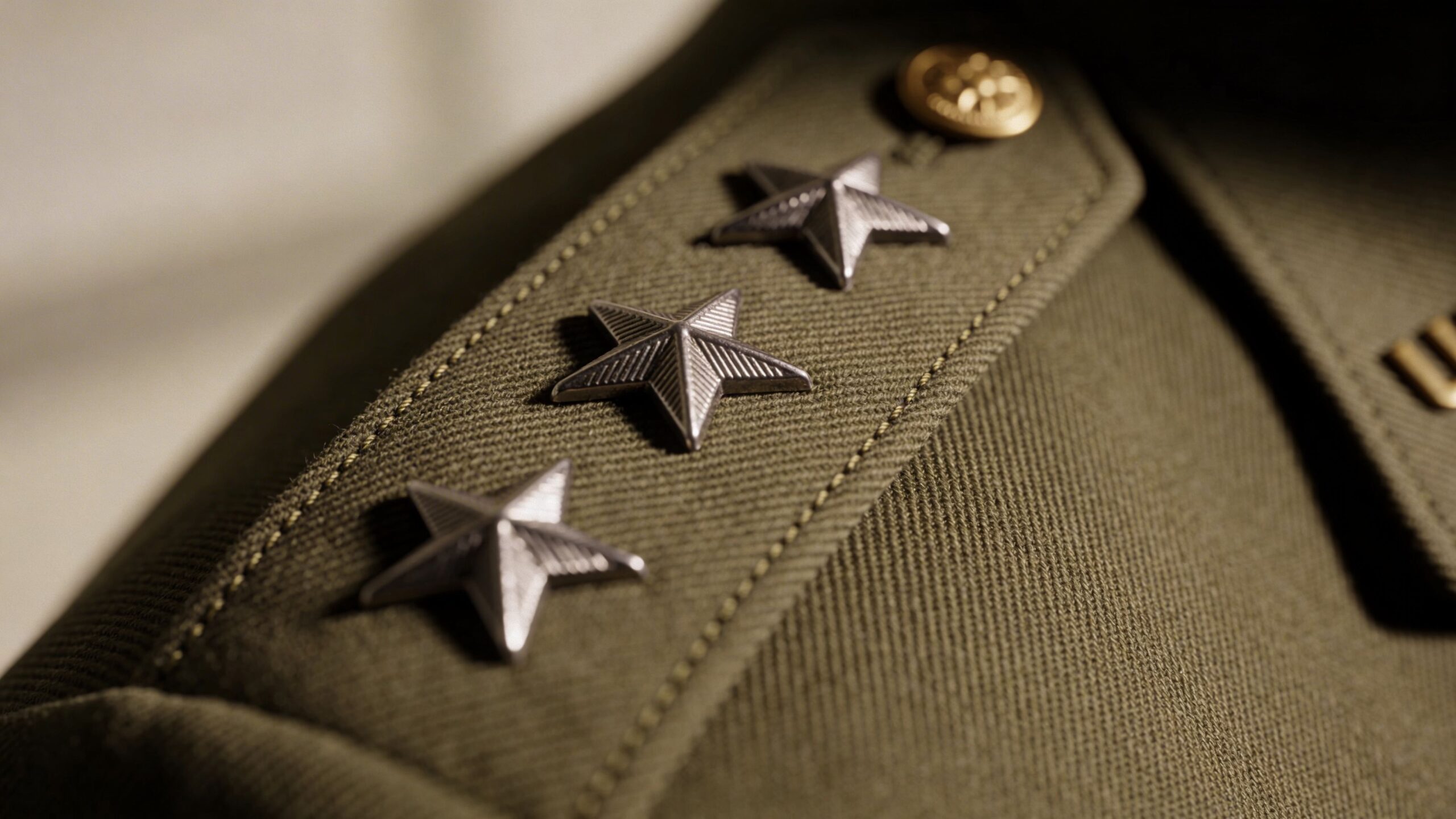
Ranks & Insignia are the visual language of military structure—small symbols that carry big meaning. They signal responsibility, experience, and the chain of command at a glance, helping teams move with clarity when time is tight and decisions matter. This section is your field guide to the markers worn on collars, sleeves, shoulders, and chest: what they represent, how they’re earned, and why they matter in daily service life. You’ll explore how rank ties to leadership roles, how insignia supports accountability, and how traditions shape the look and evolution of these designs across branches. Whether you’re new to military culture, supporting someone who serves, or simply curious about the system behind the uniform, these articles break it down in a practical, easy-to-follow way. Learn how to read the symbols, understand the expectations that come with them, and see how rank becomes more than hierarchy—it becomes a framework for teamwork, trust, and mission success.
A: Rank shows authority and responsibility level; job describes your specialty and duties.
A: No—symbols differ, but they serve the same purpose: quick identification and structure.
A: It clarifies decision paths, prevents confusion, and keeps teams aligned under pressure.
A: They’re different leadership tracks with distinct responsibilities and progression paths.
A: Specialists who often combine advanced technical expertise with leadership responsibilities.
A: To reduce visibility while still allowing identification within a unit or formation.
A: Through a mix of performance, time, training requirements, and leadership potential.
A: No—badges usually represent qualification or role; rank represents authority level.
A: Use professional courtesy and ask respectfully—most people appreciate the effort to learn.
A: Standardization improves recognition, professionalism, and consistency across the force.