The Enduring Fascination With Retired Fighter Jets
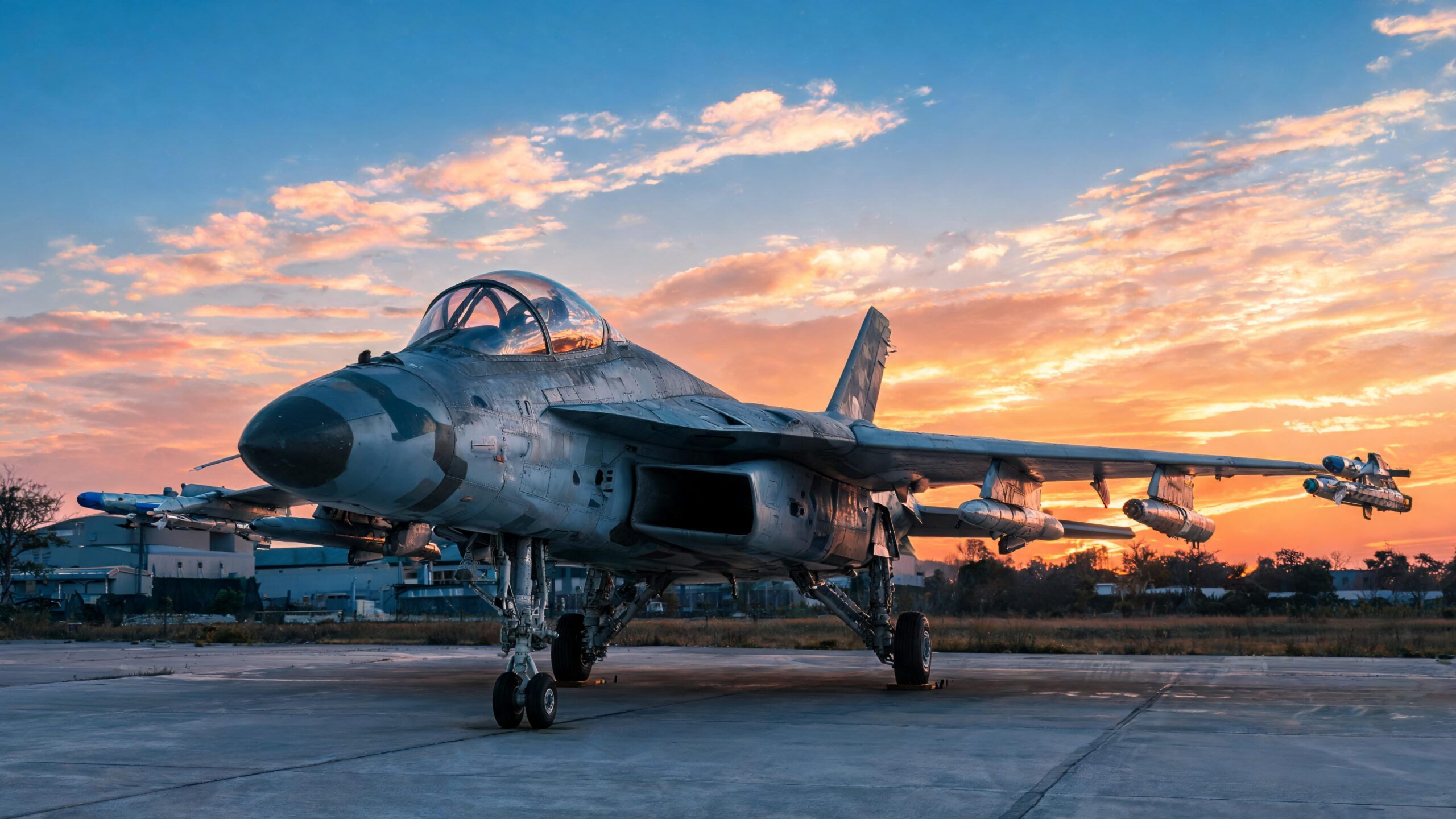
There is something unforgettable about standing beneath a retired fighter jet. These machines once dominated skies during wars, Cold War standoffs, reconnaissance missions, and technological arms races that shaped global history. Even decades after retirement, decommissioned fighter aircraft continue to attract aviation enthusiasts, historians, engineers, photographers, and curious travelers who want to witness military aviation history up close. Many of these legendary aircraft have found second lives in museums, aircraft boneyards, memorial parks, and restored aviation exhibits around the world. Instead of disappearing into history, they now serve as giant metal time capsules that preserve stories of innovation, courage, and international rivalry. Visiting these rare aircraft offers more than just a look at military hardware. It provides a powerful connection to the pilots who flew them and the eras they helped define.
A: Aging technology, maintenance costs, and new aircraft development usually lead to retirement.
A: Some restored warbirds remain operational for demonstrations and airshows.
A: Arizona’s Davis-Monthan Air Force Base is among the world’s most recognized.
A: Most preserved aircraft are genuine retired military airframes.
A: Dry air slows corrosion and structural deterioration.
A: Some museums allow cockpit tours or simulator experiences.
A: Its extreme speed and altitude capabilities were unmatched for decades.
A: Yes, weapons systems and classified equipment are removed.
A: The F-14 Tomcat and SR-71 Blackbird are extremely popular attractions.
A: They offer rare opportunities to experience military aviation history up close.
Why Fighter Jets Become Historic Defense Artifacts
Military fighter jets are among the most advanced machines ever created during their operational lifetimes. Governments invest billions into research, stealth capabilities, radar systems, engines, and weapons integration. However, technology evolves quickly, and even the most advanced jets eventually become outdated or too expensive to maintain.
When these aircraft are retired, many are dismantled or scrapped, but some are preserved because of their historical significance. Museums and defense preservation organizations recognize that these aircraft represent major milestones in aerospace engineering and military strategy. Certain jets become iconic because they achieved combat success, introduced revolutionary technology, or symbolized geopolitical power during pivotal moments in history.
As a result, decommissioned fighter jets often become centerpiece attractions in military museums and defense artifact collections. They tell stories that textbooks alone cannot fully capture.
The Legendary SR-71 Blackbird
One of the most famous retired military aircraft in the world is the SR-71 Blackbird. Although technically a reconnaissance aircraft rather than a traditional fighter jet, its speed and futuristic appearance have made it legendary among aviation enthusiasts. Developed during the Cold War, the SR-71 could fly at speeds exceeding Mach 3 while operating at extremely high altitudes.
Today, several preserved Blackbirds can still be visited across the United States. Museums displaying the SR-71 often attract huge crowds because the aircraft still looks futuristic decades after retirement. Its sleek black titanium body, enormous engine nacelles, and needle-like nose create an almost science-fiction appearance that continues to amaze visitors. Standing near a Blackbird reveals the incredible scale of Cold War aerospace engineering. The aircraft symbolizes an era when nations pushed technological boundaries in a race for intelligence dominance and aerial superiority.
Visiting the Mighty F-14 Tomcat
The F-14 Tomcat remains one of the most recognizable fighter jets ever built. Made famous by naval aviation operations and popular culture, the Tomcat became an icon of American airpower during the late Cold War era. With its variable-sweep wings and aggressive design, the aircraft looked powerful even while parked on a runway.
Although officially retired from U.S. Navy service in 2006, several F-14 Tomcats remain preserved at museums throughout the United States. Aviation museums displaying the F-14 often highlight the jet’s role in fleet defense and long-range interception missions.
Visitors are often surprised by the sheer size of the aircraft. Compared to modern fighters, the F-14 feels massive and heavily built. Its wide stance, twin engines, and intimidating profile continue to command attention decades after retirement.
The Cold War Legacy of the MiG-21
The Soviet-designed MiG-21 became one of the most widely produced fighter aircraft in aviation history. Its simple yet effective design allowed it to serve in dozens of countries across multiple continents. During the Cold War, the MiG-21 symbolized Soviet military influence and became a familiar sight in conflicts around the world. Today, preserved MiG-21s can be found in museums across Europe, Asia, and North America. Unlike some larger Western fighters, the MiG-21 has a compact and minimalist design that reflects Soviet engineering priorities of speed, simplicity, and affordability.
Many aviation enthusiasts seek out surviving MiG-21s because they represent the aerial backbone of numerous Cold War air forces. Visiting one in person offers a rare opportunity to examine a fighter jet that played a role in some of the most significant geopolitical tensions of the twentieth century.
The Rare Beauty of the English Electric Lightning
Few aircraft look as dramatic as the English Electric Lightning. Designed for rapid interception missions during the Cold War, the British fighter became famous for its astonishing climb rate and vertically stacked engines. The aircraft appeared almost rocket-like, with a narrow fuselage and highly distinctive silhouette.
Today, several preserved Lightnings remain accessible at museums and aviation heritage centers throughout the United Kingdom. Enthusiasts admire the aircraft not only for its performance but also for its uniquely aggressive appearance.
The Lightning represents an era when speed and rapid-response interception were essential components of national defense strategy. Its preservation ensures that future generations can appreciate one of Britain’s most iconic aviation achievements.
Aircraft Boneyards and Desert Storage Facilities
Some of the most fascinating places to see retired fighter jets are aircraft boneyards. Massive storage facilities in dry desert climates preserve thousands of military aircraft, including retired fighters, bombers, cargo planes, and reconnaissance aircraft.
The dry air helps reduce corrosion, allowing aircraft to remain intact for decades. Rows of retired jets stretching across the desert create surreal landscapes that look almost post-apocalyptic. Many aviation photographers consider these locations among the most visually striking military sites in the world. Certain boneyards occasionally allow public tours, giving visitors rare glimpses into the scale of military aviation retirement operations. These facilities reveal just how many aircraft were produced during periods of intense military competition.
The Historic F-4 Phantom II
The F-4 Phantom II served multiple branches of the U.S. military and became one of the defining fighter aircraft of the Vietnam War era. Originally developed for the Navy, the Phantom eventually proved versatile enough for air superiority, reconnaissance, and ground attack missions.
Today, retired F-4 Phantoms are displayed in museums around the world. The aircraft’s large twin-engine design and unmistakable angular profile continue to impress visitors. Many preserved Phantoms retain authentic paint schemes that reflect specific combat squadrons and historical missions.
The Phantom’s combat legacy and global service history have made it one of the most celebrated decommissioned fighter jets still accessible to the public today.
The Soviet Power of the MiG-29
The MiG-29 represented a major leap forward for Soviet fighter aviation during the late Cold War. Designed to compete with advanced Western fighters, the MiG-29 featured exceptional maneuverability and powerful engines. Preserved MiG-29s can still be found in military museums and air parks across Eastern Europe and former Soviet territories. Visitors often admire the aircraft’s aggressive aerodynamic shape and large air intakes that give it a muscular appearance.
Many retired MiG-29s remain visually striking because their designs still resemble modern frontline fighters. Despite retirement from some nations, the aircraft continues to symbolize Soviet aerospace engineering at its peak.
Why Aviation Museums Preserve Fighter Jets
Military aviation museums play a vital role in preserving defense history. Without these institutions, countless aircraft would have disappeared forever through scrapping and dismantling programs. Museums carefully restore and maintain aircraft to ensure that future generations can experience these machines firsthand.
Walking through a fighter jet exhibit creates a far deeper emotional impact than viewing photographs or documentaries. Visitors can appreciate the aircraft’s scale, engineering complexity, and battle-worn details up close. Rivets, cockpit controls, faded paint, and weathered panels all help tell the story of each aircraft’s operational history.
Many museums also preserve personal stories connected to the aircraft, including pilot experiences, combat missions, and technological breakthroughs.
The Stealth Era and the F-117 Nighthawk
The F-117 Nighthawk introduced the world to operational stealth technology. With its angular black surfaces and radar-evading design, the aircraft looked radically different from traditional fighters. During its secretive early years, rumors about the aircraft fueled fascination among aviation enthusiasts worldwide.
Today, some retired F-117s are displayed in museums and restricted exhibits. Seeing one in person is often surprising because its faceted design appears unlike almost any other aircraft ever created. The Nighthawk symbolizes a major turning point in military aviation history. Its preservation allows visitors to witness the beginning of the stealth warfare era that transformed modern aerial combat.
Forgotten Experimental Fighter Jets
Not every fighter jet achieved mass production or combat fame. Throughout aviation history, numerous experimental aircraft were developed to test radical new technologies and concepts. Some featured unusual wing designs, vertical takeoff systems, or extreme speed capabilities.
A handful of these rare prototypes survived retirement and can still be visited today. Aviation museums sometimes dedicate entire sections to experimental aircraft programs that pushed engineering boundaries but never entered widespread service.
These unusual aircraft often become favorites among hardcore aviation enthusiasts because they reveal alternate paths military aviation could have taken.
The Emotional Power of Standing Beside a Warbird
For many visitors, seeing a retired fighter jet in person creates a surprisingly emotional experience. These aircraft once represented national pride, technological superiority, and the lives of the pilots who operated them under dangerous conditions.
Even silent and motionless inside museums, fighter jets still carry an undeniable presence. Their aggressive shapes, worn surfaces, and battle histories remind visitors that these machines once operated in environments where split-second decisions could determine survival. The emotional connection becomes even stronger when veterans share stories connected to the aircraft. Museums often serve as gathering places where personal memories and historical artifacts intersect.
Rare Naval Fighter Jets Preserved Around the World
Naval fighter aircraft possess unique design features because they were built to operate from aircraft carriers at sea. Reinforced landing gear, folding wings, and tail hooks distinguish these aircraft from land-based fighters.
Several retired naval fighters remain preserved at maritime museums and former naval air stations. Aircraft like the F-8 Crusader, A-6 Intruder, and Sea Harrier continue attracting aviation fans fascinated by carrier operations and naval combat history.
These aircraft represent some of the most demanding forms of aviation ever attempted. Operating high-performance jets from moving ships required extraordinary pilot skill and engineering precision.
Restoring Historic Fighter Jets
Aircraft restoration is a challenging and highly specialized process. Many retired fighter jets spend years exposed to harsh weather conditions before restoration teams begin preservation efforts. Corrosion, missing components, and structural deterioration often complicate restoration projects.
Dedicated volunteers and aviation experts work tirelessly to restore these aircraft to historically accurate conditions. Some jets are returned to static display quality, while a select few become fully operational warbirds capable of flying again during airshows and special events. The restoration process helps preserve not only the aircraft itself but also the engineering knowledge and historical significance connected to it.
The Future of Military Aircraft Preservation
As modern fighter jets become increasingly digital and technologically advanced, preserving them may become even more important for future generations. Aircraft like the F-22 Raptor and F-35 Lightning II represent entirely new eras of stealth, sensor integration, and electronic warfare.
Eventually, even today’s advanced aircraft will become defense artifacts displayed in museums and preservation facilities. The cycle of innovation and retirement continues, ensuring that future aviation enthusiasts will one day stand beside today’s cutting-edge fighters just as modern visitors admire Cold War legends today.
Preservation efforts ensure that military aviation history remains accessible rather than forgotten. Every restored fighter jet represents a physical connection to the pilots, engineers, and global events that shaped modern history.
Why Rare Fighter Jets Continue to Inspire Generations
Rare decommissioned fighter jets continue captivating audiences because they combine engineering brilliance, military history, and visual drama in ways few other machines can match. They symbolize entire eras of technological competition and geopolitical tension while also reflecting humanity’s relentless pursuit of speed, innovation, and dominance of the skies.
Whether displayed inside polished museum hangars or resting quietly in desert storage yards, these aircraft continue telling stories long after their operational careers ended. For visitors, standing beside these legendary jets provides a powerful reminder that history is not just something written in books. It is something built from steel, fuel, ambition, and the determination of those who once flew these remarkable machines.