The Evolution of Warfare in a Digital Age
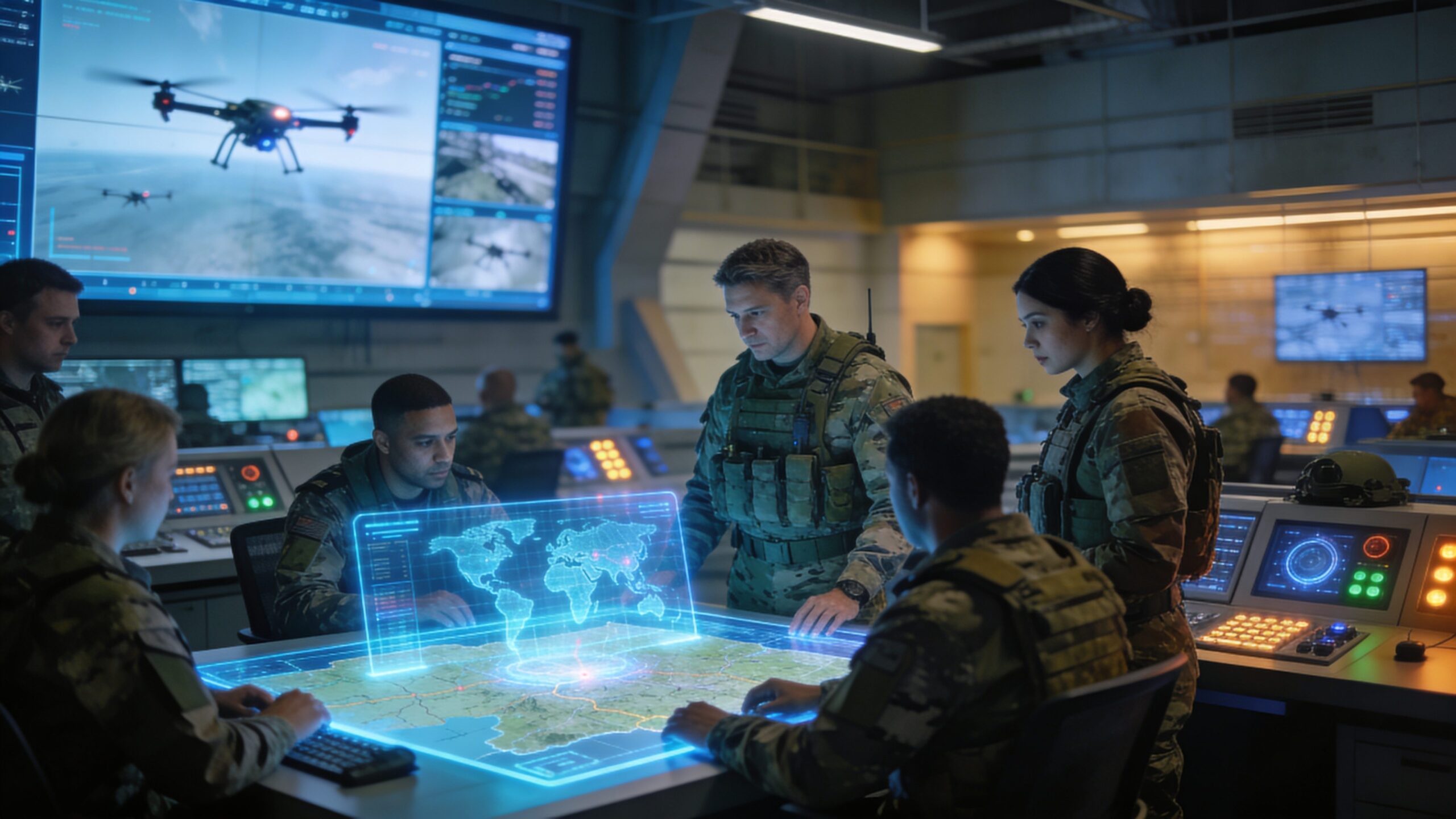
Modern battlefield tactics in 2026 represent the culmination of centuries of military evolution, now accelerated by rapid technological innovation. Warfare is no longer defined solely by brute force or numerical superiority. Instead, it is shaped by intelligence, adaptability, and the seamless integration of digital systems with human decision-making. The battlefield has expanded beyond physical terrain to include cyber networks, satellite systems, and real-time data ecosystems that influence every movement and engagement. Armies today operate in an environment where information travels faster than bullets. Commanders rely on data streams from drones, sensors, and reconnaissance units to make split-second decisions that can determine the outcome of entire campaigns. This shift has transformed traditional tactics into dynamic strategies that evolve continuously during combat. Victory is no longer just about overpowering the enemy but outthinking and outmaneuvering them in a complex, interconnected battlespace.
A: Strategies integrating technology, intelligence, and coordination.
A: It enhances decision-making and efficiency.
A: They provide reconnaissance and strike capabilities.
A: Operations across land, air, sea, cyber, and space.
A: It ensures continuous operational capability.
A: Essential for coordination and success.
A: Information superiority and adaptability.
A: It influences positioning and movement.
A: Integration of technology and strategy.
A: Yes, they remain central to all operations.
Multi-Domain Warfare: The New Standard
One of the defining characteristics of modern tactics is the concept of multi-domain warfare. Battles are no longer confined to land, sea, or air. Instead, they unfold simultaneously across multiple domains, including cyber and space. This integrated approach allows military forces to coordinate actions that disrupt the enemy on several fronts at once, creating overwhelming pressure that is difficult to counter.
For example, a ground assault may be supported by cyber operations that disable enemy communications while drones provide real-time surveillance from above. At the same time, satellite systems ensure precise navigation and targeting. This level of coordination requires advanced planning and highly trained personnel capable of operating within a unified command structure. The ability to synchronize these domains effectively is often what separates successful operations from failure.
The Role of Artificial Intelligence in Combat Decisions
Artificial intelligence has become a cornerstone of modern battlefield tactics. In 2026, AI systems assist commanders by analyzing vast amounts of data in real time, identifying patterns, and predicting enemy behavior. These insights allow for faster and more informed decision-making, reducing the uncertainty that has historically plagued military operations. AI is not replacing human leadership but enhancing it. Commanders still make the final decisions, but they do so with a level of situational awareness that was unimaginable just a decade ago. From optimizing troop movements to managing logistics and predicting supply shortages, AI enables a level of efficiency and precision that significantly increases the chances of success. This fusion of human intuition and machine intelligence is redefining how battles are planned and executed.
Drone Warfare and Autonomous Systems
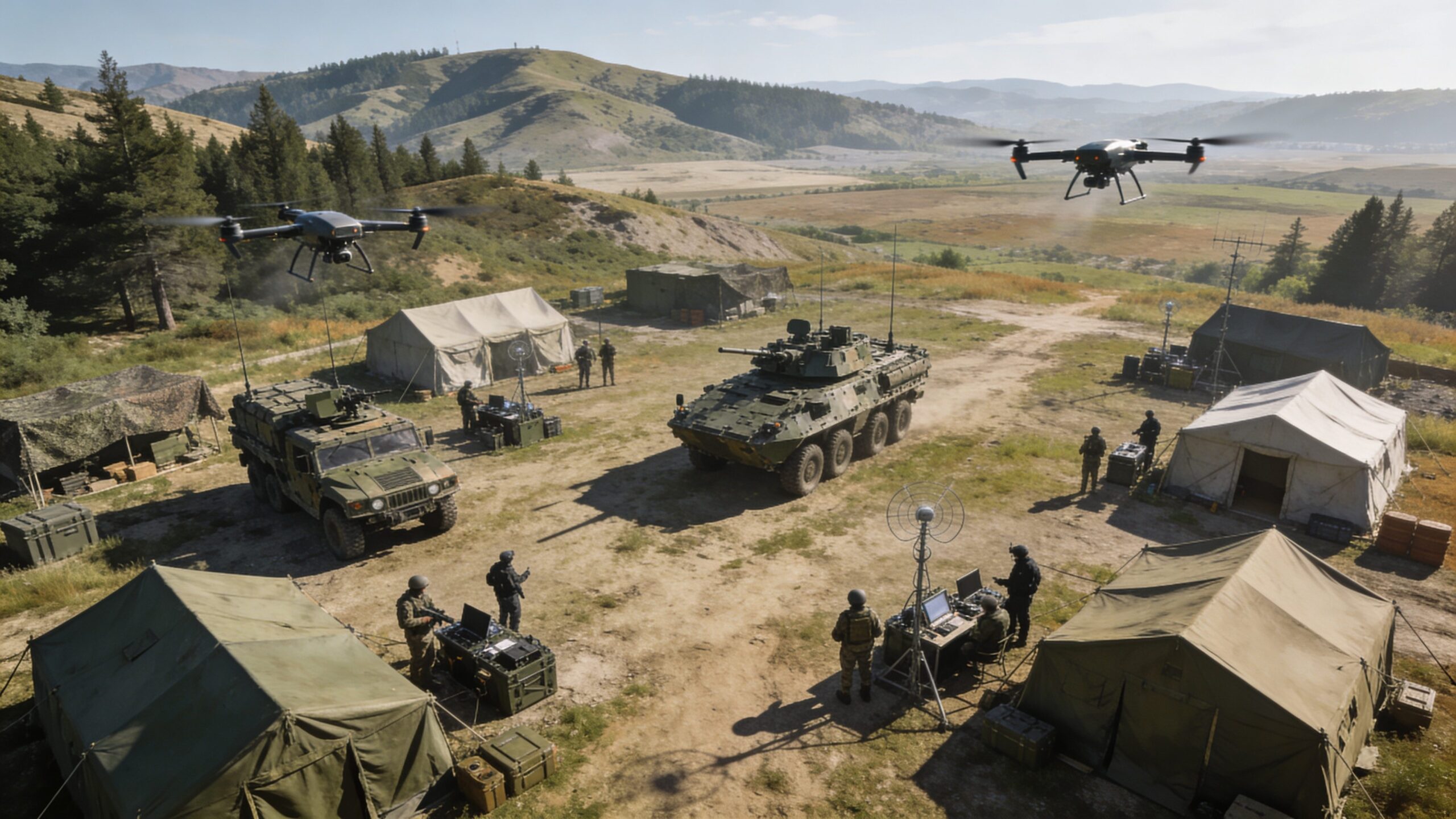
Drones have revolutionized the battlefield, providing capabilities that were once reserved for advanced aircraft and large-scale operations. In 2026, drones are used for reconnaissance, surveillance, targeted strikes, and even logistical support. Swarm technology allows multiple drones to operate in coordination, overwhelming defenses and gathering critical intelligence simultaneously.
Autonomous systems extend beyond aerial drones to include ground vehicles and maritime units. These systems reduce the risk to human soldiers while maintaining operational effectiveness. They can navigate dangerous environments, carry out missions independently, and relay valuable data back to command centers. The integration of these technologies into battlefield tactics has created a new layer of complexity, where human and machine units operate side by side in a coordinated effort.
The Importance of Speed and Mobility
Speed has always been a critical factor in warfare, but in 2026, it has become even more decisive. Modern tactics emphasize rapid deployment, swift maneuvering, and the ability to adapt quickly to changing conditions. Units are trained to move efficiently across diverse terrains, using advanced transportation systems and real-time intelligence to stay ahead of the enemy. Mobility is not just about physical movement but also about flexibility in strategy. Commanders must be able to shift tactics on the fly, responding to new information and unexpected challenges. This requires a high level of coordination and communication, ensuring that all units are aligned and ready to execute changes without hesitation. The faster a force can react, the greater its chances of maintaining the initiative and controlling the flow of battle.
Terrain and Environmental Awareness
Despite the rise of digital warfare, the physical environment remains a crucial factor in determining the outcome of battles. Understanding terrain is essential for positioning troops, planning movements, and anticipating enemy actions. High ground, natural cover, and chokepoints continue to play significant roles in shaping tactical decisions.
In 2026, advanced mapping technologies and satellite imagery provide detailed insights into the battlefield. These tools allow commanders to analyze terrain with unprecedented accuracy, identifying advantages and potential risks before engagements begin. Environmental factors such as weather and visibility also influence tactics, requiring forces to adapt their strategies to maintain effectiveness under varying conditions.
Communication and Coordination
Effective communication is the backbone of modern battlefield tactics. In an environment where operations span multiple domains, maintaining clear and reliable communication channels is essential. Advanced communication systems enable real-time coordination between units, ensuring that actions are synchronized and objectives are achieved efficiently. However, communication is also a vulnerability. Adversaries may attempt to disrupt or intercept signals, making it crucial to have secure and resilient systems in place. Encryption, redundancy, and decentralized communication networks are key components of modern tactics, allowing forces to maintain coordination even in contested environments. The ability to communicate effectively under pressure often determines the success of complex operations.
Psychological and Information Warfare
Modern warfare extends beyond physical engagements to include psychological and information-based strategies. Influencing enemy morale, spreading misinformation, and controlling the narrative are all critical aspects of battlefield tactics in 2026. These efforts can weaken an opponent’s resolve and create confusion, giving a strategic advantage without direct confrontation.
Information warfare also plays a role in shaping public perception and maintaining support for military operations. Managing how information is disseminated and interpreted is a complex task that requires careful planning and execution. By controlling the flow of information, military forces can gain an edge that complements their physical and technological capabilities.
Logistics and Sustainment in Modern Combat
Behind every successful operation is a robust logistical system that ensures troops have the resources they need to fight effectively. In 2026, logistics has become more sophisticated, with advanced systems tracking supplies, predicting needs, and optimizing distribution. This level of efficiency reduces delays and ensures that units remain operational even in challenging परिस्थितियों. Sustainment is not just about delivering supplies but maintaining equipment, managing personnel, and ensuring overall readiness. Modern tactics integrate logistics into every aspect of planning, recognizing that even the most advanced strategies can fail without proper support. The ability to sustain operations over time is a critical factor in achieving long-term success.
The Human Element in a High-Tech Battlefield
Despite the increasing reliance on technology, the human element remains at the heart of battlefield tactics. Soldiers must be trained to operate complex systems, make critical decisions under pressure, and work effectively as part of a team. Leadership, discipline, and adaptability are qualities that cannot be replaced by machines.
In 2026, training programs focus on developing these skills alongside technical proficiency. Soldiers are prepared to handle a wide range of scenarios, from conventional combat to cyber operations and humanitarian missions. The combination of human capability and technological support creates a force that is both resilient and versatile, capable of overcoming the challenges of modern warfare.
Winning Wars in 2026
Winning wars in 2026 requires a comprehensive approach that combines strategy, technology, and human expertise. Modern battlefield tactics are defined by their adaptability, precision, and integration across multiple domains. Success depends on the ability to gather and analyze information, coordinate complex operations, and respond effectively to ever-changing परिस्थितियों. As warfare continues to evolve, so too will the tactics used to achieve victory. The lessons learned in today’s conflicts will shape the strategies of tomorrow, driving innovation and redefining what it means to succeed on the battlefield. In this dynamic environment, those who can adapt and innovate will hold the advantage, ensuring that they remain one step ahead in the pursuit of victory.