What Battlefield Tactics Really Mean
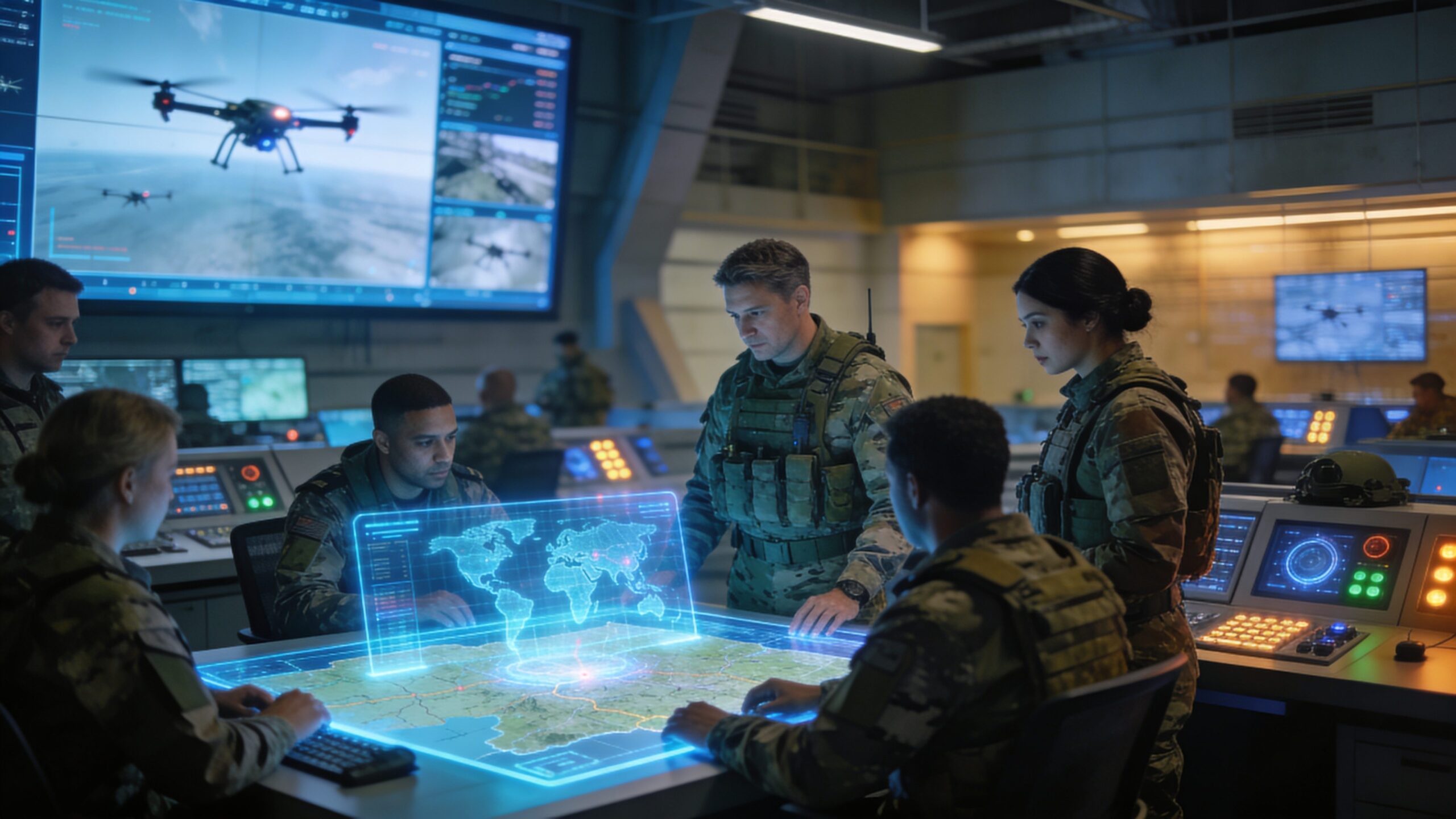
Battlefield tactics are the practical decisions forces use to gain advantage during an engagement. Strategy decides the larger goal, but tactics decide how that goal is pursued on the ground, in the air, across networks, and through information systems. A tactic can be as simple as using terrain for protection or as complex as coordinating multiple units across land, air, cyber, and satellite-supported systems. The heart of battlefield tactics is not chaos, but control. Every movement, pause, signal, and adjustment is meant to shape the fight before the enemy can shape it first. In modern warfare, tactics are no longer limited to soldiers and vehicles moving across visible terrain. Data, drones, electronic warfare, artificial intelligence, and logistics now influence engagements as much as firepower. Recent military discussions emphasize that AI, robotics, predictive logistics, and multidomain operations are becoming central to future battlefield dominance. The winning force is often the one that understands the battlefield faster, communicates more clearly, adapts more effectively, and keeps its people supplied, coordinated, and mentally prepared.
A: They are practical methods used to gain advantage during an engagement.
A: Strategy defines the larger goal, while tactics guide the immediate action.
A: Terrain affects movement, visibility, protection, and positioning.
A: It is the ability to control the pace and force the opponent to react.
A: Better information supports better decisions before and during contact.
A: Yes, drones improve observation, targeting awareness, and battlefield transparency.
A: Strong defense combines terrain, depth, communication, reserves, and adaptability.
A: Successful attacks usually depend on timing, coordination, pressure, and sustainment.
A: Supplies, maintenance, fuel, and medical support determine how long forces can operate.
A: The key is combining information, timing, movement, morale, and adaptability.
The Difference Between Strategy and Tactics
Strategy is the big picture. It answers the question of why a force is fighting, what outcome it wants, and what resources it is willing to commit. Tactics are the actions used to win specific engagements within that broader plan. A strategy might seek to defend a region, disrupt an enemy advance, or protect a supply corridor. Tactics determine where units position themselves, when they move, how they communicate, and how they respond when conditions change.
This difference matters because a tactical win can still become a strategic failure if it does not support the larger mission. Likewise, a temporary tactical retreat can support a strategic victory if it preserves strength, buys time, or draws an opponent into a weaker position. The best commanders understand that tactics must serve purpose. Every engagement should connect to a larger objective, or the fight becomes motion without meaning.
Terrain: The Original Battlefield Advantage
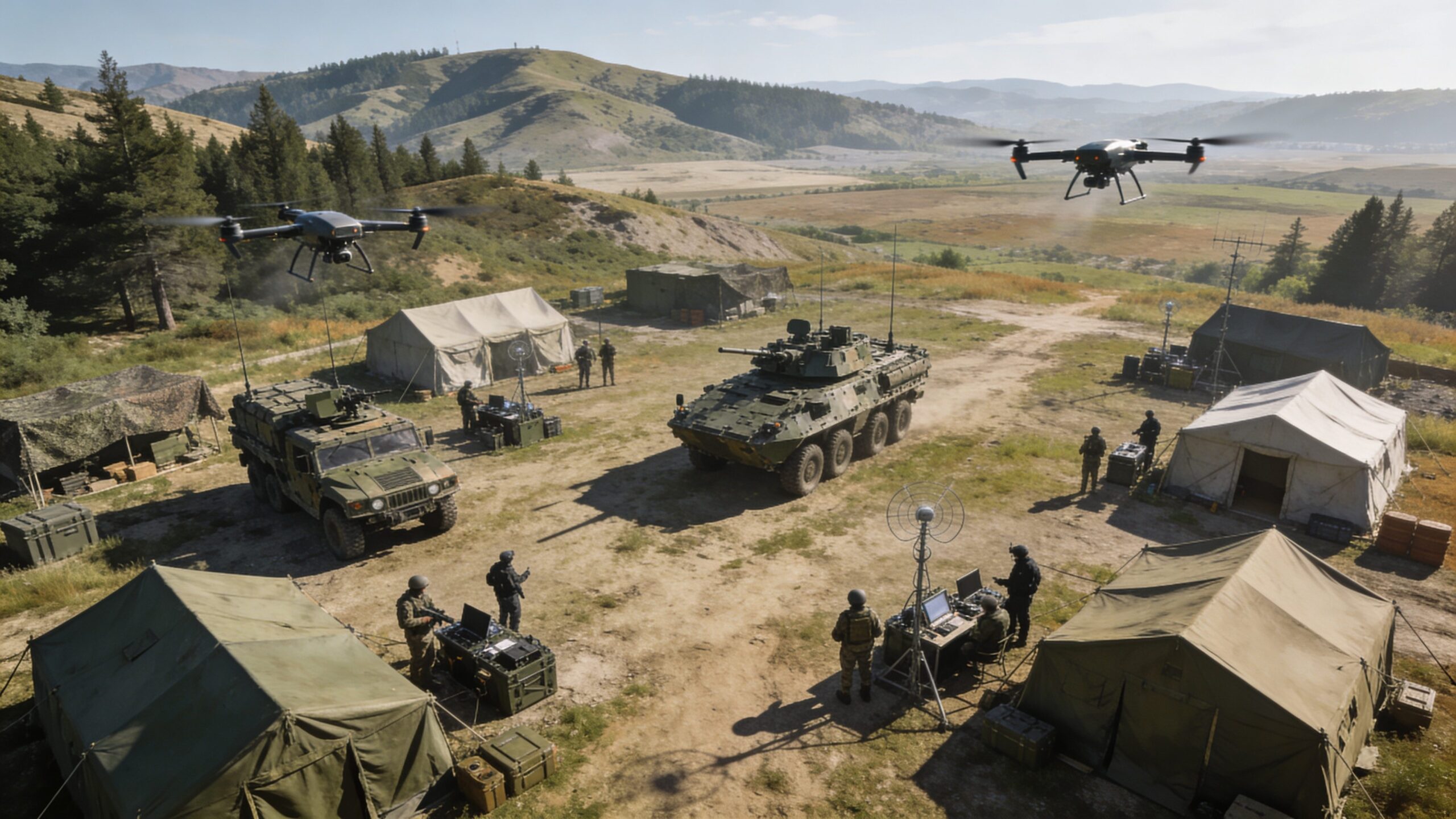
Long before drones and digital command systems, terrain was one of the greatest tactical advantages in war. High ground, narrow passes, forests, rivers, ridgelines, urban streets, and open plains all shape how forces move and respond. Terrain can protect, expose, delay, conceal, or funnel movement. A force that understands the terrain can make a smaller position feel stronger and a larger enemy feel restricted. Modern technology has changed how terrain is studied, but it has not made terrain irrelevant. Satellite imagery, drones, thermal sensors, and digital mapping allow commanders to analyze ground conditions in extraordinary detail. Still, the principle remains timeless: the battlefield is never neutral. It favors the side that reads it better. Winning an engagement often begins before contact, when leaders identify where movement is easiest, where visibility is strongest, and where risk is highest.
Intelligence: Seeing Before Acting
Intelligence is the foundation of effective battlefield tactics. A force that knows where the enemy is, how they move, what they can do, and what they are likely to attempt can make better decisions under pressure. Intelligence comes from many sources, including reconnaissance teams, drones, satellites, intercepted signals, open-source information, and local observation. The goal is not just to collect information, but to turn it into useful judgment.
In 2026, intelligence moves at digital speed. Military organizations are increasingly treating data as a strategic asset, with recent U.S. Air and Space Force strategy documents emphasizing trusted data, decentralized architecture, and AI support for mission operations. This matters because modern engagements can change rapidly. The side that processes battlefield information faster can reposition sooner, avoid traps, protect assets, and exploit openings while the opponent is still trying to understand what happened.
Speed, Timing, and Initiative
Speed is not only about moving fast. It is about acting at the right moment. A rapid maneuver at the wrong time can create vulnerability, while a carefully timed movement can shift the entire engagement. Initiative means forcing the opponent to react instead of allowing them to control the rhythm. Once a force gains initiative, it can pressure, redirect, or confuse the enemy while maintaining forward momentum. Timing becomes especially important when multiple elements must work together. Ground movement, reconnaissance, communication, support assets, and reserves all need coordination. A delayed message or poorly timed shift can weaken the whole operation. The most effective forces combine speed with discipline. They move quickly, but not blindly. They act decisively, but not recklessly.
Firepower, Maneuver, and Pressure
Classic battlefield tactics often revolve around the relationship between firepower and maneuver. Firepower creates pressure, limits enemy freedom, and protects friendly movement. Maneuver uses that opportunity to improve position, threaten weak points, or avoid unnecessary exposure. Neither works well alone. Firepower without maneuver can become static, while maneuver without protection can become dangerous.
In modern engagements, pressure comes from more than traditional weapons. Drones, electronic disruption, cyber effects, information campaigns, and precision systems can all influence enemy behavior. Modern War Institute analysis notes that mass drone warfare has altered the relationship between firepower, mobility, and survivability, even as experts debate whether this is a revolution or an accelerated evolution of older trends. The core idea remains clear: the side that can apply pressure while staying mobile often has the tactical edge.
Deception and Surprise
Surprise is one of the most powerful forces in battlefield tactics. It can cause hesitation, confusion, and poor decision-making. Deception supports surprise by making an opponent believe something false, incomplete, or misleading. This might involve disguising intentions, hiding movement, creating false signals, or encouraging the enemy to prepare for the wrong threat. However, deception is not just trickery. It requires discipline, timing, and credibility. A false move must look real enough to draw attention. A hidden movement must remain concealed long enough to matter. In modern warfare, deception also includes digital and electronic dimensions. False data, decoy signals, and misleading patterns can influence how systems and commanders interpret the battlefield.
Communication: The Nerve System of Tactics
Communication connects the entire tactical picture. Without it, units become isolated, timing breaks down, and even strong plans can fail. Effective communication allows leaders to share intent, update conditions, coordinate movement, and respond to threats. It also builds confidence because every part of the force understands its role in the larger engagement.
Modern communication must also survive disruption. Opponents may attempt to jam signals, intercept messages, or overwhelm networks. That is why resilient communication includes redundancy, clear procedures, disciplined reporting, and the ability to operate when systems are degraded. A strong tactical force does not depend on perfect conditions. It prepares for confusion and keeps functioning anyway.
Logistics: The Hidden Engine of Victory
Logistics rarely feels as dramatic as battlefield movement, but it is often the difference between success and failure. Every engagement depends on fuel, ammunition, food, water, maintenance, medical support, transportation, and replacement equipment. A force that cannot sustain itself loses options. A force with reliable logistics can keep pressure on an opponent long after the first move. Modern logistics is increasingly data-driven. Predictive systems can help anticipate shortages, track supplies, and position resources more efficiently. This makes logistics part of tactical planning rather than a separate background function. Winning an engagement is not only about what happens at the front. It is also about what arrives before the front runs out.
Morale, Discipline, and Human Judgment
Even the most advanced battlefield technology depends on people. Morale affects endurance, discipline affects execution, and judgment affects survival. Soldiers and leaders must operate under fear, fatigue, uncertainty, and pressure. A force with strong morale can recover from setbacks, while a force with poor morale may collapse even when it still has equipment and numbers.
Human judgment remains especially important because technology can overwhelm users with information. Data is useful only when interpreted wisely. Artificial intelligence can assist with pattern recognition, surveillance, planning, and decision support, but commanders still need context, ethics, and responsibility. Recent reporting on military AI programs highlights both the speed advantages of AI-assisted targeting and the risks of outdated data or excessive automation. The future of tactics will depend on balancing machine speed with human accountability.
Drones and the New Tactical Sky
Drones have changed how armies observe, target, communicate, and pressure opponents. Small unmanned systems can watch terrain, scout movement, relay information, and create psychological pressure. Larger systems can support broader reconnaissance and strike missions. Drone technology has made the battlefield more visible, but also more dangerous, because movement is harder to hide. The rise of autonomous and semi-autonomous systems is also changing training and command. Recent reports describe soldiers learning to operate AI-powered drone systems in only days, with operators managing platforms through simplified digital prompts. This shows how battlefield tactics are shifting from controlling every platform manually to supervising networks of systems. The tactical question is no longer only “Where are the troops?” It is also “Who sees first, processes first, and acts first?”
Defense: Holding Ground Without Becoming Static
Defensive tactics are not passive. A strong defense shapes enemy movement, protects key positions, creates friction, and prepares opportunities for counteraction. Good defensive planning uses terrain, obstacles, observation, reserves, and communication to make enemy movement costly and uncertain. The best defense is active, alert, and flexible.
The danger of defense is becoming predictable. If a force stays fixed without adapting, it can be bypassed, isolated, or overwhelmed. Modern defensive tactics must account for drones, precision systems, cyber disruption, and rapid enemy movement. Holding ground is not just about staying in place. It is about making that ground difficult to take while preserving the ability to respond.
Offense: Creating Momentum and Breaking Balance
Offensive tactics aim to seize initiative. An attacking force tries to create pressure, disrupt coordination, and force the opponent into difficult decisions. Successful offense depends on preparation, timing, intelligence, and sustainment. It also depends on identifying weak points rather than simply pushing against strength. Momentum is central to offensive action. Once a force creates confusion or imbalance, it must exploit the opportunity before the opponent recovers. But momentum without control can become overextension. The strongest offensive tactics combine aggression with awareness. They push hard enough to disrupt the enemy, but remain organized enough to avoid being drawn into a trap.
Adaptability: The Skill That Wins Unpredictable Engagements
No battlefield plan survives unchanged. Weather shifts, equipment fails, communication breaks, enemy forces behave unexpectedly, and terrain reveals surprises. Adaptability is the ability to adjust without losing purpose. It is one of the most important tactical skills because uncertainty is not an exception in battle; it is the normal condition.
Adaptable forces train for decision-making, not just procedure. They understand the commander’s intent, so they can continue toward the mission even when details change. This is especially important in modern warfare, where engagements can evolve rapidly due to drones, electronic warfare, cyber events, and real-time intelligence. The side that adapts faster often gains the advantage.
Winning Any Engagement: The Real Formula
There is no magic tactic that guarantees victory in every situation. The best battlefield tactics combine fundamentals: understand the mission, know the terrain, gather intelligence, communicate clearly, move with purpose, protect logistics, preserve morale, and adapt faster than the opponent. Technology changes the tools, but these principles remain remarkably durable. Winning an engagement is ultimately about creating advantage. Sometimes that advantage comes from speed. Sometimes it comes from patience, deception, preparation, or superior information. The best forces do not rely on one strength. They combine many strengths into a flexible system that can survive pressure, exploit opportunity, and stay aligned with the larger mission.
The Future of Battlefield Tactics
Battlefield tactics will continue to evolve as AI, drones, robotics, cyber tools, and sensor networks become more advanced. The battlefield of the future will likely be faster, more transparent, more contested, and more dependent on data. Yet the essentials will remain human: leadership, judgment, courage, discipline, and the ability to make difficult decisions when certainty is impossible.
The ultimate guide to winning any engagement is not a single maneuver or piece of equipment. It is the disciplined integration of information, movement, timing, protection, sustainment, and purpose. Armies win when they understand the battlefield more clearly than the opponent, act before opportunities disappear, and keep adapting when the fight changes. That is the enduring art of battlefield tactics.