The Hidden Architecture Behind Major Campaigns
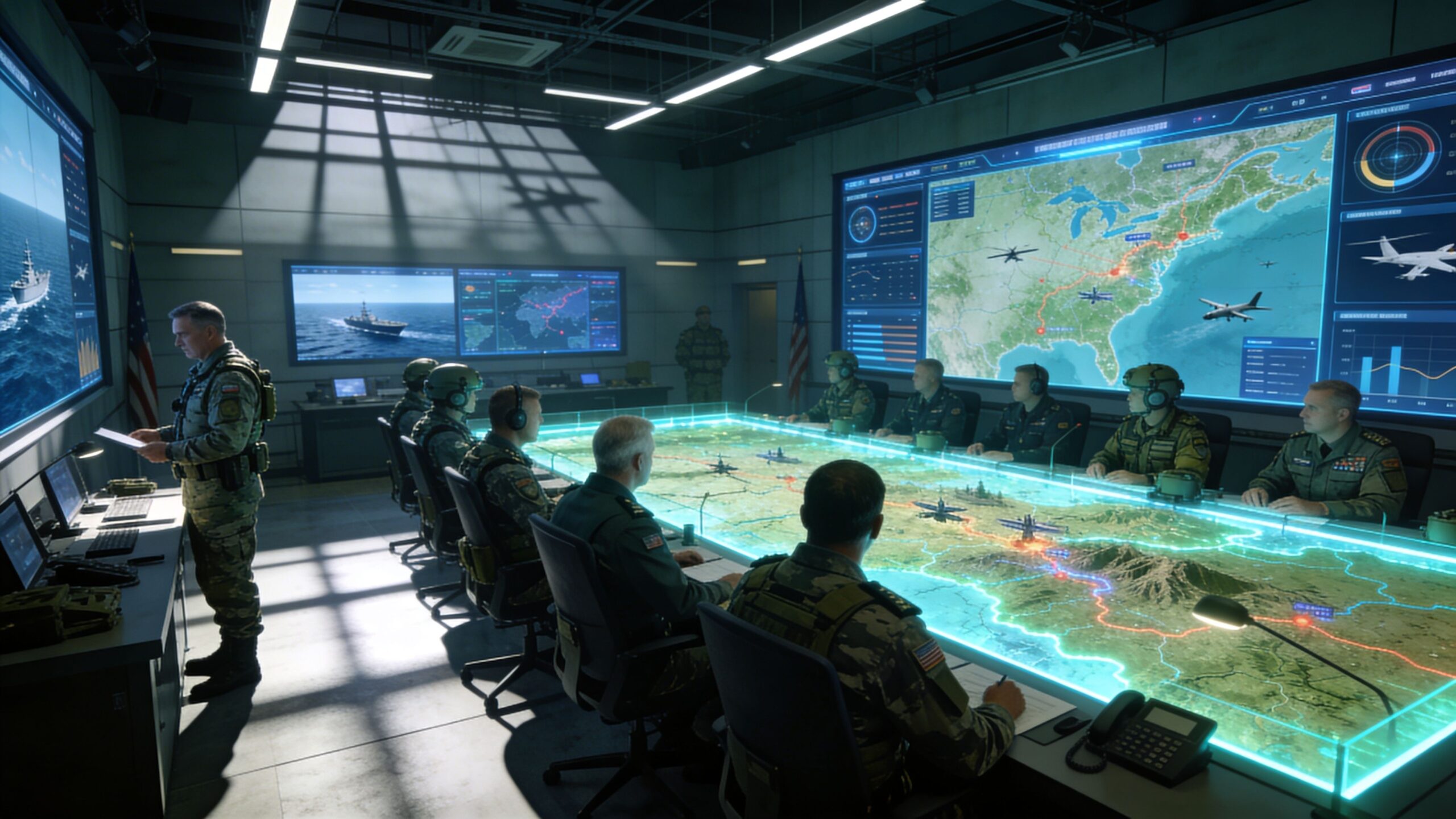
Large-scale military operations rarely begin with movement on the battlefield. Long before aircraft launch, ships sail, or armored columns begin to advance, an enormous planning effort has already taken shape behind closed doors, secure networks, and command centers. Modern warfare is not simply about firepower. It is about preparation, synchronization, timing, and the ability to coordinate thousands or even hundreds of thousands of moving parts without allowing chaos to take over. That is why the planning process behind major military operations is one of the most important and least understood aspects of modern defense strategy. To outside observers, a major military campaign can seem sudden. A nation mobilizes, a coalition forms, and a series of operations begins to unfold across land, sea, air, cyber, and space. Yet what looks immediate on the surface is usually the result of months or years of analysis, exercises, contingency planning, intelligence work, logistics preparation, and command coordination. Modern militaries must think across vast distances, multiple combat domains, changing political realities, and the unpredictable actions of adversaries. The larger the operation, the more demanding the planning becomes. Large-scale military efforts involve not only combat power but transportation networks, supply systems, intelligence streams, communications architecture, diplomatic alignment, and contingency branches for when things go wrong. In today’s world, large-scale operations are less like a single battle plan and more like a living system that must adapt under pressure. Understanding how they are planned offers a fascinating look into the real machinery of modern military power.
A: It is a major campaign involving substantial forces, broad objectives, and multi-domain coordination.
A: Because large operations fail quickly without synchronized logistics, intelligence, and command structure.
A: It helps planners understand the enemy, terrain, timing, and operational risks.
A: Modern militaries combine land, sea, air, cyber, and space effects for greater impact.
A: Yes, even strong combat forces cannot continue without fuel, munitions, maintenance, and supply support.
A: It is the process of turning strategic goals into a phased campaign concept.
A: To test plans, identify weaknesses, and prepare for likely enemy reactions.
A: Commanders rely on contingencies, mission command, and adaptation to keep the operation moving.
A: It can confuse the enemy and protect the real timing or location of the main effort.
A: No, technology supports planning, but human judgment remains central.
Defining the Objective Before Anything Moves
Every major operation begins with a central question: what is the mission supposed to accomplish? This may sound simple, but it is one of the most difficult parts of the planning process. Modern military leaders cannot plan effectively unless political leadership and senior command establish a clear strategic objective. Is the goal to deter an invasion, retake lost territory, destroy enemy capabilities, protect maritime routes, seize key terrain, defend an ally, or compel an adversary to change behavior?
Without a clear objective, even powerful militaries can stumble into confusion. Large-scale operations require enormous resources, so planners must understand not only what success looks like, but also what limits exist. Military objectives are shaped by political realities, alliance commitments, legal authorities, available forces, and acceptable risk. A campaign designed to punish an adversary may look very different from one designed to occupy territory or defend a border. This objective-setting phase matters because everything that follows depends on it. Force size, logistical requirements, tempo, geography, timing, and rules of engagement all flow from the mission itself. A modern military operation is not built around movement alone. It is built around purpose. Planning starts by translating political intent into military action that can actually be executed.
Intelligence: Building the Picture of the Battlefield
Once the mission is defined, planners need a detailed understanding of the operational environment. Intelligence becomes the foundation of everything. Modern militaries gather information from satellites, aircraft, drones, intercepted communications, cyber monitoring, open-source analysis, and human intelligence networks. The goal is to create the clearest possible picture of the adversary, the terrain, the infrastructure, and the likely reactions that may occur when operations begin.
This intelligence picture is not limited to enemy troop numbers. Planners want to know how an opponent commands forces, how quickly units can mobilize, where air defenses are located, what supply lines exist, what weather patterns may matter, and how civilian populations or regional governments may respond. In a large-scale operation, details that seem minor can become decisive. A damaged bridge, a vulnerable port, an unreliable rail corridor, or a hidden missile battery can alter the pace and success of an entire campaign.
Modern operations also require constant re-evaluation. Intelligence is not gathered once and then filed away. It changes daily, sometimes hourly. Adversaries move, reinforce, conceal, deceive, and adapt. That means modern planners must treat intelligence as a living stream, not a static briefing. The better the intelligence picture, the better the operation can be shaped before conflict begins.
Turning Strategy Into Operational Design
After leaders understand the mission and the environment, planners begin operational design. This is the stage where broad strategy becomes a workable campaign concept. Operational design connects national or theater-level goals with real military actions on the ground, in the air, at sea, and across digital networks. It is about sequencing events, determining priorities, identifying decisive points, and choosing how force will be applied over time. At this level, military planners start asking crucial questions. Which enemy capabilities must be neutralized first? What geographic areas matter most? Should forces advance directly, conduct deception operations, shape the battlefield with stand-off strikes, or isolate a region before entering it? How will the operation unfold in phases, and what conditions must be met before the next phase begins?
This process requires imagination as much as analysis. Good operational planners do not just ask how to attack. They ask how to create advantage. Sometimes that means destroying enemy systems. Sometimes it means stretching the enemy thin, forcing mistakes, breaking logistics networks, or creating a tempo the adversary cannot match. Large-scale operations succeed when design turns complexity into a clear framework for action.
Joint Operations and Multi-Domain Coordination
One of the defining features of modern large-scale military planning is that it almost never belongs to a single branch of service. Armies, navies, air forces, marine forces, cyber units, and space capabilities all play a part. In many cases, allied militaries are involved as well. This creates enormous planning complexity, but it also creates opportunities for integration that older militaries could only dream about.
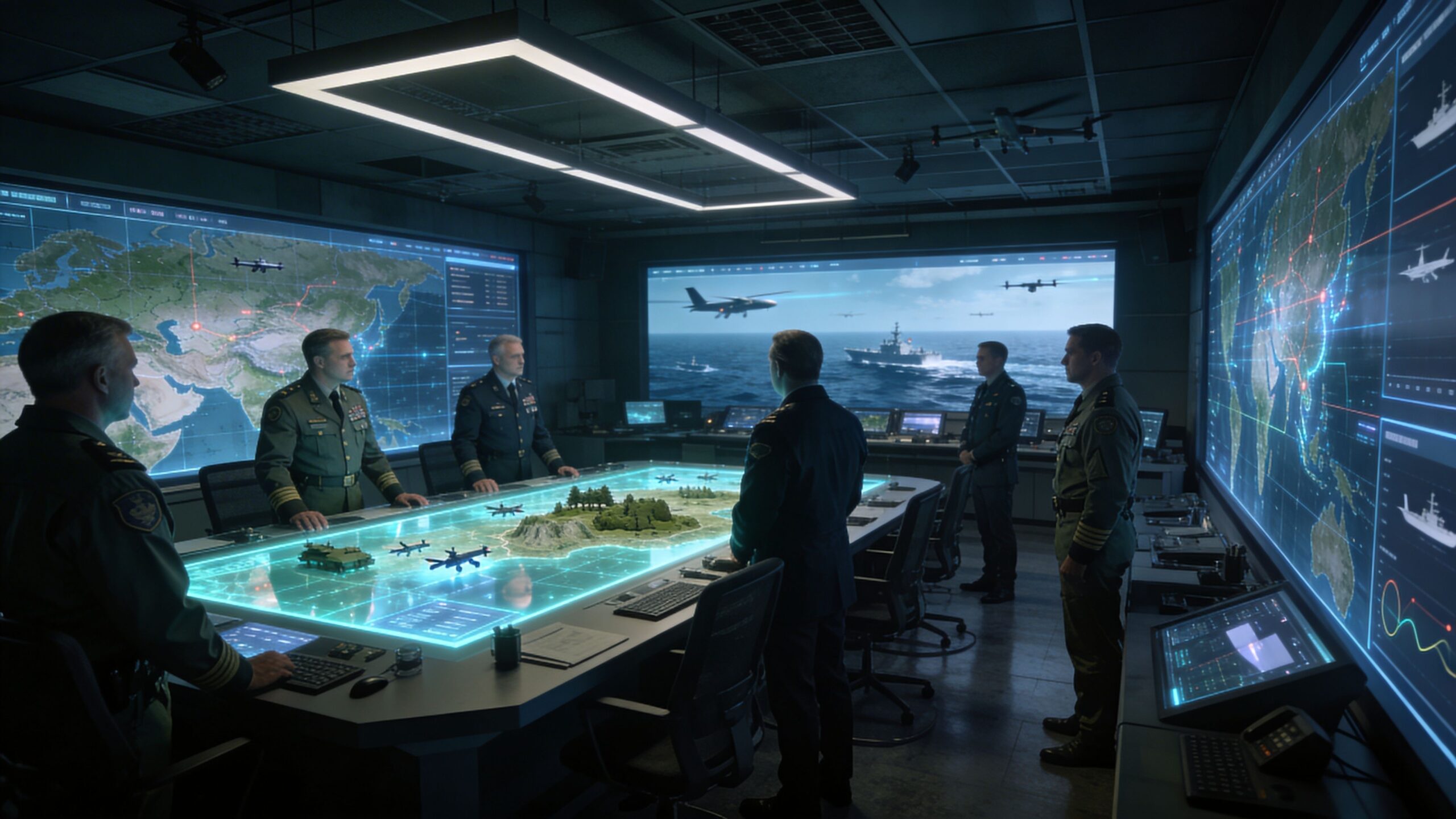
Joint planning means air power may suppress enemy defenses while naval forces protect sea lanes, cyber units disrupt communications, satellites provide surveillance, and ground forces maneuver toward strategic objectives. Each part must support the others. A large-scale operation cannot succeed if branches operate in isolation or compete for attention and resources. Timing becomes critical. A delayed strike, a broken communications link, or a mismatch in operational tempo can ripple across the entire campaign.
Modern military doctrine increasingly emphasizes multi-domain operations, meaning planners are expected to think across all arenas of conflict at once. The battlefield is no longer neatly divided. What happens in cyberspace can affect what happens on a runway. What happens in orbit can affect missile warning and navigation. What happens at sea can determine whether ground forces are ever resupplied. Planning large-scale operations now means building a unified campaign across every major domain of warfare.
Logistics: The Real Engine of Large-Scale War
No matter how brilliant a plan may be, it fails without logistics. In fact, one of the clearest truths in military history is that large operations are often won or lost by supply, transport, maintenance, fuel, and sustainment rather than by tactics alone. Modern militaries understand this deeply. That is why logistics planning begins early and runs through every stage of the process.
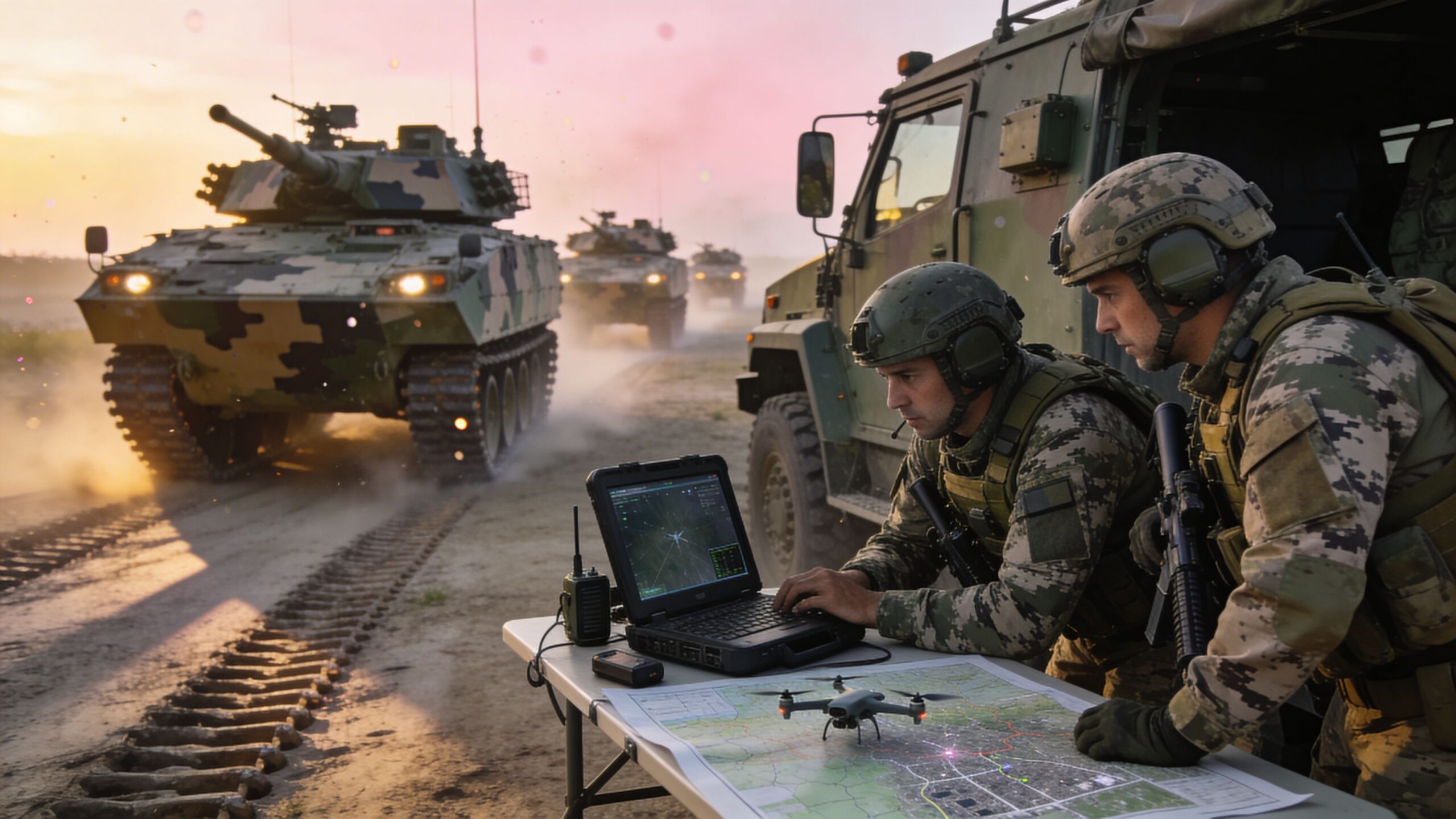
Large-scale operations consume astonishing amounts of resources. Armored formations require fuel, ammunition, spare parts, and repair support. Aircraft require maintenance crews, protected airfields, munitions stockpiles, and supply chains that can function under pressure. Naval forces need replenishment, port support, and secure routes. Medical systems must be ready for casualties. Communications equipment needs power, protection, and replacement. Even food, water, shelter, and transport capacity become strategic concerns at scale. Planners must determine how forces will move into position, how long they can be sustained, where stockpiles will be located, and which routes are vulnerable. Logistics is not a background issue. It shapes what is possible. A force that cannot be supplied cannot hold momentum, no matter how well trained it is. In large-scale operations, logistics is often the difference between a dramatic breakthrough and an operational stall.
Command Structures and Decision Flow
A major campaign needs more than units and supplies. It needs a command system capable of turning plans into action under pressure. Large-scale operations involve layered headquarters, distributed leaders, secure communications, and clear lines of authority. Modern militaries place enormous emphasis on command and control because confusion at the top can quickly become paralysis below.
Planning determines who controls which forces, how information flows upward and downward, and how decisions are made when conditions change. Command relationships become especially important in coalition warfare, where multiple nations may bring different equipment, doctrine, languages, and political restrictions. If command arrangements are unclear, even a powerful coalition can lose speed and coherence.
Modern command systems try to balance centralized intent with decentralized execution. Senior leaders set the goals, priorities, and major constraints, but lower-level commanders are often given freedom to adapt locally. This approach helps large operations remain flexible. It also reflects a key reality of modern conflict: no headquarters can micromanage every fast-moving event. Effective planning builds a command structure that keeps the whole force aligned without becoming too rigid to react.
Rehearsals, Simulations, and Wargaming
Before large-scale operations begin, militaries try to break their own plans. They do this through rehearsals, wargaming, simulations, and staff exercises designed to expose weaknesses before the enemy does. This stage is essential because no matter how polished a plan looks on paper, reality has a way of testing every hidden flaw.
Wargaming allows planners to test different enemy reactions, timing problems, and logistical failures. Simulations can help estimate how long movements will take, where bottlenecks may occur, and how quickly forces can respond to surprise developments. Rehearsals help commanders and units understand not only their own roles but how the entire operation fits together. This shared understanding is vital once events begin moving quickly. These exercises are not just about confidence. They are about discovering what can go wrong. A delayed bridge crossing, poor weather, electronic jamming, limited fuel capacity, or an unexpected civilian evacuation can all disrupt a campaign. Modern militaries rehearse because they know uncertainty cannot be eliminated, but it can be reduced. The best planners assume friction will appear and try to prepare for it in advance.
Deception, Information Control, and Shaping the Enemy
A large-scale operation is not planned only around friendly action. It is also planned around enemy perception. Modern militaries often devote major effort to deception, concealment, information control, and shaping actions that influence what an adversary believes is happening. If the enemy misunderstands the timing, location, or purpose of an operation, friendly forces gain valuable advantage before the first major engagement even begins.
Deception can take many forms. It may involve false signals, fake troop concentrations, controlled leaks, electromagnetic masking, or deliberate maneuvers meant to draw attention away from the main effort. At the same time, operational security is vital. The larger the operation, the harder it is to hide. Troop movements, fuel shipments, aircraft dispersal, naval deployments, and communication surges can all reveal intention if not managed carefully.
Information shaping also matters beyond the enemy military. Governments, civilian populations, allies, and international observers all influence how a campaign unfolds. Modern planners understand that perception can affect political support, coalition unity, and enemy morale. Large-scale operations are therefore planned not just as military movements, but as contests of narrative, timing, and interpretation.
Contingencies and the Plan for What Goes Wrong
No serious military planner believes events will unfold exactly as intended. That is why contingency planning is built into every major operation. A good plan does not simply describe the preferred path forward. It also includes branches and alternatives for setbacks, delays, enemy surprises, or sudden opportunities.
What if weather grounds aircraft at a critical moment? What if an ally contributes fewer forces than expected? What if a port is damaged, a cyberattack hits communications, or an adversary reinforces faster than anticipated? These are not side questions. They are central to modern planning. Large-scale operations are too important to depend on a single ideal sequence of events. Contingency planning allows commanders to act quickly when conditions shift. Instead of improvising from scratch, they can move to prepared options. This does not remove uncertainty, but it reduces paralysis. In modern warfare, resilience matters as much as ambition. The force that can absorb disruption and continue operating often gains the long-term advantage.
Technology’s Growing Role in Operational Planning
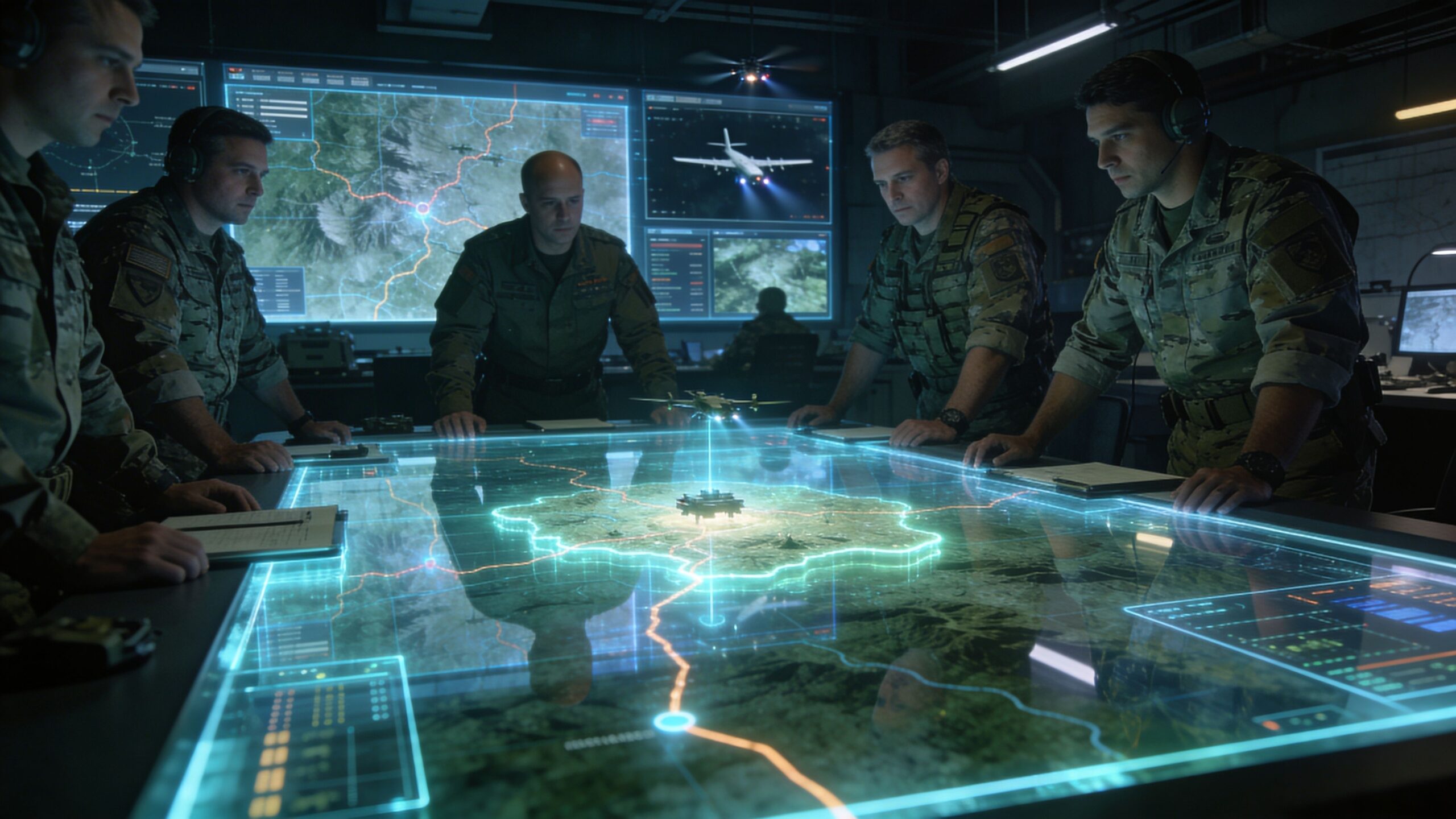
Modern planning is increasingly shaped by technology. Advanced software helps commanders visualize terrain, track logistics, model movements, and fuse intelligence from multiple sources. Satellite systems assist with navigation, surveillance, and communications. Cyber tools help assess vulnerabilities and defend networks. Artificial intelligence is beginning to support analysis, target prioritization, and decision assistance.
Yet technology is not a replacement for judgment. It can improve speed and awareness, but it can also create overconfidence or data overload. Modern planners must decide what information matters, what can be trusted, and when automation helps or hinders. The battlefield has become more connected, but also more vulnerable to disruption. A sophisticated force must plan not only to use advanced systems, but to fight through their degradation if they are jammed, hacked, or destroyed.
Technology’s real value in large-scale operations lies in improving coordination and visibility. When used well, it helps turn complexity into clarity. But the heart of planning remains human. Leaders still define objectives, weigh risk, interpret uncertainty, and decide how far to push a force into danger.
The Balance Between Preparation and Adaptation
The most successful large-scale military plans do not try to control every detail. They create structure without becoming brittle. That is one of the hardest balances in modern operations. Too little planning leads to confusion. Too much rigidity leads to collapse when reality changes.
Modern militaries aim to prepare deeply while retaining freedom to adapt. They develop clear objectives, command relationships, logistical frameworks, and operational phases, but they also expect friction, surprise, and enemy adaptation. The best campaigns are not those with the longest documents. They are the ones whose leaders understand the mission clearly enough to adjust without losing direction. This is why professional militaries invest so much in education, doctrine, exercises, and mission command. Large-scale operations demand more than coordination. They demand organizations capable of thinking under pressure while staying connected to a common purpose. Planning sets the stage, but adaptation keeps the campaign alive.
Why Large-Scale Military Planning Still Decides Outcomes
Modern warfare may look faster, more technological, and more complex than ever, but one truth remains constant: major operations are won long before the opening engagement if the planning is strong enough. Intelligence, logistics, command design, rehearsal, deception, and contingency thinking are not secondary matters. They are the foundation of operational success.
How modern militaries plan large-scale operations reveals the true depth of military power. Victory does not come only from tanks, ships, missiles, or aircraft. It comes from the ability to connect purpose to preparation and preparation to action across a vast and uncertain battlefield. That is what separates a force that can launch a major operation from one that can actually sustain and win it.
In the end, large-scale military planning is the art of shaping chaos without pretending chaos can be eliminated. It is a discipline built on foresight, realism, and the understanding that in modern war, the side that plans best often fights best too.