Why This Distinction Matters So Much
In warfare, people often use the words strategy and tactics as if they mean the same thing. They do not. The confusion is understandable because both are essential to military success, both involve decision-making, and both influence what happens on the battlefield. Yet they operate at different levels, serve different purposes, and answer different questions. One focuses on the bigger path to victory. The other deals with the immediate methods used to gain advantage in specific situations. Understanding the difference between strategy and tactics is one of the most important steps in understanding military history, modern defense planning, and the way wars are actually fought. A nation may win battles through excellent tactics and still lose a war because its strategy was flawed. On the other hand, a brilliant strategy can be ruined by poor tactical execution when forces fail at the point of contact. The relationship between the two is constant, dynamic, and deeply interconnected. This distinction matters even more in the modern age, where warfare stretches across land, sea, air, cyberspace, and space. Military leaders no longer think only in terms of battlefield formations. They must connect political goals, operational planning, logistics, intelligence, alliances, and battlefield action into one coherent whole. That is where strategy and tactics meet, and where confusion between them can lead to costly mistakes.
A: Strategy sets the overall plan and objective, while tactics handle the immediate methods used in battle.
A: Both are essential, because strategy gives purpose and tactics deliver execution.
A: Yes, battlefield victories can fail to produce success if they do not support the larger war goal.
A: Choosing to isolate an enemy region and cut supply lines to force political concessions.
A: Deciding how infantry, armor, and artillery will seize a bridge or defend a ridge.
A: It connects strategic objectives to campaigns and coordinated tactical actions.
A: Yes, because small actions can now have rapid large-scale effects.
A: It is mostly higher-level, but many commanders need to understand strategic context.
A: No, tactics also apply to air, naval, cyber, and special operations.
A: Because both involve planning and action, and they constantly influence one another in real war.
What Strategy Means in Warfare
Strategy is the higher-level plan for achieving victory or accomplishing major political and military objectives. It is concerned with the broad direction of a conflict rather than the details of a single engagement. Strategy asks the biggest questions. What is the goal of the war? What must be protected? What must be destroyed, defended, or controlled? Which resources should be committed? Which risks are acceptable? How should military power be used over time to achieve the desired end state?
At its core, strategy connects military action to purpose. A nation does not wage war simply to fight. It fights to achieve an outcome. That outcome may be territorial defense, regime survival, deterrence, regime change, alliance protection, access to trade routes, or the weakening of an adversary’s ability to project power. Strategy determines the overall approach that guides military operations toward that outcome.
Because strategy operates at a high level, it often includes political, economic, industrial, diplomatic, and informational elements alongside military ones. It is not limited to troop movement. Strategic thinking may involve building alliances, applying sanctions, mobilizing industry, controlling communications, or choosing not to fight in one region in order to preserve strength for another. In this sense, strategy is the architecture of war. It sets the direction, defines the priorities, and shapes the conditions under which tactical actions occur.
What Tactics Mean in Warfare
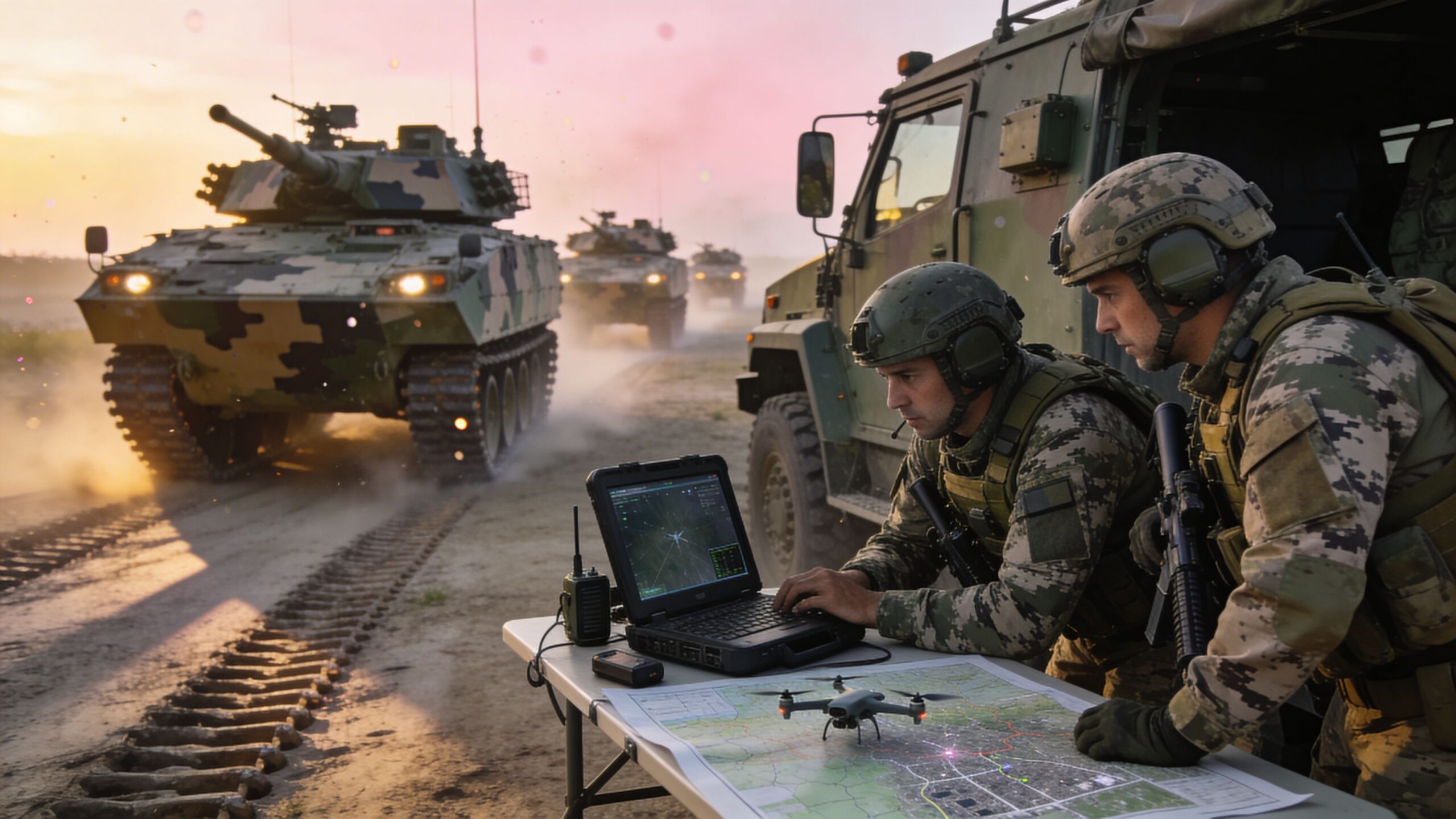
Tactics are the methods used to fight and win specific engagements, battles, and immediate combat situations. If strategy is about the overall path to victory, tactics are about how forces are employed in actual moments of conflict. Tactics answer a different set of questions. How should a unit attack this position? Where should armor be placed? When should an ambush be launched? How should artillery support the advance? Which formation gives the best advantage in this terrain? Tactics are closer to the battlefield. They are concerned with positioning, timing, movement, surprise, firepower, deception, cover, mobility, and immediate battlefield decision-making. Tactics translate plans into action at the point where forces meet resistance. A skilled tactical leader uses terrain, morale, weapons, and maneuver to create local advantage and exploit enemy weakness.
In modern warfare, tactics are not limited to infantry or armored maneuver alone. Air tactics, naval tactics, drone employment, cyber responses, and special operations all involve tactical thinking. Tactics have evolved with technology, but the essence remains the same. They are the practical decisions that shape what happens in direct engagements. A tactical success might involve taking a bridge, defeating an enemy battalion, securing a defensive line, or winning control of a critical section of airspace.
The Simplest Way to Separate the Two
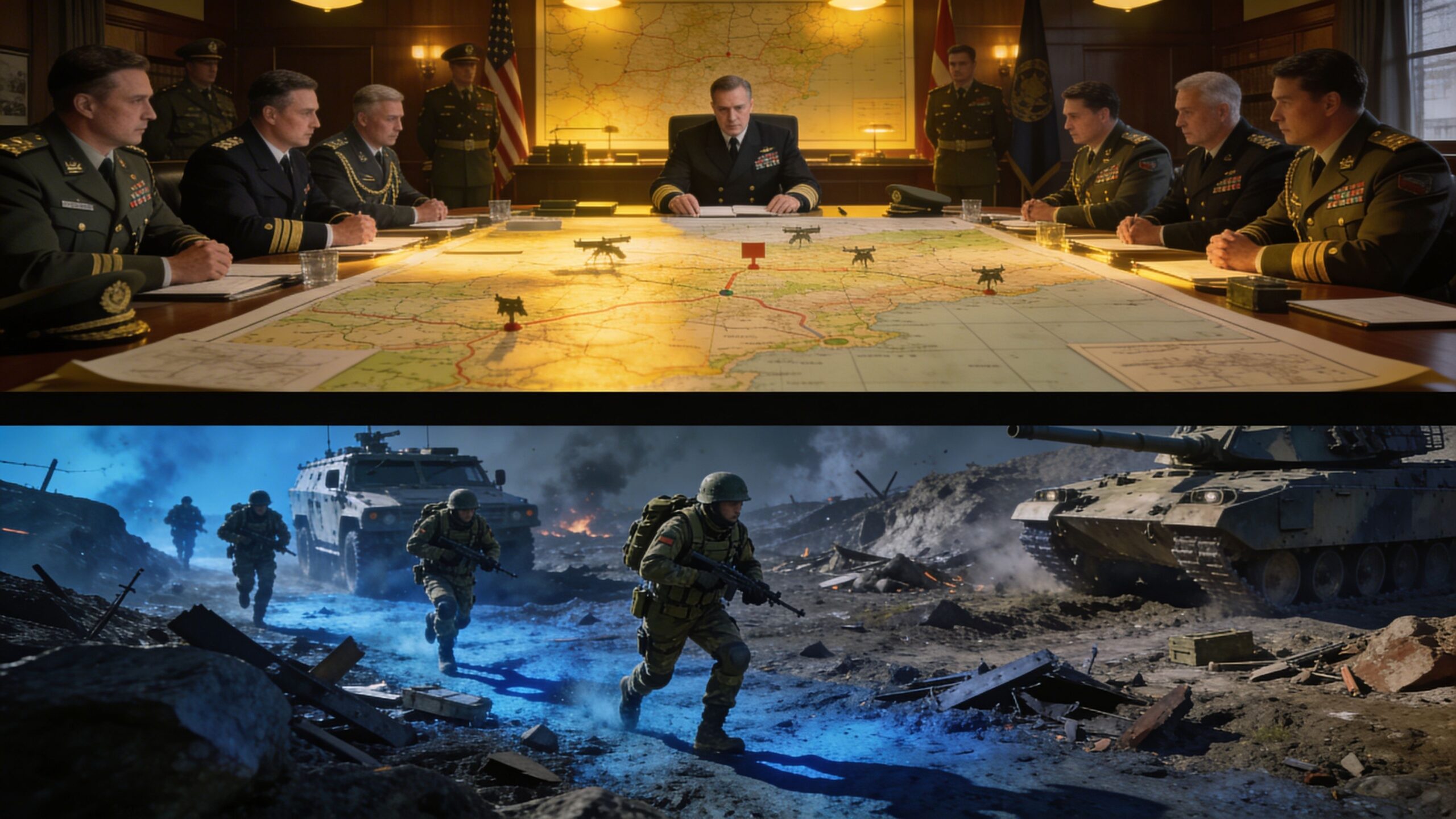
One of the clearest ways to understand the distinction is to think of strategy as the why and tactics as the how. Strategy determines why a military action matters within the larger war. Tactics determine how that action is actually carried out. Strategy chooses the destination. Tactics navigate the terrain between here and there.
Another useful distinction is scale. Strategy deals with the war or campaign as a whole. Tactics deal with immediate actions within that larger effort. Strategy might decide that a coastal region must be secured to preserve supply routes and maintain national defense. Tactics would determine how marines, naval firepower, and air support are used to capture a port or repel a landing.
Time horizon also matters. Strategy usually looks farther ahead. It considers weeks, months, or years. Tactics often unfold over minutes, hours, or days. A strategist might worry about whether prolonged fighting will weaken national endurance or shift alliance politics. A tactician worries about whether the left flank is exposed, whether a counterattack is coming, and whether ammunition will hold through the next engagement.
Why People Confuse Strategy and Tactics
The confusion between strategy and tactics happens because they overlap in practice. Military decisions do not occur in isolated boxes. Tactical actions can have strategic consequences, and strategic decisions shape tactical possibilities. A single battle may suddenly change the political course of a war. A national strategy may succeed or fail depending on how well units perform in individual engagements. Another reason for confusion is that the word strategy is often used casually to mean any plan at all. In everyday conversation, people call almost everything a strategy, from a meeting agenda to a personal routine. In warfare, however, the term has far more weight. It refers to the logic guiding major military and political action, not merely a useful idea in the moment.
Tactics are also sometimes undervalued because they appear smaller in scope. Yet without sound tactics, even the best grand design falls apart. Armies do not achieve strategic outcomes through theory alone. Someone still has to cross the river, secure the ridge, hold the road, defend the convoy, and survive the attack. Strategy and tactics are often confused because both are vital, and because neither can function well for long without the other.
Strategy Without Good Tactics Can Collapse Quickly
A war plan may look impressive at the strategic level and still fail in execution if tactical decisions are weak. History is full of campaigns where leaders understood the larger objective but could not convert that vision into battlefield success. Poor troop deployment, bad timing, weak coordination, underestimating terrain, or misreading the enemy can all ruin a strategically sound plan.
This is why professional militaries train relentlessly at the tactical level. Even when national strategy is clear, battlefield conditions are chaotic. Units face weather, confusion, fear, communication breakdowns, and enemy resistance. Tactical skill is what allows forces to maintain momentum under those conditions.
A strategy that depends on rapid breakthrough will fail if units cannot maneuver effectively. A strategy built around attrition will fail if forces cannot sustain pressure. A strategy designed to defend territory will fail if tactical leaders cannot hold key ground. In other words, strategy sets the direction, but tactics make the direction real.
Tactical Success Without Strategy Can Be Empty
The opposite problem is just as dangerous. A military can win impressive battles and still lose the war if those victories do not serve a coherent strategy. Tactical brilliance does not automatically produce strategic success. In fact, it can sometimes distract leaders into thinking the war is going well when the larger situation is deteriorating. A force may destroy enemy units in repeated engagements but still overextend supply lines, lose political support, exhaust manpower, or fail to achieve its actual objectives. Tactical victories matter most when they contribute to a larger design. If they do not, they may become expensive achievements with little lasting value.
This is one of the most sobering lessons in military history. Battlefield success can be emotionally powerful and visually dramatic, but war is not judged only by who won the moment. It is judged by who achieved the enduring result. That is why strategy remains indispensable. It ensures that tactical actions serve a meaningful purpose rather than becoming isolated displays of force.
The Bridge Between Them: Operational Art
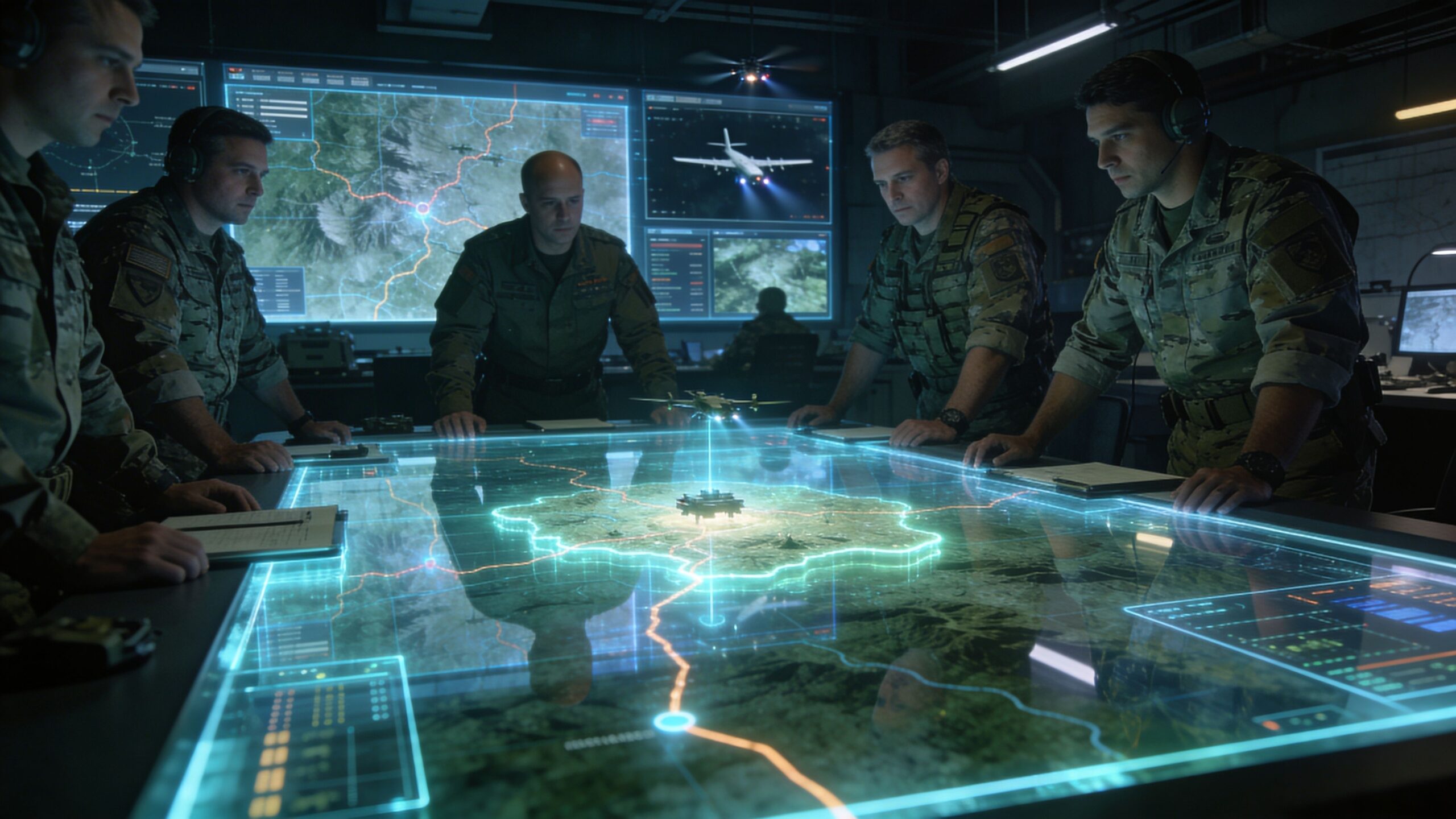
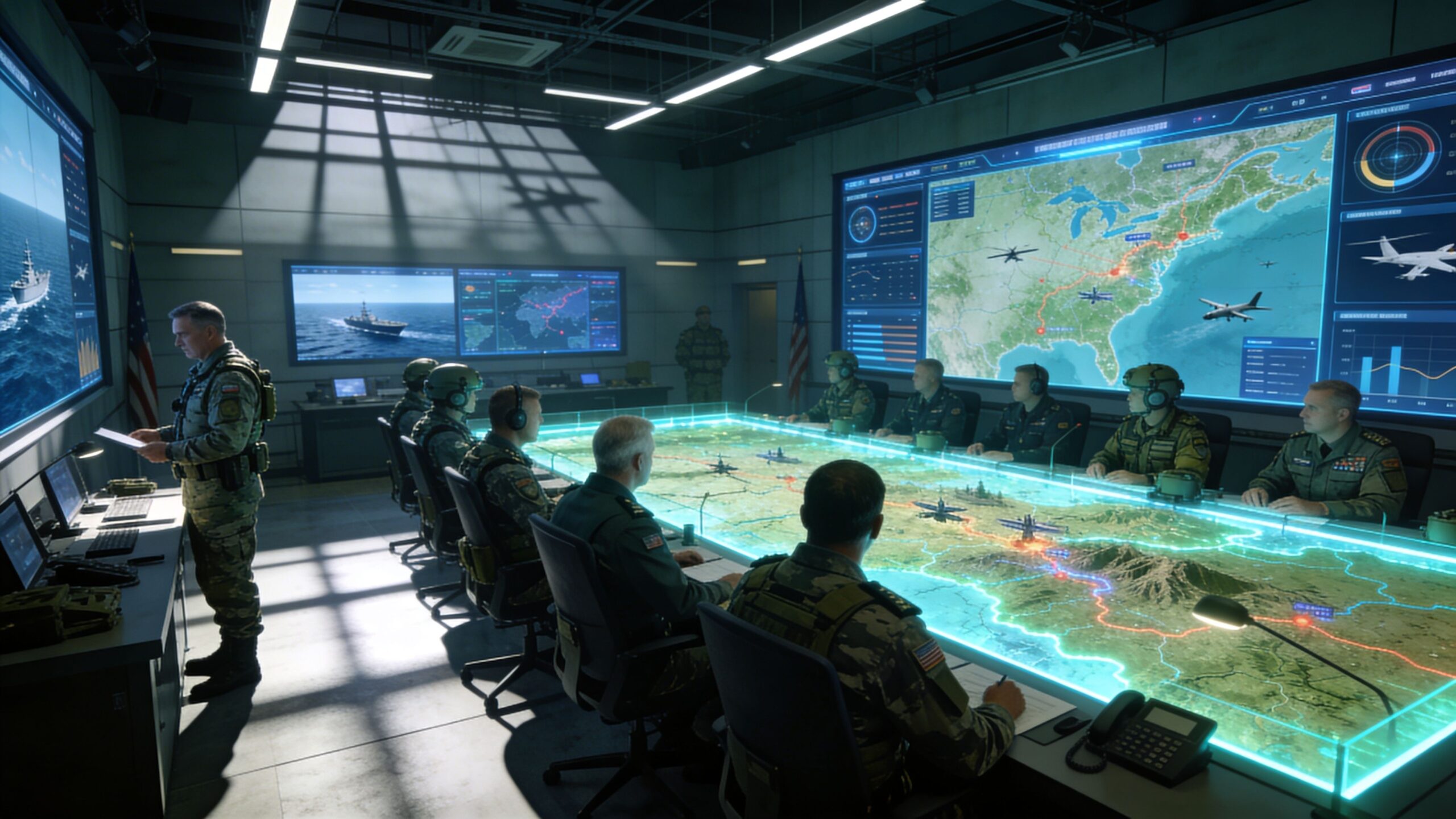
Between strategy and tactics lies a crucial concept often called operational art. This is the level where campaigns are designed and major actions are sequenced to connect battlefield success to strategic goals. Operational thinking translates strategy into a series of coordinated military efforts that tactics can then execute.
For example, a national strategy may require degrading an enemy’s ability to sustain a war. Operational planners might decide to isolate key transportation corridors, destroy logistics hubs, suppress air defenses, and seize major routes in phases. Tactical commanders would then carry out the specific actions required at each stage. This middle layer helps ensure that tactical efforts are not random and that strategic objectives are not too abstract to implement.
Operational art is especially important in modern warfare because large campaigns involve multiple services, alliances, domains, and timelines. It provides the structure that links national purpose to battlefield action. Without it, strategy can become too vague and tactics too disconnected.
How Modern Warfare Blurs the Line
Modern conflict has made the relationship between strategy and tactics even more complex. Precision strikes, cyber operations, drone warfare, and global media coverage can cause small actions to have immediate large-scale effects. A tactical drone strike may alter diplomatic negotiations. A cyber intrusion may disrupt national infrastructure. A local engagement captured on video may influence international opinion and political resolve.
Because of this, tactical decisions today are often made with greater awareness of strategic consequences. Leaders at lower levels may be briefed not only on immediate objectives but on the broader political and informational impact of their actions. A single mistake can escalate tensions, damage alliances, or undermine public trust. That means tactical leadership now carries strategic weight in ways earlier generations may not have experienced so directly. At the same time, modern strategy must account for the speed and reach of tactical events. A campaign cannot be designed as if battlefield actions remain isolated. They move through information networks, political systems, and public perception almost instantly. This does not erase the difference between strategy and tactics, but it does make their interaction faster and more intense.
Examples That Make the Difference Clear
Imagine a military preparing to defend an allied nation from invasion. The strategy may be to prevent the aggressor from gaining control of key coastal access points, maintain alliance unity, and impose enough cost to deter further expansion. That is the larger design and political-military purpose.
Within that framework, tactics would include how defensive units are positioned, how air patrols are flown, where anti-ship missiles are hidden, how engineers prepare obstacles, and how commanders respond to an enemy assault at a specific landing zone. Those are battlefield methods, not the overall purpose of the war.
Or consider an offensive campaign. The strategy might be to isolate a region, destroy the enemy’s ability to resupply, and force political concessions. Tactics would involve how bridges are taken, how artillery supports maneuver, how special forces identify targets, and how individual units exploit local weaknesses. The strategic idea provides the destination. Tactical choices shape the route through the fight itself.
Leadership, Discipline, and the Right Questions
One of the most important qualities of military leadership is knowing which level of thinking a situation requires. Leaders who treat strategic problems as if they are merely tactical often focus too narrowly on battlefield action and miss the wider consequences. Leaders who treat tactical problems as if they are purely strategic may become too distant, too abstract, or too slow to respond to immediate danger.
Good leaders ask the right questions at the right level. Strategists ask what outcome matters most and how national power should be used to reach it. Tactical leaders ask what must happen here, now, with the forces available, to gain advantage over the enemy. Both perspectives require discipline, but they are not interchangeable. The best military organizations educate leaders to think across levels without confusing them. They understand that a captain, colonel, or general may all need to appreciate the broader context, yet each must still excel at the decisions proper to their role. Clear thinking about strategy and tactics improves planning, communication, and battlefield effectiveness.
Why Both Are Essential to Victory
No military can succeed for long with strategy alone or tactics alone. Strategy without tactics remains a theory. Tactics without strategy become disconnected actions that may impress but fail to achieve a lasting result. Real success in warfare requires both. The larger design must be sound, and the execution on the ground must be sharp, disciplined, and adaptable.
This is why the greatest military campaigns are usually remembered not just for battlefield brilliance, but for the harmony between strategic purpose and tactical effectiveness. Leaders knew what they were trying to achieve, and their forces knew how to fight in ways that served that aim. When those two levels align, military power becomes far more than movement and fire. It becomes coherent.
In modern conflict, where war unfolds across physical and digital arenas at extraordinary speed, that alignment is more important than ever. Strategic clarity helps militaries avoid waste, overreach, and confusion. Tactical excellence allows them to seize the opportunities that strategy creates. One gives meaning. The other gives effect.
The Real Lesson Behind the Distinction
The difference between strategy and tactics is not just an academic detail. It is one of the central truths of warfare. Strategy shapes the war that must be won. Tactics shape the battles that must be fought. One decides the broader path. The other handles the immediate clash. Understanding this distinction helps explain why some armies achieve stunning battlefield victories and still fail, while others endure setbacks yet eventually prevail. It reveals why leadership must think at multiple levels, why campaigns need more than aggression, and why military power is only as effective as the logic guiding it.
In the end, strategy and tactics are not rivals. They are partners. Strategy gives warfare direction, and tactics give it motion. Together, they determine whether military action becomes meaningful success or expensive confusion. That is why anyone seeking to understand war, from ancient campaigns to modern military operations, must understand where strategy ends, where tactics begin, and how the two work together to shape the outcome.