Why Strategy Matters Before the First Shot
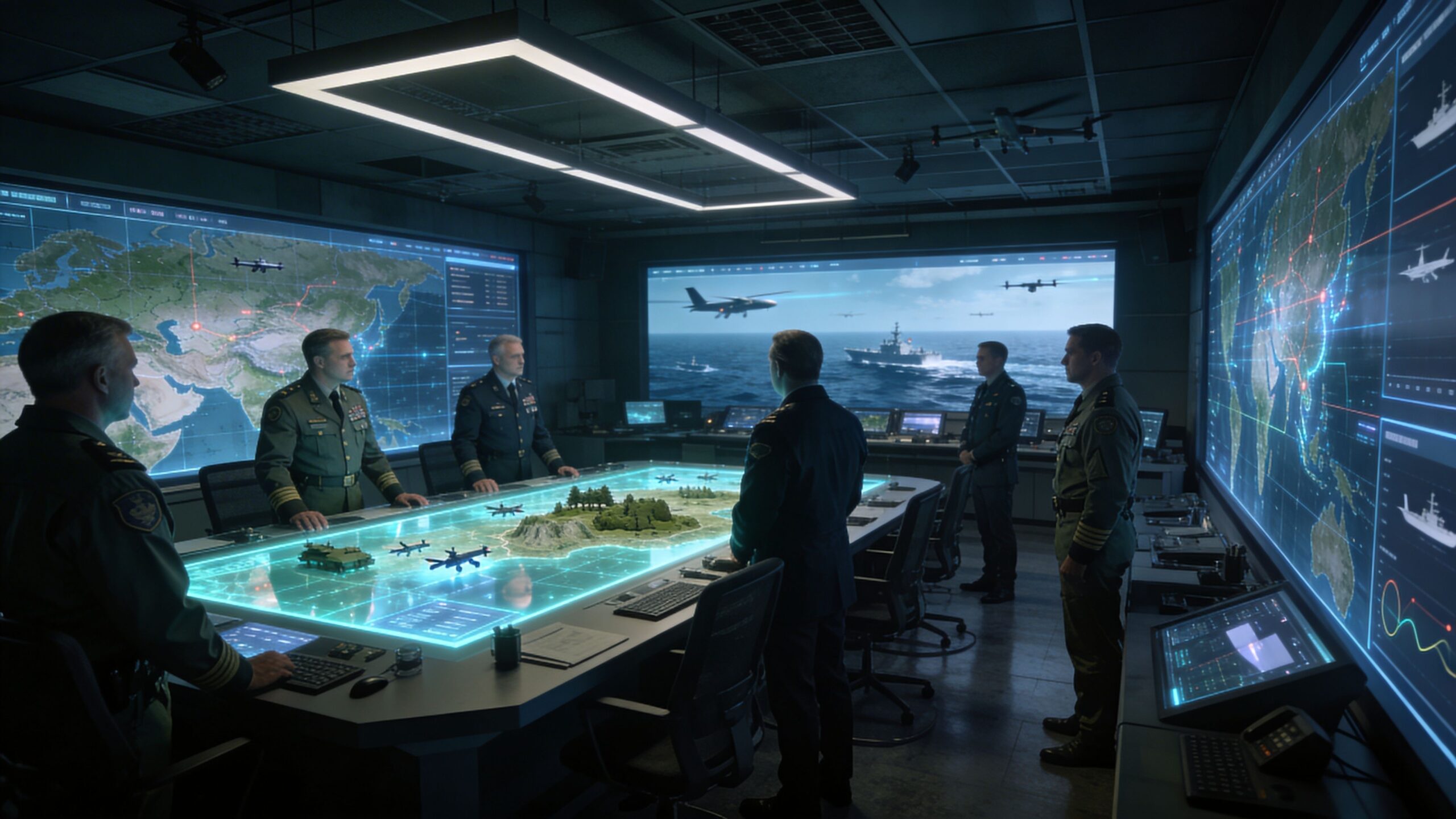
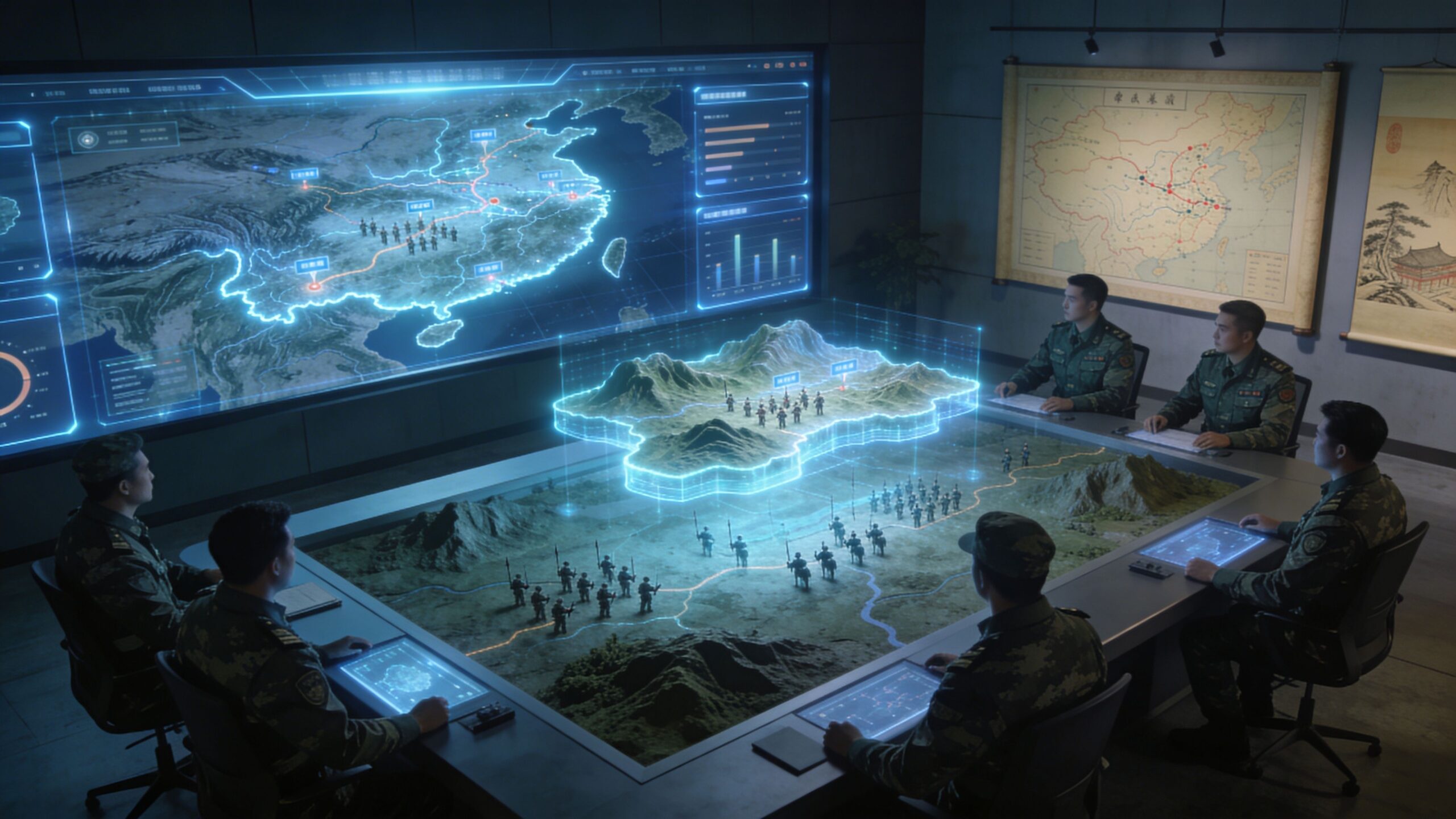
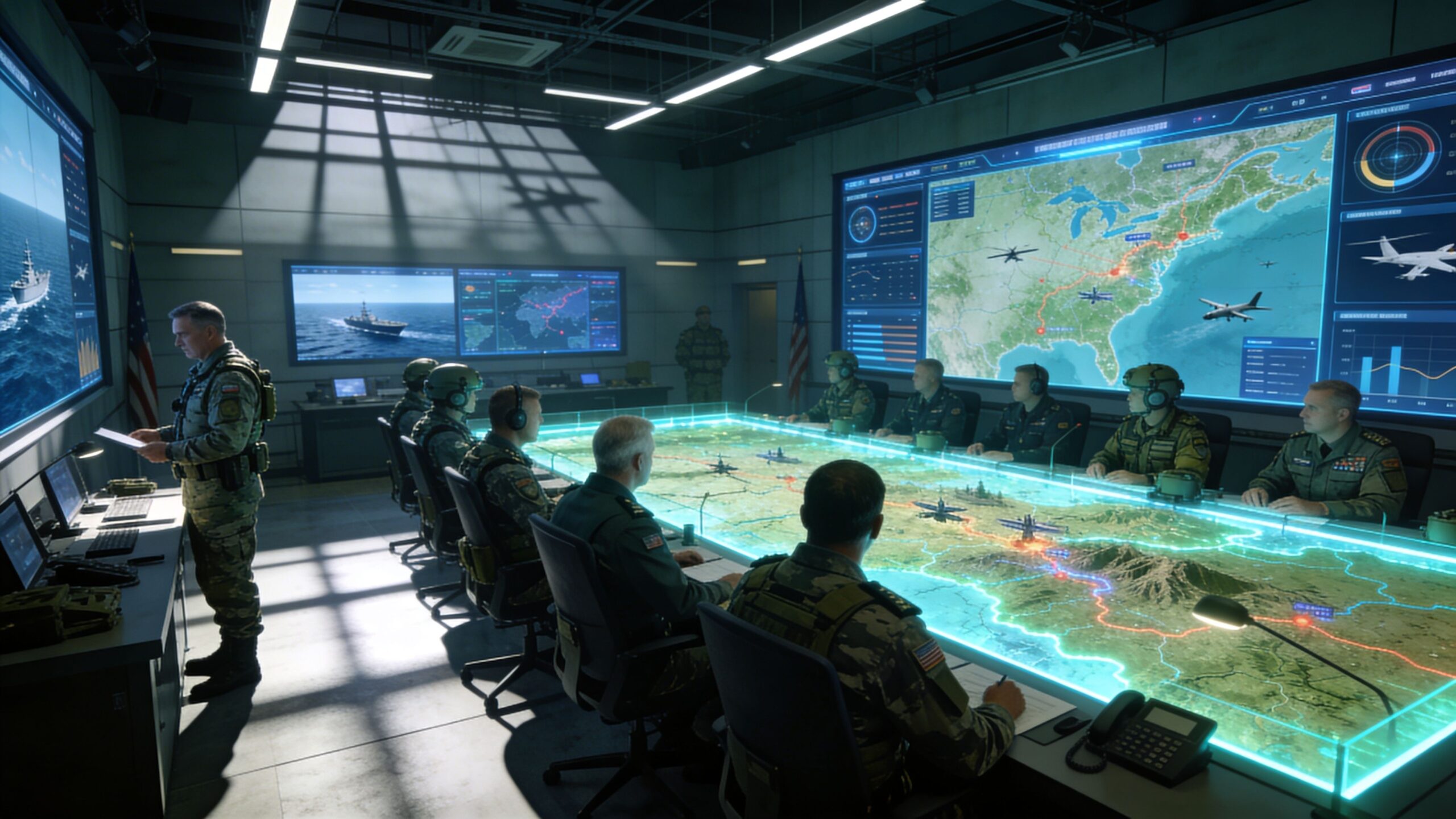
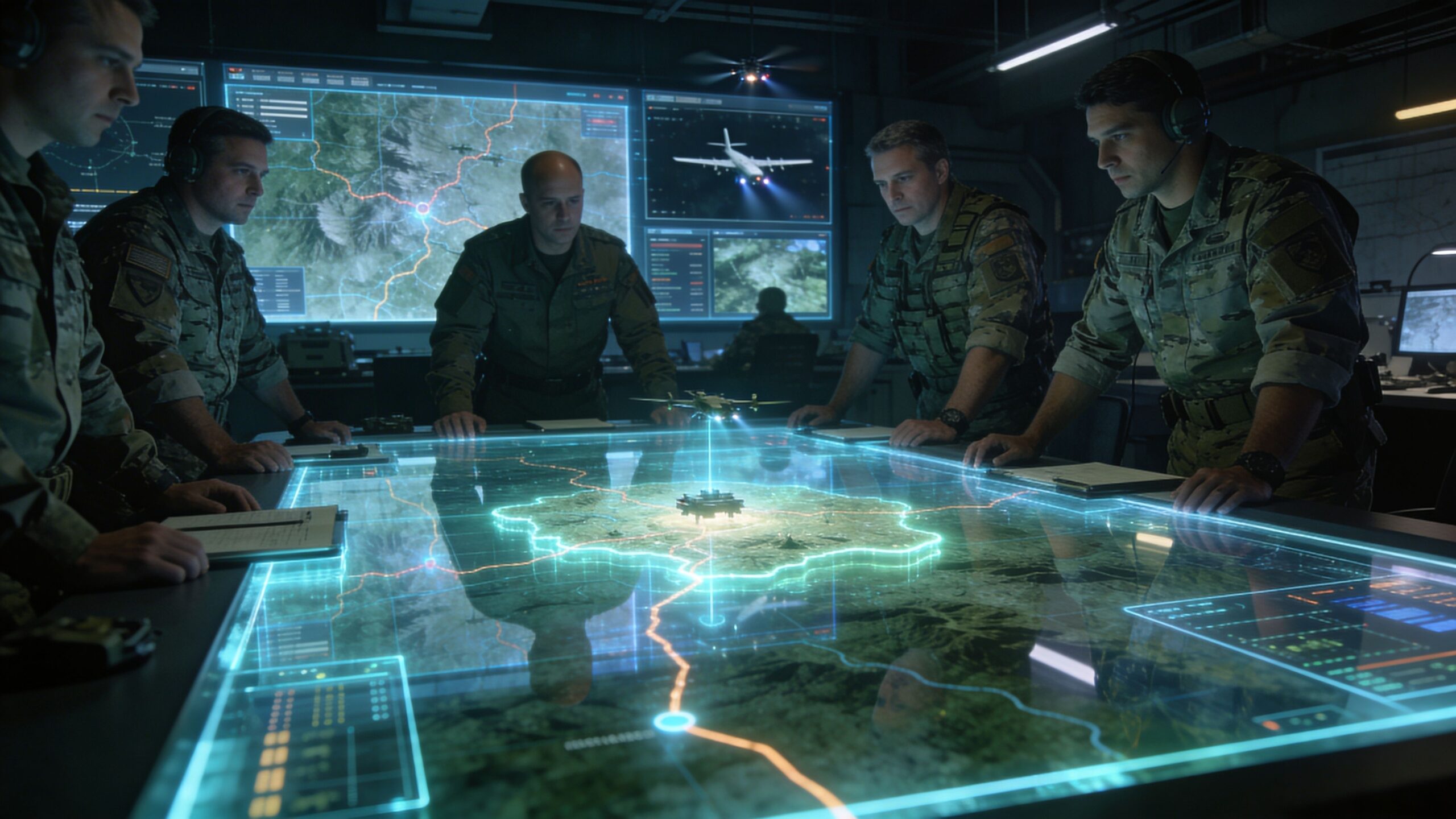
Military victory is often imagined as a matter of courage, powerful weapons, or superior numbers. Those things matter, but they are rarely enough on their own. Behind every successful campaign lies something less dramatic but far more decisive: strategy. Strategy is the framework that gives military action purpose, direction, and logic. It connects what a nation wants to achieve with what its armed forces must actually do to achieve it. Without strategy, even strong armies can waste their power, chase the wrong objectives, or win battles that do little to change the outcome of a war. This is what makes military strategy so fascinating. It operates before the battlefield erupts, while decisions are still being made in planning rooms, command centers, intelligence cells, and political meetings. Armies do not simply move at random and hope for success. They study threats, define goals, assess resources, analyze terrain, predict enemy behavior, and decide how force should be applied. The larger the conflict, the more demanding and complex the strategy becomes. At its core, military strategy is about turning uncertainty into advantage. War is filled with incomplete information, friction, fear, and rapidly changing conditions. Strategy does not eliminate those problems, but it helps armies prepare for them. It gives commanders a way to think clearly in dangerous circumstances and helps entire military organizations move toward a shared objective. In that sense, strategy is not just part of war. It is the structure that makes organized war possible.
A: It is the overall plan for using military power to achieve political and military objectives.
A: Strategy gives direction, sets priorities, and helps turn combat into meaningful results.
A: No, strategy shapes the larger campaign while tactics guide specific battles and engagements.
A: Logistics keeps forces supplied, mobile, repaired, and ready to continue fighting.
A: It helps armies understand the enemy, the environment, and the right timing for action.
A: It is the process of turning strategic goals into a phased and coordinated campaign.
A: Yes, powerful forces can waste their strength if their goals and planning are unclear.
A: Because real battlefields change quickly, and rigid plans often break under pressure.
A: Yes, modern strategy often integrates land, sea, air, cyber, and space capabilities.
A: Clear goals, good intelligence, strong logistics, disciplined leadership, and the ability to adapt.
Defining Victory Before Planning Begins
Every sound military strategy begins with a simple but difficult question: what does victory actually mean? This is one of the most important questions in warfare because armies can only plan effectively when they understand the outcome they are trying to create. Victory may mean defending territory, destroying enemy combat power, protecting an ally, deterring aggression, retaking lost ground, or forcing an opponent into a political settlement. Each of those goals requires a very different kind of campaign.
This early stage matters because vague goals produce weak strategies. If leaders cannot clearly define what success looks like, military effort becomes scattered. Units may fight hard and achieve local successes, but those actions can lose value if they are not tied to a larger purpose. Armies need clarity not just on what to do, but on why it matters. That clarity shapes priorities, force allocation, timing, and risk.
Modern militaries spend a great deal of time translating national goals into military objectives that can be planned and executed. Political leaders may state broad aims, but commanders need those aims turned into operational realities. The more clearly victory is defined, the easier it becomes to organize intelligence, logistics, maneuver, and firepower around a meaningful end state.
Knowing the Enemy and Understanding the Environment
No strategy can succeed without understanding the enemy. This is one of the oldest truths in military thought, and it remains as relevant now as it was in ancient warfare. Armies must study enemy strength, leadership, doctrine, morale, logistics, geography, timing, and likely intent. They also need to understand the battlefield itself, including terrain, infrastructure, weather, civilian populations, and potential chokepoints.
This process is about much more than counting troops or equipment. A smaller enemy may still be dangerous if it is highly mobile, well-led, entrenched, or supported by favorable terrain. A larger enemy may be vulnerable if its command structure is rigid, its logistics are fragile, or its morale is weak. Strategy depends on seeing the conflict as it really is rather than as planners wish it to be. Modern intelligence systems make this process more sophisticated than ever. Satellites, drones, surveillance aircraft, cyber monitoring, and communications interception all help armies build a clearer picture of the environment. Yet the core challenge remains the same: turning information into understanding. The best strategies are built not only on data, but on judgment about what the data means.
The Central Role of Objectives
Once the environment is understood, armies organize strategy around objectives. Objectives are the specific military goals that serve the larger purpose of the campaign. They might include controlling a bridge network, securing a coastline, neutralizing air defenses, holding a defensive line, or isolating an enemy formation. Good objectives are not random. They are selected because achieving them moves the wider mission forward.
This is where strategy begins to take shape in concrete terms. Rather than thinking about victory as an abstract idea, commanders start identifying the places, capabilities, and decisions that matter most. Which terrain must be held? Which systems must be destroyed? Which routes must remain open? Which enemy actions must be prevented? Objectives provide answers that can be acted on.
Strong strategy depends on choosing objectives wisely. If they are too broad, forces may become overstretched. If they are too narrow, the campaign may lose momentum or fail to affect the wider conflict. Effective armies balance ambition with realism. They select objectives that are achievable, strategically relevant, and worth the resources required to pursue them.
The Relationship Between Strategy and Tactics
One of the most important fundamentals of military strategy is understanding that strategy is not the same thing as tactics. Strategy concerns the overall plan for achieving victory. Tactics concern the methods used in specific battles and engagements. Strategy decides where the war is going. Tactics decide how a force will fight at a particular moment. Both are vital, but they operate at different levels. This distinction matters because armies can win tactically and still fail strategically. A force may take ground, destroy enemy units, or dominate in individual battles, yet still fail to achieve the larger purpose of the war. On the other hand, a brilliant strategy can collapse if tactical execution is poor. Commanders may understand the bigger picture perfectly and still lose if units cannot maneuver, communicate, or fight effectively under pressure.
The most successful armies align tactics with strategy. They ensure that battlefield actions contribute directly to the larger design. This alignment turns separate engagements into a coherent campaign. Without it, military action becomes fragmented and often wasteful, no matter how intense or impressive it appears in the moment.
Operational Planning: Turning Ideas Into Action
Between strategy and tactics sits the realm of operational planning. This is where broad goals are translated into campaign design. Operational planning determines the sequence of action, the timing of movement, the concentration of force, the relationship between different units, and the order in which objectives should be approached. It is one of the most demanding parts of military planning because it must connect abstract goals to real-world execution.
Armies use operational planning to decide how the campaign will unfold over time. Will the enemy be fixed in place and then outflanked? Will the campaign begin with air strikes, deception, and cyber disruption before ground action starts? Will one region be defended while another becomes the main offensive axis? These are strategic questions made practical through operational design.
Good operational planning also assumes that the battlefield will not behave exactly as predicted. The best armies build branches, alternatives, and contingencies into their plans. They know that weather changes, enemy resistance adapts, communications fail, and unexpected opportunities appear. Strategy sets the direction, but operational planning helps armies move through uncertainty with structure and purpose.
The Importance of Logistics
No army can achieve victory without logistics. This is one of the least glamorous truths in military strategy, but it is among the most important. Logistics includes the movement and sustainment of troops, fuel, food, ammunition, medical support, spare parts, engineering materials, and transportation capacity. It is the system that allows armies to keep fighting after the first movement begins.
History repeatedly shows that campaigns fail when logistics are ignored. A force may be brave, aggressive, and tactically skilled, yet it cannot maintain momentum if fuel runs dry, if supply lines are cut, or if equipment cannot be repaired. Large operations require extraordinary amounts of coordination behind the scenes. Roads, airfields, depots, ports, bridges, and transport fleets become just as important as frontline maneuver in many campaigns. Modern militaries treat logistics as part of strategy from the beginning, not as an afterthought. Commanders know that operational reach depends on supply. Ambition must be matched by sustainment. In practical terms, an army is only as strong as its ability to move, communicate, and replenish itself over time.
Intelligence and Decision-Making
Another fundamental of military strategy is the ability to make decisions faster and more accurately than the enemy. This requires intelligence, but it also requires command systems capable of turning intelligence into action. Armies gather information constantly, but information alone is not enough. Leaders must interpret it, determine what matters, and decide what to do next.
This decision cycle is one of the most competitive parts of warfare. The army that sees clearly, understands quickly, and acts decisively often gains the initiative. It can impose confusion on the enemy and shape events before the opponent fully reacts. This principle lies behind many of the most effective modern doctrines, from maneuver warfare to advanced command-and-control systems.
Yet decision-making in war is never easy. Leaders often work with incomplete information and severe time pressure. That is why professional militaries invest so heavily in training, doctrine, and rehearsals. They want commanders who can think under pressure, recognize patterns, and make difficult choices without waiting for perfect certainty.
Leadership and Command
Even the strongest strategy depends on leadership. Armies are not machines. They are human organizations shaped by trust, discipline, communication, and morale. Commanders must not only understand the plan, but inspire confidence in it, adapt it when needed, and keep their forces aligned with it during moments of confusion and danger. Military leadership works at every level. Senior leaders define goals and allocate resources, while lower-level commanders make immediate choices that affect the campaign’s momentum. In modern warfare, good leadership often means balancing central control with local initiative. Higher headquarters provide intent and direction, but units in the field must often adapt faster than any distant commander can micromanage.
This is why command structure matters so much in military strategy. Armies need clear authority, reliable communication, and leaders who understand both the mission and the realities on the ground. When command becomes confused, slow, or overly rigid, even a strong strategy can unravel. When leadership is clear and resilient, armies can absorb setbacks and keep moving toward victory.
Deception, Surprise, and Initiative
A core principle of military strategy is that it is better to fight on favorable terms than to simply fight hard. This is where deception and surprise enter the picture. Armies try to hide their true intentions, disguise their movements, manipulate enemy expectations, and strike where the enemy is not prepared. Surprise can create results far greater than the size of the force involved.
Deception is powerful because it disrupts enemy planning. If an opponent is focused on the wrong location, timing, or objective, their whole defensive posture may become weaker. Surprise can break morale, fracture command systems, and open paths that might otherwise remain heavily defended. In many campaigns, the side that controls perception gains a major strategic advantage before major combat even begins.
Modern militaries use many tools to create surprise, including operational secrecy, false signals, electronic deception, cyber disruption, and carefully timed maneuver. The principle itself is timeless. Armies do not seek victory through strength alone. They seek it through advantage, and surprise is one of the clearest forms of advantage available in war.
Adaptation and Flexibility
No plan survives unchanged. This is another fundamental truth that every strategist must accept. War is dynamic. The enemy reacts, terrain complicates movement, equipment fails, intelligence proves incomplete, and political conditions shift. Because of this, military strategy must be strong enough to provide direction and flexible enough to survive contact with reality.
Adaptation is not a sign of weak planning. It is evidence of strategic maturity. The best armies do not cling rigidly to outdated assumptions. They recognize when conditions have changed and adjust while keeping their larger objective intact. This requires leaders who are comfortable with uncertainty and organizations that can respond without collapsing into confusion. Flexibility is especially important in modern multi-domain warfare, where land, sea, air, cyber, and information operations interact constantly. A change in one domain can instantly affect another. Armies that adapt quickly preserve initiative and keep pressure on the enemy. Armies that cannot adapt often become predictable, slow, and vulnerable.
Coordination Across Multiple Domains
Modern military strategy is no longer confined to land campaigns alone. Today’s armies operate alongside air forces, navies, cyber units, space-based assets, intelligence organizations, and often coalition partners. Strategy must connect all of these parts into a unified effort. The battlefield has expanded, and so has the complexity of planning for victory.
This makes coordination one of the central fundamentals of modern strategy. Air operations may shape the ground campaign. Naval forces may secure supply routes. Cyber units may disrupt communications or defend critical systems. Satellites may provide navigation and surveillance. None of these elements exist in isolation. Their value comes from how well they support one another.
For strategists, this means victory depends not only on strength, but on integration. The better an army and its partners can synchronize intelligence, movement, sustainment, communications, and combat effects, the more coherent and dangerous the force becomes. In large-scale operations, coordination is often what turns multiple capabilities into actual strategic power.
Morale, Endurance, and the Human Factor
Technology matters, but armies are still made of people. One of the most enduring fundamentals of military strategy is the human factor. Morale, confidence, discipline, fatigue, fear, and leadership all shape what forces can actually do when campaigns grow difficult. An army with excellent equipment but weak morale can break under stress. An army with resilience and strong leadership can endure hardship and continue fighting effectively even under extreme pressure.
Strategists must think about human endurance from the beginning. How long can troops sustain operations? How does the force recover from casualties or setbacks? How does leadership maintain trust and discipline? How does the army preserve confidence when the campaign becomes dangerous or uncertain? These questions matter just as much as hardware or maps. The human factor also applies to the enemy. Armies do not merely destroy equipment. They try to disrupt morale, isolate leadership, create uncertainty, and weaken the will to resist. Strategy is therefore not only a contest of capabilities, but a contest of endurance and psychological pressure.
Measuring Success and Adjusting the Campaign
A good military strategy includes a way to measure whether the campaign is actually working. This sounds obvious, but in war it can be surprisingly difficult. Tactical victories may not mean strategic progress. Territory gained may not matter if the enemy’s main strength remains intact. Impressive strikes may do little if they fail to change the enemy’s ability or willingness to continue fighting.
This is why strategists constantly assess results. Are objectives being achieved? Is the enemy adapting in unexpected ways? Are logistics keeping pace? Is the force overextended? Is political support holding? These assessments help commanders decide whether the current approach should continue, intensify, or change.
Victory is rarely a straight line. Campaigns evolve. Measuring success honestly allows armies to learn in real time rather than continuing down an ineffective path out of pride or inertia. Strong strategy is not only about choosing a plan. It is about knowing when the plan needs to change.
How Armies Truly Plan for Victory
When all of these fundamentals come together, military strategy becomes more than abstract theory. It becomes a disciplined way of thinking about power, purpose, and uncertainty. Armies plan for victory by defining clear goals, understanding the enemy, selecting meaningful objectives, designing coherent campaigns, sustaining force through logistics, empowering leadership, integrating multiple domains, and adapting as reality changes.
Victory rarely comes from one dramatic moment alone. More often, it emerges from countless linked decisions made before and during the campaign. A strong strategy aligns those decisions. It turns separate actions into a coherent whole and allows an army to pursue success with clarity and discipline rather than chaos. That is why the fundamentals of military strategy still matter so deeply. Technology has changed the character of war, but not the need for purpose, planning, intelligence, coordination, and adaptability. Armies that understand these fundamentals do not guarantee victory, but they give themselves the best possible chance to achieve it. In the end, that is what strategy is really about: building the conditions for success before the outcome is known.