Two Legendary Forces, One Nation They Protect
Across the globe, few military branches inspire as much respect—and curiosity—as the U.S. Army and the U.S. Marine Corps. Both defend the nation with unparalleled professionalism, courage, and capability, yet each force is shaped by its own mission, identity, and way of fighting. Civilians often use these two branches interchangeably, imagining both as ground combat units that simply deploy wherever the nation needs them. But beneath the surface lies a world of distinctions: differences in culture, deployment style, training intensity, weapons, philosophy, and the very purpose each branch serves. Understanding those differences isn’t just about knowing which force operates tanks or storm beaches. It’s about understanding how America projects power, responds to crises, and sustains campaigns in an increasingly complex world. The Army and Marines are partners, complements, and sometimes rivals—but always essential pieces of the nation’s strategic machine. This article pulls back the curtain on what truly separates these two elite forces. No jargon, no recruiting pitch—just a clear, engaging breakdown designed for civilians who want to know how the Army and Marines compare in the real world.
A: Neither—each is built for different missions and they complement each other in modern warfare.
A: Marines are often positioned as first responders, but Army quick-reaction forces can also deploy rapidly.
A: No, but every Marine is trained as a rifleman, even if they work in aviation, logistics, or intelligence.
A: The Army is primarily a land force, but it works closely with the Navy and Air Force for joint operations.
A: The Marine Corps specializes in amphibious operations, supported by the Navy.
A: The Army, due to its larger size and wider mission set, offers more distinct job specialties.
A: Yes, they routinely conduct joint exercises to prepare for combined operations.
A: Marine Security Guards provide dedicated embassy protection; Army units may support regional security.
A: Marine boot camp is known for its intensity, but elite Army units have very demanding selection and training too.
A: Yes, prior-service members can transfer between branches under certain conditions and needs.
The Core Mission: Land Dominance vs. Rapid Crisis Response
The first—and most important—difference lies in their primary missions. While both forces fight on land, their strategic roles diverge dramatically.
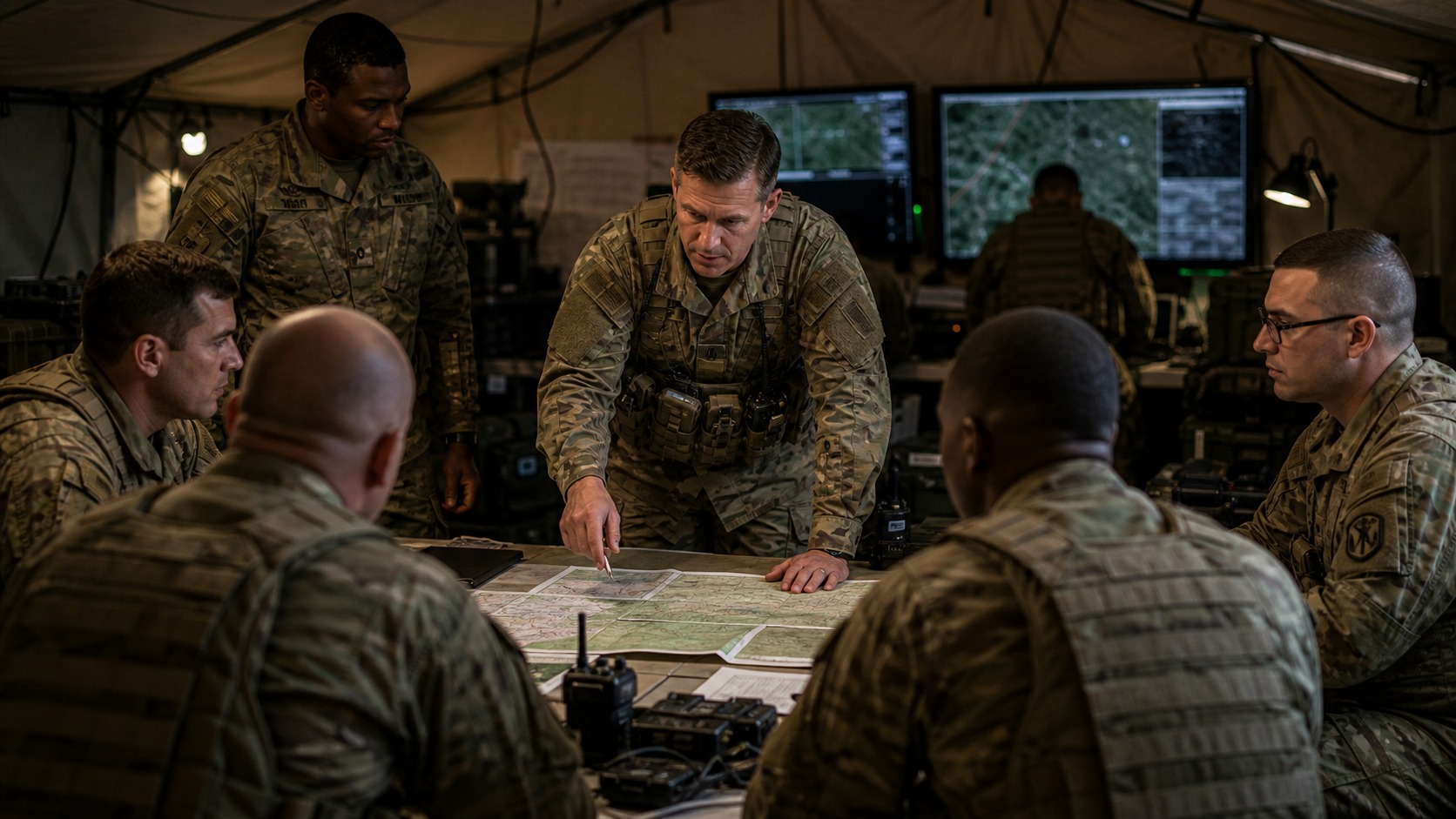
The U.S. Army is the nation’s largest military branch and the world’s most powerful land-fighting force. Its mission centers on winning long-term ground campaigns, holding territory, stabilizing regions, and sustaining combat power over months or years. The Army is the backbone of major U.S. military operations, offering scale, logistics, heavy armor, artillery, and personnel depth.
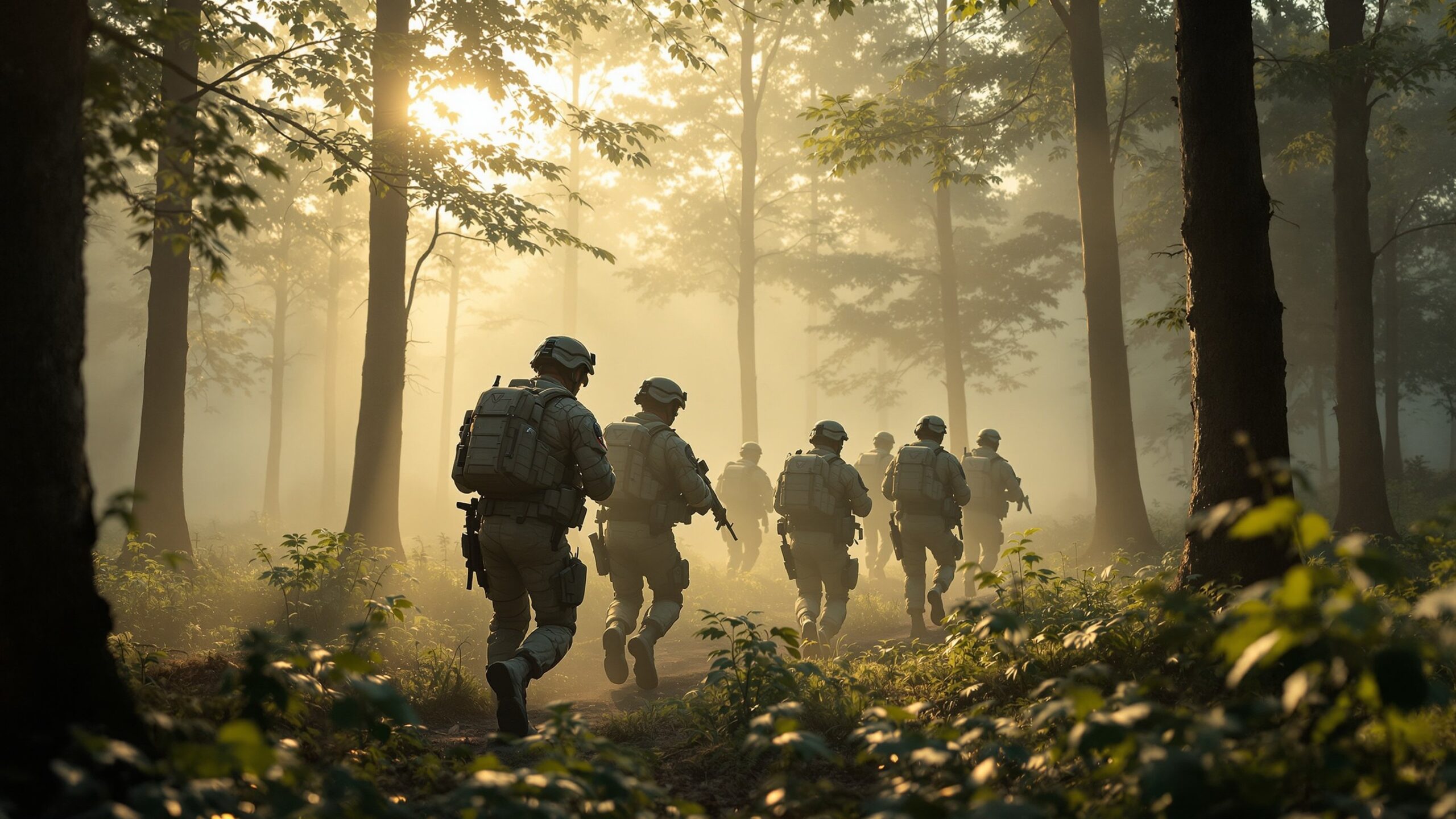
The U.S. Marine Corps, by contrast, is America’s “force in readiness.” Marines are designed to deploy rapidly, hit hard, and secure objectives quickly—especially in coastal, amphibious, or expeditionary environments. Their mission emphasizes crisis response, beach landings, small-unit raids, embassy security, and fast deployment anywhere on Earth.
In simple terms:
The Army is the long-campaign warfighter.
The Marines are the first-in, first-to-fight strike force.
Both are essential—but their strategic DNA is fundamentally different.
Branch Identity and Culture: Tradition vs. Intensity
If missions shape the force, culture shapes the warrior. Nowhere is the difference between the Army and Marines more visible—or more fiercely protected.
The Army’s culture is built on size, specialization, and professionalism across hundreds of careers. Soldiers identify strongly with their units—infantry, cavalry, airborne, armor, engineers—but also with the Army’s long history of global campaigns. Tradition is essential, but the culture is vast and varied, matching the branch’s enormous scope.
The Marine Corps culture, on the other hand, is famously intense, unified, and built around the identity of being a Marine first, specialty second. Every Marine—infantry or not—is trained as a rifleman. Every Marine shares the same basic ethos: discipline, aggression, adaptability, and an unbreakable warrior spirit. The branch prides itself on toughness and expects high performance from every Marine regardless of role.
Marines often describe themselves as a tribe. Soldiers see themselves as part of a massive, powerful military institution. Both views are accurate—and both form the backbone of each branch’s strength.
Training: Who Trains Harder? The Truth Behind the Myth
Civilian conversations often revolve around a simple question: “Who trains harder, Soldiers or Marines?” The real answer is more nuanced.
Marine Corps boot camp is widely considered the most physically and mentally intense initial training among the conventional U.S. military branches. Lasting 13 weeks, it focuses heavily on discipline, marksmanship, martial arts, resiliency, and the transformation from civilian to Marine. The Crucible—its legendary final test—cements the Corps’ identity.
Army Basic Combat Training (BCT) is shorter at 10 weeks, though advanced infantry units like the 75th Ranger Regiment or airborne infantry undergo significantly tougher training afterward. Army training varies widely depending on job and career path—from infantry to cyber operations to medical roles.
The comparison isn’t apples to apples:
Marines train every recruit as a combat-capable fighter.
The Army trains recruits for a vast range of roles, some combat-focused, others highly technical.
When comparing the Army infantry to Marine infantry, the training intensity narrows—but the Marines maintain a reputation for pushing every recruit through exceptionally rigorous standards.
Organization and Size: A Giant vs. a Precision Tool
Another major distinction lies in scale.
The Army is enormous, with over a million active, reserve, and Guard soldiers combined. It operates large divisions, corps, and global commands dedicated to sustained warfare, cyber operations, special operations, aviation, logistics, engineering, and more.
The Marine Corps is far smaller—closer in size to the New York City Police Department than the Army. But that smaller footprint gives the Marines speed, agility, and lean operational efficiency.
The metaphor fits perfectly:
The Army is a heavyweight champion—built for extended, large-scale fights.
The Marines are a special-operations-style sprinter—designed for quick, sharp, decisive missions.
Neither approach is “better.” They are designed to complement each other.
Deployment Style: How They Fight on the Global Stage
When a crisis erupts, the Marines often arrive first. Their units are pre-positioned around the world on Navy ships, ready for amphibious assaults, evacuations, or small-scale raids. Marine Expeditionary Units (MEUs) are essentially floating emergency-response armies.
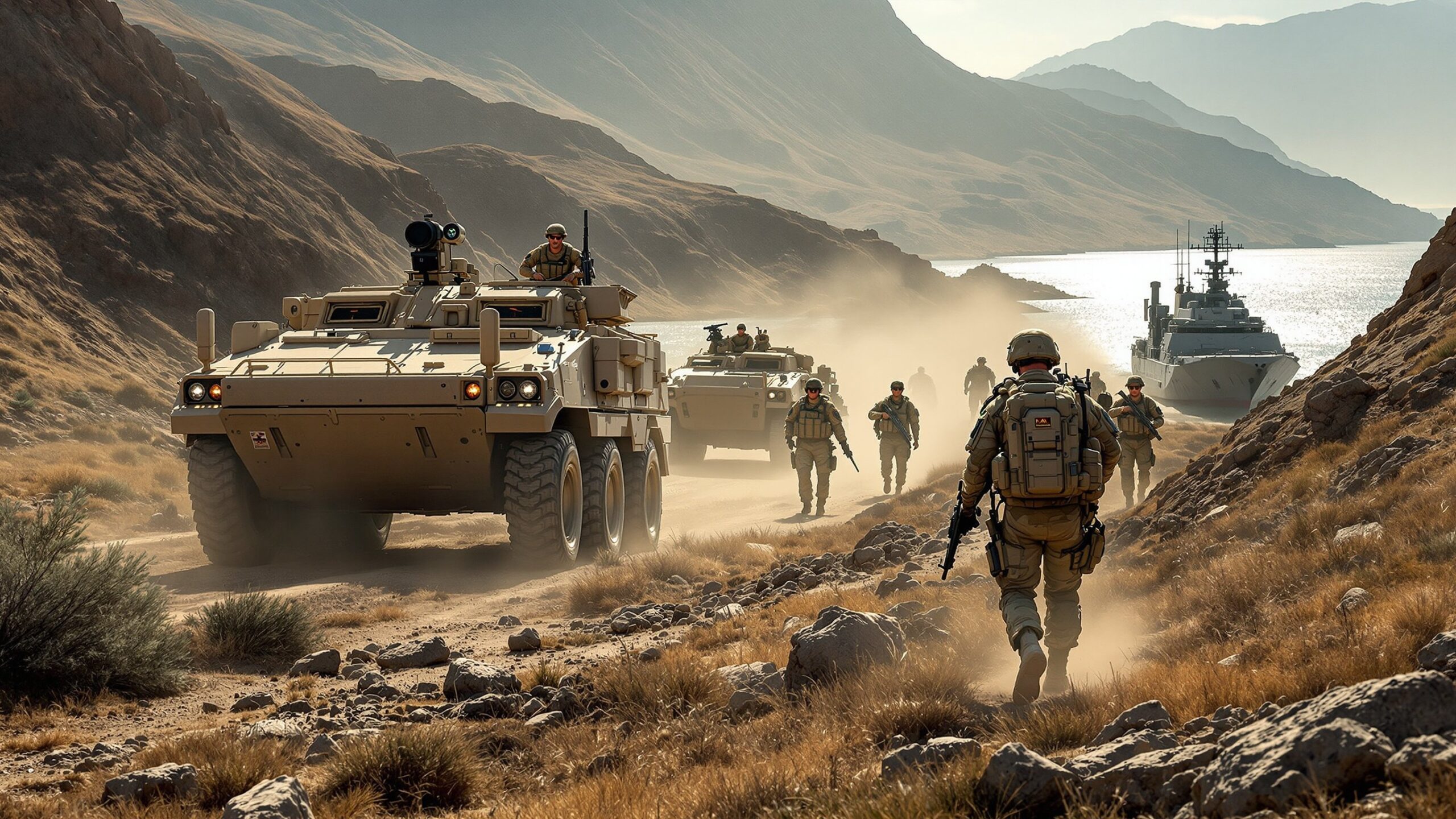
The Army, however, deploys with overwhelming power—armored brigades, aviation battalions, engineering battalions, artillery divisions, and support elements. Army deployments build up slowly but create long-term, sustainable combat operations that can last months or years.
Think of the Marines as the “tip of the spear” and the Army as the “body of the spear”—the force that follows through.
Weapons and Equipment: Heavy Armor vs. Versatile Firepower
Both branches use rifles, machine guns, mortars, and artillery—but their equipment philosophies diverge sharply.
Army Forces Feature:
Heavy tanks
Self-propelled artillery
Long-range rockets
Massive logistics vehicles
Specialized aviation brigades
Electronic-warfare units
Airborne and armored infantry
Large-scale drone operations
Marine Forces Feature:
Amphibious assault vehicles
Expeditionary artillery and rocket systems
Light armored reconnaissance units
Vertical-lift aircraft for fast insertion
Compact, mobile gear built for rapid deployment
The Army leans on heavy firepower, while the Marines focus on mobility and amphibious capabilities. Both strengths matter in modern warfare.
Special Operations: Rangers vs. MARSOC
Both branches operate elite special-operations units—but they serve different strategic niches.
Army Special Operations includes:
75th Ranger Regiment
Green Berets (Special Forces)
Delta Force
Psychological Operations
Civil Affairs
Special Operations Aviation
Marine SpecOps includes:
Marine Raiders (MARSOC)
Multi-discipline recon elements
Force Recon
Rangers are shock troops built for elite light-infantry missions. Marine Raiders conduct global special operations alongside Navy SEALs and Army SF. Both forces are among the best in the world.
Where They Fight: Landlocked Battles vs. Amphibious Power
The differences become clearest when you examine where each branch expects to operate.
The Army is built for:
Major land wars
Desert and mountain campaigns
Airborne assaults
Urban battles
Prolonged regional conflicts
The Marines excel at:
Beach assaults
Island and littoral warfare
Rapid entry operations
Embassy evacuations
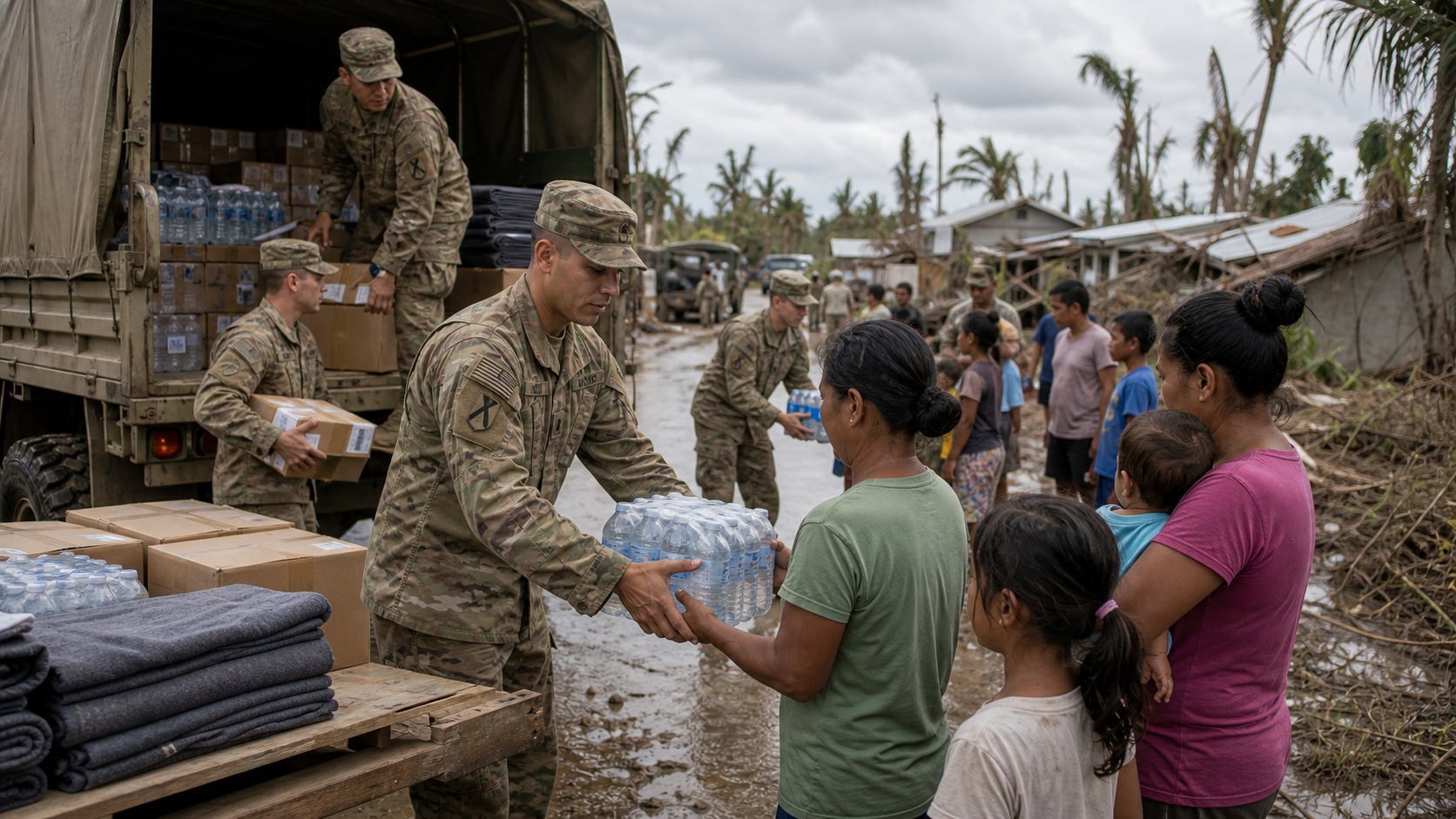
Humanitarian missions from sea-based platforms
As the world’s geopolitics shift toward coastal flashpoints, the Marines’ amphibious expertise becomes even more strategically important.
Daily Life: What Being a Soldier or Marine Feels Like
Though both branches share military discipline, the day-to-day experience differs.
Army Life
Life in the Army varies dramatically depending on job and duty station. A tanker’s schedule looks nothing like that of a cyber specialist, medic, or pilot. Army bases are often larger, with extensive infrastructure and family support.
Marine Life
Marine life is more uniformly intense. Even non-infantry Marines train regularly with combat skills, reflecting the Corps’ “Every Marine a Rifleman” philosophy. The culture encourages toughness, shared hardship, and high physical standards.
Neither lifestyle is “better”—but they attract different personalities.
Career Paths: Breadth vs. Focus
The Army offers significantly more career options—over 150 specialties ranging from combat to engineering to medical to intelligence to cyber operations.
The Marine Corps, being smaller, offers fewer niche roles and leans heavily toward combat-related specialties.
For civilians, the distinction is simple:
The Army suits those looking for diverse career opportunities.
The Marines suit those seeking intense combat-oriented service with a legendary warrior culture.
Which Is Better? The Answer Most Civilians Don’t Expect
People love to debate which branch is “better.” But the truth is far simpler:
Neither. They are built for different missions.
The Army is the nation’s sustained force for large-scale warfare.
The Marine Corps is the rapid-response force designed to seize the initiative.
When they operate together—as they often do—they form one of the most formidable military combinations in human history.
Two Forces, One Purpose
Though different in mission, culture, and structure, both the Army and Marines serve a single purpose: protecting the nation and projecting strength wherever crises arise. Understanding those differences helps civilians appreciate the complexity of America’s defense and the unique warriors who serve.
The Army and Marines are not rivals—they are partners on the global stage, each bringing indispensable strengths to the fight.
Whether charging from the surf or commanding armored columns across vast terrain, these two forces remain symbols of American resolve, discipline, and courage.
And together, they ensure the U.S. military remains unmatched in capability and readiness.