Inside the World of the Elite
Across the world, the term special forces evokes a sense of mystery, danger, and silent excellence. They are the tip of the spear—the small, highly trained teams who carry out missions too dangerous, sensitive, or complex for anyone else. When diplomacy fails or when a crisis emerges beyond conventional military reach, special forces are often the ones tapped to act first, move fastest, and succeed under impossible conditions. Their missions are rarely known, their successes often classified, and their sacrifices seldom publicized. Yet, behind the secrecy lies a powerful story of innovation, relentless training, adaptability, and unwavering mental strength. Special forces represent the ultimate combination of human performance and advanced technology, operating in environments where failure is not an option. This article takes you inside their world—exploring what defines elite soldiers, how they train, why they excel where others cannot, and what truly makes them unstoppable.
A: Elite training, mission specialization, stealth capability, and operation in small independent teams.
A: Depending on the unit, it can range from several months to over a year.
A: Yes—jungle, desert, arctic, maritime, urban, and mountainous terrain.
A: Most missions are classified, but some humanitarian or training missions are public.
A: Continuous training, equipment testing, and real-world exercises.
A: Teams are designed to function independently but rely on intel support.
A: High endurance, strength, mobility, and the ability to perform under stress.
A: Many do—especially units focused on partner-force training.
A: Hostage rescue and close-quarters raids involve extreme risk.
A: Precision execution, minimal collateral damage, and safe team extraction.
What Exactly Are Special Forces?
Special forces are elite military units trained to perform missions that conventional forces are not designed to handle. These operations include counterterrorism, hostage rescue, direct action raids, intelligence gathering, unconventional warfare, and reconnaissance behind enemy lines. Their work is fast, precise, and often executed in the shadows.
Unlike larger military units, special forces operate in small, highly specialized teams capable of independent decision-making and rapid adaptation. Their missions often require stealth, cultural knowledge, language skills, advanced marksmanship, high-level physical fitness, and technical expertise. These soldiers must think, move, and fight differently.
Some of the most recognized special forces around the globe include:
U.S. Navy SEALs
U.S. Army Special Forces (Green Berets)
Marine Raiders
British SAS
Australian SASR
Israeli Sayeret Matkal
French GIGN
German KSK
Each unit has its own distinct identity, mission set, and operational style, but all share a core characteristic: excellence under pressure.
The Mindset of an Elite Operator
Before the gear, before the weapons, and before the mission, elite soldiers are defined by an internal drive that pushes them beyond normal limits. Their mindset is often their most important asset.
Unbreakable Mental Resilience
Special forces endure stress levels that far exceed regular military conditions. Missions may require days of no sleep, constant movement, and total secrecy. They operate in environments where uncertainty, risk, and danger are guaranteed. Mental resilience allows them to continue when exhaustion, chaos, and danger threaten to overwhelm.
Calm in Crisis
Elite soldiers are trained to slow down mentally even when everything around them accelerates into chaos. Decisions are clear, deliberate, and fast. This capacity—controlling physiological responses under extreme pressure—sets them apart.
Team Before Self
Special forces operate in tight-knit teams where trust is absolute. Bonds formed through shared hardship allow them to operate almost instinctively, anticipating each other’s actions and communicating in subtle, efficient ways.
Adaptive Intelligence
Elite operators think creatively, analyze problems rapidly, and adjust tactics on the fly. Whether working through a locked-down city block or a remote mountain range, they excel at finding solutions under pressure.
Selection: The Gateway Few Survive
Becoming a special forces soldier requires passing selection courses that are intentionally grueling. These courses are designed not just to test physical capacity, but also mental endurance, emotional stability, teamwork, and the ability to function under pressure.
Extreme Physical Testing
Candidates endure long-distance rucking, swimming, obstacle courses, underwater challenges, and constant movement with heavy loads. Physical strength alone will never be enough—candidates must perform while exhausted, cold, hungry, and stressed.
Psychological Screening
Elite units assess emotional stability, problem-solving, adaptability, and motivation. Many physically strong candidates fail because they lack the psychological endurance required.
Team-Based Challenges
Special forces do not want lone wolves. Candidates are tested in groups to assess how well they communicate, lead, follow, and support others.
The Numbers Tell the Story
In some units, attrition rates can reach 70–90%. Passing is not guaranteed, and many try more than once. Those who make it through represent a tiny fraction of all applicants.
Training: The Engine of Elite Capability
Once selected, the real work begins. Special forces training spans months—or even years—depending on the unit. Operators must master skills far beyond standard military training.
Advanced Marksmanship
Targets may move, hide, or appear unexpectedly, so operators learn to shoot with pinpoint accuracy from various positions, distances, and environments.
Explosives and Breaching
Door breaching, wall charges, and demolition are critical skills for hostage rescue, urban entry, or eliminating fortified enemy positions.
Close-Quarters Combat (CQC)
Operators train to fight in confined environments such as buildings, aircraft, and ships. Split-second decision-making and movement discipline are essential.
High-End Navigation & Reconnaissance
Special forces often operate behind enemy lines with minimal support. They learn to navigate with maps, GPS, stars, or environmental cues.
Diving, Parachuting, and Insertion Methods
Skills may include:
HALO/HAHO parachuting
Combat diving
Fast-roping
Rigid-hull boat operations
Mountain or arctic survival
Language and Cultural Fluency
Green Berets, for example, specialize in working with local forces around the world. Many operators undergo language training, cultural education, and negotiation instruction.
Medical and Technical Expertise
Every team includes members with advanced medical, communication, cyber, intelligence, and engineering skills. Operators must be multi-functional.
Technology That Enhances Special Forces
Although mindset and training are paramount, elite units also leverage cutting-edge equipment.
High-Tech Surveillance
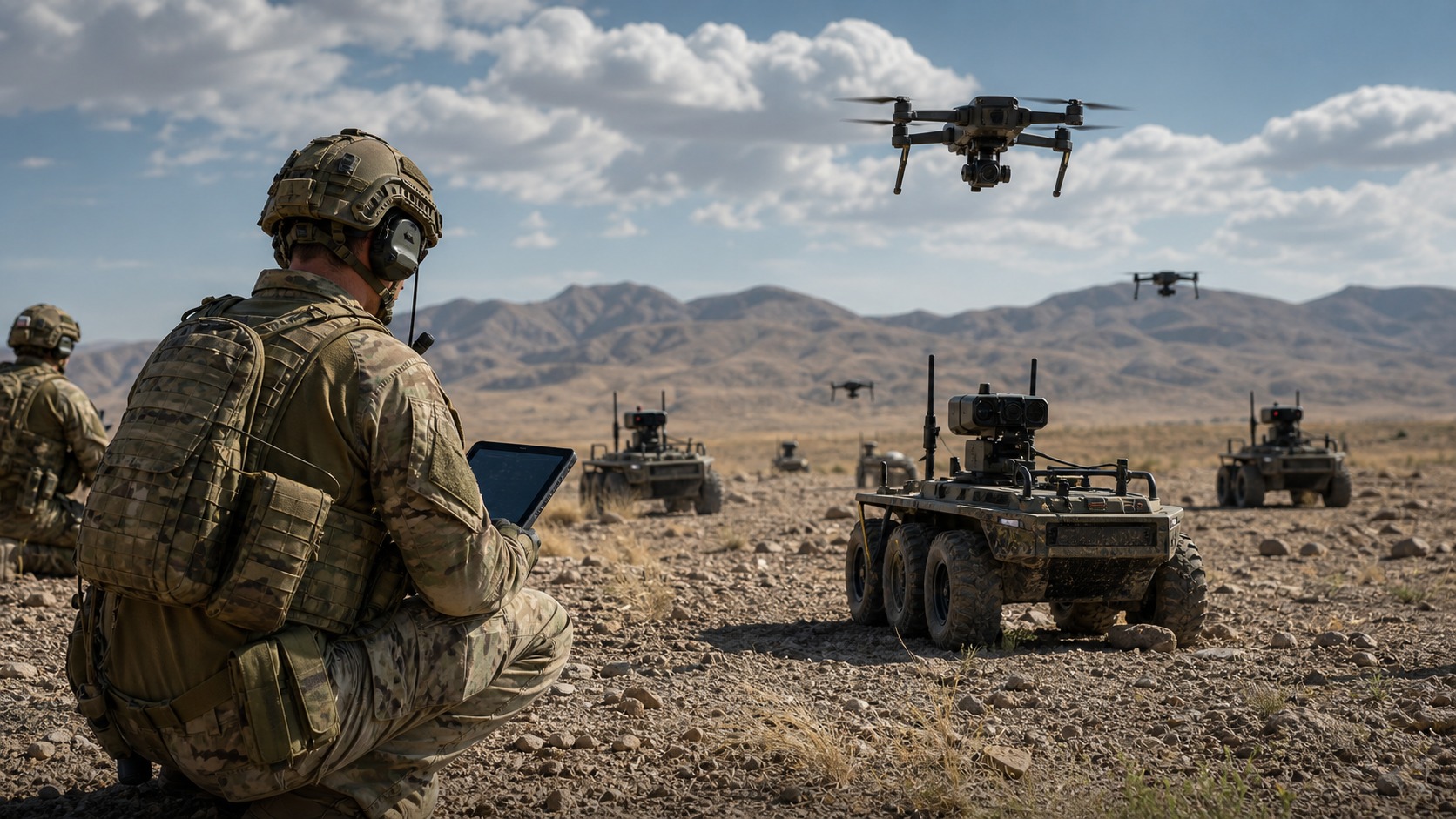
Drones, night-vision optics, thermal scopes, and remote sensors provide real-time intelligence.
Advanced Communications
Encrypted radios, satellite systems, and data-sharing networks keep teams connected even in highly contested environments.
Precision Weaponry
Special forces employ modular weapons that adapt to mission needs—from CQB to long-range engagements.
Lightweight Armor and Gear
Special forces gear prioritizes mobility, durability, and stealth. Every ounce matters on long missions.
Cyber and Electronic Warfare Tools
Modern elite units can disrupt enemy communications, gather digital intelligence, and neutralize technological threats.
Technology elevates their effectiveness, but it is their training and discipline that allow them to use these tools at the highest level.
Mission Types: What Special Forces Really Do
Special forces missions vary widely, and most happen far from public view. Some of the most common include:
1. Counterterrorism
Fast, precise, and lethal operations designed to eliminate immediate threats.
2. Direct Action
Raids on enemy compounds, weapons caches, or high-value targets.
3. Hostage Rescue
One of the most demanding missions—requiring speed, coordination, and near-perfect intelligence.
4. Reconnaissance
Deep surveillance missions often conducted without detection.
5. Unconventional Warfare
Training and supporting local resistance forces or allies.
6. Counterproliferation
Securing or eliminating weapons of mass destruction.
7. Maritime Operations
Including ship boarding, underwater infiltration, and coastal surveillance.
8. Humanitarian and Disaster Relief
Elite soldiers can deploy rapidly to provide aid, stability, and life-saving assistance.
These missions demonstrate the diversity and adaptability of special forces around the world.
Global Hotspots: Where Special Forces Operate
Special forces work in some of the most challenging and dynamic regions on Earth. Whether combating extremist networks, supporting embassies, or training coalition partners, their presence helps maintain global security.
Key operational regions often include:
The Middle East
Eastern Europe
Africa
The Indo-Pacific
South America
Their activities range from combating terrorism to preventing regional instability or protecting maritime routes.
Why Teamwork Makes Them Unstoppable
Elite soldiers succeed not because they are the strongest or the toughest individually—but because they function as an unbreakable unit. Teamwork is their core weapon.
Shared Trust
Teams are small—often 6 to 12 operators—allowing bonds deeper than most professional relationships.
Interchangeable Skills
Every member can cover multiple roles; redundancy ensures resilience on the battlefield.
Communication Without Words
After thousands of hours together, operators move as one organism—efficient, disciplined, and perfectly aligned.
Leadership from Every Seat
While rank exists, every operator is expected to lead, innovate, and make decisions when needed.
This cohesion is what allows special forces to succeed where larger units cannot.
Why Special Forces Are Truly Unstoppable
The combination of mental resilience, intense training, advanced technology, deep teamwork, and mission versatility makes elite soldiers uniquely effective. But their true power lies in their ability to adapt—physically, mentally, and strategically.
They blend intelligence with intuition, discipline with creativity, and precision with relentlessness. They operate in shadows, deserts, cities, mountains, oceans, and cyberspace. They are problem-solvers as much as warriors.
In a world where conflicts evolve rapidly, special forces remain the constant: elite units capable of answering the toughest challenges with calm precision.
The Quiet Professionals
Special forces represent the pinnacle of modern military capability. Their operations may never be fully known, but their impact resonates across global security and national defense. They stand ready at all times—silent, prepared, and unstoppable.
These warriors do not seek recognition. They carry out missions knowing the world may never know their names or their roles. But within the military community and among allied nations, their reputation is unquestioned.
They are the quiet professionals.
They are the world’s elite.
And they are unstoppable.