Similar Armor, Different Missions
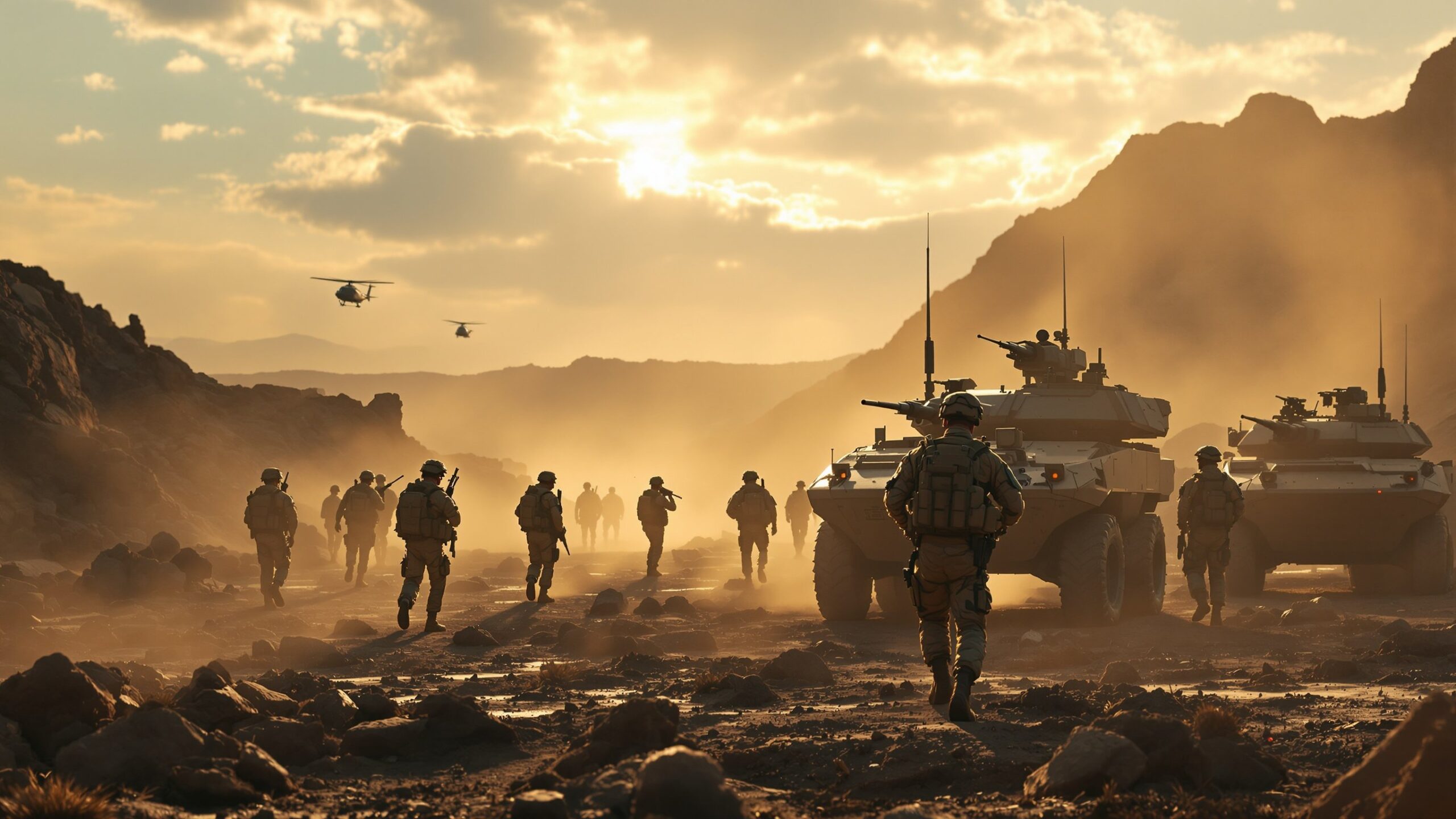
To the untrained eye, an Infantry Fighting Vehicle and an Armored Personnel Carrier might appear nearly identical. Both are tracked or wheeled armored vehicles. Both transport troops into combat zones. Both operate alongside tanks and infantry formations. Yet in modern warfare doctrine, the difference between an IFV and an APC is profound. The distinction affects battlefield tactics, survivability, firepower, and operational strategy. Understanding the difference between Infantry Fighting Vehicles and Armored Personnel Carriers is essential for anyone studying ground weapons systems, armored warfare evolution, or modern military doctrine. While both vehicles share the mission of moving soldiers safely across hostile terrain, they are built around fundamentally different philosophies: one fights with the infantry, the other protects and delivers them.
A: Not in high-intensity combat due to limited firepower.
A: No, tanks have heavier armor and larger cannons.
A: Added weapons reduce troop space and increase cost.
A: Typically the APC.
A: Many do, but configurations vary.
A: No, they remain vital for mobility roles.
A: IFVs due to advanced systems.
A: Yes, with modified armor and protection systems.
A: Some use tracks; others use wheels depending on doctrine.
A: Each fulfills distinct tactical needs on the battlefield.
What Is an Armored Personnel Carrier?
An Armored Personnel Carrier, or APC, is primarily designed to transport infantry safely from one point to another in a combat environment. Protection and mobility are its core functions. Traditionally, APCs are lightly armed, often equipped with a machine gun mounted on top for defensive fire rather than offensive engagement.
The APC’s defining characteristic is its focus on troop transport. It acts as a battlefield taxi under armor. Once it delivers soldiers to the fight, those troops typically dismount and conduct operations independently while the APC withdraws to a safer position or provides limited suppressive support.
Historically, APCs emerged from the need to move infantry safely across machine-gun-swept battlefields. During World War II, early half-tracks and armored carriers provided mobility and protection in mechanized formations. Over time, APCs evolved into fully tracked and wheeled armored platforms, prioritizing survivability from small arms fire and shrapnel. In modern conflicts, APCs are still widely used for logistics support, rapid troop deployment, peacekeeping missions, and rear-area security operations.
What Is an Infantry Fighting Vehicle?
An Infantry Fighting Vehicle, or IFV, takes the concept of armored transport further. Unlike APCs, IFVs are designed not only to transport infantry but to fight alongside them. An IFV is heavily armed compared to an APC, often equipped with an autocannon, anti-tank guided missiles, and advanced fire control systems. The IFV’s doctrine centers on combined arms warfare. Instead of simply dropping off troops, the vehicle remains engaged in combat, supporting infantry with direct firepower. Its weapons allow it to engage enemy armored vehicles, fortified positions, and infantry formations.
The IFV concept gained prominence during the Cold War. Militaries recognized that mechanized infantry needed more than transportation; they needed mobile firepower integrated into their units. The result was a new class of vehicle capable of fighting in coordination with main battle tanks. In essence, the IFV transforms mechanized infantry into a mobile, armored strike force rather than simply protected foot soldiers.
Firepower: The Most Obvious Difference
The clearest distinction between Infantry Fighting Vehicles and Armored Personnel Carriers lies in firepower. APCs typically mount a heavy machine gun or a remote weapon station. Their role is defensive suppression. They are not intended to engage heavily armored threats or conduct offensive assaults against fortified positions.
IFVs, by contrast, carry significant offensive weaponry. Autocannons in the 20mm to 40mm range are common. Many IFVs are also equipped with anti-tank guided missiles, giving them the capability to destroy enemy armor at extended ranges. This transforms them into active participants in mechanized combat rather than passive transport platforms.
The inclusion of stabilized turrets, advanced targeting systems, and integrated battlefield networks further enhances the IFV’s combat role. These vehicles are designed to detect, engage, and destroy threats while maneuvering alongside tanks and dismounted troops.
Armor and Survivability
Both APCs and IFVs provide armored protection, but the degree and philosophy differ. APC armor is typically sufficient to protect against small arms fire and artillery fragments. Its goal is safe transport, not direct confrontation with enemy armor.
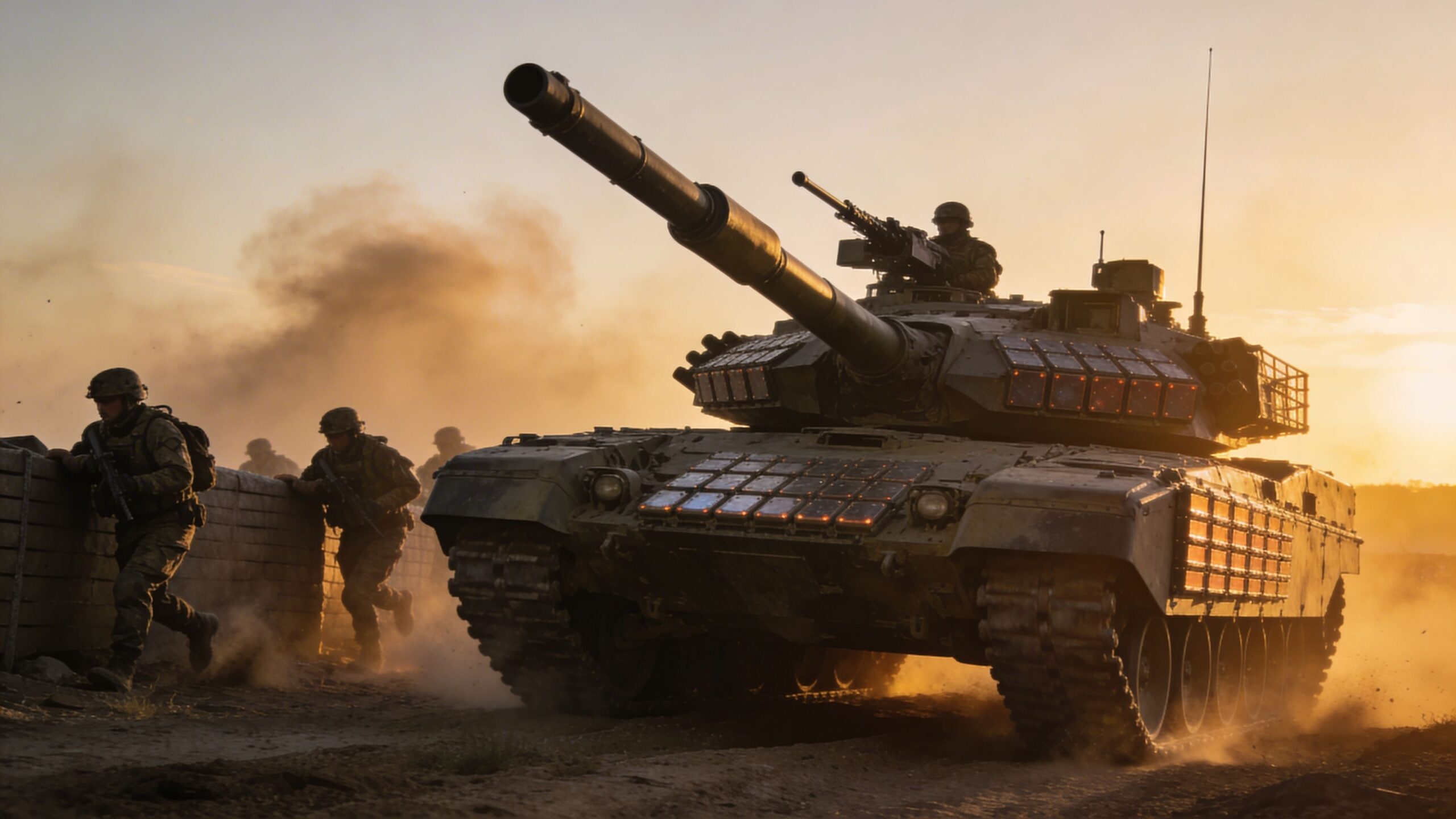
IFVs often feature enhanced armor packages, including composite armor and modular upgrades. Some may incorporate reactive armor or active protection systems to counter anti-tank missiles. Because IFVs operate in high-threat environments alongside tanks, their survivability requirements are greater. However, heavier armor increases weight, which affects mobility and cost. Military planners must balance protection with speed and operational range. The IFV often accepts higher weight and expense to gain battlefield resilience.
Mobility and Tactical Role
Mobility defines both vehicles, but their tactical employment differs. APCs excel in transporting large numbers of troops efficiently. They may prioritize internal space over turret systems or heavy armament. This allows them to carry more soldiers or specialized equipment.
IFVs sacrifice some internal troop capacity to accommodate weapons systems and ammunition storage. While APCs may carry eight to twelve troops comfortably, IFVs often transport fewer personnel due to turret intrusion and weapon integration.
On the battlefield, APCs tend to operate slightly behind the main assault line, while IFVs integrate directly into frontline maneuvers. IFVs support infantry with suppressive and precision fire during advances.
Cost and Strategic Considerations
Cost is a significant factor in military procurement. APCs are generally less expensive than IFVs because they lack complex turret systems and heavy armament. This makes them practical for nations seeking armored mobility without the financial burden of advanced combat systems.
IFVs are more technologically complex. Their sensors, stabilization systems, and missile integration increase development and maintenance costs. For militaries focused on high-intensity mechanized warfare, the investment is justified. For peacekeeping or internal security missions, APCs may be more appropriate. Strategic doctrine influences which platform a nation prioritizes. Some militaries invest heavily in IFVs for combined arms dominance, while others emphasize APC fleets for rapid troop mobility.
Evolution in Modern Warfare
Modern conflicts have blurred the lines between APCs and IFVs. Some APCs now feature remote weapon stations with improved targeting systems. Conversely, some IFVs are designed with modularity that allows reconfiguration for transport-heavy missions.
Urban warfare has accelerated these changes. Both vehicle types now incorporate enhanced mine protection, improved situational awareness systems, and digital battlefield integration.
Hybrid platforms are emerging that combine heavy armor, advanced electronics, and scalable weapon options. However, despite convergence in technology, the doctrinal distinction remains clear: APCs transport; IFVs transport and fight.
Operational Scenarios: Where Each Excels
In low-intensity conflicts or peacekeeping operations, APCs provide secure mobility with reduced escalation risk. Their lighter armament may be better suited for stabilization missions. In high-intensity warfare involving enemy armored formations, IFVs offer superior combat capability. They can suppress enemy infantry, engage armored threats, and coordinate with tanks in offensive operations.
In rapid deployment scenarios, APCs often carry larger numbers of troops efficiently. In assault operations against fortified positions, IFVs deliver critical fire support. Understanding these distinctions helps clarify why militaries field both vehicle types rather than replacing one with the other.
Training and Crew Requirements
APCs generally require fewer specialized crew skills. Operating a machine gun or remote weapon station is less complex than managing a stabilized autocannon turret with missile systems.
IFV crews require advanced training in fire control systems, missile deployment, and combined arms coordination. The increased complexity demands greater logistical support and technical expertise.
This training gap influences force structure decisions and operational readiness planning.
The Future of Mechanized Infantry Vehicles
Emerging technologies are reshaping both APCs and IFVs. Artificial intelligence-assisted targeting, autonomous driving features, and advanced armor materials are entering development.
Some future platforms may blur distinctions further, offering modular weapon packages that transform transport vehicles into combat systems when needed. Electrification and hybrid propulsion systems may also redefine mobility characteristics. Yet the core difference remains doctrinal rather than technological. Whether a vehicle is designed primarily to transport or to fight defines its classification.
Two Roles, One Battlefield
Infantry Fighting Vehicles and Armored Personnel Carriers share a common origin in the need to protect and move soldiers across dangerous terrain. However, their evolution reflects different battlefield philosophies. The APC prioritizes safe, efficient transport with defensive capability. The IFV integrates transport with offensive combat power. One delivers infantry to the fight; the other fights with them. In modern ground warfare, both vehicles remain essential. Understanding their key differences clarifies how mechanized forces achieve mobility, protection, and firepower in an increasingly complex battlefield environment.