The Big Misunderstanding: “It’s All Just Artillery”
Artillery is often lumped into one bucket: big guns far behind the front line that lob explosives into the distance. In reality, “artillery” is a family—cannons, howitzers, mortars, rockets, and missiles—each with its own personality, strengths, and battlefield job. HIMARS, the High Mobility Artillery Rocket System, sits on the rocket-and-missile side of that family tree, while traditional artillery usually refers to cannon artillery: towed howitzers and self-propelled guns firing shells. At a glance, the difference can feel like “rockets versus shells.” That’s true, but it’s also incomplete. The deeper difference is a shift in how modern armies think about time, accuracy, survivability, and the type of targets they want to influence. Traditional artillery is a workhorse built for sustained fire support. HIMARS is a sprinter designed to strike fast, relocate, and hit precisely at ranges that change the geometry of a fight. If you want a simple mental model, imagine two instruments in the same orchestra. Traditional tube artillery is the steady drumbeat—reliable, repeatable, able to keep tempo for hours. HIMARS is the sharp brass section—punchy, dramatic, capable of reaching far across the battlefield with fewer notes that matter more.
A: It’s different—optimized for mobile rocket fires and longer reach, while guns excel at sustained support.
A: Howitzers deliver sustained volume, flexible effects, and scalable support over long operations.
A: Typically no—many forces use rockets and guns together for complementary battlefield roles.
A: HIMARS is designed around quick displacement, though modern self-propelled guns are also built to move fast.
A: Traditional artillery often leads due to sustained responsiveness and volume at practical engagement distances.
A: It depends—guns can consume large volumes of shells, while rockets can be fewer but more specialized per shot.
A: No—modern tube artillery can be highly accurate, and some inventories include precision-guided shells.
A: Persistent surveillance and counter-battery threats make mobility, dispersion, and discipline essential.
A: Rockets can deliver rapid salvos, but howitzers are typically better suited for long-duration fire support.
A: Because battlefields demand both deep disruption and steady close support—rockets and guns cover different needs.
What Is HIMARS, Exactly?
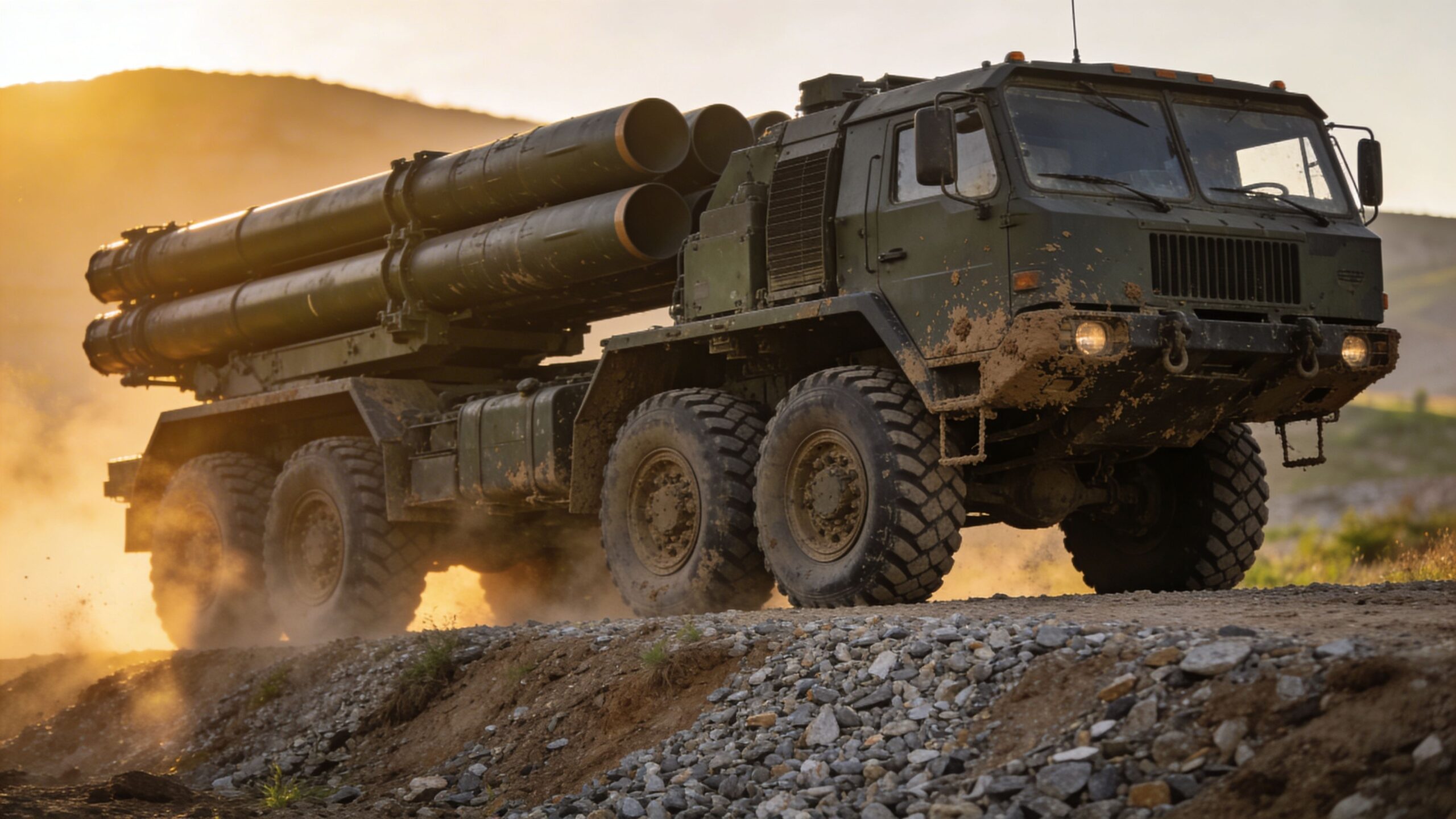
HIMARS is a wheeled, highly mobile rocket artillery launcher designed to fire guided and unguided rockets, and depending on configuration and munitions, longer-range missiles as well. It is best known for firing precision rocket pods that can be loaded quickly and launched in rapid succession. Because it’s mounted on a wheeled chassis, HIMARS can move quickly on roads, reposition with less logistical burden than heavier tracked vehicles, and operate with a “shoot-and-scoot” mindset: deliver a strike, then vanish before an opponent can respond.
A key part of HIMARS is not just the launcher, but the system around it: digital fire control, navigation, and integration with modern targeting and coordination networks. That integration helps translate battlefield information into rapid, accurate fires. In today’s battlefield environment—where counter-battery sensors, drones, and surveillance systems compress response times—being fast and hard to find is as important as being powerful.
What Counts as “Traditional Artillery”?
Traditional artillery typically refers to tube artillery: howitzers and guns firing shells. These come in two broad forms. Towed artillery is pulled into position by a truck and emplaced on the ground, offering a mix of flexibility and lower cost. Self-propelled artillery mounts the gun on a tracked or wheeled armored chassis, providing better mobility and crew protection, with faster setup and displacement.
Traditional artillery shines when commanders need sustained fire, flexible shell types, and consistent support over time. It can deliver smoke to obscure movement, illumination to reveal threats at night, high explosive for suppression, and specialized munitions depending on mission needs and availability. Tube artillery also benefits from a mature logistics ecosystem: shells can be produced, transported, and stored in massive quantities, and guns can fire repeated missions as long as ammunition keeps coming.
In many armies, traditional artillery forms the backbone of fire support, because it can be scaled up for long fights and adapted to diverse terrain and mission sets.
Rockets vs Shells: The Physics of Firepower
Rockets and shells behave differently in flight and in logistics. A shell is fired from a barrel; the gun provides the initial acceleration, and the shell follows a ballistic path guided primarily by gravity and aerodynamic forces. Rockets carry their own propulsion. That propulsion changes how far they can go and how they deliver energy, but it also changes how they’re built, stored, and handled. Tube artillery can be extraordinarily efficient for repeated firing. Guns can deliver many rounds quickly, and with modern fire control and improved munitions, they can be accurate and responsive. Rocket artillery like HIMARS, on the other hand, is often defined by fewer launches that deliver more concentrated effects per shot—especially when using guided rockets.
This difference matters because modern war is increasingly about hitting the right thing quickly rather than simply saturating an area. Traditional artillery can still mass fires, and it remains decisive, but HIMARS-like systems represent a more “surgical” concept of battlefield shaping—depending on doctrine and the munitions chosen.
Precision: The “One Rocket, One Target” Idea
One of HIMARS’s signature advantages is precision. With guided rockets, the system is designed to put effects on or near a specific point with high reliability when proper targeting information and conditions exist. That doesn’t mean traditional artillery is inaccurate—far from it. Modern howitzers paired with advanced fire control can be extremely effective, and precision-guided shells exist in many inventories. But HIMARS is frequently discussed in the context of precision because its identity is tied to guided rocket fires at longer distances, often with less need for large salvos to achieve a desired outcome.
Precision changes the math of warfare. If you can reliably hit what matters—command posts, logistics nodes, key infrastructure, air defense components, or critical choke points—you can create outsized effects without firing thousands of rounds. Traditional artillery can create those effects too, but it often does so through sustained operations, repeated missions, and broader coverage.
The tradeoff is that precision tends to raise cost per shot. It can also increase reliance on intelligence and reconnaissance. Precision without good information is just expensive noise. Both rocket and tube artillery benefit from accurate data, but HIMARS is often used in roles where the quality of targeting information is central to the system’s value.
Range: Who Reaches Farther, and Why It Matters
Range is where HIMARS often looks most different from classic cannon artillery. Traditional howitzers can reach impressive distances, especially with modern shells and barrel designs, but rocket systems are typically associated with longer reach. That reach expands what ground forces can influence, sometimes pushing deep into areas that were once considered relatively safe behind the front.
Range isn’t just a number on paper; it reshapes behavior. Longer-range fires can force an opponent to disperse supplies, relocate command elements, and re-think where they stage forces. It can also increase the importance of mobility and deception. The farther you can strike, the more your opponent has to protect—and the harder it becomes to protect everything. Traditional artillery still wins in many “near-to-mid range” support tasks, where speed of response, volume of fire, and flexible shell effects matter most. HIMARS tends to stand out when commanders want long reach with a high probability of affecting specific targets, delivered from a system that can relocate rapidly.
Mobility and Survivability: The Race Against Counter-Fire
Modern counter-battery warfare is a brutal chess match. Sensors detect launch points. Drones search for movement. Radars calculate trajectories. The side that fires and then lingers becomes a target. In that environment, HIMARS’s mobility is a defining feature. A wheeled launcher can move quickly, especially on roads, and can reduce the time it remains vulnerable after firing.
Traditional artillery has adapted to this reality. Self-propelled howitzers can fire and displace quickly, and many modern artillery units train for rapid movement. Towed artillery, however, generally takes longer to emplace and displace, which can increase vulnerability if operating under intense surveillance and counter-fire threats.
HIMARS also benefits from a modular reload approach using rocket pods. That doesn’t mean it’s magically faster in all scenarios—reload and resupply still take planning—but the system’s design supports a rhythm of movement that aligns with modern survivability needs. Traditional artillery can sustain fire longer from a position, but that endurance can become a liability if it encourages staying in predictable places.
Rate of Fire and Sustained Support: Where Traditional Artillery Still Dominates
If HIMARS is a sprinter, traditional artillery is a marathoner. Tube artillery can deliver sustained fire missions over long periods, adjusting quickly to calls for fire, shifting between targets, and maintaining tempo as long as ammunition and barrel heat limits allow. For many battlefield needs—suppression, screening, continuous support during assaults—volume and consistency matter as much as precision.
Traditional artillery also offers a broader palette of “effects.” Smoke shells can create concealment corridors. Illumination rounds can expose night movement. Certain rounds can be tuned for fragmentation patterns, airburst effects, or other mission needs. Rocket systems can have variations too, but tube artillery’s long history and flexibility make it especially versatile for the everyday grind of fire support. This is why many armies don’t see HIMARS as a replacement for howitzers. Instead, they treat rocket artillery as a complementary capability: the tool for longer reach and high-impact missions, while tube artillery carries the bulk of routine support.
Logistics: The Hidden Difference That Wins Wars
Firepower is only as real as the supply chain behind it. Traditional artillery ammunition can be heavy, but it is often moved and managed in ways that armies have refined for decades. Stockpiles can be enormous. Resupply systems are well understood. If you need to support sustained operations, tube artillery logistics can be scaled with trucks, depots, and established procedures.
Rocket ammunition is also heavy and logistically demanding, and guided munitions add complexity. Rockets are typically stored and transported as larger units, and resupply may depend on specialized handling and planning. The advantage is that fewer rockets may accomplish what would require many shells—depending on mission and target type. The challenge is that when rockets are used in high demand, resupply becomes a critical constraint.
In other words, traditional artillery often wins on endurance, while HIMARS can win on efficiency and reach—but only if the right munitions and supply plans are available.
Target Types: What Each System Is Best At
Traditional artillery excels at shaping terrain and tempo. It can suppress enemy infantry positions, break up assaults, screen movement, and provide immediate support to troops in contact. Its responsiveness, especially when positioned well, can be decisive in close and mid-range fights.
HIMARS tends to be emphasized for targets where distance, precision, and impact matter: high-value nodes, rear-area concentrations, or critical infrastructure that affects operational momentum. The system’s ability to deliver accurate effects at longer ranges can help commanders disrupt an opponent’s plan rather than just their front-line formations. That said, both systems are adaptable. Traditional artillery can be used against deep targets when within range and supported by intelligence. HIMARS can support frontline fights as well, particularly when conventional artillery faces mobility constraints. Doctrine, munitions, and operational context shape how each is used.
Command and Control: Digital Fires and the Speed of Decisions
A major modern difference is not metal and explosives—it’s decision speed. HIMARS is tightly associated with digital fire control and networked operations. When fire missions move quickly from detection to approval to execution, systems designed for rapid integration gain an edge.
Traditional artillery has also evolved into a digitally coordinated force in many modern militaries, with advanced fire direction centers and networked observers. But HIMARS is often discussed as a symbol of that modern “sensor-to-shooter” loop because it pairs long reach with fast execution.
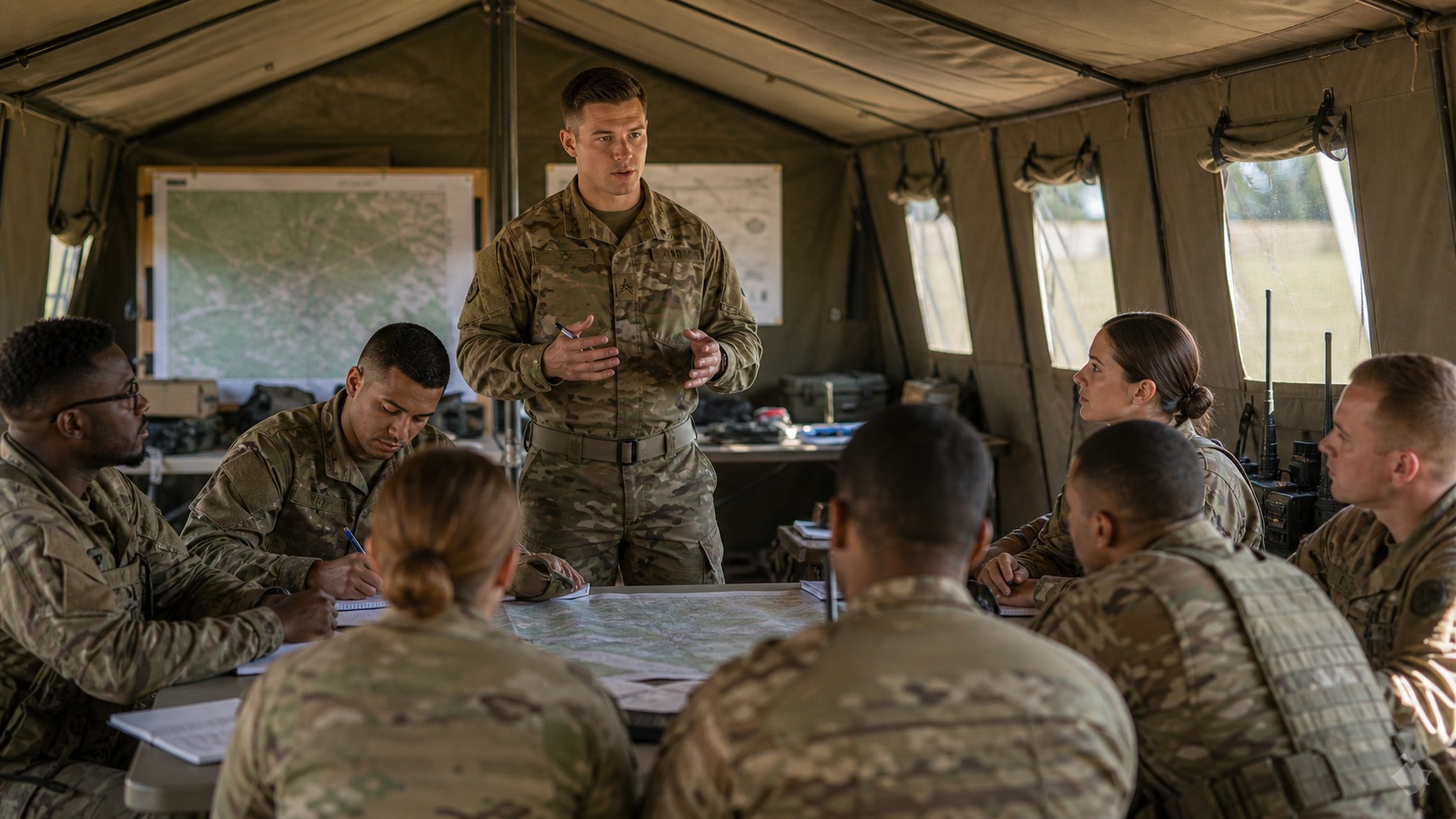
Still, technology doesn’t remove the reality of warfare: coordination, deconfliction, and decision-making are essential. The best system in the world cannot outrun confusion. Both HIMARS and traditional artillery depend on trained crews, disciplined procedures, and reliable communication.
So Which Is Better?
“HIMARS versus traditional artillery” is not a prize fight where one winner leaves the ring. It’s a tool comparison. If you need sustained fire support, adaptable effects, and the ability to keep pressure on enemy positions over time, traditional artillery often shines. If you need rapid, precise, longer-range strikes delivered by a highly mobile system designed to survive in a contested battlespace, HIMARS is built for that role.
Modern armies increasingly want both because modern battlefields demand both. The future is not a swap; it’s a blend—tube artillery for tempo and volume, rocket artillery for reach and disruption, and a growing layer of sensors and networks that make both more effective.
Two Artilleries, One Purpose
At their core, HIMARS and traditional artillery exist for the same reason: to shape the battlefield in favor of friendly forces. They differ in how they do it. Traditional artillery is sustained, versatile, and deeply integrated into the rhythm of ground combat. HIMARS is mobile, long-reaching, and often associated with precision and rapid repositioning. Understanding the difference helps make sense of modern warfare headlines and military modernization efforts. It also clarifies why “artillery” remains one of the most decisive arms on land. When firepower is coordinated, supplied, and employed with purpose, it doesn’t just destroy targets. It changes what the enemy believes is possible.