A New Era of Military Power
The modern Army operates in a world defined by rapid change, global uncertainty, and evolving threats that demand unmatched speed, intelligence, and coordination. Gone are the days when military power was measured only by the size of a force or the weight of its weapons. Today, armies dominate through precision, agility, advanced technology, and the ability to outthink, outmaneuver, and outpace adversaries across multiple domains. Modern conflict spans land, air, sea, space, and cyberspace, requiring a level of connectivity and situational awareness previous generations could only imagine. In this environment, the modern Army has transformed into a highly networked, technologically driven force that pairs human skill with digital power. Soldiers on the ground, analysts in command centers, drone pilots in remote locations, and cyber teams protecting digital networks all operate as a unified command. The result is an Army that fights smarter, moves faster, and delivers precise, coordinated action when and where it’s needed most. This article takes you inside that transformation—into the systems, strategies, technologies, and people who define the modern Army and shape how today’s forces fight and win.
A: Integration of advanced technology, intelligence networks, and multi-domain operations.
A: Through encrypted radios and battlefield digital networks.
A: No—drones enhance situational awareness but do not replace human presence.
A: Critical—digital attacks can disable equipment, communication, and infrastructure.
A: Yes—modern armor includes active protection and advanced sensors.
A: Using thermal optics, infrared lasers, and stealth tactics.
A: Navigation, communications, surveillance, and targeting accuracy.
A: Some units deploy within hours via strategic airlift.
A: Coordinated missions between Army, Air Force, Navy, Marines, and allied forces.
A: Through constant training, updated doctrine, and technological innovation.
The Backbone of the Modern Army: Elite, Highly Trained Soldiers
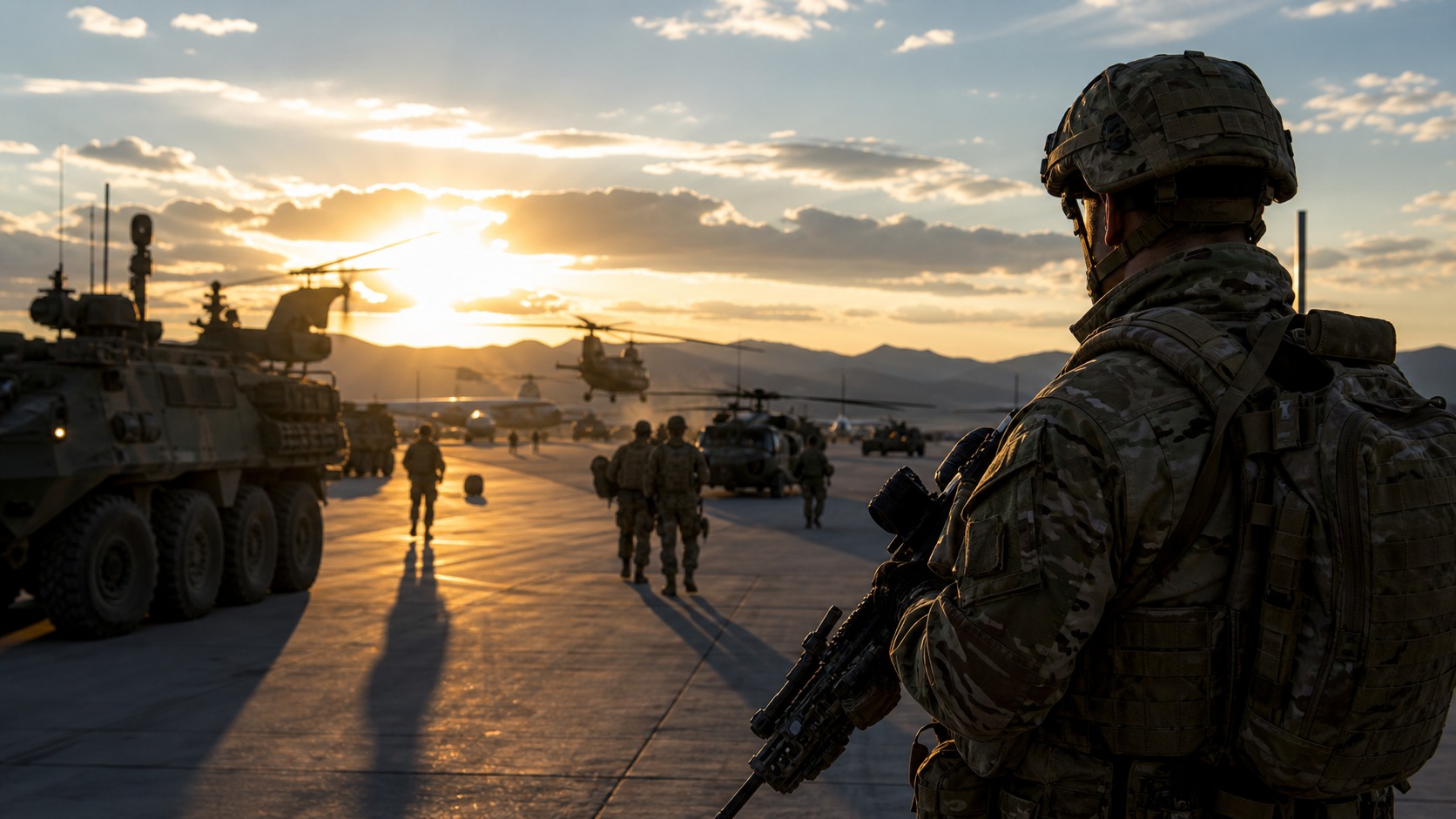
No matter how advanced technology becomes, soldiers remain the foundation of the modern Army. Training today is more intense, more realistic, and more specialized than ever before. Instead of preparing for one type of battlefield, soldiers train for every environment—from dense urban streets to icy mountain ranges, from tropical jungles to desert heat.
Modern training blends physical toughness with cognitive mastery. Soldiers now learn how to process information rapidly, make split-second decisions, and coordinate with units operating across multiple domains. They train with simulators that recreate real-world scenarios using virtual reality, mixed-reality projections, and live-action exercises with opposing forces who mimic modern threats.
The goal is not just to build strength but to develop adaptable warfighters capable of switching missions instantly—from offensive operations to peacekeeping, from disaster response to cyber defense. Today’s Army demands soldiers who are thinkers, leaders, and problem solvers.
Smart Weapons and High-Tech Gear Define Today’s Arsenal
The modern soldier carries tools and weapons far beyond traditional rifles and grenades. Precision-guided munitions, advanced optics, thermal imaging, and secure communication devices are standard gear. Night has become an advantage rather than a limitation thanks to high-resolution night vision and thermal scopes that reveal heat signatures in darkness or smoke.
Even the standard infantry rifle has evolved into a digitally integrated system. Many modern rifles are equipped with sensors, stabilizers, ballistic processors, and advanced targeting sights that allow soldiers to hit targets faster and more accurately than ever before.
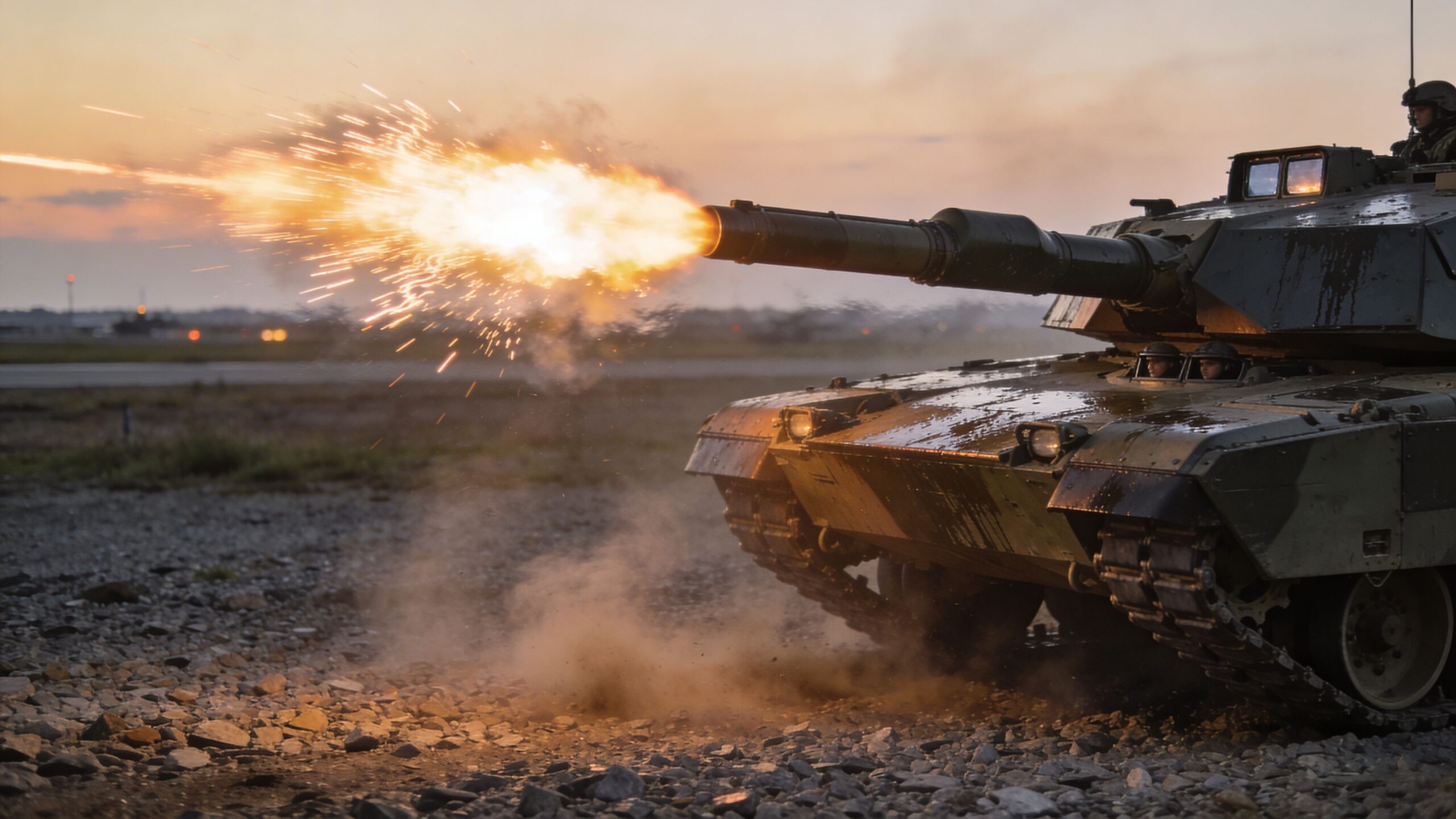
Beyond handheld equipment, the Army’s arsenal includes advanced armored vehicles, reconnaissance drones, electronic warfare tools, and long-range artillery systems that can strike with pinpoint accuracy. Smart weaponry has reshaped the battlefield by allowing forces to neutralize targets with reduced risk and improved efficiency.
Domination Through Information: The Power of Intelligence
One of the greatest advantages of the modern Army is its ability to gather, interpret, and distribute information in real time. Satellite imagery, drone feeds, electronic signals, human intelligence, and cyber reconnaissance all feed into advanced command networks that offer a near-instant view of the battlefield.
This data enables commanders to predict enemy behavior, identify threats before they appear, and coordinate precise operations with remarkable speed. Soldiers receive updates directly to their devices or heads-up displays, allowing them to adapt faster than an opponent can react.
Intelligence is no longer a background role—it is the heartbeat of modern conflict. A single piece of data can shape an entire mission. The Army’s ability to turn information into action is one of the reasons modern forces can strike quickly, avoid unnecessary casualties, and overpower adversaries through superior insight.
Cyber Warfare: The New Frontline of Modern Conflict
Today’s battlefield extends beyond physical borders. Cyber warfare plays a central role in modern defense. The Army’s cyber units protect critical networks, shut down enemy communication systems, and counter digital attacks that could cripple infrastructure.
In modern warfare, a disrupted network can have the same impact as a disabled tank. A hacked drone feed or compromised communication line can change the course of a mission. Because of this, cyber warriors train alongside combat units, building digital defenses that are just as important as armor or artillery.
Strategies now include:
-
Identifying and blocking cyber infiltration
-
Conducting offensive cyber operations
-
Protecting battlefield communication systems
-
Integrating cyber defense with physical operations
The modern Army must dominate both the physical world and the digital domain—and it does so through tight coordination, advanced encryption, and rapid-response cyber teams.
The Rise of Robotics, Autonomous Systems, and AI
Artificial intelligence and robotics are changing the way forces move, fight, and survive on the battlefield. Unmanned systems conduct reconnaissance, carry supplies, scan for hidden threats, and support soldiers in dangerous environments.
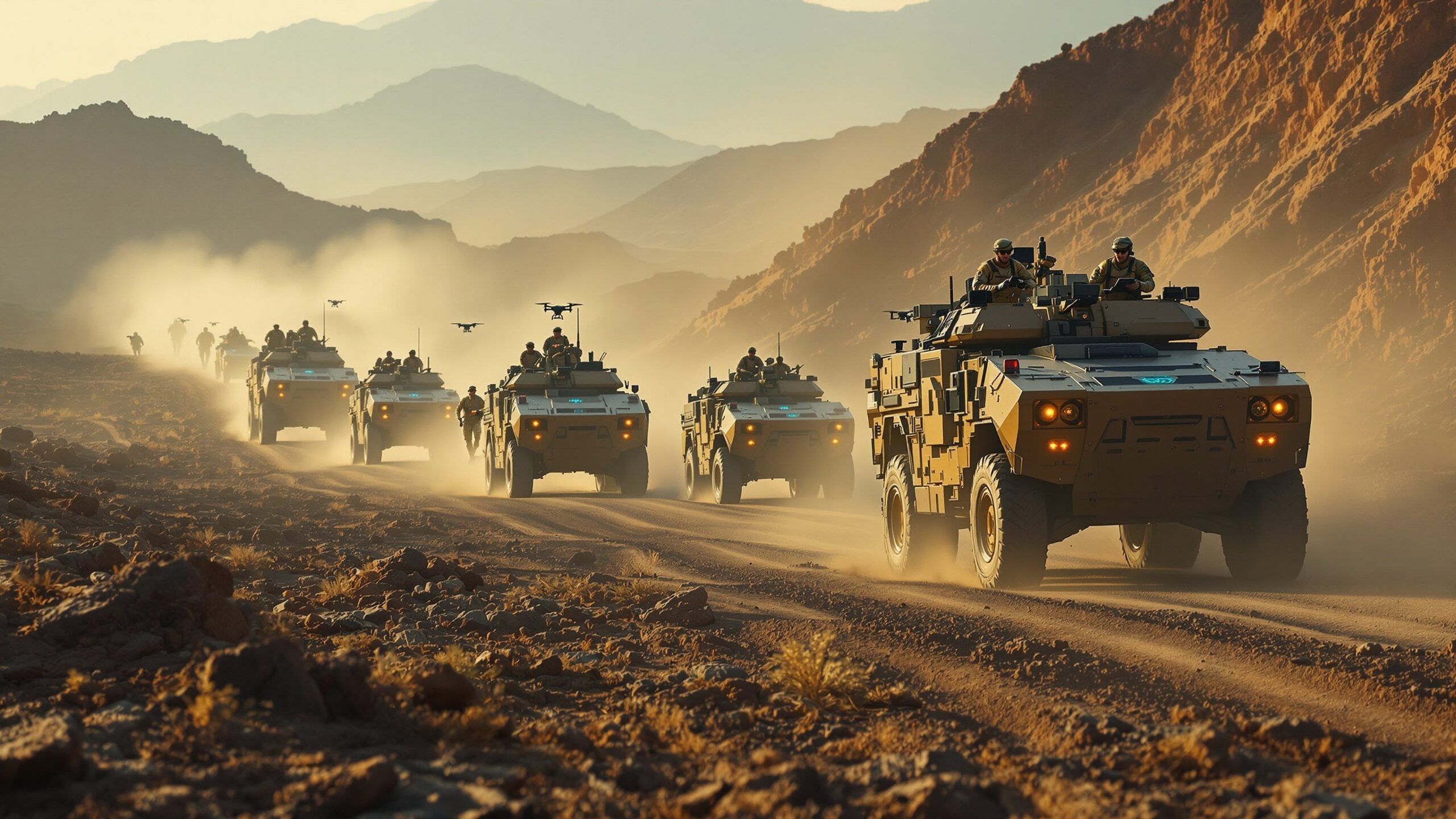
Drones are small enough to fit in a soldier’s pocket or large enough to carry missiles. Ground robots scout buildings, disarm explosives, or carry heavy equipment so soldiers can move faster. AI-driven analytics process battlefield data in seconds, revealing patterns, predicting enemy movements, and recommending strategic actions.
Rather than replacing soldiers, these systems enhance their abilities. A soldier equipped with an AI-supported system becomes more aware, more efficient, and more protected. This partnership between human skill and machine intelligence defines the future of warfare.
Global Reach: How the Modern Army Deploys Anywhere, Anytime
Modern armies are designed for rapid global deployment. Within hours, forces can mobilize, load equipment onto aircraft, and arrive anywhere in the world ready to conduct operations.
This capability relies on:
-
Strategic airlift aircraft
-
Pre-positioned equipment stockpiles
-
Modular supply systems
-
Rapid deployment forces trained for immediate readiness
Whether responding to a natural disaster, peacekeeping mission, or combat operation, the Army’s ability to move quickly gives it a strategic advantage. Speed means more than just mobility—it means shaping events before they escalate, helping allies, and maintaining global stability.
Special Operations: Precision Forces for High-Stakes Missions
Modern conflict often requires stealth, speed, and precision. Special operations units such as Rangers, Special Forces teams, and special mission units handle the most complex missions on Earth. These elite soldiers train constantly, mastering languages, advanced tactics, parachuting, mountaineering, diving, and covert infiltration.
Special operations missions include:
-
Counterterrorism
-
Hostage rescue
-
Reconnaissance in hostile environments
-
Advising foreign forces
-
High-value target capture
These units operate with an unmatched combination of physical endurance, mental determination, and advanced training. Their missions shape global strategy, prevent threats from spreading, and ensure national security in ways most people never see.
Joint Operations: How the Army Works with Other Forces
Modern warfare is never a solo effort. The Army works alongside the Air Force, Navy, Marine Corps, Space Force, and allied forces around the world. Joint operations ensure forces share intelligence, coordinate strikes, and move in perfect synchronization.
For example:
-
The Air Force establishes air superiority and provides close air support.
-
The Navy launches missiles, secures maritime routes, and deploys amphibious forces.
-
The Space Force protects satellite networks and navigation systems.
-
Allied nations contribute regional expertise and additional manpower.
These integrated missions create an overwhelming advantage, combining the best capabilities of multiple branches and nations.
Urban Warfare: The New Battlefield
Cities have become central battlegrounds in modern conflict. Urban warfare requires unique skills—moving through tight streets, clearing buildings, working around civilians, and navigating complex obstacles.
The Army trains specifically for these environments using mock cities with realistic street layouts, multi-story buildings, and subterranean tunnels. Soldiers learn how to communicate across walls, breach reinforced structures, coordinate with drones flying between skyscrapers, and move quickly through confined environments.
Urban warfare is unpredictable, demanding maximum discipline and teamwork. Modern forces excel in these environments because they train constantly under realistic conditions.
The Human Factor: Leadership, Morale, and Team Cohesion
Behind every weapon system, armored vehicle, and drone stands the human element that ultimately determines success. Leadership remains one of the most important factors in modern military operations.
Good leaders inspire confidence, make tough decisions, and guide soldiers through extreme stress. Morale, trust, and unit cohesion are vital for survival and success. Soldiers serve not only for duty and honor but for the teammates who stand beside them.
The modern Army invests heavily in developing leaders who can manage complexity, communicate clearly, and make strategic choices that protect lives and accomplish missions.
Why the Modern Army Continues to Win
The modern Army wins because it blends tradition with innovation. It values discipline, integrity, and courage while embracing new technology, new tactics, and a new global environment. It fights as a unified force, leveraging the strengths of soldiers, robots, aircraft, satellites, and cyber systems.
Victory today is not just about overpowering an enemy—it’s about outsmarting them, outmaneuvering them, and staying one step ahead. The modern Army is built to do exactly that.
The Army of Tomorrow Begins Today
The modern Army stands at the crossroads of human skill and technological evolution. Every day, soldiers train harder, systems become smarter, and strategies grow more precise. The battlefield may change, but the Army’s mission endures: protect freedom, support allies, respond to crises, and stand ready when the world needs it most.
As threats evolve, so will the Army—faster, stronger, more connected, and more capable than ever before. The future force begins with the soldiers, innovators, and leaders who serve today.