Behind the Uniform and Beyond the Headlines
The U.S. Army is more than a fighting force—it is a sprawling, high-technology ecosystem built to defend national interests, respond to crises, and project stability around the world. When most people picture the Army, they imagine soldiers in uniform, armored vehicles, helicopters, and distant battlefields. But behind every mission lies a complex combination of strategy, training, intelligence, logistics, and global partnerships that make the Army one of the most capable, agile, and versatile organizations on Earth. To step inside the U.S. Army is to see how everyday Americans become elite professionals; how missions are planned with precision; how technology reshapes modern warfare; and how global power is maintained with a mix of readiness, resilience, and innovation. This is the world of soldiers who train in scorching deserts and freezing mountains, analysts who track threats from space, medics who save lives on dusty roads, and leaders who make decisions in seconds that influence the future. This is the modern U.S. Army—its missions, its training, and its global reach.
A: Defend the nation, deter aggression, support allies, respond to crises, and conduct sustained land operations.
A: Applicants work with a recruiter, meet medical and academic standards, and complete Basic Combat Training and job-specific schooling.
A: Active duty serves full time, while Guard and Reserve soldiers typically train part time and can be mobilized when needed.
A: Deployment lengths vary by mission and unit; policies can change over time based on operational requirements.
A: Fields include combat arms, intelligence, cyber, medical, aviation, logistics, engineering, communications, and many technical specialties.
A: Yes, programs may include tuition assistance, college credits for training, and veterans’ education benefits after service.
A: Family programs, housing support, counseling, childcare, and community services help families during training and deployments.
A: It is the formal line of authority from individual soldiers up through leaders and commanders at each higher level.
A: Through constant training, equipment maintenance, physical fitness, evaluations, and periodic large-scale exercises.
A: Official Army recruiting channels and verified information sites provide up-to-date details on careers and requirements.
The Army’s Mission: Defend, Deter, and Deliver
The U.S. Army’s official mission is straightforward: to deploy, fight, and win the nation’s wars. But in the modern era, warfighting is just one part of a much broader portfolio of responsibilities.
Defending the Homeland
Defense begins at home. Thousands of soldiers support homeland security, guard critical infrastructure, and maintain rapid-response forces ready to confront natural disasters or emergencies. When hurricanes strike, wildfires rage, or floods hit, Army National Guard units are often first on the scene.
Deterring Adversaries
Deterrence is the silent mission—the one that prevents conflicts before they begin. Through global presence, joint exercises, and advanced technological capabilities, the Army signals strength to potential adversaries. This includes maintaining forces overseas, collaborating with allies, and demonstrating readiness that discourages aggression.
Supporting Global Stability
Humanitarian missions, peacekeeping, and disaster relief are pillars of Army operations. Whether delivering food after an earthquake or helping rebuild communities after conflict, soldiers are often the face of American assistance.
Engaging in Full-Scale Warfare
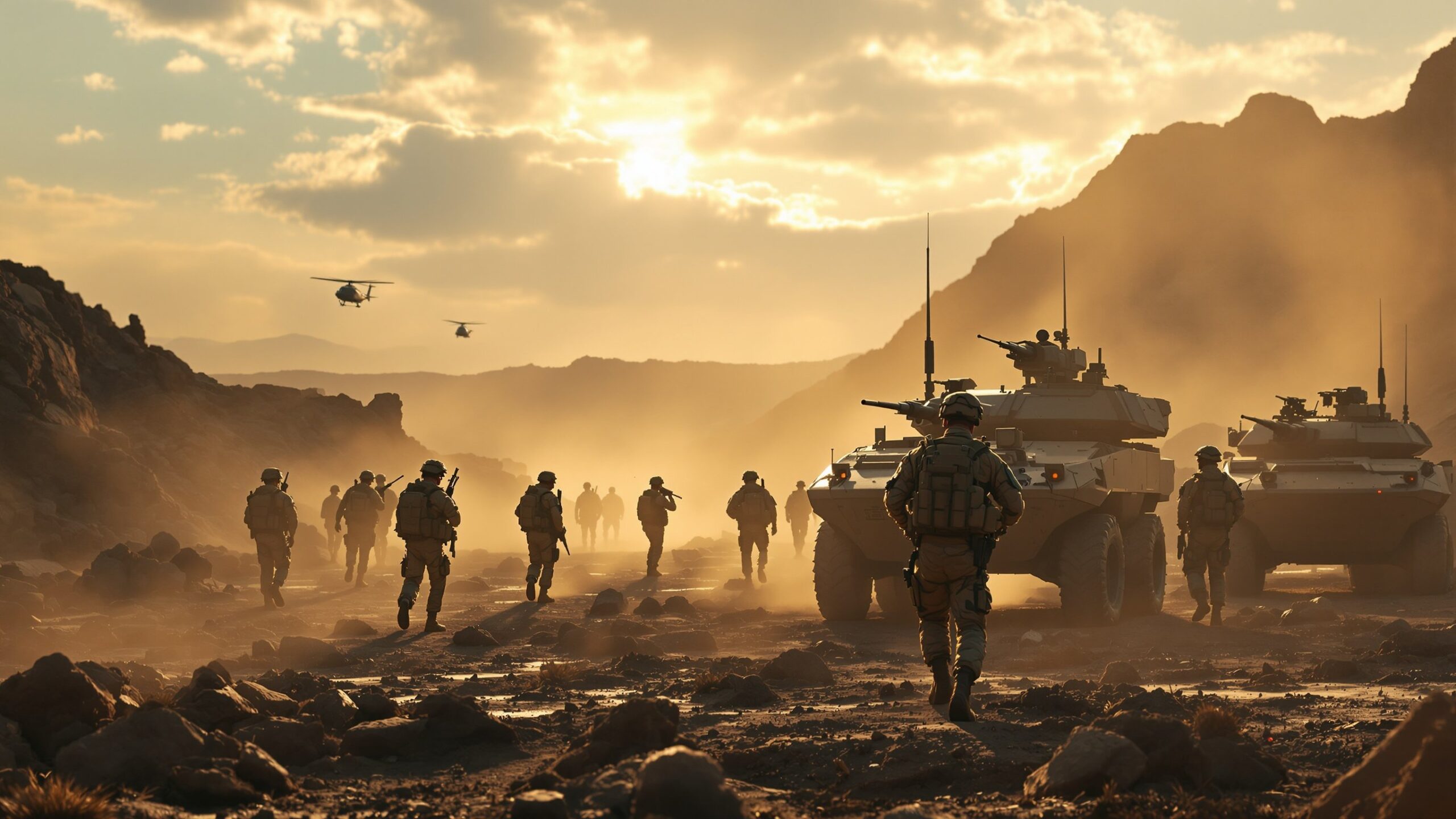
When diplomacy fails, the Army serves as the backbone of U.S. ground combat power. Infantry brigades, armored divisions, aviation units, artillery batteries, and special operations teams combine to conduct decisive operations in any environment—from urban streets to remote mountains to dense jungle.
Each mission demands different skills, tools, and strategies—but the foundation is always readiness.
Building the Soldier: Training for the Modern Battlefield
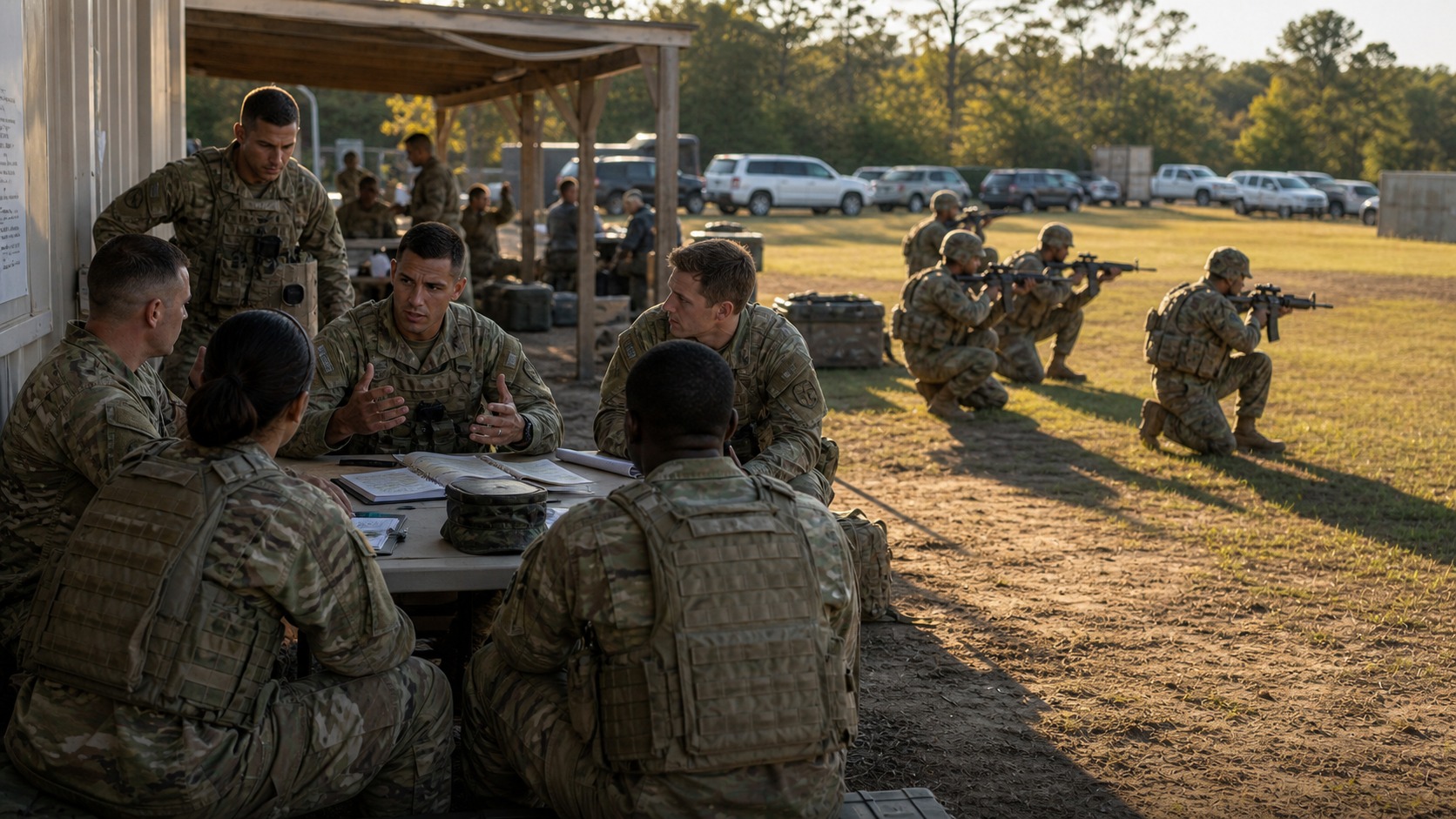
Training in the U.S. Army is a relentless, evolving process that begins the moment a recruit steps off the bus at Basic Combat Training and continues every day of a soldier’s career. Modern warfare demands speed, adaptability, and precise decision-making, and the Army’s training pipeline is engineered to produce those qualities.
Basic Combat Training: Transforming Civilians into Soldiers
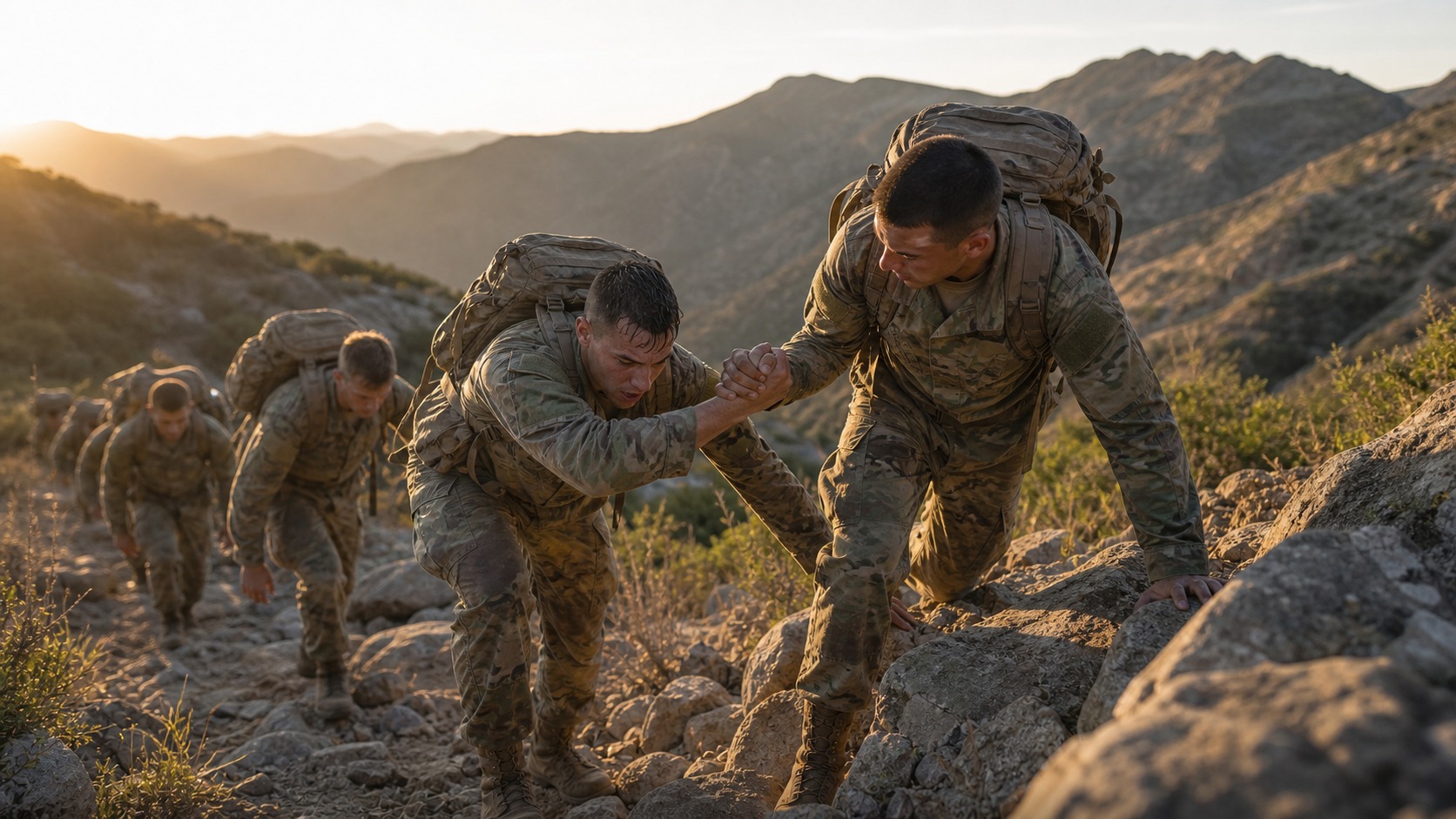
Basic Combat Training (BCT) is where the transformation begins. Over 10 intense weeks, recruits learn marksmanship, teamwork, physical conditioning, land navigation, medical skills, and the core values that define the Army identity. The goal is more than physical strength—it is mental toughness, discipline, and cohesion.
Advanced Individual Training: Becoming a Specialist
After BCT, soldiers move to Advanced Individual Training (AIT), where they master the skills unique to their military occupational specialty. The Army offers over 200 career paths—from cyber operations and aviation maintenance to combat engineering and medical care—each requiring specialized expertise.
Elite and Specialized Schools
For soldiers seeking advanced roles, the Army offers some of the toughest schools in the world:
Ranger School tests endurance and leadership across swamps, mountains, and forests.
Airborne School teaches parachuting into combat zones.
Sniper School trains the art of long-distance precision.
Sapper School develops engineering mastery for breaching and mobility.
Special Forces Assessment and Selection begins the journey toward joining the Green Berets.
Each school pushes soldiers to their mental and physical limits, forging specialists who can lead, adapt, and perform under extreme pressure.
The Rise of Virtual Training
Modern training extends far beyond obstacle courses and firing ranges. Soldiers now train in immersive simulators that recreate realistic combat environments—from congested city blocks to remote borderlands. Augmented reality, virtual weapons, and digital threat models allow troops to rehearse missions, test tactics, and refine communication before they ever step into harm’s way.
Training never stops. Every exercise strengthens readiness for missions that could unfold anywhere in the world.
Power in Motion: How the Army Operates Around the Globe
The U.S. Army maintains one of the largest global footprints of any military on Earth. Soldiers serve on every continent, often working alongside allies and partners who share common security goals.
Forward-Deployed Forces
Key Army units remain stationed overseas to deter threats and strengthen regional stability. Bases in Europe, the Middle East, the Pacific, and Africa serve as strategic hubs that allow rapid response to emerging crises.
Joint Operations with Allies
The Army rarely operates alone. It trains and fights alongside international partners, refining coordination through multinational exercises. These collaborations build trust, strengthen alliances, and ensure that forces can work together seamlessly when real-world operations arise.
Rapid Mobility
The Army’s ability to move people and equipment across continents is unparalleled. Within hours, operations centers can activate global deployment plans that mobilize aircraft, ships, vehicles, and personnel with near-perfect synchronization. This mobility ensures that U.S. forces can respond to threats before they escalate.
Special Operations and Covert Missions
Special Forces, Rangers, aviation regiments, and intelligence assets conduct missions that require stealth, precision, and deep cultural understanding. These missions often shape the battlefield long before major forces arrive.
Global reach is not just about distance—it’s about influence, stability, and readiness.
Tools of Power: Technology and Innovation in Today’s Army
The Army of today is not the Army of decades past. Technology has transformed nearly every aspect of operations, from battlefield communication to armored protection to cyber defense.
Advanced Weaponry and Armored Vehicles
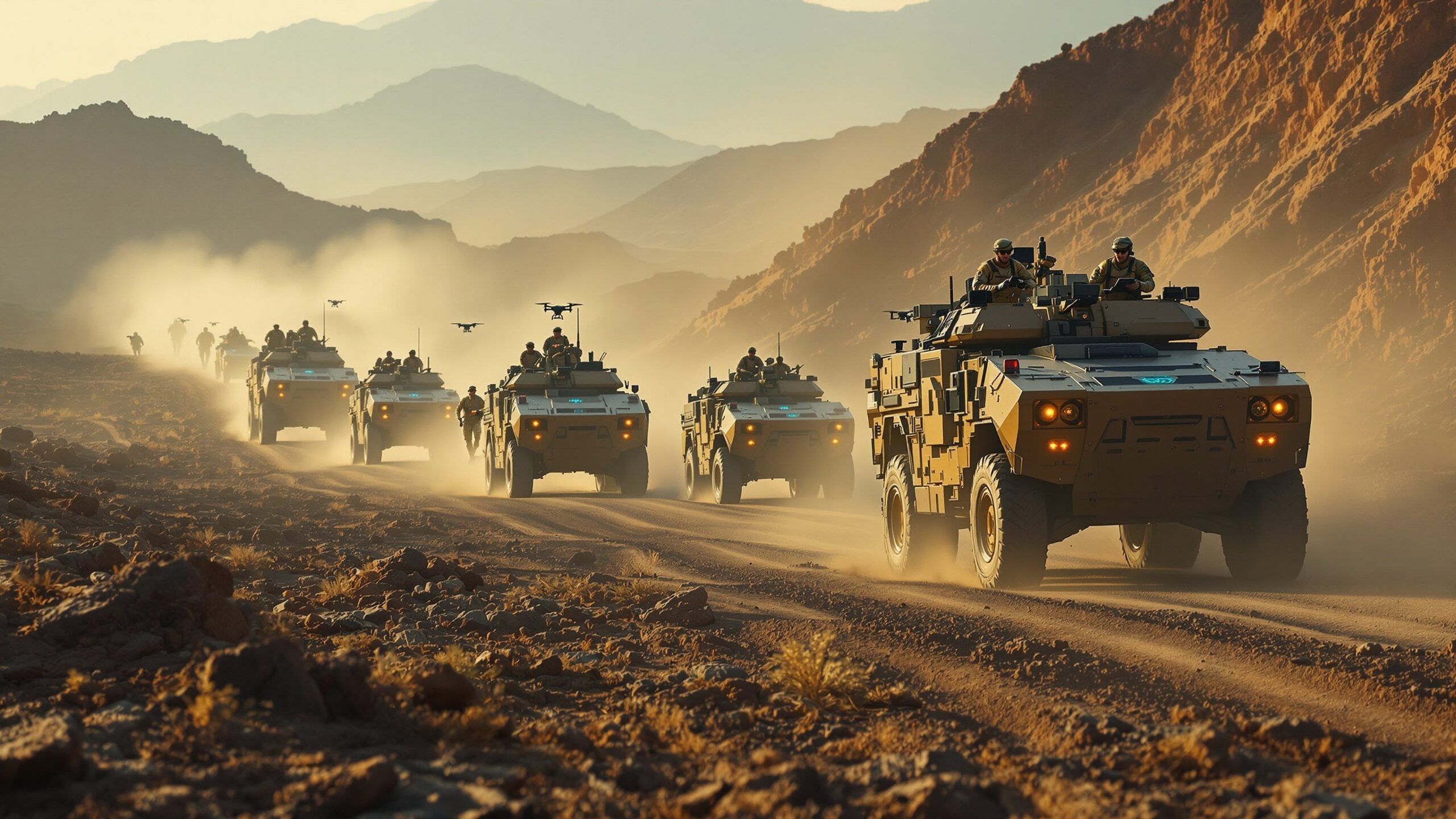
Modern tanks and armored vehicles are equipped with active protection systems, sensors, and targeting computers that dramatically enhance survivability. Infantry rifles now feature smart optics, stabilization technology, and precision-enhancing systems.
Army Aviation and Unmanned Systems
Helicopters like the UH-60 Black Hawk and AH-64 Apache remain indispensable, offering rapid mobility, fire support, and medical evacuation. Meanwhile, unmanned aerial systems conduct reconnaissance, monitor threats, and extend situational awareness across vast distances.
Cyber and Electronic Warfare
Today’s battlefield is digital. Army cyber units defend networks, disrupt enemy communication, and conduct offensive operations that can influence military outcomes without a single shot fired.
Artificial Intelligence and Data Integration
AI-powered systems process satellite feeds, intelligence reports, and sensor data, enabling leaders to make faster and more accurate decisions. Soldiers receive real-time battlefield updates that increase awareness and reduce risk.
Medical Advancements
Modern Army medicine integrates advanced trauma care, rapid evacuation, portable surgical tools, and real-time telemedicine. These innovations dramatically increase survival rates and reduce long-term injury impacts.
Technology doesn’t replace soldiers—it empowers them.
Life in Uniform: The Human Side of Army Service
Behind the capabilities, strategies, and operations are the soldiers themselves—the men and women who dedicate their lives to service. Army life is a blend of discipline, camaraderie, challenge, and purpose.
Community and Brotherhood
The bonds formed between soldiers are unlike anything else. Years of shared hardship, training, and responsibility create lifelong friendships rooted in trust and loyalty.
Family and Support Systems
Families play a vital role in Army life. Support networks, housing programs, education benefits, and community services help military families stay resilient during deployments and transitions.
Career and Advancement
The Army offers clear pathways for professional development. Soldiers can gain technical skills, leadership experience, and educational benefits that last a lifetime—whether they stay for one enlistment or build a full career.
Pride and Purpose
Service in the Army carries a deep sense of honor. Soldiers know that their actions contribute directly to national security, global stability, and humanitarian missions that improve lives worldwide.
Inside a Force Built for the Future
To understand the U.S. Army is to understand a force shaped by history but focused on tomorrow. It is a force that brings together determination, intelligence, technology, and teamwork. It operates around the globe, carrying out missions that range from peacekeeping to combat. It trains relentlessly, innovates constantly, and adapts rapidly to new threats.
The Army is not just a symbol of American power—it is a living, evolving institution driven by people who believe in service, readiness, and the defense of something greater than themselves.
From the boots on the ground to the satellites in orbit, from young recruits to seasoned leaders, from cyber teams to armored brigades, the U.S. Army remains one of the most dynamic and influential military forces in the world. This is the modern Army from the inside: powerful, disciplined, adaptive, and prepared for any challenge the future may bring.