A World on Edge Before 1914
At the dawn of the twentieth century, Europe stood at the center of global power. Empires stretched across continents, industrialization was transforming societies, and new technologies were reshaping the economy and the battlefield alike. Yet beneath the appearance of prosperity and progress, tensions were quietly building among the great powers. For decades, rivalries between European nations had been intensifying. Economic competition, territorial disputes, and the struggle for political influence created an atmosphere of suspicion and hostility. Governments invested heavily in military expansion, preparing for conflicts that many believed were inevitable. The international system had become a complex web of alliances and rivalries. Although many leaders believed diplomacy could preserve peace, the reality was that Europe had become a continent of competing ambitions. When the crisis of 1914 erupted, the conditions for a major war had already been in place for years.
A: The assassination of Archduke Franz Ferdinand in Sarajevo on June 28, 1914 triggered the immediate crisis.
A: No. It was the spark, but nationalism, militarism, alliances, and imperial rivalry had already made Europe unstable.
A: Because they turned a local conflict into a multi-country war as nations backed their partners.
A: Nationalism intensified competition between empires and encouraged ethnic groups to seek independence or greater power.
A: It was where Austro-Hungarian, Serbian, Russian, and Ottoman interests collided in a highly unstable environment.
A: Large armies, naval buildups, and rigid war plans made leaders more ready to use force and less able to pause.
A: Britain entered after Germany invaded Belgium, whose neutrality Britain had pledged to defend.
A: Yes. Rivalries over colonies, trade, and global influence deepened distrust between major powers.
A: Many historians believe the July Crisis might have been contained, but the political system of 1914 made escalation very likely.
A: Because it shows how alliances, arms races, and regional crises can combine to produce a massive global conflict.
Nationalism and the Rise of Competing Identities
One of the most powerful forces behind the outbreak of World War I was nationalism. Across Europe, national pride and identity had grown dramatically during the nineteenth century. Citizens increasingly viewed their nations as symbols of strength, honor, and cultural superiority.
Nationalism inspired unity within countries, but it also intensified rivalry between them. Governments encouraged patriotic sentiment, and many people believed their nation had a right to expand its influence and power.
In regions such as the Balkans, nationalism created particularly volatile conditions. The area contained many ethnic groups and competing national movements, each seeking independence or greater political power. These aspirations frequently clashed with the interests of large empires that controlled the region. As nationalist movements grew stronger, political disputes became more emotional and less willing to compromise. This environment made diplomatic solutions increasingly difficult.
Militarization and the Arms Race
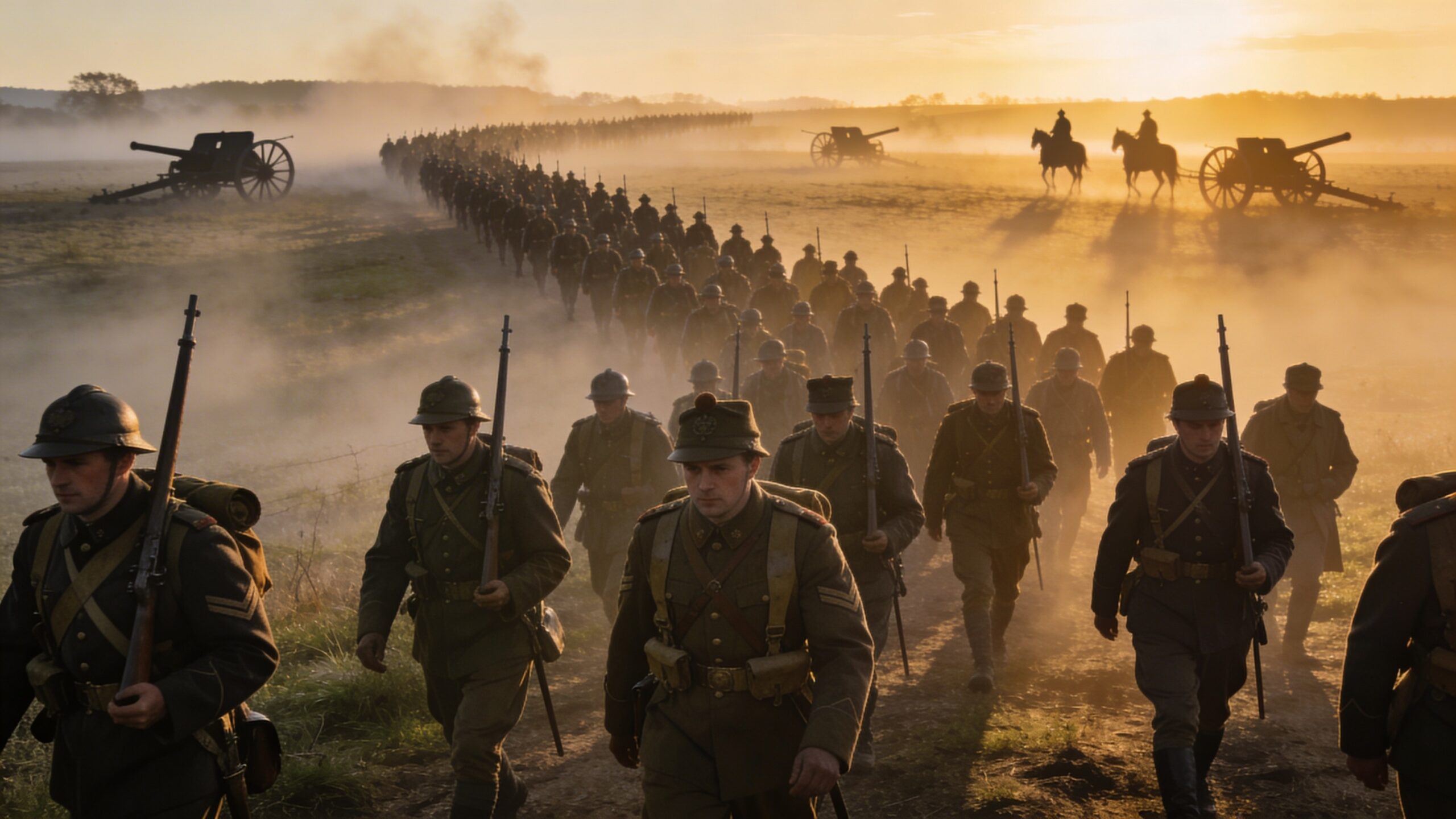
Another major factor leading to World War I was the rapid militarization of Europe. During the late nineteenth and early twentieth centuries, many nations dramatically expanded their armed forces and invested in new weapons technologies. Industrial advances allowed countries to produce artillery, rifles, and ammunition on a massive scale. Warships and submarines transformed naval power, while improvements in transportation allowed armies to mobilize more quickly than ever before.
Military leaders developed detailed war plans that assumed rapid mobilization and decisive battles. These plans required countries to act quickly during a crisis, leaving little time for negotiation or compromise. As military power grew, so did the belief that war could solve political disputes. Governments increasingly viewed armed conflict as a legitimate tool of national policy.
Alliances That Divided Europe
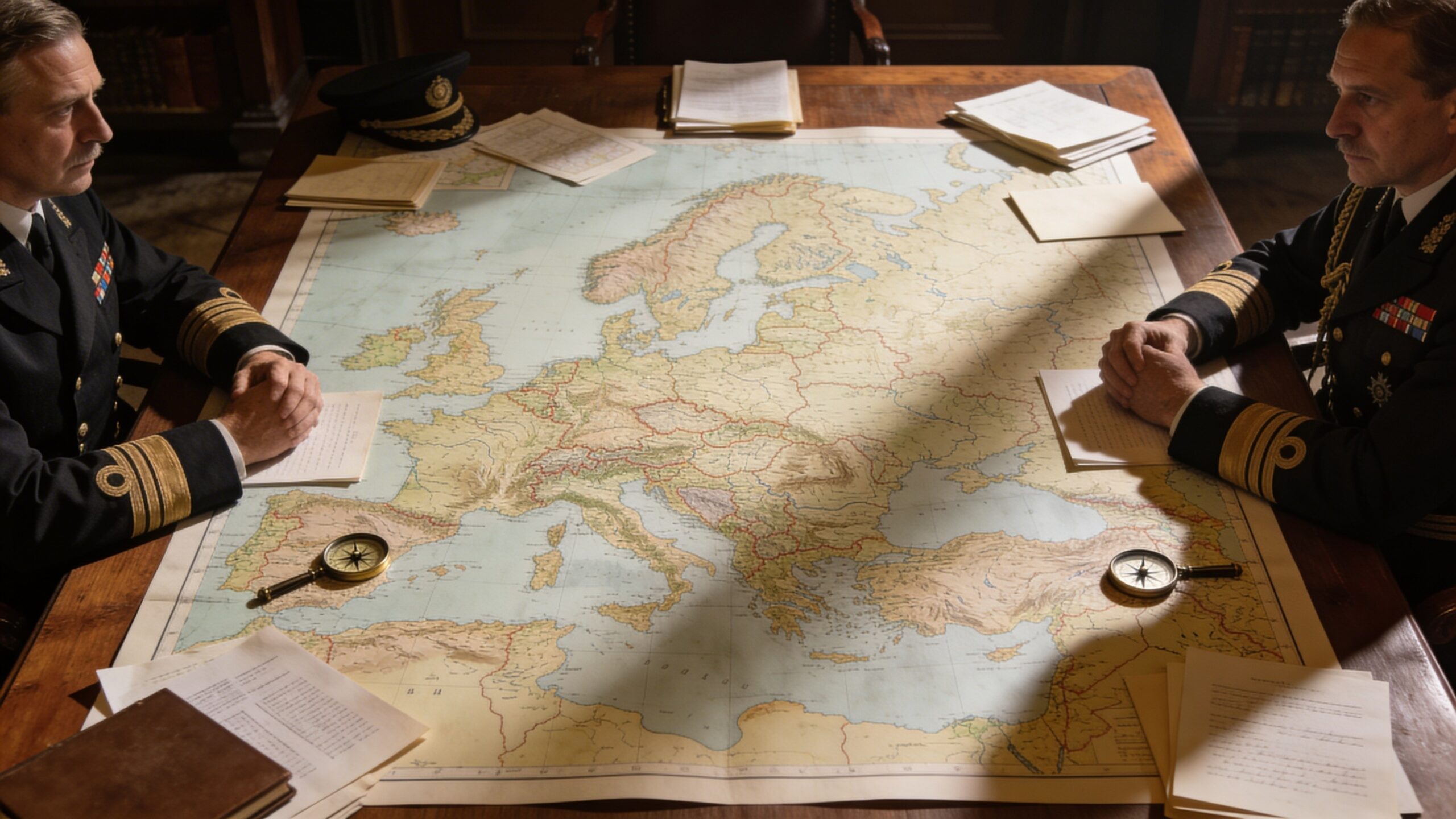
Europe’s political landscape was shaped by a system of alliances designed to maintain balance between powerful nations. These alliances were intended to provide security, but they also created a fragile situation in which a conflict involving one country could quickly spread to others. Two major alliance blocs had emerged before World War I. One group included France, Russia, and later Britain. Another group centered around Germany, Austria-Hungary, and their partners. Although these alliances were meant to deter aggression, they also meant that a regional conflict could trigger a chain reaction of military commitments. Leaders often believed they had to support their allies or risk weakening their strategic position. By 1914, Europe had effectively divided into rival camps, each prepared to defend its interests and its partners.
Imperial Rivalries and Global Competition
European powers were not only competing within the continent. They were also engaged in a global contest for influence, resources, and colonial territories.
During the late nineteenth century, many nations expanded their empires overseas. Africa, Asia, and the Pacific became arenas for intense rivalry between competing powers. Control of colonies provided access to natural resources, trade routes, and strategic military bases.
These imperial ambitions often brought nations into direct conflict with one another. Diplomatic crises occurred when countries attempted to expand their influence in regions already claimed or contested by others. Although some disputes were resolved through negotiation, the competition for empire deepened mistrust and hostility between the great powers.
The Balkans: Europe’s Most Dangerous Region
The Balkans became one of the most unstable regions in Europe during the early twentieth century. Located in southeastern Europe, the area was home to a mixture of ethnic groups, cultures, and political ambitions. For centuries, much of the Balkans had been controlled by large empires. As these empires weakened, nationalist movements sought independence or territorial expansion.
The collapse of Ottoman influence created a power vacuum that several countries attempted to fill. Meanwhile, Austria-Hungary and Russia both sought to extend their influence over the region. The result was a series of political crises and local wars that raised tensions across Europe. Many leaders feared that the Balkans could become the spark that ignited a larger conflict.
The Assassination That Sparked a War
The immediate trigger for World War I occurred on June 28, 1914, in the city of Sarajevo. Archduke Franz Ferdinand, the heir to the Austro-Hungarian throne, was visiting the region when he was assassinated by a nationalist revolutionary. The assassination shocked Europe and created a diplomatic crisis. Austria-Hungary blamed Serbia for supporting nationalist groups responsible for the attack and demanded strong concessions. When Serbia refused some of these demands, Austria-Hungary declared war. What might have remained a regional conflict quickly escalated due to the alliance system. Within weeks, several major powers had entered the war.
The Chain Reaction of Mobilization
Once the crisis began, events unfolded rapidly. Russia mobilized its forces to support Serbia, viewing the situation as both a political and strategic issue. Germany responded by declaring war on Russia and later on France, one of Russia’s allies. Military plans required Germany to attack quickly, leading to an invasion of Belgium.
This action brought Britain into the conflict, as Britain had pledged to defend Belgium’s neutrality. Within a short time, a regional crisis had transformed into a continent-wide war involving multiple major powers.
A War the World Had Never Seen
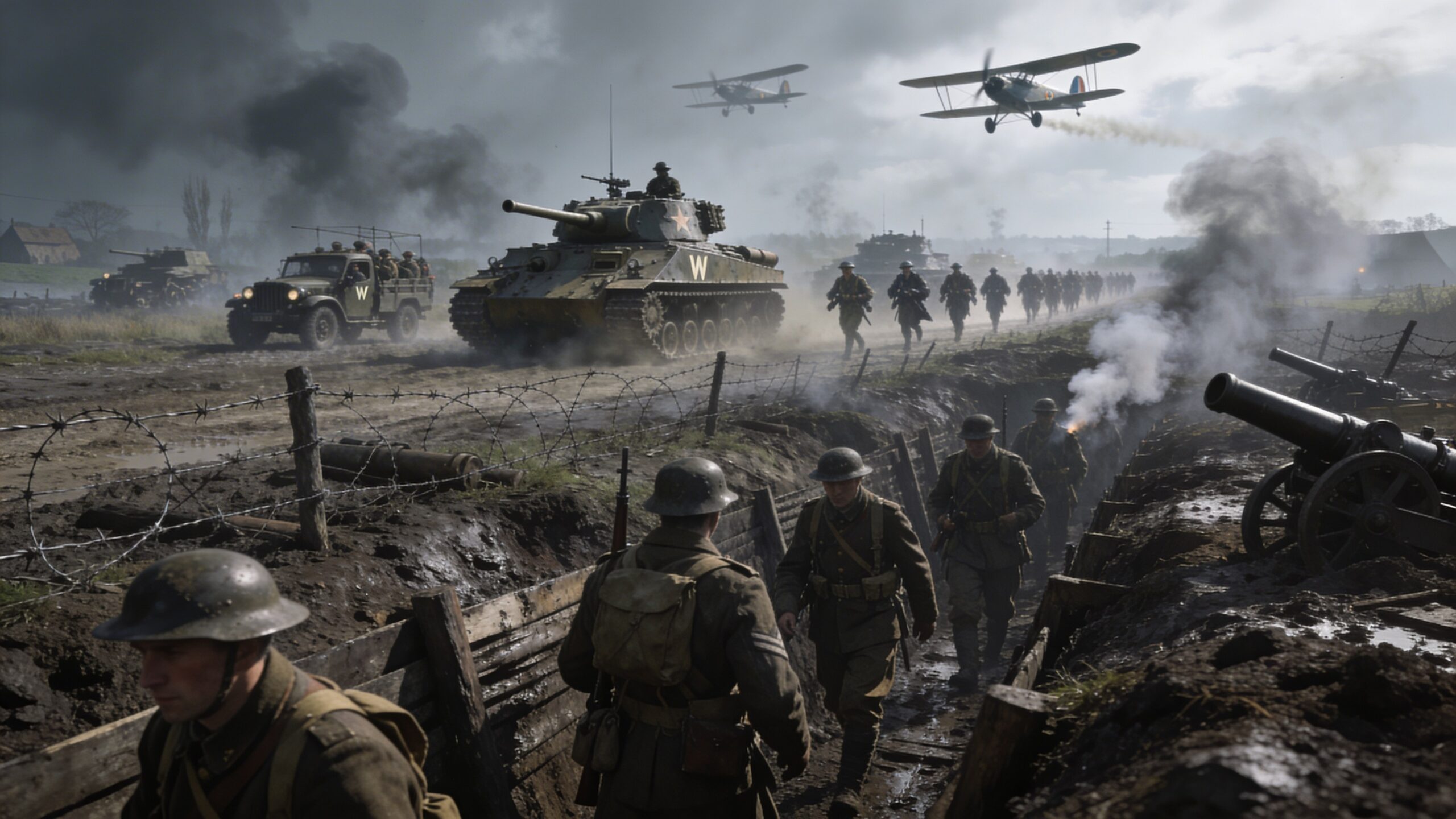
World War I soon became a conflict unlike any previous war in human history. Industrial technology made the fighting far more destructive than earlier conflicts. Machine guns, artillery, and chemical weapons created devastating conditions on the battlefield. Trenches stretched across hundreds of miles, and soldiers endured harsh environments and constant danger. The war also expanded beyond Europe, drawing in countries from around the globe. Colonies and allies contributed troops and resources, transforming the conflict into a truly global struggle. By the time the war ended in 1918, millions of soldiers and civilians had lost their lives.
Understanding the Causes of the Great War
World War I did not begin because of a single event. The assassination in Sarajevo may have been the spark, but the underlying causes had been building for decades. Nationalism fueled rivalries between nations. Militarization created armies ready for conflict. Alliances turned regional disputes into international crises. Imperial competition intensified global tensions.
Together, these forces created a fragile international system where a single crisis could ignite widespread war. Understanding the causes of World War I provides valuable insight into how global conflicts emerge. The lessons of the Great War remind us that peace requires careful diplomacy, cooperation, and a willingness to address tensions before they escalate into catastrophe.