A New Era of Warfare Begins
The nature of warfare is undergoing one of the most profound transformations in human history. At the center of this evolution lies artificial intelligence, a technology that is rapidly reshaping how nations defend themselves, project power, and confront emerging threats. Autonomous weapons—systems capable of selecting and engaging targets without direct human intervention—are no longer theoretical concepts. They are becoming operational realities, redefining global security in ways both promising and deeply concerning. The rise of autonomous weapons represents a convergence of machine learning, robotics, sensor fusion, and advanced computing. Together, these technologies enable machines to process vast amounts of data, recognize patterns, and make decisions at speeds far beyond human capability. This shift is not incremental; it is transformative, signaling a move from human-centered warfare to algorithm-driven conflict.
A: Systems that operate without human control using AI.
A: Yes, in limited forms like drones and defense systems.
A: International laws are still evolving.
A: They augment rather than fully replace humans.
A: Misuse, hacking, and ethical concerns.
A: Often highly precise but not infallible.
A: Cybersecurity is a major concern.
A: Governments and military organizations.
A: Development costs are extremely high.
A: Increased autonomy with tighter regulation.
Understanding Autonomous Weapons Systems
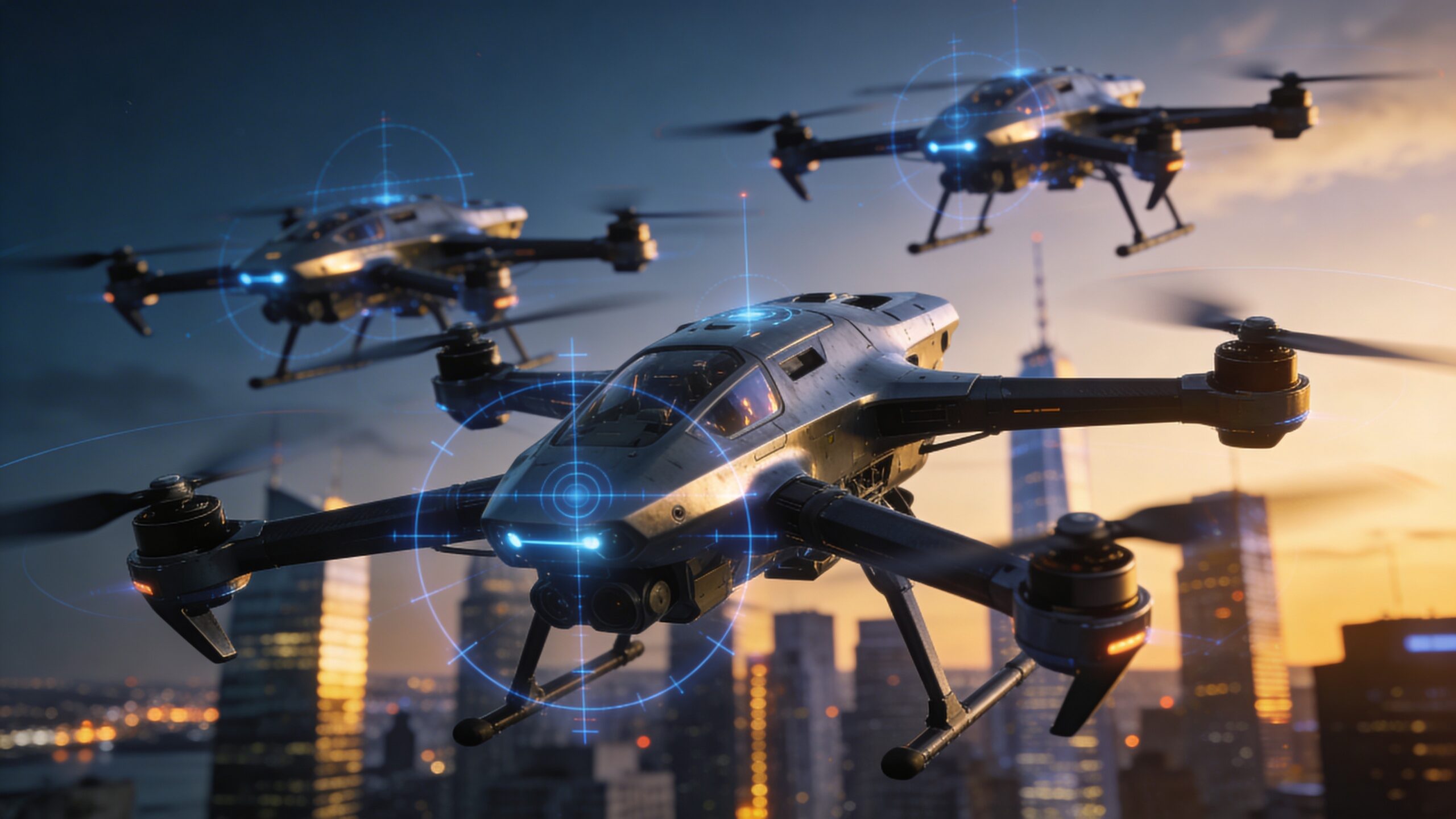
Autonomous weapons systems are designed to operate independently once activated. Unlike traditional remotely piloted systems, such as drones controlled by human operators, these systems rely on AI algorithms to interpret their environment and determine appropriate actions. They can identify targets, assess threats, and execute missions without real-time human oversight.
This autonomy is made possible through advances in computer vision, natural language processing, and predictive analytics. Sensors gather data from the environment, which is then processed by AI models trained on extensive datasets. The result is a system capable of making split-second decisions in complex and dynamic situations.
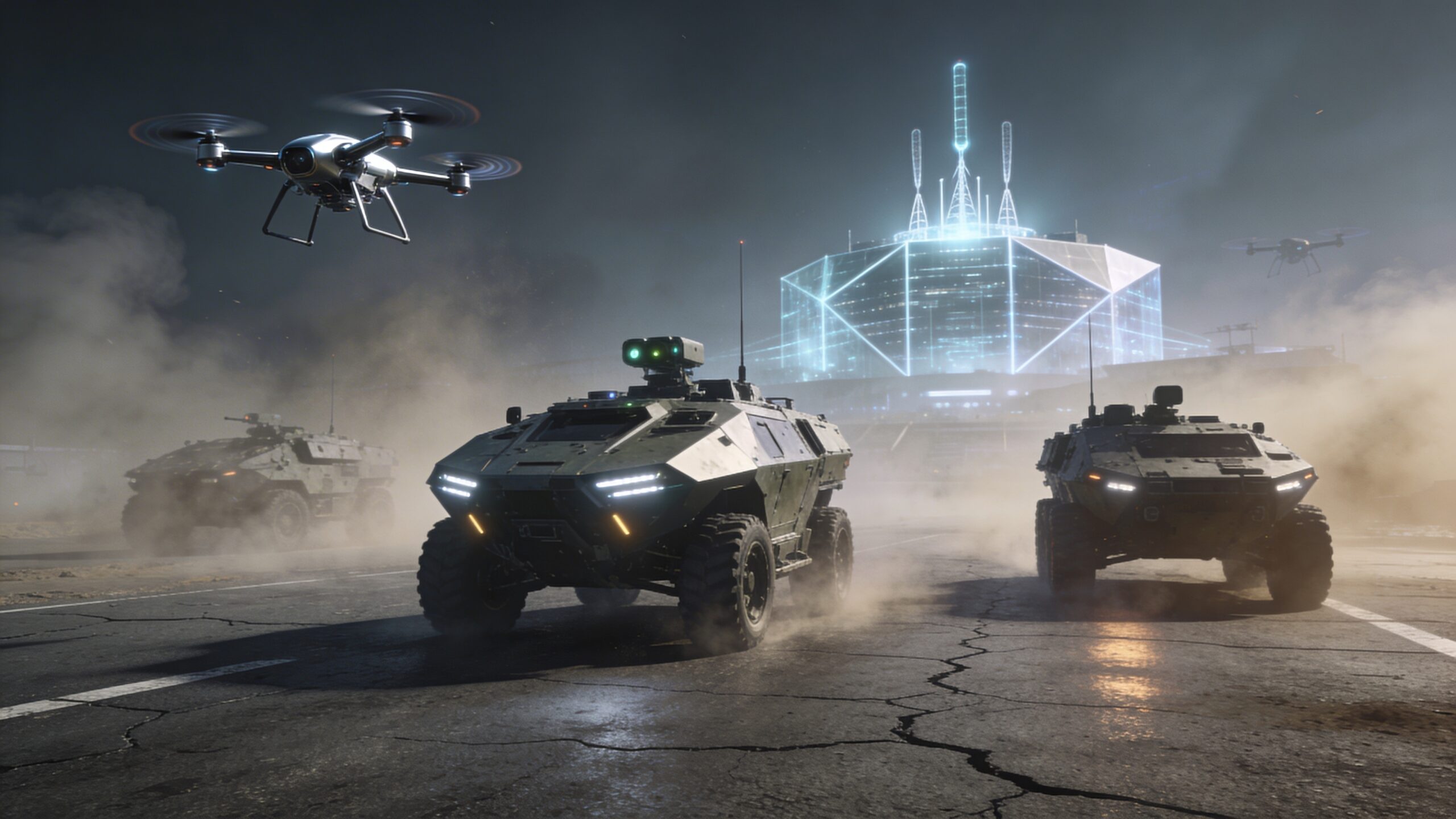
These systems can take many forms, including aerial drones, ground-based robots, naval vessels, and even cyber defense tools. Each application brings its own capabilities and challenges, but all share a common goal: enhancing military effectiveness while reducing human risk.
Speed, Precision, and the Changing Battlefield
One of the most significant advantages of autonomous weapons is their ability to operate at unprecedented speed. In modern warfare, where milliseconds can determine outcomes, AI-driven systems offer a decisive edge. They can analyze incoming threats, coordinate responses, and execute actions faster than any human could.
Precision is another key benefit. Autonomous systems can process vast datasets to identify targets with remarkable accuracy, potentially reducing collateral damage. By minimizing human error and fatigue, these technologies promise more controlled and efficient military operations. However, this increased speed and precision also introduce new risks. The acceleration of decision-making can compress the time available for human oversight, increasing the likelihood of unintended consequences. In high-stakes scenarios, even minor errors can escalate into significant conflicts.
The Global Race for AI Supremacy
Nations around the world are investing heavily in autonomous weapons and AI-driven defense systems. This global race for technological superiority is reminiscent of past arms races, but with a critical difference: the pace of innovation is far faster, and the barriers to entry are lower.
Major powers are integrating AI into their military strategies, recognizing its potential to redefine power dynamics. At the same time, smaller nations and non-state actors are exploring how these technologies can level the playing field. The result is a rapidly evolving landscape where technological advantage can shift quickly.
This competition raises important questions about stability and deterrence. Traditional concepts of mutually assured destruction may no longer apply in the same way when autonomous systems are involved. The unpredictability of AI-driven decision-making adds a new layer of complexity to global security.
Ethical Dilemmas and the Human Question
Perhaps the most contentious aspect of autonomous weapons is the ethical question they pose. Should machines be allowed to make life-and-death decisions? This debate lies at the heart of discussions about AI in defense. Proponents argue that autonomous systems can reduce human suffering by improving precision and eliminating emotional bias. Critics, however, warn that removing humans from the decision-making process could lead to dehumanized warfare and a lack of accountability.
The issue of responsibility is particularly challenging. If an autonomous weapon makes a mistake, who is to blame? The programmer, the commander, or the machine itself? These questions have yet to be fully resolved, and they highlight the need for clear frameworks and regulations.
Cybersecurity and the Risk of Manipulation
As autonomous weapons become more sophisticated, they also become more vulnerable to cyber threats. AI systems rely on data and connectivity, making them potential targets for hacking and manipulation.
Adversaries could exploit vulnerabilities to disrupt operations, alter decision-making processes, or even turn systems against their operators. This risk underscores the importance of robust cybersecurity measures and resilient system design.
The intersection of AI and cyber warfare creates a new domain of conflict where battles are fought not only on physical battlefields but also in digital spaces. Protecting autonomous systems from these threats is a critical challenge for modern defense strategies.
Human-AI Collaboration in Modern Defense
Despite their autonomy, these systems are not entirely replacing human involvement. Instead, they are reshaping the relationship between humans and machines. Military operations are increasingly characterized by human-AI collaboration, where machines handle data processing and execution while humans provide strategic oversight.
This partnership has the potential to enhance decision-making and operational effectiveness. However, it also requires new training, new doctrines, and a rethinking of traditional command structures. Ensuring that humans remain in control, even as machines take on greater roles, is essential for maintaining accountability and trust.
The Future of Warfare and Global Security
Looking ahead, the role of autonomous weapons in global security is likely to expand. Advances in AI will continue to enhance their capabilities, making them more adaptable, more efficient, and more integrated into military operations.
At the same time, the challenges associated with these technologies will grow. Balancing innovation with regulation, efficiency with ethics, and power with responsibility will be critical. International cooperation may be necessary to establish norms and prevent misuse, but achieving consensus in a competitive global environment will not be easy.
The future of warfare will not be defined solely by technology but by how humanity chooses to use it. Autonomous weapons represent both an opportunity and a risk, offering the potential for greater security while also introducing new uncertainties.
Navigating an Uncertain Frontier
The rise of autonomous weapons marks a turning point in the history of warfare. Artificial intelligence is not just enhancing existing systems; it is fundamentally changing how conflicts are fought and how security is maintained.
As nations continue to develop and deploy these technologies, the stakes will only increase. The decisions made today will shape the future of global security for generations to come. Navigating this new frontier will require careful consideration, thoughtful regulation, and a commitment to ensuring that technological progress serves the broader goals of peace and stability.
In this rapidly evolving landscape, one thing is clear: the age of autonomous warfare has arrived, and its impact will be felt across every dimension of global security.