The First Reality of Boot Camp
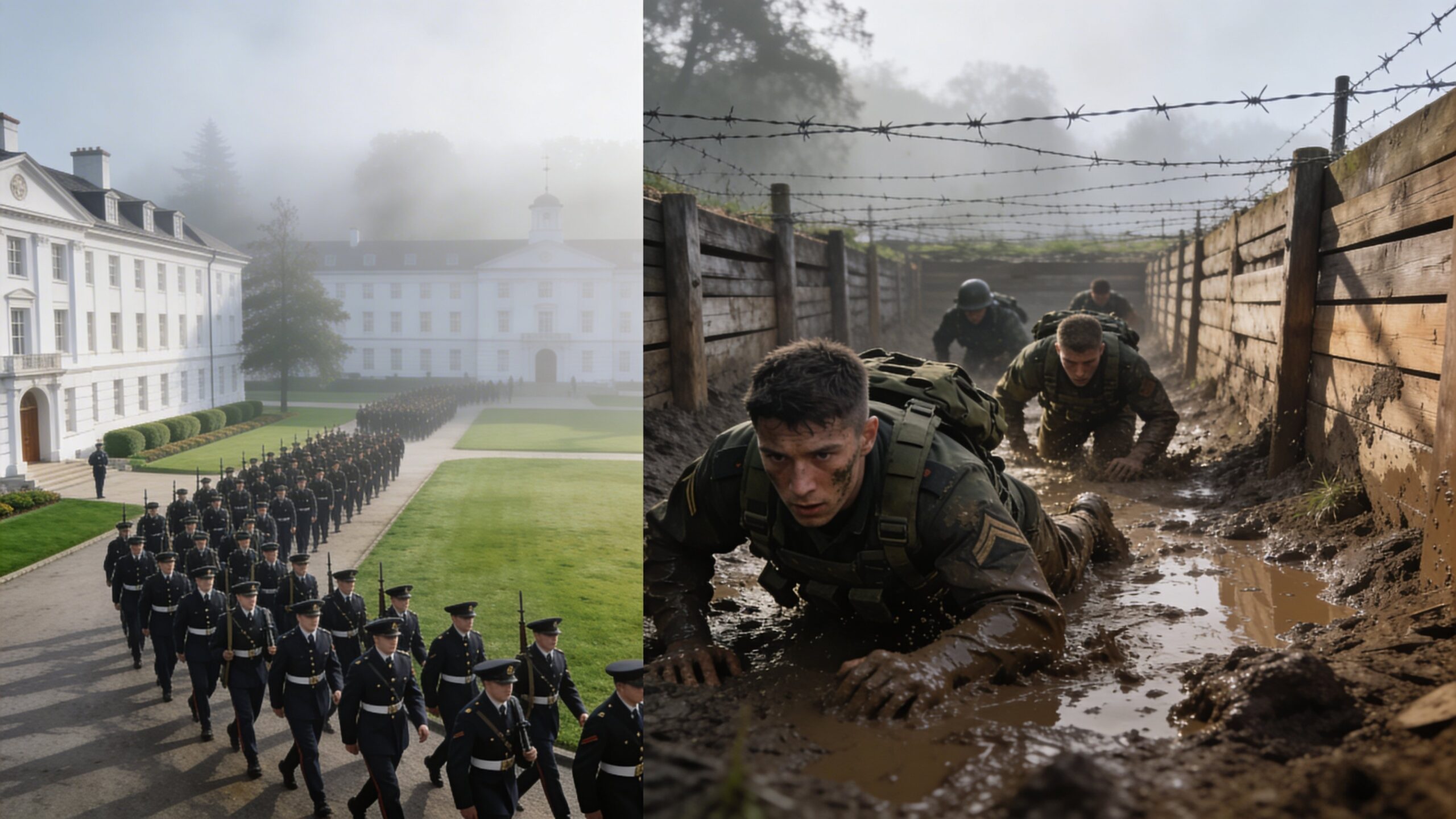
Military boot camp is one of the most recognized training experiences in the world, yet it is also one of the most misunderstood. Many people imagine endless yelling, punishing workouts, and nonstop exhaustion. While those elements can be part of the experience, boot camp is far more than a test of toughness. It is a structured system designed to transform civilians into disciplined, reliable, and capable military personnel in a remarkably short period of time. At its core, military boot camp is about change. Recruits arrive with different habits, backgrounds, and expectations, but the mission is to shape them into people who can function under pressure, follow instructions, work as a team, and meet exacting standards. Boot camp is not random hardship. It is deliberate, organized, and built to prepare individuals for the demands of military life.
A: It is the initial training program that prepares new recruits for military life through discipline, fitness, instruction, and routine.
A: Strict structure builds reliable habits, fast responses, and accountability under pressure.
A: No, it also teaches teamwork, discipline, attention to detail, and military procedures.
A: Yes, pressure is part of the training environment used to build urgency and focus.
A: Yes, many recruits improve during training as long as they remain disciplined and coachable.
A: Recruits usually complete physical training, drill, instruction, inspections, meals, and team tasks on a strict schedule.
A: Yes, it tests resilience, adaptability, and the ability to perform under stress.
A: They learn military customs, teamwork, organization, discipline, and foundational service skills.
A: Graduation confirms that the recruit has completed basic transformation and is ready for follow-on training.
A: It often improves confidence, discipline, urgency, self-control, and the ability to work within a team.
What Military Boot Camp Is Designed to Do
The purpose of boot camp is to create a rapid foundation for service. Before advanced training, specialized roles, or operational assignments can begin, new recruits must learn the essentials. That includes physical fitness, discipline, attention to detail, teamwork, personal responsibility, and the ability to perform even when tired, stressed, or uncomfortable.
Boot camp also introduces recruits to military culture. This means learning how to speak, move, organize equipment, follow a chain of command, and handle responsibilities in a highly structured environment. The goal is not simply to make people stronger. It is to make them dependable. In a military setting, dependability matters as much as endurance, because people must be able to trust one another without hesitation.
Why It Feels So Intense
Boot camp is intentionally demanding because the military cannot afford uncertainty in critical moments. Training is designed to create automatic habits that hold up under pressure. That is why even simple tasks are repeated until they become second nature. Making a bed, standing in formation, responding to orders, caring for equipment, and moving with urgency may seem small on their own, but together they form the discipline that supports larger missions. The intensity also strips away casual habits from civilian life. Recruits no longer move at their own pace, sleep according to personal preference, or organize their day however they wish. Nearly every part of the schedule is controlled. That sudden shift can feel overwhelming at first, but it is central to how boot camp works. The structure is the training.
The Arrival Experience
The earliest phase of boot camp often leaves the strongest impression. Recruits arrive in an unfamiliar environment where speed, compliance, and attention immediately matter. Instructions come quickly. Expectations are high from the start. Small errors are corrected fast, and there is little time to settle in emotionally.
This opening period is important because it resets the recruit’s mindset. Civilian routines are replaced with military routines almost instantly. Haircuts, gear issue, paperwork, medical checks, and first formations often happen in quick succession. From the beginning, recruits learn that their time is no longer fully their own. Every minute has a purpose, and every action is being shaped into part of a disciplined system.
How Daily Life Is Structured
A boot camp day usually begins early and moves with relentless momentum. Recruits wake up, prepare for formation, complete physical training, eat on a schedule, attend instruction, drill, clean, organize gear, and move from one task to the next with little wasted time. The day is built around routine, repetition, and accountability. This structure is not just about control. It teaches recruits how to perform consistently, even when tired. It also reduces distractions. When every hour has a purpose, people stop focusing on comfort and start focusing on execution. Over time, that routine begins to change how recruits think. They become faster, more organized, and more aware of the standards expected around them.
The Role of Physical Training
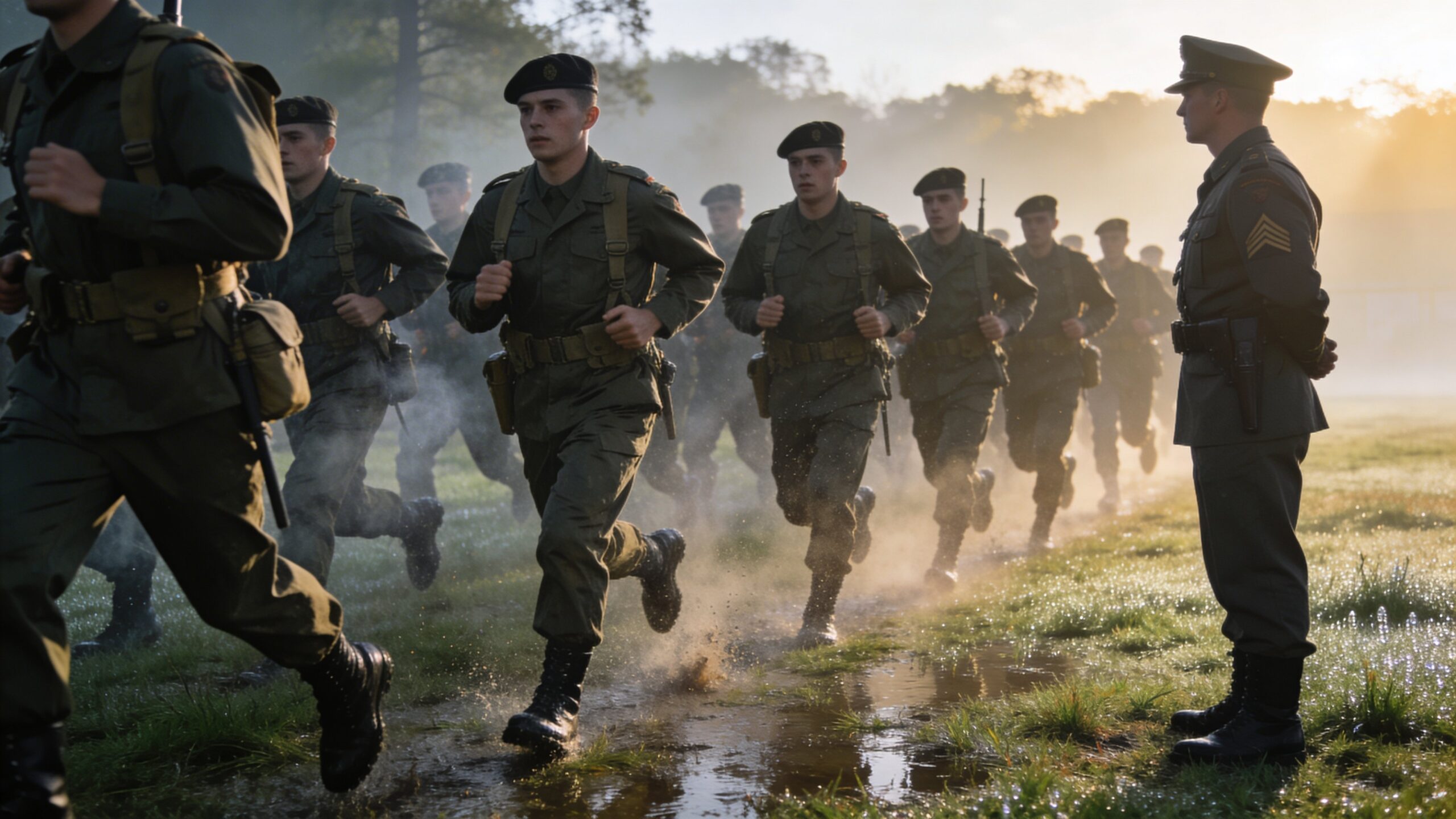
Physical training is one of the most visible parts of boot camp, and for good reason. Recruits are expected to build endurance, strength, speed, and resilience. Running, calisthenics, obstacle courses, and conditioning drills are common parts of training. The goal is not only to improve performance but to prepare the body for the demands of military life.
Physical training also has a psychological purpose. It teaches recruits how to keep going when conditions become uncomfortable. They learn to control their breathing, push through fatigue, and rely on discipline instead of mood. Boot camp does not assume everyone arrives in perfect shape. Instead, it uses structure and repetition to steadily raise performance and confidence.
Drill Instructors and Their Purpose
Few figures define boot camp more than drill instructors or training instructors. To outsiders, they often appear intimidating, severe, and relentless. That impression is not accidental. Their role is to enforce standards, correct mistakes instantly, and create an environment where recruits learn urgency and discipline. But their job is bigger than intimidation. Drill instructors are responsible for shaping behavior, building group discipline, and ensuring recruits meet the required standard. They apply pressure because pressure reveals weakness, carelessness, and hesitation. Once those weaknesses appear, they can be corrected. In that sense, drill instructors are not there merely to be harsh. They are there to produce reliable results.
Teamwork as a Core Lesson
One of the most important lessons in boot camp is that no recruit succeeds entirely alone. Even though individuals are evaluated, much of the experience depends on group performance. Marching, drills, cleaning tasks, obstacle courses, and countless routines are built around coordination. Recruits learn quickly that one person’s mistake can affect the whole unit.
That dynamic is intentional. Military life depends on trust, timing, and mutual responsibility. Boot camp teaches that personal discipline is not just personal. It has consequences for everyone around you. Over time, recruits begin to look beyond themselves and pay closer attention to the needs, timing, and performance of the group. This shift from individual thinking to team thinking is one of the most important ways boot camp changes people.
Classroom Training and Instruction
Although boot camp is known for physical and disciplinary training, it also includes classroom instruction. Recruits often study military customs, procedures, values, first aid basics, rules of conduct, safety, and foundational knowledge related to service. This educational side is essential because military readiness requires more than fitness and obedience. The classroom environment also reinforces concentration and attention to detail. Recruits must absorb information quickly, remember procedures, and apply what they learn under pressure. In this way, boot camp blends mental and physical demands. It does not only train bodies to move. It trains minds to respond correctly in structured and stressful situations.
Inspections, Standards, and Detail
Inspections are a major part of how boot camp operates. Beds, lockers, uniforms, boots, equipment, hygiene, and even posture can all be evaluated. To a civilian, these details may seem minor, but the military treats them as signals of discipline. A person who can manage details well is more likely to perform reliably in larger responsibilities.
This constant attention to standards teaches recruits that precision matters. It also teaches that discipline is not limited to dramatic moments. It shows up in small habits, repeated day after day. A clean bunk, properly arranged gear, and polished boots are not simply about appearance. They are training tools that build consistency, pride, and self-control.
The Mental Side of Boot Camp
Boot camp is as much a mental challenge as a physical one. Recruits must function while tired, homesick, uncertain, or frustrated. They must learn to accept correction without collapse, maintain focus when under pressure, and continue performing even when motivation drops. This is where much of the real transformation happens. Mental toughness in boot camp is not about becoming emotionless. It is about learning to operate effectively despite discomfort. Recruits begin to realize that they are capable of more than they assumed. Confidence grows not from being comfortable, but from succeeding in conditions that once felt overwhelming. That is one reason boot camp often leaves such a powerful and lasting impression.
How Recruits Change Over Time
The transformation in boot camp rarely happens all at once. In the beginning, many recruits feel disoriented. The pace is faster, the standards are stricter, and the loss of personal control can feel jarring. But with repetition, routines become familiar. Movements become sharper. Reactions become faster. Confidence begins to replace hesitation.
By the later stages of training, recruits often carry themselves differently. Their posture changes. Their speech becomes more direct. Their time management improves. They understand how to work within a team, how to manage equipment, and how to meet standards without constant confusion. This visible transformation is one of the clearest signs that boot camp is working as intended.
Graduation and What It Means
Graduation from boot camp is not just a ceremony. It represents a major shift in identity. Recruits who began as civilians have completed a demanding process that required adaptation, persistence, and discipline. They have not mastered everything, but they have built the foundation needed for the next stage of military training and service. That moment matters emotionally because it confirms growth. It shows that what once seemed chaotic or impossible has become manageable through effort and structure. Families often see the outward changes immediately, but many recruits feel the deeper change internally. They know they have passed through an environment that demanded more from them than most experiences in ordinary life.
Common Misunderstandings About Boot Camp
One of the biggest misconceptions about boot camp is that it exists simply to punish or humiliate people. In reality, the experience is highly organized and purposeful. It is demanding because the job it prepares people for is demanding. The pressure is not random. It is used to create discipline, readiness, and reliability.
Another misunderstanding is that boot camp is only about physical hardship. While physical training is important, much of the experience centers on routine, standards, adaptability, and teamwork. People who think only the strongest athletes succeed often miss the bigger truth. Many recruits succeed because they stay coachable, mentally steady, and willing to improve each day.
Why Boot Camp Matters
Military boot camp matters because it builds the baseline for everything that follows. Before a person can take on technical skills, leadership responsibility, or mission-specific work, they need the discipline to function under pressure and the reliability to operate within a team. Boot camp creates that base through repetition, structure, and demanding standards. It also matters because it reveals character. Recruits discover how they respond to fatigue, correction, and pressure. They learn what discipline really feels like when it is no longer optional. In many cases, they leave boot camp not just more prepared for military life, but more aware of their own capability, resilience, and potential.
Final Thoughts
Military boot camps work because they combine intensity with purpose. They replace ordinary habits with disciplined ones, individual comfort with team responsibility, and uncertainty with structured action. Every early wake-up, every inspection, every drill, and every demanding workout is part of a larger design meant to prepare recruits for serious responsibility.
For those wondering what military boot camps are and how they work, the simplest answer is this: they are transformation systems. They take people at the beginning of a journey and push them through a carefully controlled process that builds discipline, fitness, focus, and confidence. The experience is hard by design, but that difficulty is exactly what gives boot camp its power and lasting impact.