The Evolution of Naval Power in the Modern Era
Modern naval warfare represents one of the most complex and technologically advanced forms of military power ever developed. Once dominated by wooden ships and cannon fire, naval combat has transformed into a multidimensional domain where information, precision, and coordination determine victory. Today’s navies operate as integrated systems, combining air, surface, subsurface, and cyber capabilities into a unified force capable of projecting power across the globe. This evolution has been driven by rapid advances in engineering, electronics, and communication systems. Modern fleets are no longer isolated groups of ships but interconnected networks that share real-time intelligence, enabling faster decisions and more effective responses. Naval warfare now extends beyond visible combat, encompassing surveillance, deterrence, and strategic influence across international waters.
A: It is maritime conflict that combines ships, submarines, aircraft, missiles, sensors, and digital networks to control or deny access to the sea.
A: They project air power far from land bases and give navies a mobile platform for strikes, defense, and surveillance.
A: Their stealth, endurance, and ability to strike without warning make them among the most dangerous naval assets.
A: Sea control means using naval power to operate safely in an area while preventing the enemy from doing the same.
A: Sea denial focuses on stopping an enemy from using maritime space, even if full control is not possible.
A: Yes, but they are secondary to guided missiles in most major combat scenarios.
A: Radar detects objects through radio waves in the air, while sonar uses sound to locate objects underwater.
A: They assist with reconnaissance, mine detection, surveillance, and missions that would otherwise put crews at greater risk.
A: Modern fleets depend on networked systems, so cyber attacks can disrupt sensors, communications, and operations.
A: Greater integration of stealth, long-range precision weapons, unmanned systems, and real-time data-driven command.
Core Strategies in Modern Naval Warfare
At the heart of modern naval operations lies a set of strategic principles designed to control maritime space and influence events far beyond the horizon. Sea control remains a fundamental objective, allowing a nation to secure vital shipping routes, protect trade, and ensure military mobility. Equally important is sea denial, which focuses on preventing adversaries from operating freely in contested waters.
Power projection has become a defining feature of modern navies. Through the use of aircraft carriers and amphibious assault ships, nations can deploy military force rapidly without relying on foreign bases. This capability allows for flexible responses to crises, ranging from humanitarian missions to full-scale combat operations.
Deterrence also plays a critical role. The presence of advanced warships and submarines serves as a powerful signal, discouraging potential adversaries from escalating conflicts. In particular, nuclear-powered submarines equipped with ballistic missiles provide a second-strike capability, forming a cornerstone of strategic defense.
Aircraft Carriers: Floating Powerhouses
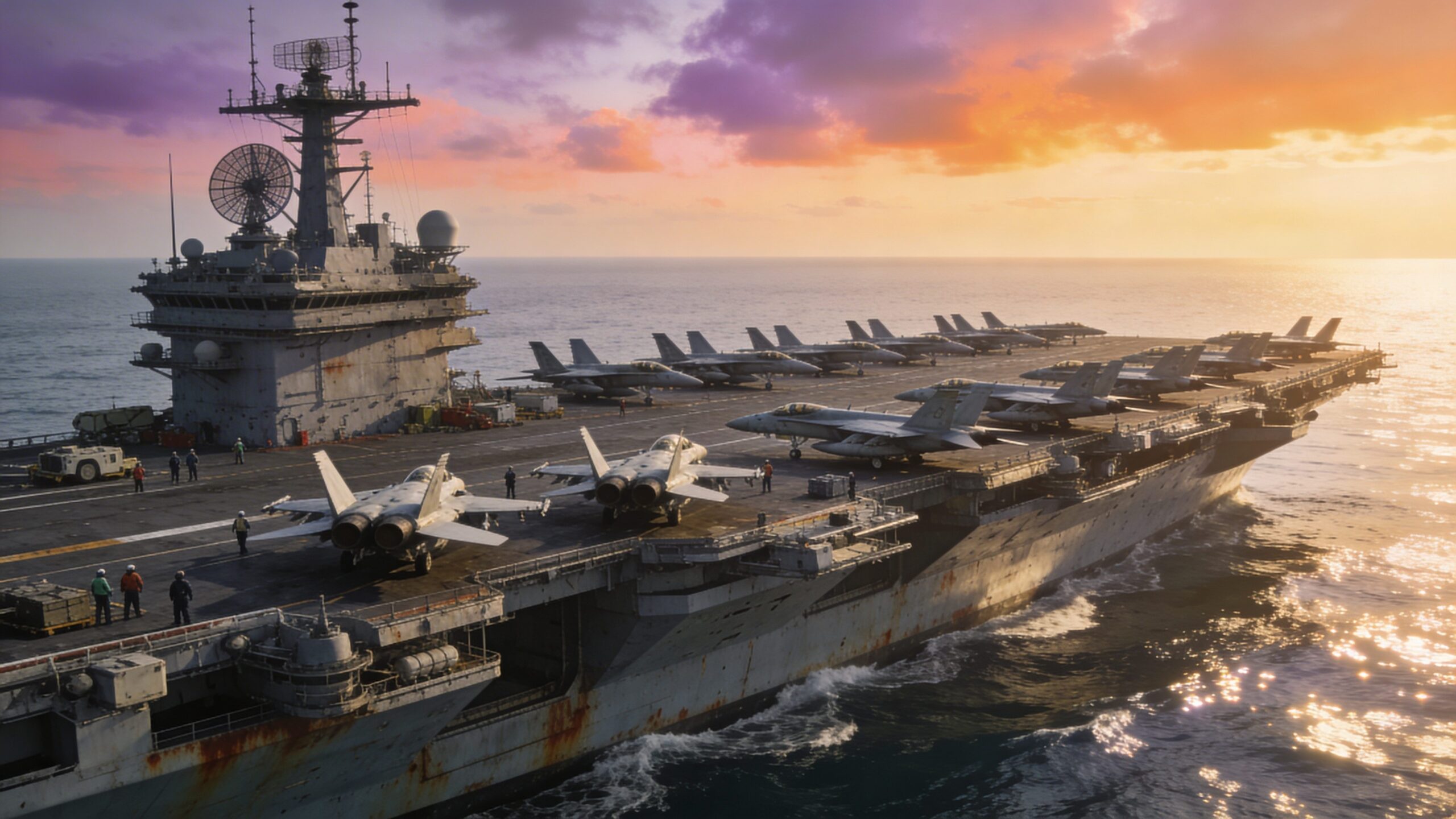
Aircraft carriers are often considered the centerpiece of modern naval warfare. These massive vessels function as mobile airbases, capable of launching and recovering fighter jets, surveillance aircraft, and helicopters in the middle of the ocean. Their ability to project air power anywhere in the world makes them invaluable in both offensive and defensive operations.
The design and operation of aircraft carriers reflect the complexity of modern warfare. Advanced catapult systems launch aircraft into the air, while arresting cables safely bring them back to the deck. Beneath the surface, nuclear reactors provide the immense energy required to sustain operations for extended periods without refueling. Carrier strike groups, which include destroyers, cruisers, and submarines, provide layered protection and additional firepower. This combination creates a highly versatile force capable of adapting to a wide range of missions, from combat operations to disaster relief.
Submarines: Silent Dominance Beneath the Waves
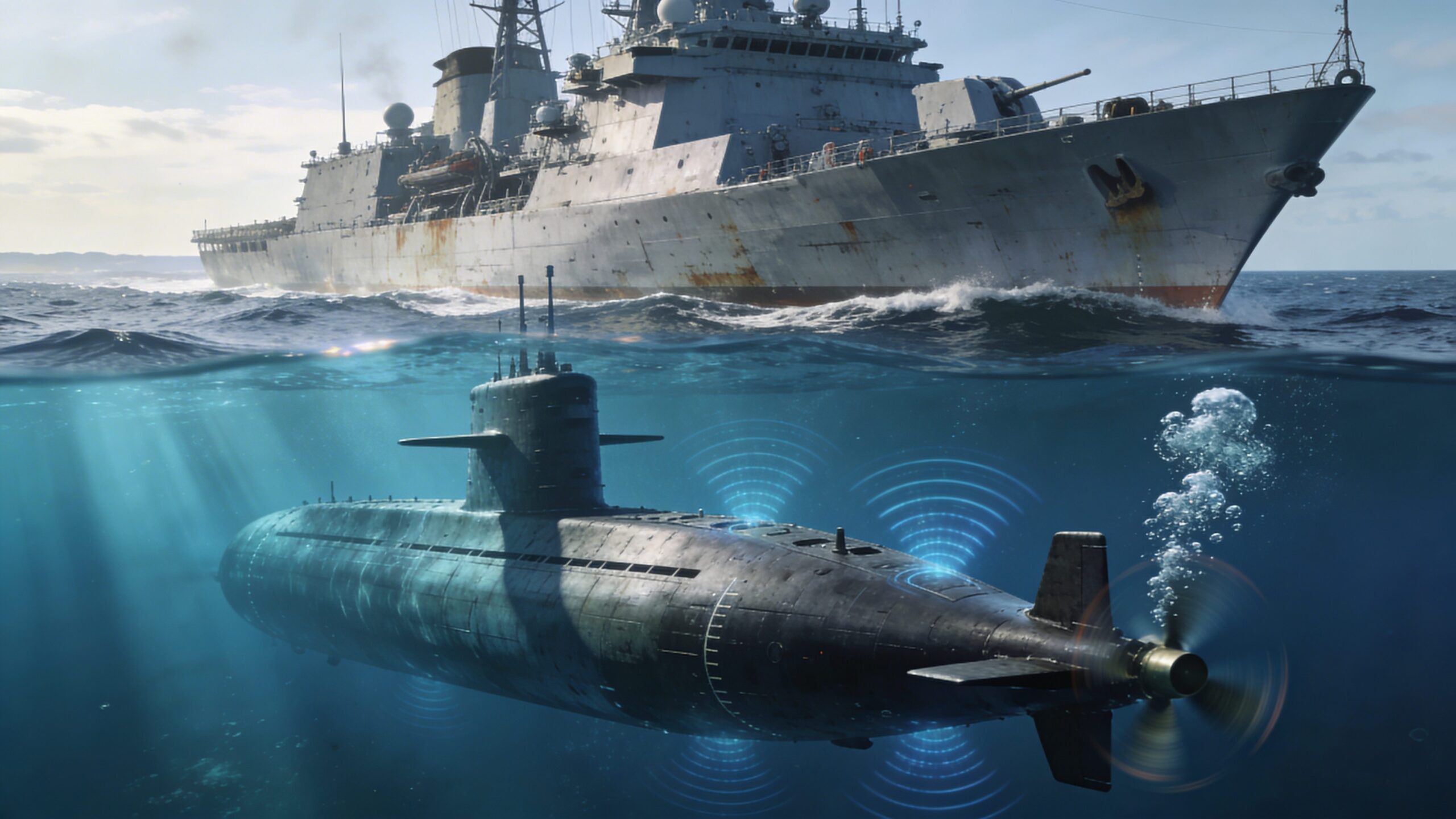
Submarines represent one of the most strategic and elusive components of naval warfare. Operating beneath the ocean’s surface, they are designed for stealth, endurance, and precision. Modern submarines can remain submerged for months, making them nearly invisible to enemy detection systems.
There are several types of submarines, each serving a distinct role. Attack submarines are designed to hunt enemy vessels and gather intelligence, while ballistic missile submarines carry nuclear weapons for strategic deterrence. Cruise missile submarines, on the other hand, provide long-range strike capabilities against land and sea targets.
The effectiveness of submarines lies in their ability to operate undetected. Advanced sonar systems, quiet propulsion technologies, and sophisticated navigation tools allow them to move silently through the water, striking targets with precision before disappearing back into the depths.
Destroyers, Frigates, and Surface Combatants
Surface warships form the backbone of naval fleets, providing defense, firepower, and operational flexibility. Destroyers are among the most capable vessels, equipped with advanced radar systems, guided missiles, and anti-submarine warfare capabilities. They are designed to protect larger ships, engage enemy threats, and operate independently when necessary.
Frigates, while smaller, play a crucial role in escort missions and coastal defense. Their versatility allows them to perform a wide range of tasks, including anti-submarine warfare, patrol operations, and humanitarian assistance. Cruisers, though less common in modern fleets, continue to serve as command ships with significant firepower and coordination capabilities. These surface combatants work together as part of a larger network, sharing information and coordinating actions to create a cohesive and effective fighting force.
The Role of Naval Aviation
Naval aviation extends the reach of fleets far beyond the horizon. Fighter jets launched from aircraft carriers provide air superiority, strike capabilities, and reconnaissance. Helicopters support anti-submarine warfare, search and rescue missions, and logistical operations.
The integration of aviation into naval operations has transformed the nature of maritime combat. Aircraft can detect and engage threats long before they come within range of surface ships, providing a critical advantage in both offensive and defensive scenarios.
Modern naval aviation relies heavily on advanced sensors, communication systems, and precision-guided munitions. These technologies enable pilots to operate effectively in complex environments, ensuring that naval forces maintain control of the skies above the sea.
Advanced Weapons and Missile Systems
One of the defining features of modern naval warfare is the use of advanced weapon systems. Guided missiles have largely replaced traditional naval guns as the primary means of engaging targets. These missiles can strike with incredible accuracy over long distances, allowing ships to engage threats before they become immediate dangers.
Anti-ship missiles are designed to target enemy vessels, while surface-to-air missiles provide defense against incoming aircraft and missiles. Land-attack missiles extend the reach of naval forces, enabling them to strike targets deep inland. Emerging technologies, such as hypersonic missiles, are pushing the boundaries of speed and maneuverability. These weapons travel at extremely high velocities, making them difficult to detect and intercept, and are expected to play a significant role in future naval conflicts.
The Importance of Stealth and Electronic Warfare
Stealth technology has become a critical component of modern warship design. By reducing radar signatures and minimizing acoustic noise, ships and submarines can operate more effectively in contested environments. This ability to remain undetected provides a significant tactical advantage.
Electronic warfare further enhances this capability by disrupting enemy communication and sensor systems. Through jamming, deception, and cyber operations, naval forces can interfere with an adversary’s ability to gather and process information. This creates opportunities to exploit weaknesses and gain the upper hand in combat situations.
The combination of stealth and electronic warfare reflects the shift toward information dominance, where controlling the flow of data is just as important as physical firepower.
Naval Logistics and Global Reach
Behind every successful naval operation lies a complex logistical network. Modern fleets rely on a steady supply of fuel, ammunition, and provisions to maintain readiness and effectiveness. Replenishment ships play a vital role in sustaining operations, allowing warships to remain at sea for extended periods.
Global naval bases and alliances also contribute to operational reach. By establishing strategic locations around the world, navies can respond quickly to emerging threats and maintain a constant presence in key regions. Logistics may not be as visible as combat operations, but it is essential to the success of any naval mission. Without it, even the most advanced fleets would struggle to maintain their capabilities.
The Rise of Autonomous Systems and AI
The future of naval warfare is being shaped by rapid advancements in artificial intelligence and autonomous systems. Unmanned surface vessels and underwater drones are increasingly being used for reconnaissance, mine detection, and even combat operations.
These systems offer several advantages, including reduced risk to human personnel and the ability to operate in hazardous environments. AI-driven analytics also enhance decision-making by processing vast amounts of data in real time, providing commanders with actionable insights.
As these technologies continue to evolve, they are expected to play a larger role in naval operations, transforming the way conflicts are fought at sea.
Cyber Warfare and Information Dominance
In the digital age, naval warfare extends beyond physical engagements to include cyber operations. Modern ships and systems rely heavily on interconnected networks, making them vulnerable to cyber attacks. Protecting these systems is a top priority for naval forces.
Cyber warfare involves both defensive and offensive capabilities. Defensively, navies work to secure their networks and prevent unauthorized access. Offensively, they may target an adversary’s systems to disrupt operations and gain a strategic advantage. Information dominance has become a key objective, as the ability to gather, process, and act on information quickly can determine the outcome of a conflict.
The Future of Naval Warfare
As technology continues to advance, the nature of naval warfare will continue to evolve. New materials, propulsion systems, and weapon technologies are being developed to enhance performance and capabilities. The integration of space-based assets, such as satellites, will further expand the reach and effectiveness of naval forces.
Environmental considerations are also influencing the design and operation of modern fleets. Efforts to reduce emissions and improve efficiency are shaping the next generation of warships, reflecting a broader commitment to sustainability.
The future will likely see a greater emphasis on collaboration, with allied navies working together to address shared challenges. This cooperative approach will be essential in maintaining stability and security in an increasingly complex global environment.
Power, Precision, and Presence at Sea
Modern naval warfare is defined by its ability to combine power, precision, and presence in a single, cohesive force. From aircraft carriers and submarines to advanced missile systems and autonomous technologies, today’s navies represent the cutting edge of military innovation.
As the world continues to change, the importance of naval power remains constant. Control of the seas ensures the flow of commerce, the projection of influence, and the protection of national interests. In this dynamic and ever-evolving domain, modern naval warfare stands as a testament to the enduring significance of maritime strength.