The Marvel of a Floating Airbase
Few machines capture the imagination like an aircraft carrier. It is not simply a ship, and it is not merely a military base moved onto the ocean. An aircraft carrier is a floating city, an engineering giant, a strategic command hub, and a launch platform for some of the most advanced aircraft in the world. It carries aviation power across vast oceans, allowing a nation to place air strength almost anywhere without depending on nearby land bases. That capability makes aircraft carriers one of the most influential tools in modern naval warfare. To understand how aircraft carriers work, it helps to think of them as complete operational ecosystems. They are designed to move aircraft, fuel them, arm them, launch them, recover them, repair them, and do all of that while crossing open water under combat-ready conditions. Every deck, corridor, elevator, and control room has a role in supporting this mission. The result is a vessel that merges military strategy, mechanical design, logistics, and aviation into a single moving platform.
A: It is a warship designed to operate as a mobile airbase that launches, recovers, and supports military aircraft at sea.
A: They use catapult systems or assisted launch methods to reach takeoff speed on the short flight deck.
A: They use a tailhook to catch arresting wires stretched across the landing area, stopping rapidly after touchdown.
A: Angled decks improve recovery safety and make it easier to continue deck operations during landings.
A: It is a formation built around the carrier that includes escort ships, submarines, and support vessels for defense and mission support.
A: They provide mobile airpower, strategic flexibility, and a visible military presence far from home bases.
A: Many large modern carriers are, because nuclear propulsion provides long endurance and major onboard power.
A: Aircraft maintenance, fueling support, weapons handling, storage, repairs, and much of the ship’s daily operations take place there.
A: Typically thousands, including ship crew, aviation personnel, command staff, and support teams.
A: Their strategic importance and size make them prime targets, so they depend on escorts, air defense, and strong situational awareness.
Why Aircraft Carriers Matter in Modern Warfare
Aircraft carriers matter because they solve a core military problem: how to project power far from home. Nations with carrier capability do not always need permission to use foreign airfields or nearby bases. A carrier can sail into a region, remain in international waters, and provide air operations for surveillance, deterrence, defense, or combat. That flexibility gives political leaders and military planners a powerful range of options during crises.
Their value is not only offensive. Carriers can support disaster response, humanitarian missions, evacuation efforts, and maritime security operations. They can serve as command centers during regional emergencies and as symbols of presence during tense geopolitical moments. In many cases, the arrival of a carrier group changes the strategic atmosphere before any aircraft even leaves the deck. Its very presence signals reach, capability, and readiness.
The Basic Structure of an Aircraft Carrier
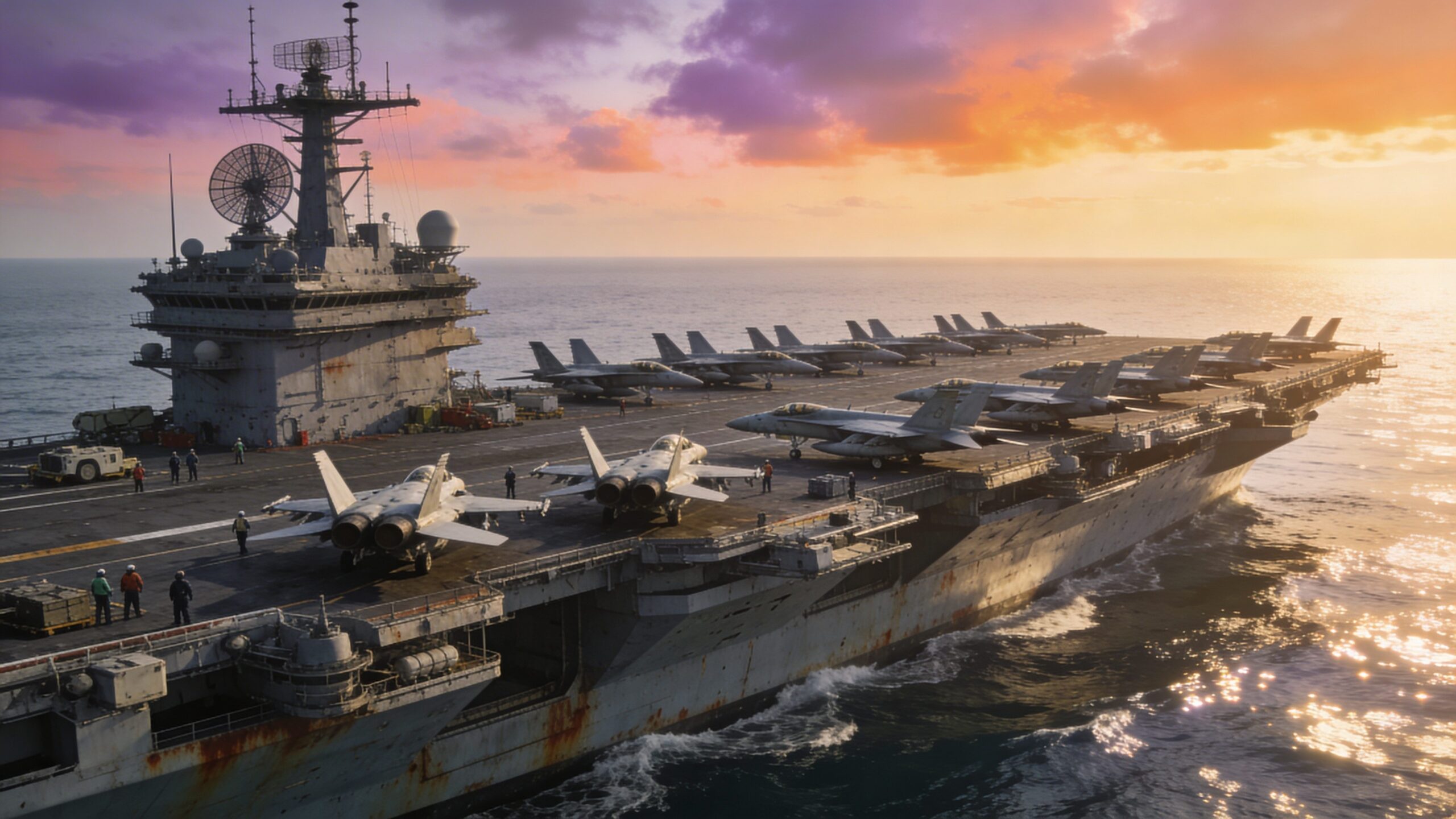
At first glance, the most recognizable part of an aircraft carrier is the flight deck. This enormous flat surface is where aircraft are launched, recovered, parked, and moved. But the flight deck is only the visible top layer of a much deeper structure. Beneath it lies the hangar deck, maintenance spaces, storage areas, fuel systems, munitions handling zones, living quarters, kitchens, command centers, medical facilities, engine spaces, and countless technical compartments. The carrier’s island, the tower-like structure rising above one side of the flight deck, contains the bridge, radar equipment, flight control areas, and other critical operational spaces. Positioning the island off to the side helps leave more usable runway space on the deck while also improving visibility and operational control. The ship itself is built around the demands of naval aviation, meaning its internal design revolves around keeping aircraft operations continuous, safe, and efficient even in difficult sea conditions.
How the Flight Deck Functions
The flight deck is often compared to a compact airport runway, but it is far more complex than that. Unlike a land runway with wide margins and long distances, the carrier deck is tight, heavily choreographed, and constantly active. Aircraft may be preparing for launch on one section while another is landing. Crew members must manage movement, communication, fuel, weapons, safety checks, and timing with extraordinary precision.
Modern carriers often feature an angled flight deck, which allows landing and launch operations to overlap more effectively. The angled design gives landing aircraft a better recovery path if they miss the arresting wires and need to take off again. This single design feature transformed naval aviation by improving both safety and deck efficiency. On a busy carrier, every square foot matters, and the deck functions like a living machine powered by timing and discipline.
Launching Aircraft from a Moving Ship
One of the most fascinating parts of carrier operations is aircraft launch. Fighter jets need tremendous speed to become airborne, yet a carrier deck is far shorter than a runway on land. To solve this, carriers use launch systems that rapidly accelerate aircraft to takeoff speed. Traditional systems use steam catapults, which generate powerful force to hurl the aircraft forward in just seconds. Newer designs may use electromagnetic launch systems, which provide smoother acceleration and improved efficiency. Before launch, an aircraft is positioned carefully and attached to the catapult system. The crew performs final checks, engines roar to high power, and once all signals align, the aircraft is fired down the deck. In moments it transitions from a steel platform at sea to open sky above the ocean. This launch process looks dramatic, but it is built on exact calculations, mechanical reliability, and tightly controlled teamwork.
How Aircraft Land on Carriers
Landing on an aircraft carrier is one of the most difficult tasks in aviation. Pilots are not simply landing on a runway. They are landing on a moving target surrounded by ocean, often in shifting weather, with limited deck space and little room for error. To stop quickly enough, carriers use arresting gear, a system of heavy steel cables stretched across the landing area. A hook on the aircraft catches one of these wires and brings the plane to a rapid stop.
This system must work flawlessly, because the aircraft approaches at high speed and has only seconds to align correctly. If the hook misses the wires, the pilot immediately powers up and takes off again for another attempt. Every carrier landing is a blend of pilot skill, deck coordination, and mechanical precision. It is a dramatic reminder that carrier aviation is as much about recovery as launch.
The Role of the Hangar Deck
Below the flight deck sits the hangar deck, where much of the quieter but equally vital work takes place. This is where aircraft are stored, maintained, inspected, repaired, and prepared for future missions. Aircraft elevators move planes between the hangar and the flight deck, allowing the carrier to cycle equipment efficiently depending on mission demands. The hangar is not just a parking area. It is a working environment filled with maintenance crews, tools, replacement parts, support equipment, and constant activity. Aircraft that appear ready and polished on the flight deck have usually passed through careful work below. This hidden level is essential to keeping sortie rates high and ensuring the air wing stays operational over long deployments.
Fuel, Weapons, and Ordnance Handling
Aircraft carriers carry huge amounts of aviation fuel and munitions, and moving these materials safely is one of the ship’s most important jobs. Fuel systems are designed to store, protect, and distribute aviation fuel under demanding conditions. Weapons handling systems move bombs, missiles, and ammunition from secure magazines to preparation areas and then to aircraft.
This process is heavily controlled because the risks are enormous. Fire prevention, blast protection, and strict handling procedures are built into every stage. Specialized crews manage ordnance loading with discipline and precision. The carrier’s ability to sustain air missions depends not just on pilots and aircraft, but on this quiet chain of fuel and weapons management happening behind the scenes.
Powering the Ship Itself
Many large aircraft carriers are powered by nuclear reactors, which allow them to operate for extremely long periods without refueling. That is one of the key reasons carriers can remain deployed around the world for so long. Nuclear power provides immense endurance and supports the vast electrical needs of the ship, including propulsion, radar, command systems, launch equipment, and onboard life support. Even with such power, the carrier still depends on an enormous network of internal systems. Water purification, food storage, ventilation, climate control, waste management, and electrical distribution all matter. A carrier is a giant self-contained environment built to support thousands of people and dozens of aircraft in the middle of the ocean. Its engineering is not just about moving through water. It is about sustaining a high-tempo airbase at sea.
The Air Wing: The Carrier’s Real Striking Power
An aircraft carrier is powerful because of the air wing it carries. The ship itself is the platform, but the aircraft are the tools that extend its reach. Carrier air wings typically include fighter aircraft, airborne early warning aircraft, helicopters, electronic warfare aircraft, and logistics support planes or helicopters. Each type serves a different function, creating a layered capability that supports surveillance, air defense, strike missions, rescue operations, and command coordination.
This mix of aircraft allows a carrier to perform many missions at once. Some aircraft may patrol for threats, others may escort strike packages, and others may monitor the airspace and sea surface far beyond the horizon. The air wing turns the carrier from a large ship into a mobile military system capable of shaping events across a huge area.
The Crew Behind the Carrier
Aircraft carriers rely on enormous crews because every mission requires vast coordination. Sailors run engineering spaces, communications, navigation, radar, maintenance, damage control, medical care, food service, munitions handling, aviation fueling, air traffic coordination, and countless other tasks. Pilots may receive the attention, but the carrier only works because thousands of people maintain the tempo. The deck crew is especially critical. These teams guide aircraft, monitor safety, move equipment, connect launch systems, and clear landing areas at high speed. Carrier deck operations are famous for their intensity, and for good reason. The environment is loud, fast, crowded, and dangerous. Yet with training and discipline, the crew turns that chaos into organized performance.
Command, Control, and Battle Management
An aircraft carrier is not just a launch platform. It is also a command center. Inside the ship are spaces dedicated to monitoring radar feeds, air operations, tactical threats, mission status, weather conditions, and communications with other ships and aircraft. Commanders use these systems to coordinate the carrier’s role inside a larger task force.
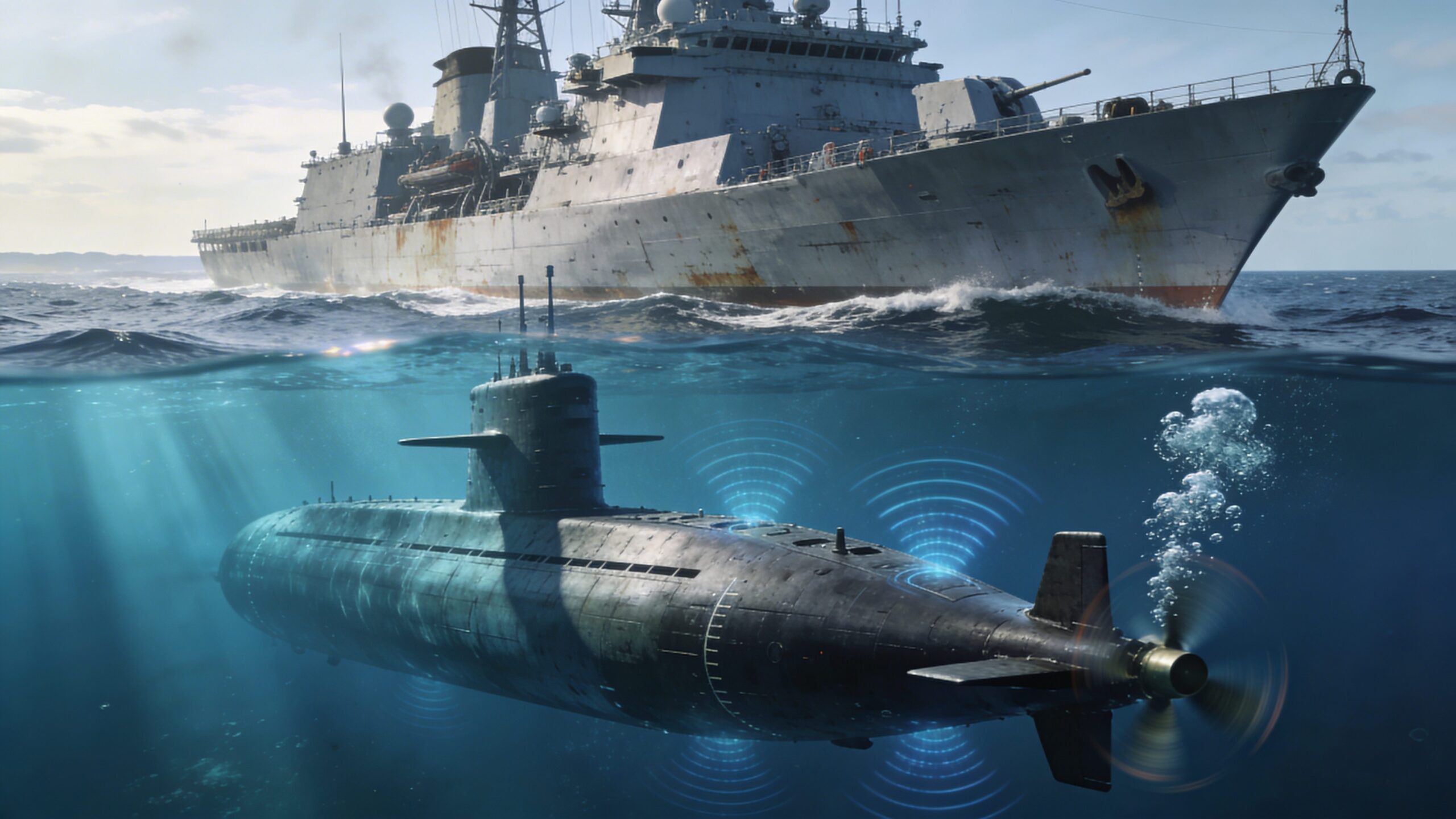
Because carriers rarely operate alone, they are usually part of a broader carrier strike group. This includes destroyers, cruisers, submarines, and support ships that defend the carrier, extend its sensor reach, and increase its firepower. The carrier is the centerpiece, but the group as a whole creates layered protection and combat depth. This combined structure makes the aircraft carrier far more resilient and effective than a single ship acting independently.
Life Aboard a Floating City
Daily life on a carrier is intense, structured, and demanding. Thousands of people live in a confined environment for long periods while maintaining one of the world’s most complicated military platforms. Space is limited, schedules are strict, and operations can continue around the clock. Meals, maintenance, drills, mission preparation, and rest all happen in cycles shaped by deployment needs. Despite the pressure, carriers are built to sustain life at sea for extended durations. They include sleeping areas, dining facilities, medical spaces, exercise areas, workshops, and operational offices. The ship must support not only combat readiness but also the basic needs of a large population. That human system is part of what makes the carrier remarkable. It is both a war machine and a working community.
Strengths and Vulnerabilities of Aircraft Carriers
Aircraft carriers are among the most powerful naval assets ever built, but they are not invincible. Their greatest strength is flexibility. They can move, launch aircraft, support many mission types, and project power without relying on land bases. They are also politically useful because they demonstrate commitment without necessarily escalating to immediate conflict.
At the same time, carriers are high-value targets. Their size and strategic importance mean adversaries spend enormous effort developing missiles, submarines, cyber tools, and surveillance systems designed to challenge them. That is why carriers operate with escorts, layered defenses, and constant situational awareness. Modern carriers are best understood not as lone giants, but as the center of a carefully protected system.
The Future of Aircraft Carriers
The future of aircraft carriers will likely involve new launch systems, improved power management, more automation, stronger defensive tools, and deeper integration with drones and advanced networking systems. Unmanned aircraft may become a larger part of the air wing, extending endurance and reducing risk in certain missions. Electromagnetic launch technology may continue reshaping how aircraft are launched and supported. Even as warfare changes, the core value of the carrier remains strong. Nations still need mobile airpower, flexible response options, and visible maritime presence. Aircraft carriers continue to deliver all three. They are not simply relics of past naval power. They are evolving tools that adapt to new threats while preserving a unique strategic advantage.
Why Aircraft Carriers Still Capture Global Attention
Aircraft carriers continue to fascinate because they combine size, speed, complexity, and power in a way few machines ever have. They are engineering marvels, symbols of national strength, and operational hubs capable of changing the course of regional events. When people ask how aircraft carriers work, they are really asking how a floating airbase can survive, fight, and function in one of the harshest environments on earth.
The answer lies in integration. Every part of the carrier supports another part. The launch systems support the air wing. The crew supports the deck. The engineering spaces support the ship. The strike group supports the carrier. Together, they form a complete maritime aviation ecosystem that can travel wherever strategy demands. That is what makes aircraft carriers so extraordinary. They are not just ships with planes. They are floating airbases built to carry aviation power across the world’s oceans.