Understanding Two Paths of Discipline
Military school and boot camp are often grouped together in conversations about discipline, structure, and transformation. At first glance, they appear similar—both emphasize order, physical training, and authority. But beneath the surface, these two paths serve very different purposes, operate on entirely different timelines, and lead to distinct outcomes. Military schools are long-term academic institutions that blend traditional education with military-style discipline and leadership development. Boot camps, on the other hand, are short-term, intensive training programs designed to rapidly prepare individuals for military service or instill discipline through high-pressure environments. Understanding how they differ is essential for making the right decision for students, recruits, or families seeking structure and direction.
A: No, military school focuses on education and long-term development, while boot camp is short-term and intensive.
A: Boot camp is typically more physically and mentally intense in the short term.
A: Yes, but they also prepare students for college and civilian careers.
A: Some programs exist, but they differ significantly from official military training.
A: Primarily yes, though some civilian programs mimic its structure.
A: No, attendance does not require joining the military.
A: Typically several weeks to a few months.
A: Yes, but they balance discipline with education.
A: Yes, it is designed for rapid transformation.
A: It depends on whether long-term growth or rapid change is the goal.
The Core Purpose Behind Each Path
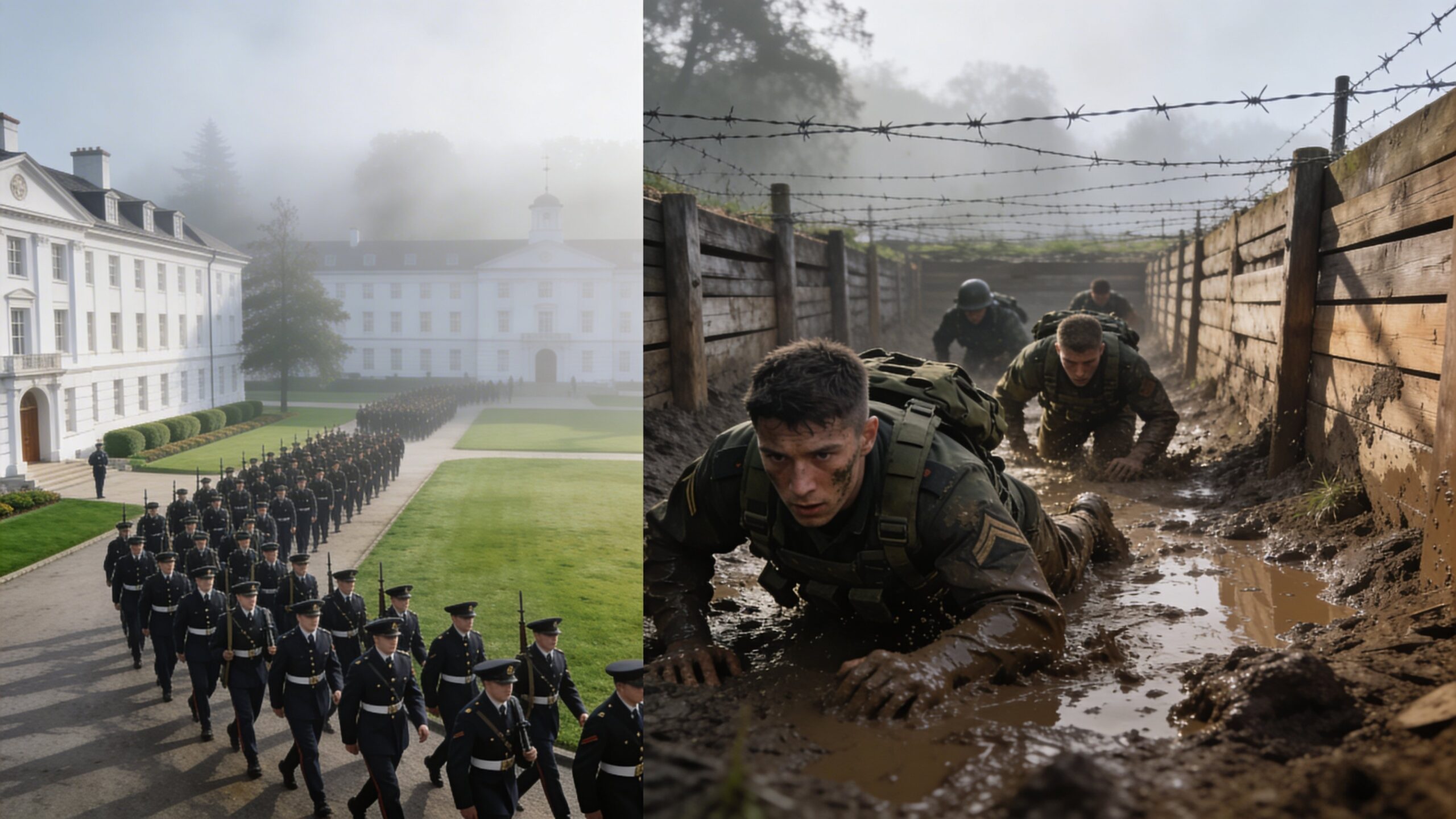
The most important distinction between military school and boot camp lies in their core mission. Military schools are built around education and personal development over time. They aim to shape students into disciplined, responsible individuals while providing a structured academic environment. Leadership, character, and long-term growth are central to their philosophy.
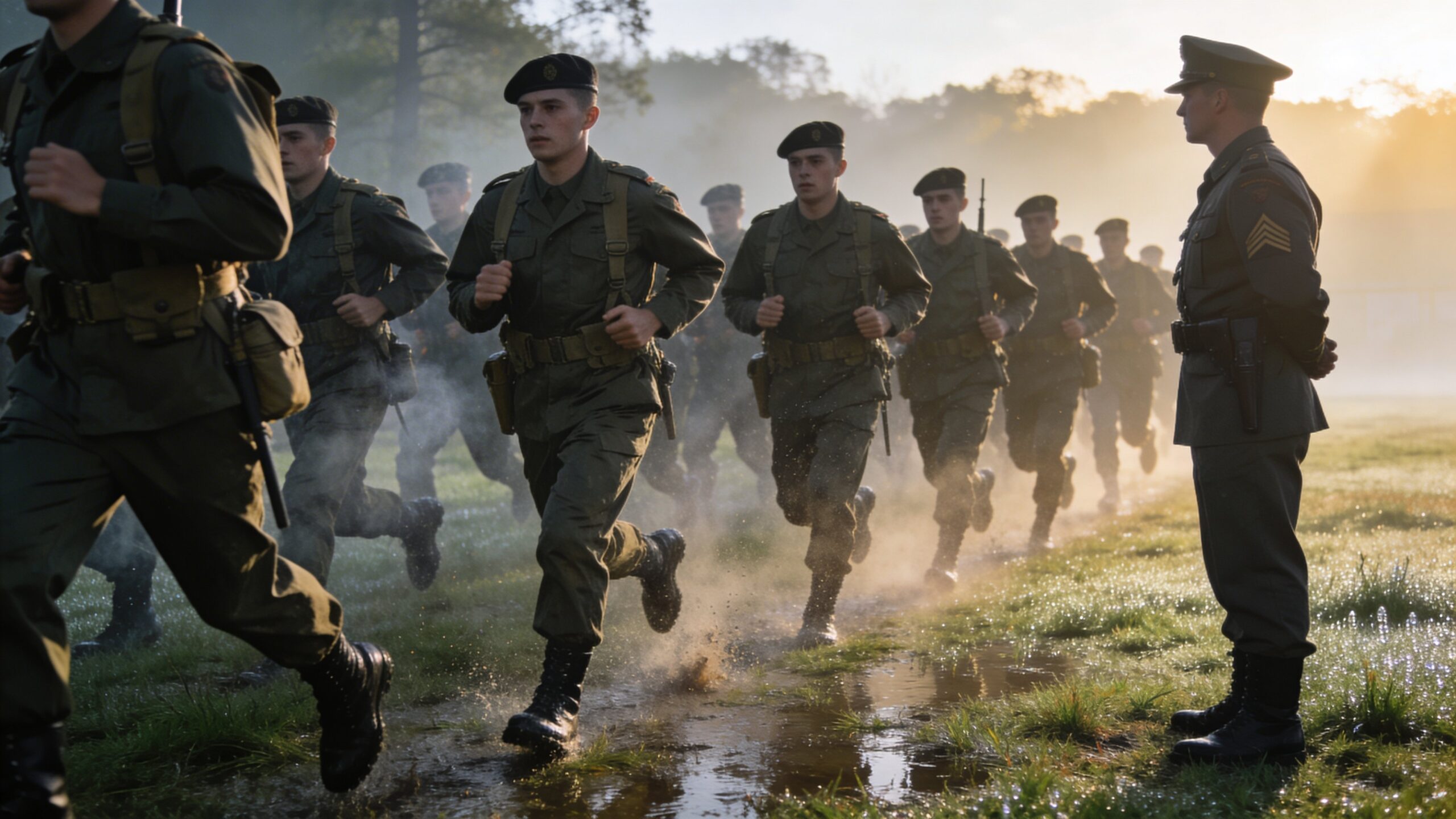
Boot camp, by contrast, is designed for rapid transformation. It is not about gradual development but about immediate conditioning. Whether it’s preparing recruits for active duty or providing a strict behavioral reset, boot camp focuses on breaking down old habits and replacing them with discipline, obedience, and resilience in a compressed timeframe.
This difference in purpose affects everything—from daily routines to emotional intensity—and ultimately defines the experience.
Duration and Time Commitment
Military school is a long-term commitment. Students typically enroll for months or years, often attending full academic terms similar to traditional boarding schools. This extended timeline allows for gradual growth, consistent routines, and sustained academic progress. Boot camp operates on an entirely different scale. Programs usually last a few weeks to a few months, depending on the organization and objective. The compressed nature of boot camp means that every day is packed with activity, leaving little room for downtime or gradual adjustment. This difference in duration also shapes expectations. Military school builds discipline over time, while boot camp demands immediate adaptation.
Structure of Daily Life
Life in a military school is structured but balanced. Students attend classes, participate in physical training, follow routines, and engage in extracurricular activities. The environment is disciplined, but it still mirrors many aspects of a traditional academic setting.
Boot camp, in contrast, is highly controlled and intense. Days begin early and are filled with physical training, drills, inspections, and strict supervision. There is little personal freedom, and schedules are designed to challenge both physical and mental endurance. The key difference is in pacing. Military school allows individuals to grow into discipline, while boot camp forces immediate compliance through relentless structure.
Academic Focus vs Physical Conditioning
Military schools place a strong emphasis on academics. Students follow a curriculum similar to traditional schools, often with added leadership training and character development programs. Education is a primary goal, and discipline supports academic success. Boot camp has minimal academic focus. Instead, it prioritizes physical conditioning, teamwork, and procedural training. The objective is to prepare individuals for high-stress environments, not to provide classroom education. This makes military school a better fit for those seeking structured education, while boot camp suits individuals preparing for physically demanding roles or rapid personal transformation.
Discipline: Gradual vs Immediate
Discipline exists in both environments, but the way it is taught differs significantly. Military schools emphasize consistent expectations, accountability, and long-term habit formation. Students learn discipline through routine, responsibility, and leadership roles.
Boot camp enforces discipline through intensity and immediacy. Instructions must be followed instantly, and mistakes are corrected quickly and often loudly. The environment is designed to eliminate hesitation and build reflexive obedience. In military school, discipline becomes a lifestyle. In boot camp, it becomes a survival mechanism.
Leadership Development
Leadership is a cornerstone of military school education. Students are often given responsibilities, ranks, or roles within their peer groups. Over time, they learn how to lead others, manage tasks, and make decisions. Boot camp focuses less on leadership and more on cohesion and obedience. Recruits are trained to function as a unit, following commands and supporting team objectives. Leadership may emerge later, but it is not the primary focus during initial training. This difference highlights a key contrast: military schools develop leaders over time, while boot camps develop followers who can operate effectively under pressure.
Environment and Setting
Military schools are typically located on campuses that resemble traditional boarding schools, complete with classrooms, dormitories, and structured recreational spaces. The environment is controlled but not extreme.
Boot camps are often set in rugged or isolated environments designed to simulate real-world challenges. Training may occur outdoors, in harsh conditions, or in facilities built to push physical limits. The setting reinforces the purpose. Military schools provide stability and growth, while boot camps create pressure and urgency.
Emotional and Psychological Experience
The emotional experience of military school is steady and developmental. Students build confidence gradually, form relationships, and adapt to expectations over time. While discipline is strict, the environment is not designed to overwhelm. Boot camp is intentionally intense. It challenges recruits emotionally and mentally, often placing them in stressful situations to test resilience. The goal is to build mental toughness quickly, even if it means discomfort. This contrast can be a deciding factor. Some individuals thrive in gradual environments, while others respond to high-intensity challenges.
Who Military School Is Best For
Military school is ideal for students who need structure, discipline, and a supportive environment for long-term growth. It works well for individuals who benefit from routine and accountability but still require academic development.
Parents often choose military school for teenagers who need direction, improved focus, or a stronger sense of responsibility. It is not about punishment but about providing a framework for success.
Who Boot Camp Is Best For
Boot camp is better suited for individuals ready for immediate transformation. This includes military recruits, individuals seeking discipline through challenge, or those preparing for physically demanding careers. It is not designed for gradual learning or academic development. Instead, it is for those who can handle intensity and are motivated to change quickly.
Long-Term Outcomes
The outcomes of these two paths differ significantly. Military school graduates often leave with academic credentials, leadership experience, and improved personal discipline. The benefits extend into college, careers, and long-term personal development.
Boot camp participants gain resilience, physical conditioning, and the ability to perform under pressure. For military recruits, it is the first step toward a structured career. For others, it can be a turning point that builds confidence and discipline.
Choosing the Right Path
Choosing between military school and boot camp depends on goals, personality, and timing. Those seeking education, leadership, and gradual growth will find military school more suitable. Those needing rapid transformation, physical conditioning, or preparation for service will benefit more from boot camp. Understanding the differences is essential because the experiences are not interchangeable. Each path offers unique advantages, but only when aligned with the right expectations.
Final Thoughts
Military school and boot camp both represent powerful systems of discipline and transformation, but they operate on entirely different principles. One builds over time, shaping individuals through education and leadership. The other compresses change into intense, demanding experiences that push limits and redefine capabilities.
Choosing the right path is not about which is better—it is about which is right for the individual. With a clear understanding of their differences, the decision becomes less about confusion and more about opportunity.