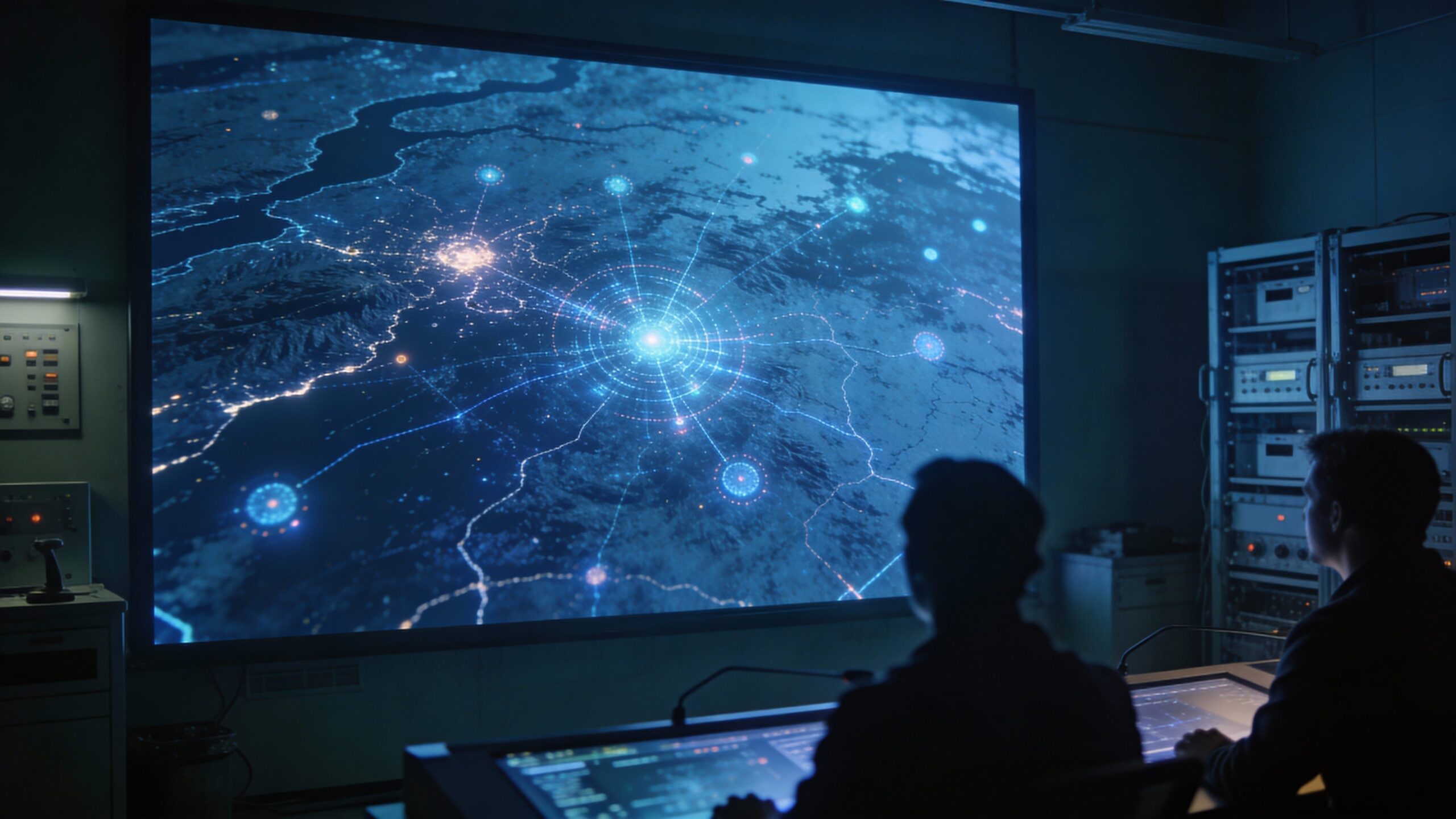
Artificial Intelligence in Defense is reshaping how missions are planned, protected, and executed—turning overwhelming streams of data into actionable insight at operational speed. From fusing ISR feeds and spotting anomalies in crowded sensor landscapes to forecasting maintenance needs and optimizing logistics, AI is increasingly the quiet force behind faster decisions and safer outcomes. But defense-grade AI isn’t just “smart software.” It has to perform under pressure, in contested environments, with messy data, limited connectivity, and adversaries actively trying to deceive it. That’s why this category explores both the capability and the constraint: how models are trained and tested, how autonomy is governed, and how humans stay meaningfully in the loop when stakes are high. You’ll dive into topics like decision support, cyber defense automation, computer vision for reconnaissance, autonomous platforms, simulation-driven training, and the guardrails that keep systems reliable and accountable. Whether you’re curious about emerging doctrine, the technology stack behind modern operations, or the ethical and legal questions that come with machine-driven advantage, these articles map the terrain—so you can understand what’s changing, what’s possible, and what must be handled with care.
A: Properly used, AI supports decisions—humans retain authority and accountability.
A: Faster triage and fusion—turning massive data streams into prioritized insight.
A: Over-trust: treating model output as fact without context, validation, or guardrails.
A: Use red teams, degraded sensors, spoofing scenarios, and realistic field exercises.
A: Clear approval points, override controls, and audit logs for critical actions.
A: Yes—edge models can run offline, but must degrade gracefully when uncertain.
A: Monitor performance, retrain securely, and validate before deploying updates.
A: Yes—pipelines, data, and models need protection like any mission system.
A: Predictive maintenance, logistics planning, and faster incident response workflows.
A: Through governance, oversight, and strict rules on autonomy and accountability.