Military Tactics 101: Core Battlefield Strategies Every Beginner Should Know
Military Tactics 101: Core Battlefield Strategies Every Beginner Should Know is best read as a practical explainer, not a slogan or a ranking. The useful version of the topic starts with planning, timing, uncertainty, and the discipline needed when conditions change, then connects those pieces to people, equipment, geography, and command judgment. For Defense Street readers, Military Tactics matters because it shows how modern defense work depends on systems that must perform under pressure, not just on the part that looks most dramatic from the outside.
What the Topic Really Means
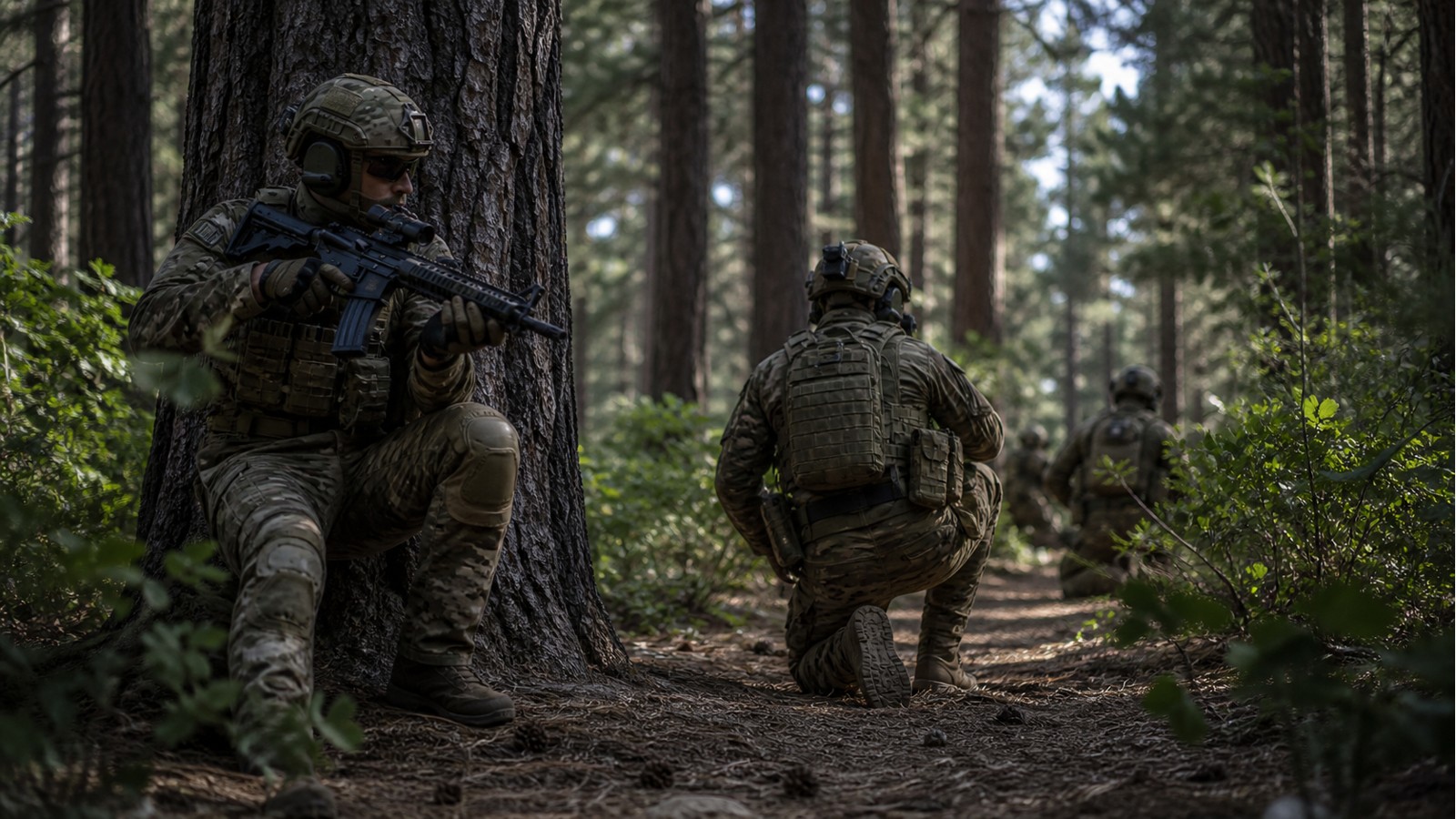
Military tactics are the methods units use to accomplish missions in a specific situation. They connect people, terrain, timing, movement, protection, communication, and support.
For beginners, the key is to understand tactics as decision-making under constraints. A tactic is not a magic move; it is a way to solve a problem with available forces and limits.
For Military Tactics 101: Core Battlefield Strategies Every Beginner Should Know, the what the topic really means angle is strongest when it connects basic battlefield concepts to organization, training, logistics, and accountability. Defense topics are rarely explained by one impressive number, because the result depends on people, doctrine, maintenance, communications, and support systems working together.
In the what the topic really means section, basic battlefield concepts also needs plain context. A capability can look powerful on paper while still depending on readiness, terrain, policy, command judgment, and the mission it is assigned to support.
The what the topic really means view also helps separate public fascination from military reality. Readers get a clearer picture when basic battlefield concepts is tied to disciplined training, lawful authority, maintenance cycles, and the larger unit that turns an individual capability into useful defense power.
A strong explanation of what the topic really means keeps the focus on judgment rather than spectacle. The useful questions are what the capability is for, who is responsible for it, what limits shape its use, and how it supports a mission without becoming the whole story.
Why It Matters in Defense
Tactics matter because strategy becomes real through action. National goals and campaign plans eventually depend on units making choices in terrain, weather, uncertainty, and danger.
They also matter because bad tactics can waste resources, create unnecessary risk, and undermine larger objectives even when the strategy sounds reasonable.
For Military Tactics 101: Core Battlefield Strategies Every Beginner Should Know, the why it matters in defense angle is strongest when it connects basic battlefield concepts to organization, training, logistics, and accountability. Defense topics are rarely explained by one impressive number, because the result depends on people, doctrine, maintenance, communications, and support systems working together.
In the why it matters in defense section, basic battlefield concepts also needs plain context. A capability can look powerful on paper while still depending on readiness, terrain, policy, command judgment, and the mission it is assigned to support.
The why it matters in defense view also helps separate public fascination from military reality. Readers get a clearer picture when basic battlefield concepts is tied to disciplined training, lawful authority, maintenance cycles, and the larger unit that turns an individual capability into useful defense power.
A strong explanation of why it matters in defense keeps the focus on judgment rather than spectacle. The useful questions are what the capability is for, who is responsible for it, what limits shape its use, and how it supports a mission without becoming the whole story.
The Main Parts to Understand
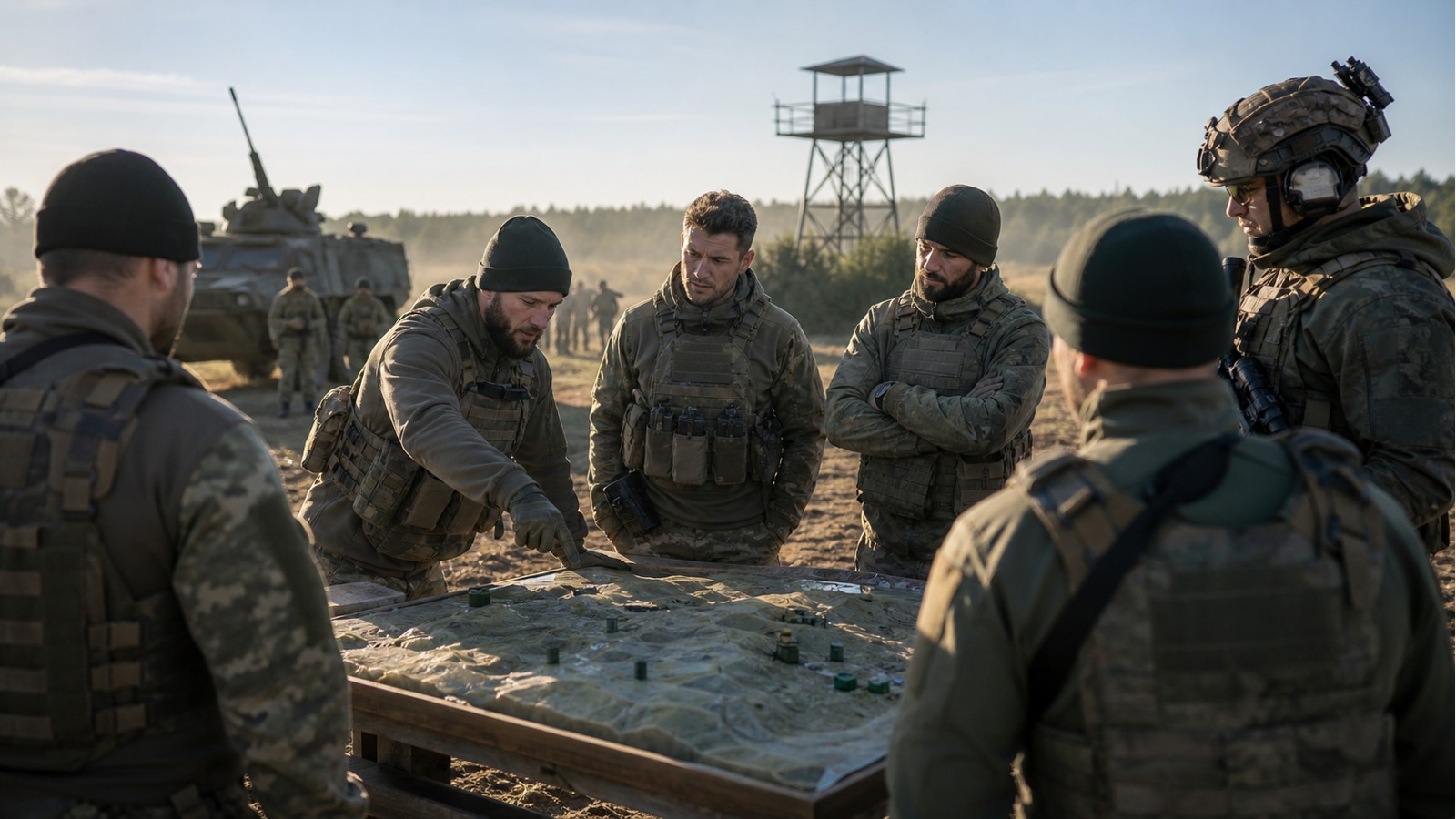
The main parts include mission purpose, terrain, enemy capability, friendly forces, time, civilian considerations, logistics, communication, protection, and commander intent.
Common tactical concepts include maneuver, fire support, reconnaissance, security, surprise, concentration, economy of force, withdrawal, defense, and coordination.
For Military Tactics 101: Core Battlefield Strategies Every Beginner Should Know, the the main parts to understand angle is strongest when it connects basic battlefield concepts to organization, training, logistics, and accountability. Defense topics are rarely explained by one impressive number, because the result depends on people, doctrine, maintenance, communications, and support systems working together.
In the the main parts to understand section, basic battlefield concepts also needs plain context. A capability can look powerful on paper while still depending on readiness, terrain, policy, command judgment, and the mission it is assigned to support.
The the main parts to understand view also helps separate public fascination from military reality. Readers get a clearer picture when basic battlefield concepts is tied to disciplined training, lawful authority, maintenance cycles, and the larger unit that turns an individual capability into useful defense power.
A strong explanation of the main parts to understand keeps the focus on judgment rather than spectacle. The useful questions are what the capability is for, who is responsible for it, what limits shape its use, and how it supports a mission without becoming the whole story.
How to Read the Claims
Claims about tactics should avoid turning broad ideas into universal recipes. What works in open terrain may fail in cities, mountains, forests, or against different sensors.
A responsible beginner guide explains concepts without giving operational instructions for harm. The value is understanding how choices fit together, not providing a field manual.
For Military Tactics 101: Core Battlefield Strategies Every Beginner Should Know, the how to read the claims angle is strongest when it connects basic battlefield concepts to organization, training, logistics, and accountability. Defense topics are rarely explained by one impressive number, because the result depends on people, doctrine, maintenance, communications, and support systems working together.
In the how to read the claims section, basic battlefield concepts also needs plain context. A capability can look powerful on paper while still depending on readiness, terrain, policy, command judgment, and the mission it is assigned to support.
The how to read the claims view also helps separate public fascination from military reality. Readers get a clearer picture when basic battlefield concepts is tied to disciplined training, lawful authority, maintenance cycles, and the larger unit that turns an individual capability into useful defense power.
A strong explanation of how to read the claims keeps the focus on judgment rather than spectacle. The useful questions are what the capability is for, who is responsible for it, what limits shape its use, and how it supports a mission without becoming the whole story.
Where People Get Confused
One confusion is mixing strategy and tactics. Strategy sets larger goals; tactics deal with actions that help achieve those goals in a specific fight or mission.
Another confusion is assuming tactics are only about weapons. Leadership, communication, timing, morale, logistics, and restraint all affect the outcome.
For Military Tactics 101: Core Battlefield Strategies Every Beginner Should Know, the where people get confused angle is strongest when it connects basic battlefield concepts to organization, training, logistics, and accountability. Defense topics are rarely explained by one impressive number, because the result depends on people, doctrine, maintenance, communications, and support systems working together.
In the where people get confused section, basic battlefield concepts also needs plain context. A capability can look powerful on paper while still depending on readiness, terrain, policy, command judgment, and the mission it is assigned to support.
The where people get confused view also helps separate public fascination from military reality. Readers get a clearer picture when basic battlefield concepts is tied to disciplined training, lawful authority, maintenance cycles, and the larger unit that turns an individual capability into useful defense power.
A strong explanation of where people get confused keeps the focus on judgment rather than spectacle. The useful questions are what the capability is for, who is responsible for it, what limits shape its use, and how it supports a mission without becoming the whole story.
Real-World Context
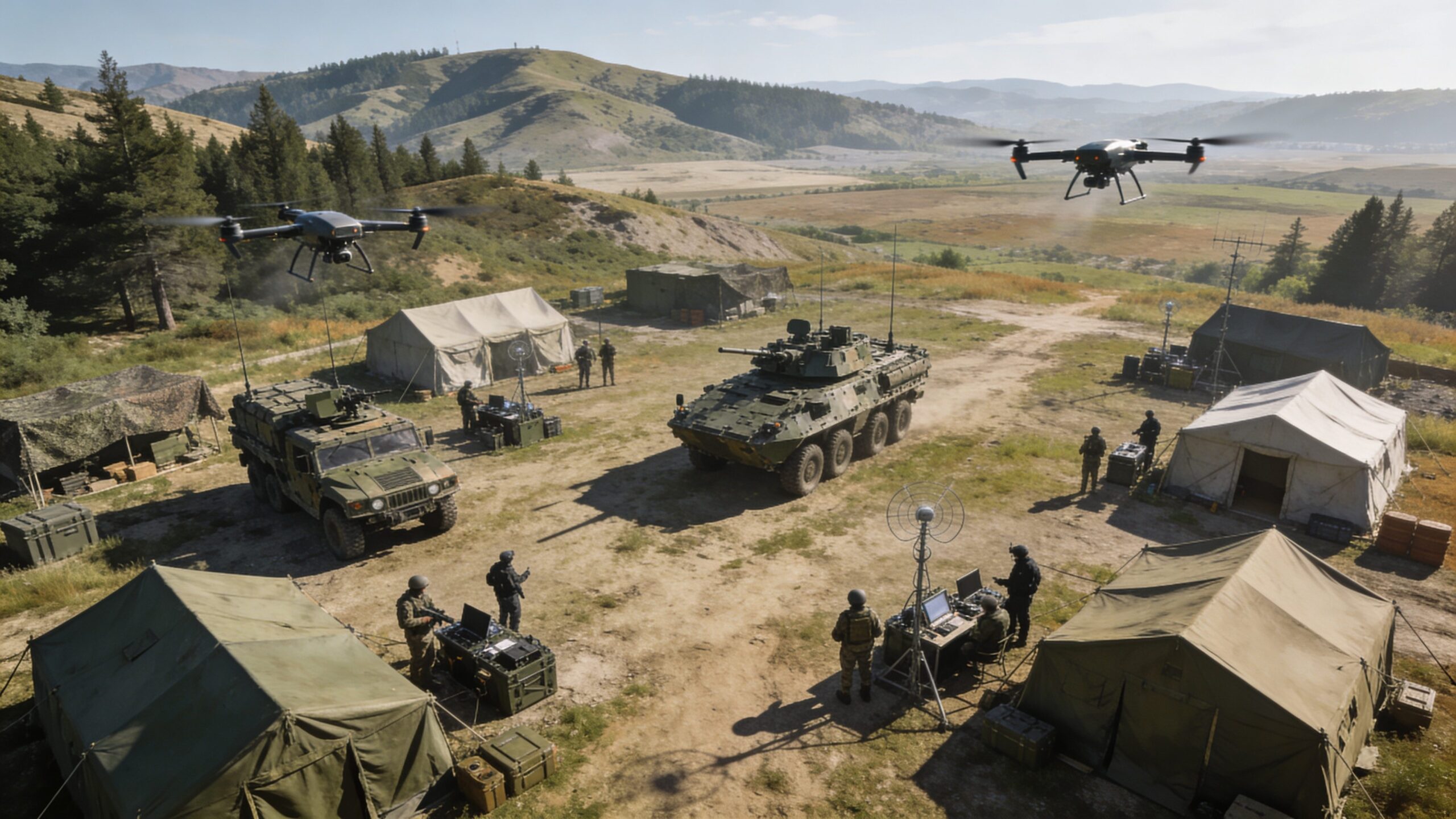
Modern tactics are shaped by drones, electronic warfare, precision fires, urban complexity, cyber effects, satellite imagery, and the speed at which units can be detected.
Army professional writing often separates strategic, operational, and tactical levels because each level links different decisions to national objectives.
For Military Tactics 101: Core Battlefield Strategies Every Beginner Should Know, the real-world context angle is strongest when it connects basic battlefield concepts to organization, training, logistics, and accountability. Defense topics are rarely explained by one impressive number, because the result depends on people, doctrine, maintenance, communications, and support systems working together.
In the real-world context section, basic battlefield concepts also needs plain context. A capability can look powerful on paper while still depending on readiness, terrain, policy, command judgment, and the mission it is assigned to support.
The real-world context view also helps separate public fascination from military reality. Readers get a clearer picture when basic battlefield concepts is tied to disciplined training, lawful authority, maintenance cycles, and the larger unit that turns an individual capability into useful defense power.
A strong explanation of real-world context keeps the focus on judgment rather than spectacle. The useful questions are what the capability is for, who is responsible for it, what limits shape its use, and how it supports a mission without becoming the whole story.
Limits, Risks, and Tradeoffs
The limits include incomplete information, fatigue, fear, weather, civilian presence, supply shortages, communications failure, and the enemy’s own ability to adapt.
A tactic can also succeed locally while failing strategically if it causes political, humanitarian, or alliance costs that leaders did not account for.
For Military Tactics 101: Core Battlefield Strategies Every Beginner Should Know, the limits, risks, and tradeoffs angle is strongest when it connects basic battlefield concepts to organization, training, logistics, and accountability. Defense topics are rarely explained by one impressive number, because the result depends on people, doctrine, maintenance, communications, and support systems working together.
In the limits, risks, and tradeoffs section, basic battlefield concepts also needs plain context. A capability can look powerful on paper while still depending on readiness, terrain, policy, command judgment, and the mission it is assigned to support.
The limits, risks, and tradeoffs view also helps separate public fascination from military reality. Readers get a clearer picture when basic battlefield concepts is tied to disciplined training, lawful authority, maintenance cycles, and the larger unit that turns an individual capability into useful defense power.
A strong explanation of limits, risks, and tradeoffs keeps the focus on judgment rather than spectacle. The useful questions are what the capability is for, who is responsible for it, what limits shape its use, and how it supports a mission without becoming the whole story.
How the Topic Is Changing
Tactics are changing as small drones, sensors, and long-range weapons make concealment, dispersion, deception, and rapid movement more important.
Future tactics will likely reward units that can learn quickly, communicate securely, reduce signatures, and coordinate across domains without becoming rigid.
For Military Tactics 101: Core Battlefield Strategies Every Beginner Should Know, the how the topic is changing angle is strongest when it connects basic battlefield concepts to organization, training, logistics, and accountability. Defense topics are rarely explained by one impressive number, because the result depends on people, doctrine, maintenance, communications, and support systems working together.
In the how the topic is changing section, basic battlefield concepts also needs plain context. A capability can look powerful on paper while still depending on readiness, terrain, policy, command judgment, and the mission it is assigned to support.
The how the topic is changing view also helps separate public fascination from military reality. Readers get a clearer picture when basic battlefield concepts is tied to disciplined training, lawful authority, maintenance cycles, and the larger unit that turns an individual capability into useful defense power.
A strong explanation of how the topic is changing keeps the focus on judgment rather than spectacle. The useful questions are what the capability is for, who is responsible for it, what limits shape its use, and how it supports a mission without becoming the whole story.
A Clear Way to Remember It
A simple memory hook is mission, terrain, timing, support. Tactics begin with the mission, adjust to terrain, depend on timing, and require support.
When reading about tactics, ask what problem the unit is solving and what constraints shape the decision.
For Military Tactics 101: Core Battlefield Strategies Every Beginner Should Know, the a clear way to remember it angle is strongest when it connects basic battlefield concepts to organization, training, logistics, and accountability. Defense topics are rarely explained by one impressive number, because the result depends on people, doctrine, maintenance, communications, and support systems working together.
In the a clear way to remember it section, basic battlefield concepts also needs plain context. A capability can look powerful on paper while still depending on readiness, terrain, policy, command judgment, and the mission it is assigned to support.
The a clear way to remember it view also helps separate public fascination from military reality. Readers get a clearer picture when basic battlefield concepts is tied to disciplined training, lawful authority, maintenance cycles, and the larger unit that turns an individual capability into useful defense power.
A strong explanation of a clear way to remember it keeps the focus on judgment rather than spectacle. The useful questions are what the capability is for, who is responsible for it, what limits shape its use, and how it supports a mission without becoming the whole story.
Bottom Line on Military Tactics
Military tactics are practical methods for solving battlefield problems under pressure. They work only when mission, terrain, timing, leadership, support, and restraint fit together.