The Enduring Allure of Lost War Treasures
War leaves behind more than history—it leaves fragments of human experience buried beneath soil, submerged in oceans, or frozen in time. Across centuries, countless treasures vanished amid the chaos of battle, retreat, and destruction. Some were hidden deliberately, others lost in desperation, and many simply forgotten as the world moved on. Yet today, these relics are re-emerging, revealing stories that challenge what we thought we knew about conflict. The discovery of lost war treasures captivates both historians and the public because these finds bridge the gap between myth and reality. Each artifact, whether a weapon, coin, or personal item, offers tangible proof of events long past. More importantly, these discoveries often reshape historical narratives, adding nuance, correcting inaccuracies, and uncovering entirely new chapters.
A: To prevent enemy capture during retreat or defeat.
A: More than expected, especially during construction.
A: Occasionally, after restoration and preservation.
A: Ownership depends on local laws and regulations.
A: They preserve entire moments of history.
A: Through controlled conservation processes.
A: Radar, drones, sonar, and metal detectors.
A: Historical value often outweighs monetary worth.
A: They provide physical evidence that challenges records.
A: Many are legally protected due to historical significance.
Buried Gold and Hidden Wealth of War
Throughout history, armies have transported vast amounts of wealth—gold, silver, and valuables—often under extreme pressure. When defeat loomed, these riches were frequently buried or concealed to prevent capture. In modern times, some of these hidden caches have resurfaced in dramatic fashion.
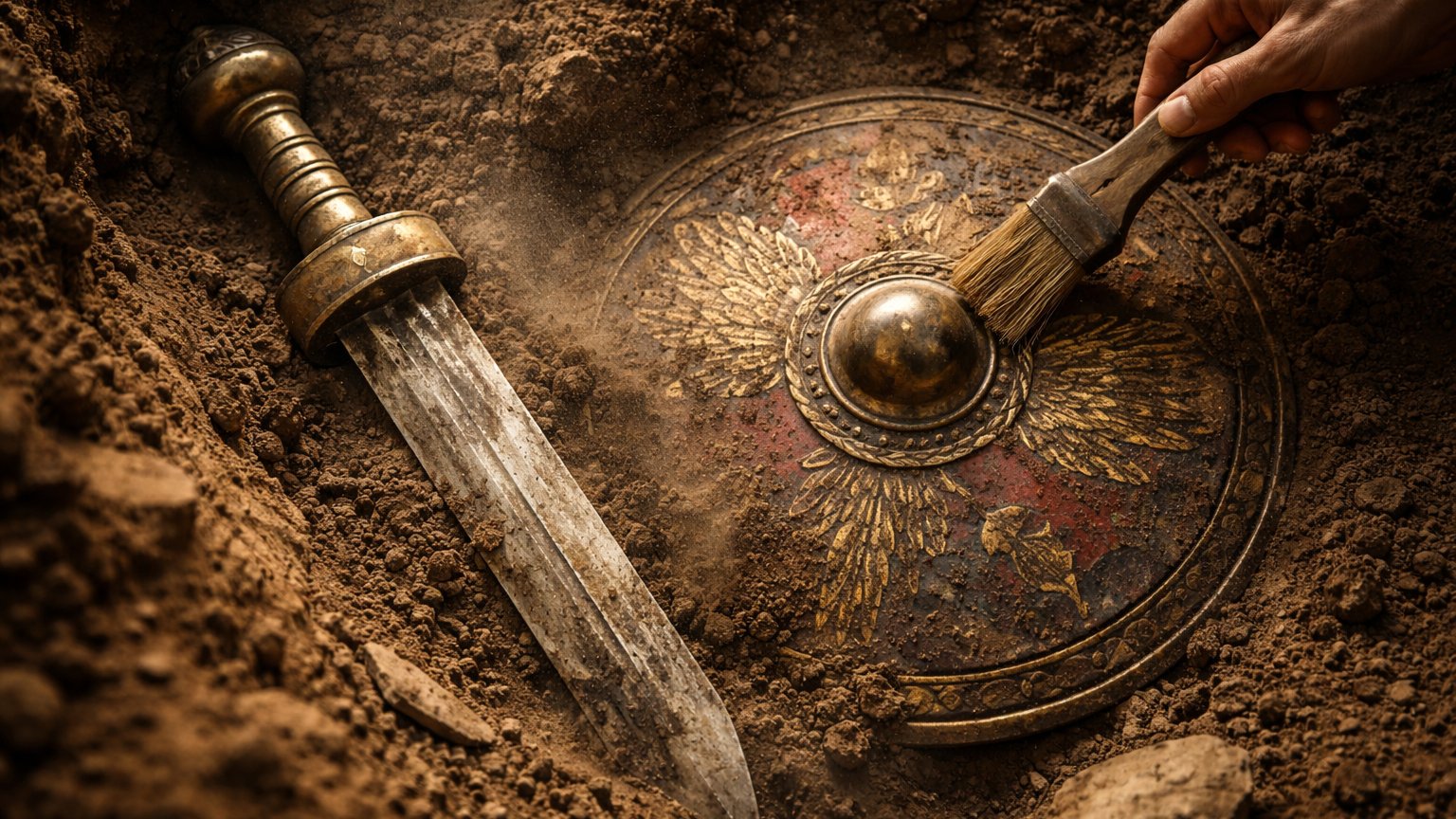
One of the most striking aspects of these discoveries is how accidental many of them are. Construction crews, farmers, and hobbyist metal detectorists have all stumbled upon buried war treasure. These finds are rarely neat or organized; instead, they often appear scattered, reflecting the urgency with which they were hidden. Coins are found in clusters, weapons lie alongside personal belongings, and containers—if they survived—tell stories of hurried concealment.
These treasures are not just valuable in monetary terms. They provide insight into logistics, priorities, and even morale. The act of burying wealth suggests both hope and fear—hope of returning, and fear of permanent loss.
Shipwrecks: Time Capsules Beneath the Sea
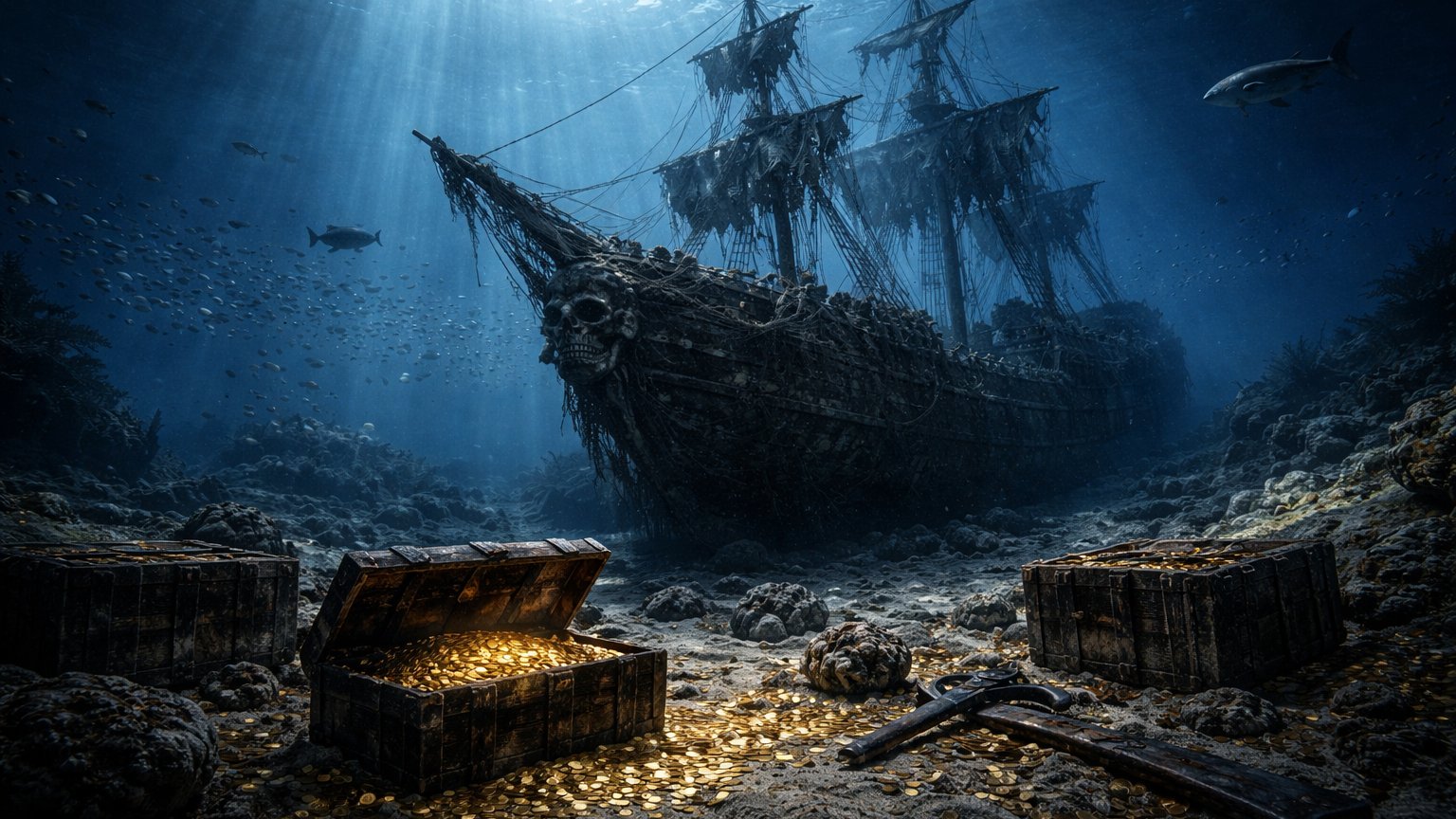
The oceans hold some of the most dramatic and well-preserved war treasures ever discovered. Sunken warships, transport vessels, and supply ships often carry cargo that remains untouched for centuries. When these wrecks are located, they offer a rare glimpse into a specific moment in time.
Underwater discoveries are unique because the environment can preserve materials in unexpected ways. While metals corrode, objects like ceramics, sealed containers, and even organic materials can remain intact. Divers and remotely operated vehicles have uncovered everything from crates of ammunition to personal belongings that still reflect the lives of those aboard. These discoveries are often complex to interpret. A shipwreck is not just a collection of artifacts—it is a layered story of movement, conflict, and loss. The arrangement of items, the condition of the vessel, and even the surrounding debris field all contribute to understanding what happened in the final moments.
Frozen Relics Emerging from Ice
Climate change has introduced a new and unexpected source of battlefield discoveries. As glaciers retreat and permafrost melts, artifacts that have been preserved for centuries are emerging. These finds are particularly valuable because cold environments can preserve materials that would otherwise decay.
Weapons, clothing, and even food supplies have been discovered in remarkable condition. In some cases, entire scenes appear frozen in time, offering a snapshot of a moment during conflict. These discoveries are not limited to a single era; they span from ancient warfare to more recent conflicts.
The significance of these finds lies in their completeness. Unlike scattered artifacts, frozen relics often remain in their original context, allowing researchers to reconstruct events with greater accuracy. They reveal not just what was used in battle, but how it was used, carried, and maintained.
Lost Battlefields Beneath Modern Landscapes
Many of the world’s most significant battlefields now lie beneath cities, farmland, and infrastructure. As urban development expands, construction projects frequently uncover remnants of past conflicts. These discoveries can be both surprising and disruptive, halting projects while archaeologists investigate.
What makes these finds compelling is their proximity to modern life. Beneath roads and buildings, layers of history remain intact, waiting to be uncovered. Excavations often reveal trenches, fortifications, and scattered artifacts that paint a vivid picture of the battlefield environment. These discoveries challenge the perception that history is distant. Instead, they demonstrate that the past is physically embedded in the present. Each layer uncovered adds depth to our understanding of how landscapes have evolved over time.
Weapons Rediscovered After Centuries
Among the most striking battlefield finds are weapons that have survived the passage of time. Swords, firearms, and improvised tools of war are often discovered in conditions that range from heavily corroded to remarkably intact. In rare cases, these weapons are still functional after restoration.
The study of these weapons provides insight into technological evolution. Changes in design, materials, and craftsmanship reflect broader shifts in military strategy and capability. Each weapon tells a story of innovation driven by necessity.
These discoveries also highlight the human element of warfare. Weapons are not just tools—they are extensions of the individuals who used them. Wear patterns, modifications, and repairs reveal how soldiers adapted their equipment to survive.
Personal Artifacts That Humanize War
Not all war treasures are grand or valuable. Some of the most powerful discoveries are deeply personal items—letters, coins, tools, and small possessions carried by soldiers. These artifacts offer a direct connection to individuals, transforming abstract history into human stories.
Letters, in particular, provide emotional context. They reveal fears, hopes, and relationships that are often absent from official records. Coins and small objects reflect daily life, trade, and the practical realities of survival. These discoveries remind us that war is not just about strategy and outcomes. It is about people—each with their own experiences, struggles, and stories. Personal artifacts bring these experiences to light in a way that no document can fully capture.
The Role of Technology in Modern Discoveries
Advancements in technology have revolutionized the way battlefield treasures are discovered. Tools such as ground-penetrating radar, satellite imaging, and drones allow researchers to locate sites with unprecedented accuracy. These technologies reduce the need for invasive excavation and help preserve fragile environments.
Metal detecting has also played a significant role, particularly when used responsibly and in collaboration with professionals. Many important discoveries have been made by individuals who recognize the significance of what they find and report it.
The integration of technology and expertise has expanded the scope of discovery. Areas once considered inaccessible or too difficult to explore are now within reach, leading to a surge in new findings.
Ethical Challenges and Preservation
The discovery of war treasures raises important ethical questions. These sites are often places of loss and remembrance, and the removal of artifacts must be handled with care. Balancing the desire for knowledge with respect for those who were involved is a constant challenge.
Preservation is another critical issue. Once exposed, artifacts can deteriorate rapidly. Proper conservation techniques are essential to ensure that these items can be studied and displayed for future generations. Legal frameworks also play a role, determining ownership and access. These regulations vary widely, reflecting different cultural and historical perspectives on heritage.
Discoveries That Rewrite History
Some battlefield discoveries have had a profound impact on historical understanding. New evidence can confirm long-debated theories, challenge established narratives, or reveal entirely unknown events. These moments are rare but transformative.
For example, the discovery of previously unknown battle sites can shift timelines and alter interpretations of strategy. Artifacts that contradict written records force historians to reconsider assumptions and explore alternative explanations.
These discoveries highlight the dynamic nature of history. It is not fixed but continually evolving as new information comes to light. Each find adds a piece to the puzzle, bringing us closer to a complete understanding.
Why Lost War Treasures Continue to Fascinate
The enduring fascination with lost war treasures lies in their ability to connect past and present. They are tangible links to moments that shaped the world, offering insights that go beyond written accounts. Each discovery carries an element of mystery, inviting us to imagine the circumstances that led to its loss.
There is also a sense of rediscovery—a feeling that something once forgotten has been brought back into the light. This process is both scientific and emotional, combining careful analysis with the thrill of uncovering the unknown. Ultimately, these treasures remind us that history is not just something we read about. It is something we can uncover, piece by piece, revealing stories that continue to resonate.
The Future of Battlefield Discoveries
As technology advances and new areas become accessible, the pace of discovery is likely to increase. Climate change, urban expansion, and improved exploration techniques will continue to reveal hidden artifacts. Each new find will contribute to a deeper and more nuanced understanding of the past.
The future of battlefield archaeology lies in collaboration—between researchers, governments, and the public. By working together, it is possible to ensure that these discoveries are handled responsibly and shared widely.
Lost war treasures will continue to emerge, each one adding to the story of human conflict and resilience. They are reminders of what was lost, what was preserved, and what still waits to be found.