Drone Warfare Explained: Why Unmanned Weapons Are Reshaping the Battlefield
Drone Warfare Explained: Why Unmanned Weapons Are Reshaping the Battlefield is best read as a practical explainer, not a slogan or a ranking. The useful version of the topic starts with planning, timing, uncertainty, and the discipline needed when conditions change, then connects those pieces to people, equipment, geography, and command judgment. For Defense Street readers, Drone Warfare matters because it shows how modern defense work depends on systems that must perform under pressure, not just on the part that looks most dramatic from the outside.
What the Topic Really Means
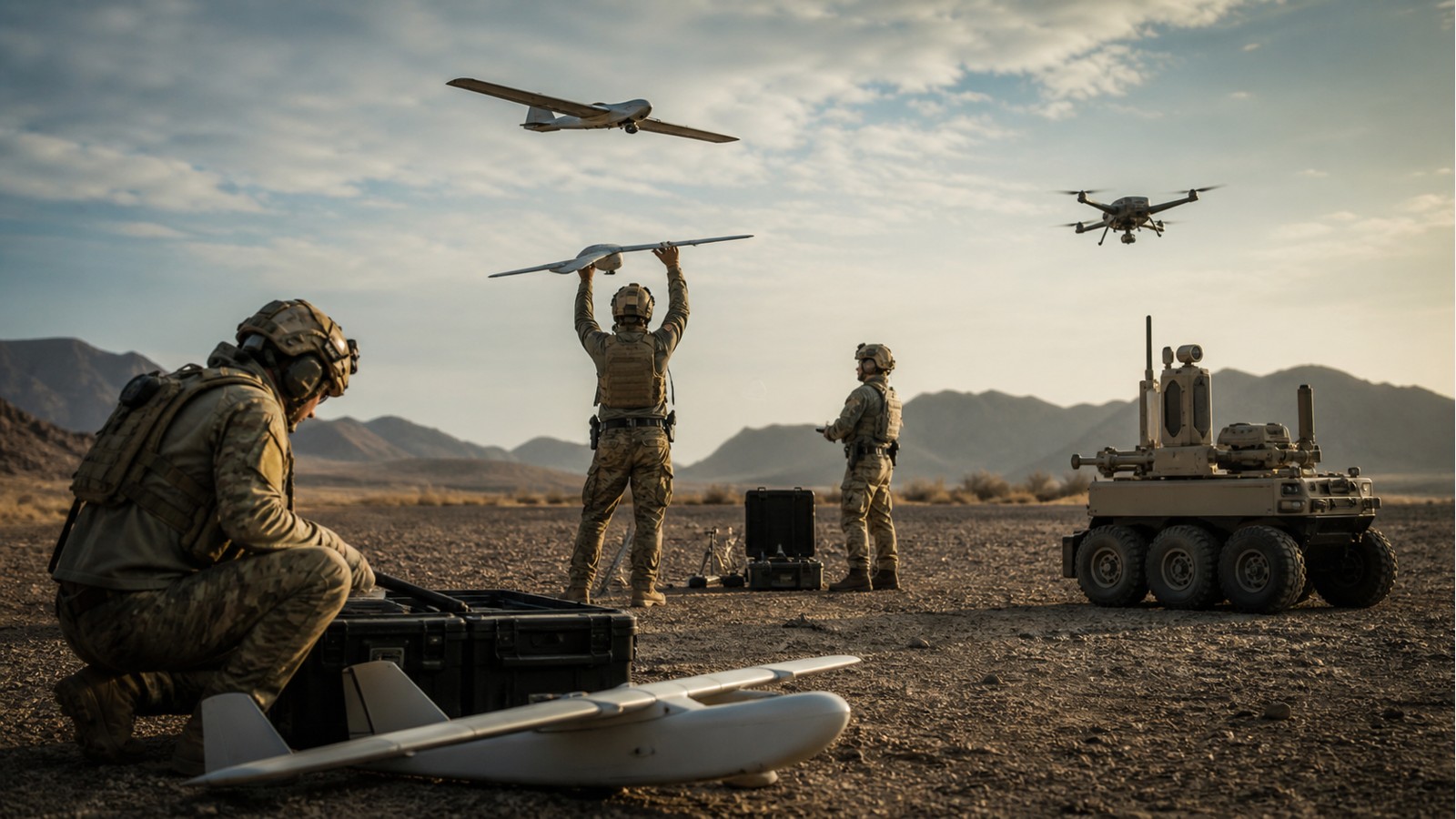
Drone warfare is the military use of unmanned systems for sensing, surveillance, logistics, communication relay, targeting support, and sometimes strike missions. Drones can operate in the air, on land, at sea, and underwater.
The subject matters because unmanned systems change the cost, speed, visibility, and risk of military operations. They give more units access to overhead awareness and can force opponents to hide, disperse, or move differently.
For Drone Warfare Explained: Why Unmanned Weapons Are Reshaping the Battlefield, the what the topic really means angle is strongest when it connects unmanned systems in conflict to organization, training, logistics, and accountability. Defense topics are rarely explained by one impressive number, because the result depends on people, doctrine, maintenance, communications, and support systems working together.
In the what the topic really means section, unmanned systems in conflict also needs plain context. A capability can look powerful on paper while still depending on readiness, terrain, policy, command judgment, and the mission it is assigned to support.
The what the topic really means view also helps separate public fascination from military reality. Readers get a clearer picture when unmanned systems in conflict is tied to disciplined training, lawful authority, maintenance cycles, and the larger unit that turns an individual capability into useful defense power.
A strong explanation of what the topic really means keeps the focus on judgment rather than spectacle. The useful questions are what the capability is for, who is responsible for it, what limits shape its use, and how it supports a mission without becoming the whole story.
Why It Matters in Defense
Drone warfare matters because inexpensive systems can have strategic effects. A small drone may reveal a position, guide artillery, inspect damage, threaten a vehicle, or force a unit to spend time and resources on defense.
It also matters because drones are spreading quickly. State militaries, irregular forces, border agencies, and private industry all contribute to a fast-moving technology environment.
For Drone Warfare Explained: Why Unmanned Weapons Are Reshaping the Battlefield, the why it matters in defense angle is strongest when it connects unmanned systems in conflict to organization, training, logistics, and accountability. Defense topics are rarely explained by one impressive number, because the result depends on people, doctrine, maintenance, communications, and support systems working together.
In the why it matters in defense section, unmanned systems in conflict also needs plain context. A capability can look powerful on paper while still depending on readiness, terrain, policy, command judgment, and the mission it is assigned to support.
The why it matters in defense view also helps separate public fascination from military reality. Readers get a clearer picture when unmanned systems in conflict is tied to disciplined training, lawful authority, maintenance cycles, and the larger unit that turns an individual capability into useful defense power.
A strong explanation of why it matters in defense keeps the focus on judgment rather than spectacle. The useful questions are what the capability is for, who is responsible for it, what limits shape its use, and how it supports a mission without becoming the whole story.
The Main Parts to Understand
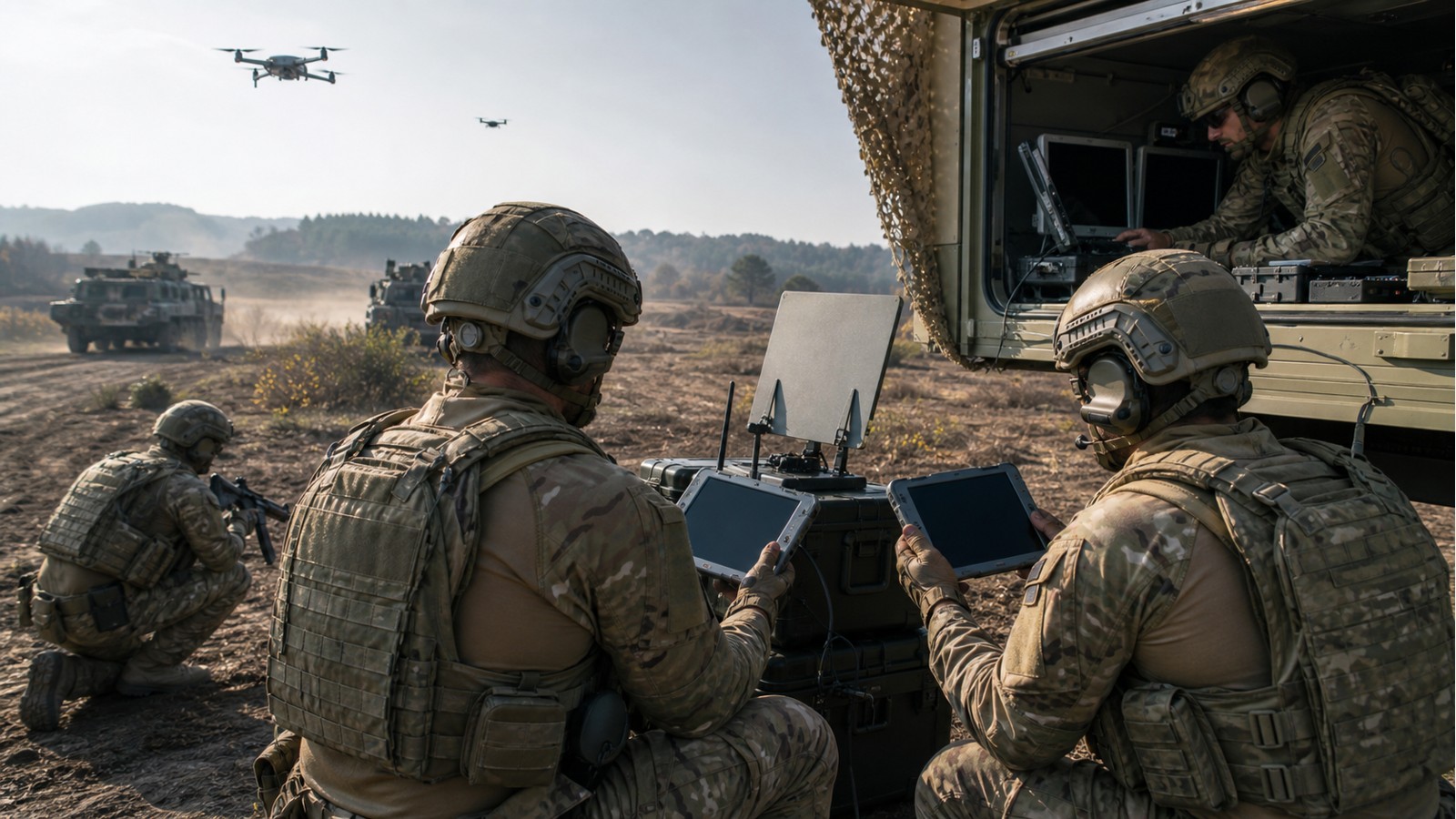
The main parts include the platform, payload, sensors, control link, navigation, power source, data processing, operator training, maintenance, logistics, and defensive countermeasures.
Different drones serve different roles. A tiny quadcopter, a long-endurance surveillance aircraft, a maritime drone, and a loitering munition create very different operational and legal questions.
For Drone Warfare Explained: Why Unmanned Weapons Are Reshaping the Battlefield, the the main parts to understand angle is strongest when it connects unmanned systems in conflict to organization, training, logistics, and accountability. Defense topics are rarely explained by one impressive number, because the result depends on people, doctrine, maintenance, communications, and support systems working together.
In the the main parts to understand section, unmanned systems in conflict also needs plain context. A capability can look powerful on paper while still depending on readiness, terrain, policy, command judgment, and the mission it is assigned to support.
The the main parts to understand view also helps separate public fascination from military reality. Readers get a clearer picture when unmanned systems in conflict is tied to disciplined training, lawful authority, maintenance cycles, and the larger unit that turns an individual capability into useful defense power.
A strong explanation of the main parts to understand keeps the focus on judgment rather than spectacle. The useful questions are what the capability is for, who is responsible for it, what limits shape its use, and how it supports a mission without becoming the whole story.
How to Read the Claims
Claims about drones should avoid treating them as wonder weapons. Weather, jamming, battery life, training, air defenses, clutter, cost, and replacement rates all affect performance.
A useful article explains both sides of the contest: drones extend vision and reach, while counter-drone systems, camouflage, dispersion, and electronic warfare try to reduce that advantage.
For Drone Warfare Explained: Why Unmanned Weapons Are Reshaping the Battlefield, the how to read the claims angle is strongest when it connects unmanned systems in conflict to organization, training, logistics, and accountability. Defense topics are rarely explained by one impressive number, because the result depends on people, doctrine, maintenance, communications, and support systems working together.
In the how to read the claims section, unmanned systems in conflict also needs plain context. A capability can look powerful on paper while still depending on readiness, terrain, policy, command judgment, and the mission it is assigned to support.
The how to read the claims view also helps separate public fascination from military reality. Readers get a clearer picture when unmanned systems in conflict is tied to disciplined training, lawful authority, maintenance cycles, and the larger unit that turns an individual capability into useful defense power.
A strong explanation of how to read the claims keeps the focus on judgment rather than spectacle. The useful questions are what the capability is for, who is responsible for it, what limits shape its use, and how it supports a mission without becoming the whole story.
Where People Get Confused
One confusion is assuming all drones are autonomous. Many are remotely piloted, some have automated navigation, and others use more advanced autonomy for selected functions.
Another confusion is treating drone warfare as only airstrikes. Surveillance, logistics, mapping, decoys, communications, and battle damage assessment can be just as important.
For Drone Warfare Explained: Why Unmanned Weapons Are Reshaping the Battlefield, the where people get confused angle is strongest when it connects unmanned systems in conflict to organization, training, logistics, and accountability. Defense topics are rarely explained by one impressive number, because the result depends on people, doctrine, maintenance, communications, and support systems working together.
In the where people get confused section, unmanned systems in conflict also needs plain context. A capability can look powerful on paper while still depending on readiness, terrain, policy, command judgment, and the mission it is assigned to support.
The where people get confused view also helps separate public fascination from military reality. Readers get a clearer picture when unmanned systems in conflict is tied to disciplined training, lawful authority, maintenance cycles, and the larger unit that turns an individual capability into useful defense power.
A strong explanation of where people get confused keeps the focus on judgment rather than spectacle. The useful questions are what the capability is for, who is responsible for it, what limits shape its use, and how it supports a mission without becoming the whole story.
Real-World Context
The Department of Defense has treated unmanned and autonomous systems as a strategic priority, reflecting how quickly drones are influencing procurement, training, and battlefield adaptation.
Recent conflicts have shown that drones can expose positions, speed up targeting cycles, and pressure traditional assumptions about armor, trenches, air defense, and rear areas.
For Drone Warfare Explained: Why Unmanned Weapons Are Reshaping the Battlefield, the real-world context angle is strongest when it connects unmanned systems in conflict to organization, training, logistics, and accountability. Defense topics are rarely explained by one impressive number, because the result depends on people, doctrine, maintenance, communications, and support systems working together.
In the real-world context section, unmanned systems in conflict also needs plain context. A capability can look powerful on paper while still depending on readiness, terrain, policy, command judgment, and the mission it is assigned to support.
The real-world context view also helps separate public fascination from military reality. Readers get a clearer picture when unmanned systems in conflict is tied to disciplined training, lawful authority, maintenance cycles, and the larger unit that turns an individual capability into useful defense power.
A strong explanation of real-world context keeps the focus on judgment rather than spectacle. The useful questions are what the capability is for, who is responsible for it, what limits shape its use, and how it supports a mission without becoming the whole story.
Limits, Risks, and Tradeoffs
The limits include electronic warfare, weather, fragile hardware, short endurance, operator fatigue, data overload, legal review, and the difficulty of confirming what a sensor image actually means.
Drones can increase tempo, but faster information is not always better judgment. Commanders still need context, verification, and accountability.
For Drone Warfare Explained: Why Unmanned Weapons Are Reshaping the Battlefield, the limits, risks, and tradeoffs angle is strongest when it connects unmanned systems in conflict to organization, training, logistics, and accountability. Defense topics are rarely explained by one impressive number, because the result depends on people, doctrine, maintenance, communications, and support systems working together.
In the limits, risks, and tradeoffs section, unmanned systems in conflict also needs plain context. A capability can look powerful on paper while still depending on readiness, terrain, policy, command judgment, and the mission it is assigned to support.
The limits, risks, and tradeoffs view also helps separate public fascination from military reality. Readers get a clearer picture when unmanned systems in conflict is tied to disciplined training, lawful authority, maintenance cycles, and the larger unit that turns an individual capability into useful defense power.
A strong explanation of limits, risks, and tradeoffs keeps the focus on judgment rather than spectacle. The useful questions are what the capability is for, who is responsible for it, what limits shape its use, and how it supports a mission without becoming the whole story.
How the Topic Is Changing
Drone warfare is changing through swarming concepts, first-person-view systems, AI-assisted sensing, counter-drone lasers, electronic attack, autonomous maritime systems, and cheaper mass production.
The biggest change may be cultural. Units at many levels now have to think about overhead observation, signature management, and rapid adaptation as routine battlefield concerns.
For Drone Warfare Explained: Why Unmanned Weapons Are Reshaping the Battlefield, the how the topic is changing angle is strongest when it connects unmanned systems in conflict to organization, training, logistics, and accountability. Defense topics are rarely explained by one impressive number, because the result depends on people, doctrine, maintenance, communications, and support systems working together.
In the how the topic is changing section, unmanned systems in conflict also needs plain context. A capability can look powerful on paper while still depending on readiness, terrain, policy, command judgment, and the mission it is assigned to support.
The how the topic is changing view also helps separate public fascination from military reality. Readers get a clearer picture when unmanned systems in conflict is tied to disciplined training, lawful authority, maintenance cycles, and the larger unit that turns an individual capability into useful defense power.
A strong explanation of how the topic is changing keeps the focus on judgment rather than spectacle. The useful questions are what the capability is for, who is responsible for it, what limits shape its use, and how it supports a mission without becoming the whole story.
A Clear Way to Remember It
A simple memory hook is see, connect, strike, defend. Drones help forces see and connect, sometimes strike, and always force defenders to adapt.
When reading about drones, ask what role the system performs, how it communicates, what defeats it, and who remains accountable for decisions.
For Drone Warfare Explained: Why Unmanned Weapons Are Reshaping the Battlefield, the a clear way to remember it angle is strongest when it connects unmanned systems in conflict to organization, training, logistics, and accountability. Defense topics are rarely explained by one impressive number, because the result depends on people, doctrine, maintenance, communications, and support systems working together.
In the a clear way to remember it section, unmanned systems in conflict also needs plain context. A capability can look powerful on paper while still depending on readiness, terrain, policy, command judgment, and the mission it is assigned to support.
The a clear way to remember it view also helps separate public fascination from military reality. Readers get a clearer picture when unmanned systems in conflict is tied to disciplined training, lawful authority, maintenance cycles, and the larger unit that turns an individual capability into useful defense power.
A strong explanation of a clear way to remember it keeps the focus on judgment rather than spectacle. The useful questions are what the capability is for, who is responsible for it, what limits shape its use, and how it supports a mission without becoming the whole story.
Bottom Line on Drone Warfare
Drone warfare is reshaping conflict by making sensing, targeting support, and unmanned action more accessible. Its impact depends on networks, operators, countermeasures, law, logistics, and the human judgment behind the system.