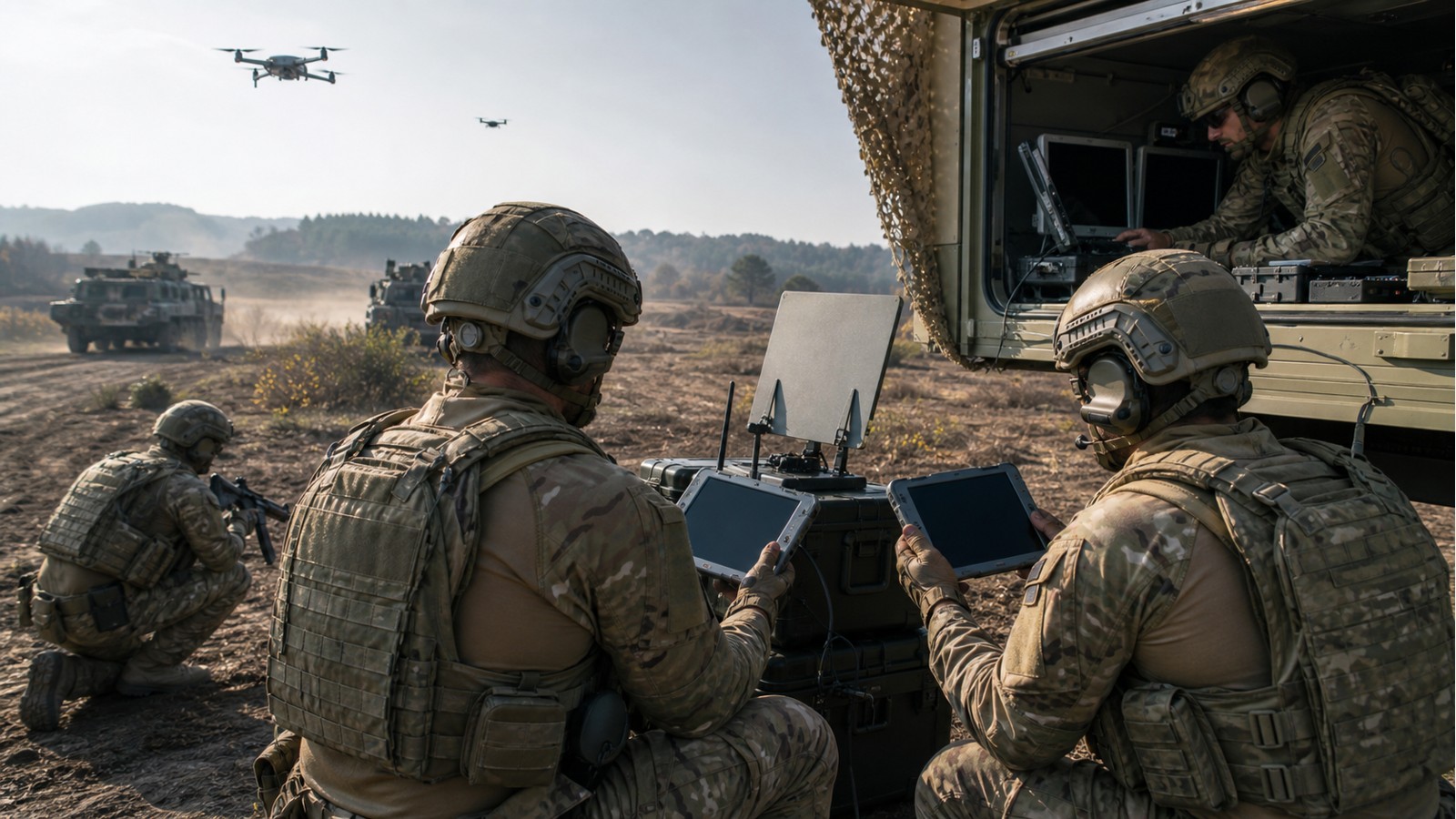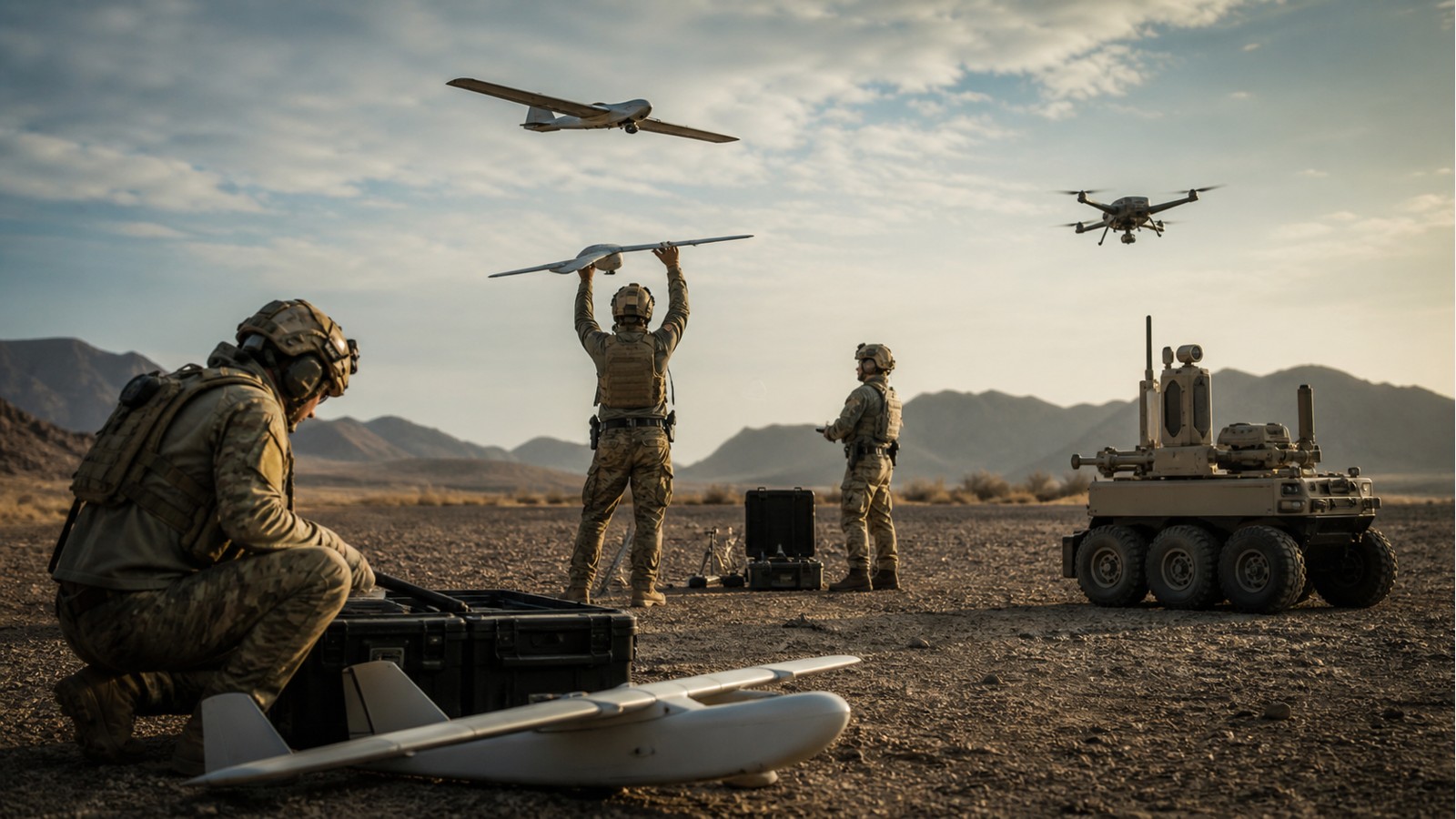
Drone & Autonomous Weapons 101: How Unmanned Systems Are Changing Warfare
Drone & Autonomous Weapons 101: How Unmanned Systems Are Changing Warfare is best read as a practical explainer, not a slogan or a ranking. The useful version of the topic starts with planning, timing, uncertainty, and the discipline needed when conditions change, then connects those pieces to people, equipment, geography, and command judgment. For Defense Street readers, Drone & Autonomous Weapons matters because it shows how modern defense work depends on systems that must perform under pressure, not just on the part that looks most dramatic from the outside.
What the Topic Really Means
Drones and autonomous weapons are unmanned systems that can extend sensing, communication, logistics, and strike capabilities. Some are remotely operated, while others use automation for selected functions.
Autonomy exists on a spectrum. A system may navigate, avoid obstacles, classify objects, or coordinate with other systems while humans remain responsible for mission decisions.
For Drone & Autonomous Weapons 101: How Unmanned Systems Are Changing Warfare, the what the topic really means angle is strongest when it connects unmanned systems and autonomy to organization, training, logistics, and accountability. Defense topics are rarely explained by one impressive number, because the result depends on people, doctrine, maintenance, communications, and support systems working together.
In the what the topic really means section, unmanned systems and autonomy also needs plain context. A capability can look powerful on paper while still depending on readiness, terrain, policy, command judgment, and the mission it is assigned to support.
The what the topic really means view also helps separate public fascination from military reality. Readers get a clearer picture when unmanned systems and autonomy is tied to disciplined training, lawful authority, maintenance cycles, and the larger unit that turns an individual capability into useful defense power.
A strong explanation of what the topic really means keeps the focus on judgment rather than spectacle. The useful questions are what the capability is for, who is responsible for it, what limits shape its use, and how it supports a mission without becoming the whole story.
Why It Matters in Defense
Unmanned systems matter because they can reduce exposure, increase persistence, and make battlefield observation cheaper and more common.
They also matter because autonomy can compress decision time and raise accountability questions about how force is controlled, tested, and reviewed.
For Drone & Autonomous Weapons 101: How Unmanned Systems Are Changing Warfare, the why it matters in defense angle is strongest when it connects unmanned systems and autonomy to organization, training, logistics, and accountability. Defense topics are rarely explained by one impressive number, because the result depends on people, doctrine, maintenance, communications, and support systems working together.
In the why it matters in defense section, unmanned systems and autonomy also needs plain context. A capability can look powerful on paper while still depending on readiness, terrain, policy, command judgment, and the mission it is assigned to support.
The why it matters in defense view also helps separate public fascination from military reality. Readers get a clearer picture when unmanned systems and autonomy is tied to disciplined training, lawful authority, maintenance cycles, and the larger unit that turns an individual capability into useful defense power.
A strong explanation of why it matters in defense keeps the focus on judgment rather than spectacle. The useful questions are what the capability is for, who is responsible for it, what limits shape its use, and how it supports a mission without becoming the whole story.
The Main Parts to Understand
The main parts include the platform, sensors, payload, control link, navigation, power source, software, data processing, operator interface, testing, and command authority.
A drone may be built for reconnaissance, logistics, electronic warfare, decoy roles, communications relay, maritime patrol, or strike missions.
For Drone & Autonomous Weapons 101: How Unmanned Systems Are Changing Warfare, the the main parts to understand angle is strongest when it connects unmanned systems and autonomy to organization, training, logistics, and accountability. Defense topics are rarely explained by one impressive number, because the result depends on people, doctrine, maintenance, communications, and support systems working together.
In the the main parts to understand section, unmanned systems and autonomy also needs plain context. A capability can look powerful on paper while still depending on readiness, terrain, policy, command judgment, and the mission it is assigned to support.
The the main parts to understand view also helps separate public fascination from military reality. Readers get a clearer picture when unmanned systems and autonomy is tied to disciplined training, lawful authority, maintenance cycles, and the larger unit that turns an individual capability into useful defense power.
A strong explanation of the main parts to understand keeps the focus on judgment rather than spectacle. The useful questions are what the capability is for, who is responsible for it, what limits shape its use, and how it supports a mission without becoming the whole story.
How to Read the Claims
Claims about autonomous weapons should avoid treating them as fully independent battlefield minds. Real systems have defined functions, limits, test conditions, and failure modes.
A responsible explanation keeps human judgment, law, safety, and accountability at the center rather than presenting autonomy as a shortcut around command responsibility.
For Drone & Autonomous Weapons 101: How Unmanned Systems Are Changing Warfare, the how to read the claims angle is strongest when it connects unmanned systems and autonomy to organization, training, logistics, and accountability. Defense topics are rarely explained by one impressive number, because the result depends on people, doctrine, maintenance, communications, and support systems working together.
In the how to read the claims section, unmanned systems and autonomy also needs plain context. A capability can look powerful on paper while still depending on readiness, terrain, policy, command judgment, and the mission it is assigned to support.
The how to read the claims view also helps separate public fascination from military reality. Readers get a clearer picture when unmanned systems and autonomy is tied to disciplined training, lawful authority, maintenance cycles, and the larger unit that turns an individual capability into useful defense power.
A strong explanation of how to read the claims keeps the focus on judgment rather than spectacle. The useful questions are what the capability is for, who is responsible for it, what limits shape its use, and how it supports a mission without becoming the whole story.
Where People Get Confused
One confusion is assuming all drones are autonomous. Many are remotely piloted, some are partly automated, and a smaller set use more advanced autonomous functions.
Another confusion is assuming autonomy removes people from war. People still design, approve, deploy, monitor, maintain, and judge the system.
For Drone & Autonomous Weapons 101: How Unmanned Systems Are Changing Warfare, the where people get confused angle is strongest when it connects unmanned systems and autonomy to organization, training, logistics, and accountability. Defense topics are rarely explained by one impressive number, because the result depends on people, doctrine, maintenance, communications, and support systems working together.
In the where people get confused section, unmanned systems and autonomy also needs plain context. A capability can look powerful on paper while still depending on readiness, terrain, policy, command judgment, and the mission it is assigned to support.
The where people get confused view also helps separate public fascination from military reality. Readers get a clearer picture when unmanned systems and autonomy is tied to disciplined training, lawful authority, maintenance cycles, and the larger unit that turns an individual capability into useful defense power.
A strong explanation of where people get confused keeps the focus on judgment rather than spectacle. The useful questions are what the capability is for, who is responsible for it, what limits shape its use, and how it supports a mission without becoming the whole story.
Real-World Context
U.S. autonomy policy discussions often emphasize appropriate human judgment over the use of force, plus training and understanding of system limits.
Recent conflicts have shown how cheap drones can affect reconnaissance, artillery spotting, logistics, morale, and the need for counter-drone defense.
For Drone & Autonomous Weapons 101: How Unmanned Systems Are Changing Warfare, the real-world context angle is strongest when it connects unmanned systems and autonomy to organization, training, logistics, and accountability. Defense topics are rarely explained by one impressive number, because the result depends on people, doctrine, maintenance, communications, and support systems working together.
In the real-world context section, unmanned systems and autonomy also needs plain context. A capability can look powerful on paper while still depending on readiness, terrain, policy, command judgment, and the mission it is assigned to support.
The real-world context view also helps separate public fascination from military reality. Readers get a clearer picture when unmanned systems and autonomy is tied to disciplined training, lawful authority, maintenance cycles, and the larger unit that turns an individual capability into useful defense power.
A strong explanation of real-world context keeps the focus on judgment rather than spectacle. The useful questions are what the capability is for, who is responsible for it, what limits shape its use, and how it supports a mission without becoming the whole story.
Limits, Risks, and Tradeoffs
The limits include weather, jamming, battery life, cyber risk, sensor error, target confusion, data overload, production quality, and legal review.
Autonomous functions can fail in messy environments that differ from tests. That makes realistic evaluation and operator understanding essential.
For Drone & Autonomous Weapons 101: How Unmanned Systems Are Changing Warfare, the limits, risks, and tradeoffs angle is strongest when it connects unmanned systems and autonomy to organization, training, logistics, and accountability. Defense topics are rarely explained by one impressive number, because the result depends on people, doctrine, maintenance, communications, and support systems working together.
In the limits, risks, and tradeoffs section, unmanned systems and autonomy also needs plain context. A capability can look powerful on paper while still depending on readiness, terrain, policy, command judgment, and the mission it is assigned to support.
The limits, risks, and tradeoffs view also helps separate public fascination from military reality. Readers get a clearer picture when unmanned systems and autonomy is tied to disciplined training, lawful authority, maintenance cycles, and the larger unit that turns an individual capability into useful defense power.
A strong explanation of limits, risks, and tradeoffs keeps the focus on judgment rather than spectacle. The useful questions are what the capability is for, who is responsible for it, what limits shape its use, and how it supports a mission without becoming the whole story.
How the Topic Is Changing
Unmanned systems are changing through swarming concepts, AI-assisted sensing, maritime drones, ground robots, loitering munitions, and counter-drone systems.
The future may depend on human-machine teams that use autonomy to support judgment rather than replace it.
For Drone & Autonomous Weapons 101: How Unmanned Systems Are Changing Warfare, the how the topic is changing angle is strongest when it connects unmanned systems and autonomy to organization, training, logistics, and accountability. Defense topics are rarely explained by one impressive number, because the result depends on people, doctrine, maintenance, communications, and support systems working together.
In the how the topic is changing section, unmanned systems and autonomy also needs plain context. A capability can look powerful on paper while still depending on readiness, terrain, policy, command judgment, and the mission it is assigned to support.
The how the topic is changing view also helps separate public fascination from military reality. Readers get a clearer picture when unmanned systems and autonomy is tied to disciplined training, lawful authority, maintenance cycles, and the larger unit that turns an individual capability into useful defense power.
A strong explanation of how the topic is changing keeps the focus on judgment rather than spectacle. The useful questions are what the capability is for, who is responsible for it, what limits shape its use, and how it supports a mission without becoming the whole story.
A Clear Way to Remember It
A simple memory hook is unmanned, networked, limited, accountable. Drones extend reach, autonomy has limits, and people remain accountable.
When reading about drones, ask what the system does, who controls it, what defeats it, and how decisions are reviewed.
For Drone & Autonomous Weapons 101: How Unmanned Systems Are Changing Warfare, the a clear way to remember it angle is strongest when it connects unmanned systems and autonomy to organization, training, logistics, and accountability. Defense topics are rarely explained by one impressive number, because the result depends on people, doctrine, maintenance, communications, and support systems working together.
In the a clear way to remember it section, unmanned systems and autonomy also needs plain context. A capability can look powerful on paper while still depending on readiness, terrain, policy, command judgment, and the mission it is assigned to support.
The a clear way to remember it view also helps separate public fascination from military reality. Readers get a clearer picture when unmanned systems and autonomy is tied to disciplined training, lawful authority, maintenance cycles, and the larger unit that turns an individual capability into useful defense power.
A strong explanation of a clear way to remember it keeps the focus on judgment rather than spectacle. The useful questions are what the capability is for, who is responsible for it, what limits shape its use, and how it supports a mission without becoming the whole story.
Bottom Line on Drone and Autonomous Weapons
Drones and autonomous weapons are changing warfare by extending sensing, reach, and speed. Their responsible use depends on testing, human judgment, law, resilience, and clear accountability.