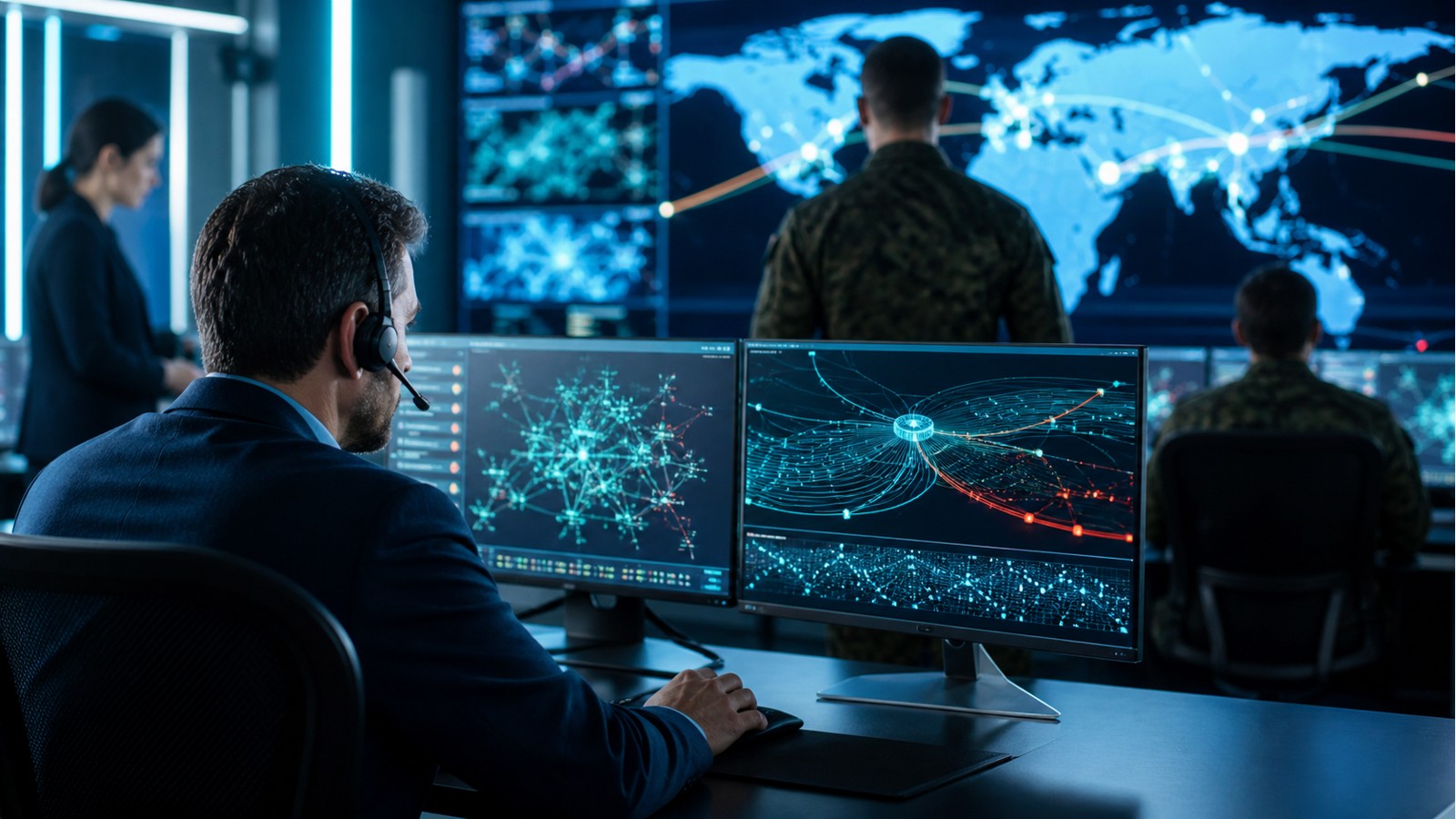
Cyber Warfare Explained: How Nations Attack and Defend in the Digital Battlefield
Cyber Warfare Explained: How Nations Attack and Defend in the Digital Battlefield is best read as a practical explainer, not a slogan or a ranking. The useful version of the topic starts with planning, timing, uncertainty, and the discipline needed when conditions change, then connects those pieces to people, equipment, geography, and command judgment. For Defense Street readers, Cyber Warfare matters because it shows how modern defense work depends on systems that must perform under pressure, not just on the part that looks most dramatic from the outside.
What the Topic Really Means
Cyber warfare is the use of digital operations by states or state-linked actors to gain intelligence, disrupt systems, influence events, or support broader military and political goals.
The digital battlefield includes networks, software, identity systems, industrial control systems, cloud services, satellites, supply chains, and the people who operate them.
For Cyber Warfare Explained: How Nations Attack and Defend in the Digital Battlefield, the what the topic really means angle is strongest when it connects state cyber conflict to organization, training, logistics, and accountability. Defense topics are rarely explained by one impressive number, because the result depends on people, doctrine, maintenance, communications, and support systems working together.
In the what the topic really means section, state cyber conflict also needs plain context. A capability can look powerful on paper while still depending on readiness, terrain, policy, command judgment, and the mission it is assigned to support.
The what the topic really means view also helps separate public fascination from military reality. Readers get a clearer picture when state cyber conflict is tied to disciplined training, lawful authority, maintenance cycles, and the larger unit that turns an individual capability into useful defense power.
A strong explanation of what the topic really means keeps the focus on judgment rather than spectacle. The useful questions are what the capability is for, who is responsible for it, what limits shape its use, and how it supports a mission without becoming the whole story.
Why It Matters in Defense
Cyber warfare matters because modern societies depend on connected systems. Banking, energy, water, transportation, health care, communications, defense, and elections all rely on digital trust.
It also matters because cyber activity can sit below the threshold of open war. States may probe, steal, disrupt, or signal without crossing into obvious conventional conflict.
For Cyber Warfare Explained: How Nations Attack and Defend in the Digital Battlefield, the why it matters in defense angle is strongest when it connects state cyber conflict to organization, training, logistics, and accountability. Defense topics are rarely explained by one impressive number, because the result depends on people, doctrine, maintenance, communications, and support systems working together.
In the why it matters in defense section, state cyber conflict also needs plain context. A capability can look powerful on paper while still depending on readiness, terrain, policy, command judgment, and the mission it is assigned to support.
The why it matters in defense view also helps separate public fascination from military reality. Readers get a clearer picture when state cyber conflict is tied to disciplined training, lawful authority, maintenance cycles, and the larger unit that turns an individual capability into useful defense power.
A strong explanation of why it matters in defense keeps the focus on judgment rather than spectacle. The useful questions are what the capability is for, who is responsible for it, what limits shape its use, and how it supports a mission without becoming the whole story.
The Main Parts to Understand
The main parts include reconnaissance, access, persistence, privilege escalation, data collection, disruption, deception, defense monitoring, incident response, attribution, and recovery.
Cyber defense includes identity management, network segmentation, backups, patching, logging, threat hunting, exercises, vendor risk review, and clear crisis communication.
For Cyber Warfare Explained: How Nations Attack and Defend in the Digital Battlefield, the the main parts to understand angle is strongest when it connects state cyber conflict to organization, training, logistics, and accountability. Defense topics are rarely explained by one impressive number, because the result depends on people, doctrine, maintenance, communications, and support systems working together.
In the the main parts to understand section, state cyber conflict also needs plain context. A capability can look powerful on paper while still depending on readiness, terrain, policy, command judgment, and the mission it is assigned to support.
The the main parts to understand view also helps separate public fascination from military reality. Readers get a clearer picture when state cyber conflict is tied to disciplined training, lawful authority, maintenance cycles, and the larger unit that turns an individual capability into useful defense power.
A strong explanation of the main parts to understand keeps the focus on judgment rather than spectacle. The useful questions are what the capability is for, who is responsible for it, what limits shape its use, and how it supports a mission without becoming the whole story.
How to Read the Claims
Claims about cyber warfare should avoid treating it as magic. Many attacks succeed through ordinary weaknesses: reused passwords, unpatched systems, exposed services, weak monitoring, and trusted vendors.
A safe public explanation focuses on risk, resilience, and decision-making rather than step-by-step intrusion methods.
For Cyber Warfare Explained: How Nations Attack and Defend in the Digital Battlefield, the how to read the claims angle is strongest when it connects state cyber conflict to organization, training, logistics, and accountability. Defense topics are rarely explained by one impressive number, because the result depends on people, doctrine, maintenance, communications, and support systems working together.
In the how to read the claims section, state cyber conflict also needs plain context. A capability can look powerful on paper while still depending on readiness, terrain, policy, command judgment, and the mission it is assigned to support.
The how to read the claims view also helps separate public fascination from military reality. Readers get a clearer picture when state cyber conflict is tied to disciplined training, lawful authority, maintenance cycles, and the larger unit that turns an individual capability into useful defense power.
A strong explanation of how to read the claims keeps the focus on judgment rather than spectacle. The useful questions are what the capability is for, who is responsible for it, what limits shape its use, and how it supports a mission without becoming the whole story.
Where People Get Confused
One confusion is assuming every breach is cyber warfare. Criminal ransomware, espionage, hacktivism, sabotage, and military cyber operations can overlap but are not identical.
Another confusion is assuming attribution is instant. Technical clues, intelligence, behavior patterns, infrastructure, and political context all contribute to assigning responsibility.
For Cyber Warfare Explained: How Nations Attack and Defend in the Digital Battlefield, the where people get confused angle is strongest when it connects state cyber conflict to organization, training, logistics, and accountability. Defense topics are rarely explained by one impressive number, because the result depends on people, doctrine, maintenance, communications, and support systems working together.
In the where people get confused section, state cyber conflict also needs plain context. A capability can look powerful on paper while still depending on readiness, terrain, policy, command judgment, and the mission it is assigned to support.
The where people get confused view also helps separate public fascination from military reality. Readers get a clearer picture when state cyber conflict is tied to disciplined training, lawful authority, maintenance cycles, and the larger unit that turns an individual capability into useful defense power.
A strong explanation of where people get confused keeps the focus on judgment rather than spectacle. The useful questions are what the capability is for, who is responsible for it, what limits shape its use, and how it supports a mission without becoming the whole story.
Real-World Context
National cyber agencies often emphasize critical infrastructure because digital disruption can create physical, economic, and public-safety consequences.
Military cyber operations may support conventional campaigns by disrupting communications, gathering intelligence, defending networks, or shaping an opponent’s decision environment.
For Cyber Warfare Explained: How Nations Attack and Defend in the Digital Battlefield, the real-world context angle is strongest when it connects state cyber conflict to organization, training, logistics, and accountability. Defense topics are rarely explained by one impressive number, because the result depends on people, doctrine, maintenance, communications, and support systems working together.
In the real-world context section, state cyber conflict also needs plain context. A capability can look powerful on paper while still depending on readiness, terrain, policy, command judgment, and the mission it is assigned to support.
The real-world context view also helps separate public fascination from military reality. Readers get a clearer picture when state cyber conflict is tied to disciplined training, lawful authority, maintenance cycles, and the larger unit that turns an individual capability into useful defense power.
A strong explanation of real-world context keeps the focus on judgment rather than spectacle. The useful questions are what the capability is for, who is responsible for it, what limits shape its use, and how it supports a mission without becoming the whole story.
Limits, Risks, and Tradeoffs
The limits include uncertainty, collateral effects, legal review, dependence on access, risk of escalation, and the challenge of measuring whether an operation achieved its purpose.
Cyber defense also has limits because no organization can remove every weakness. Resilience depends on detecting trouble, containing damage, and recovering essential functions.
For Cyber Warfare Explained: How Nations Attack and Defend in the Digital Battlefield, the limits, risks, and tradeoffs angle is strongest when it connects state cyber conflict to organization, training, logistics, and accountability. Defense topics are rarely explained by one impressive number, because the result depends on people, doctrine, maintenance, communications, and support systems working together.
In the limits, risks, and tradeoffs section, state cyber conflict also needs plain context. A capability can look powerful on paper while still depending on readiness, terrain, policy, command judgment, and the mission it is assigned to support.
The limits, risks, and tradeoffs view also helps separate public fascination from military reality. Readers get a clearer picture when state cyber conflict is tied to disciplined training, lawful authority, maintenance cycles, and the larger unit that turns an individual capability into useful defense power.
A strong explanation of limits, risks, and tradeoffs keeps the focus on judgment rather than spectacle. The useful questions are what the capability is for, who is responsible for it, what limits shape its use, and how it supports a mission without becoming the whole story.
How the Topic Is Changing
Cyber warfare is changing through AI-assisted defense, AI-enabled deception, cloud concentration, satellite links, industrial internet systems, and the growing importance of software supply chains.
The future will likely reward organizations that practice recovery, share threat information, and treat cybersecurity as operational readiness rather than a separate technical chore.
For Cyber Warfare Explained: How Nations Attack and Defend in the Digital Battlefield, the how the topic is changing angle is strongest when it connects state cyber conflict to organization, training, logistics, and accountability. Defense topics are rarely explained by one impressive number, because the result depends on people, doctrine, maintenance, communications, and support systems working together.
In the how the topic is changing section, state cyber conflict also needs plain context. A capability can look powerful on paper while still depending on readiness, terrain, policy, command judgment, and the mission it is assigned to support.
The how the topic is changing view also helps separate public fascination from military reality. Readers get a clearer picture when state cyber conflict is tied to disciplined training, lawful authority, maintenance cycles, and the larger unit that turns an individual capability into useful defense power.
A strong explanation of how the topic is changing keeps the focus on judgment rather than spectacle. The useful questions are what the capability is for, who is responsible for it, what limits shape its use, and how it supports a mission without becoming the whole story.
A Clear Way to Remember It
A simple memory hook is access, effect, attribution, recovery. Cyber conflict begins with access, seeks an effect, raises attribution questions, and tests recovery plans.
When reading about cyber warfare, ask who benefits, what system was affected, what evidence supports attribution, and how quickly essential services can recover.
For Cyber Warfare Explained: How Nations Attack and Defend in the Digital Battlefield, the a clear way to remember it angle is strongest when it connects state cyber conflict to organization, training, logistics, and accountability. Defense topics are rarely explained by one impressive number, because the result depends on people, doctrine, maintenance, communications, and support systems working together.
In the a clear way to remember it section, state cyber conflict also needs plain context. A capability can look powerful on paper while still depending on readiness, terrain, policy, command judgment, and the mission it is assigned to support.
The a clear way to remember it view also helps separate public fascination from military reality. Readers get a clearer picture when state cyber conflict is tied to disciplined training, lawful authority, maintenance cycles, and the larger unit that turns an individual capability into useful defense power.
A strong explanation of a clear way to remember it keeps the focus on judgment rather than spectacle. The useful questions are what the capability is for, who is responsible for it, what limits shape its use, and how it supports a mission without becoming the whole story.
Bottom Line on Cyber Warfare
Cyber warfare is digital conflict tied to national power. Its impact depends on access, resilience, attribution, legal authority, recovery planning, and the connection between digital systems and real-world consequences.