Stealth Technology Explained: How Aircraft, Ships, Vehicles, and Drones Avoid Detection
Stealth Technology Explained: How Aircraft, Ships, Vehicles, and Drones Avoid Detection is best read as a practical explainer, not a slogan or a ranking. The useful version of the topic starts with capability, limits, support demands, and the way technology shapes choices, then connects those pieces to people, equipment, geography, and command judgment. For Defense Street readers, Stealth Technology matters because it shows how modern defense work depends on systems that must perform under pressure, not just on the part that looks most dramatic from the outside.
What the Topic Really Means
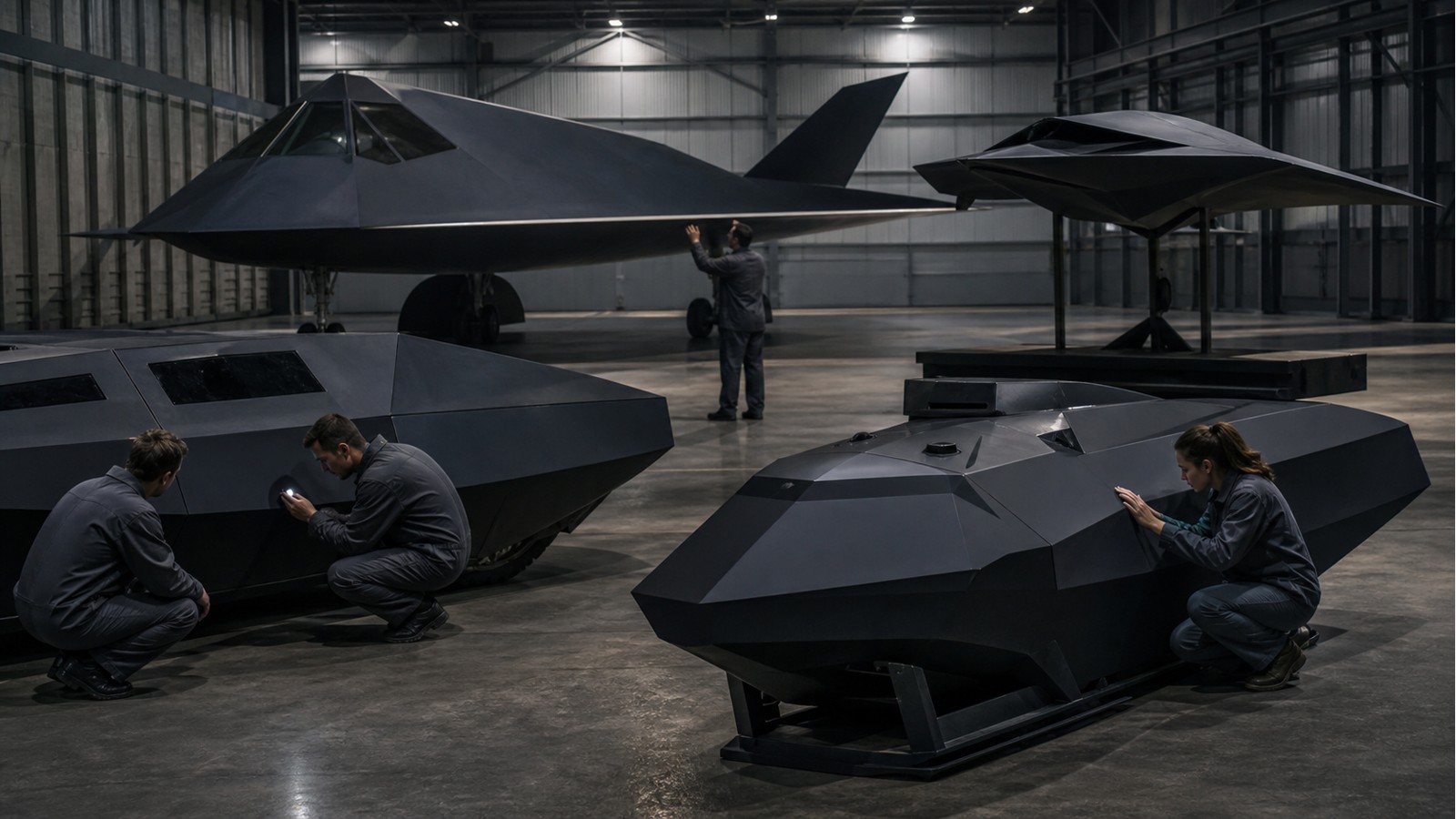
Stealth technology, often called low-observable design, reduces how easily a platform is detected, tracked, identified, or targeted by sensors. It can involve shape, materials, heat management, sound reduction, emissions control, and tactics.
Stealth does not mean invisibility. It means lowering signatures enough to delay detection, reduce tracking quality, complicate targeting, or give the platform more freedom to operate.
For Stealth Technology Explained: How Aircraft, Ships, Vehicles, and Drones Avoid Detection, the what the topic really means angle is strongest when it connects low-observable design to organization, training, logistics, and accountability. Defense topics are rarely explained by one impressive number, because the result depends on people, doctrine, maintenance, communications, and support systems working together.
In the what the topic really means section, low-observable design also needs plain context. A capability can look powerful on paper while still depending on readiness, terrain, policy, command judgment, and the mission it is assigned to support.
The what the topic really means view also helps separate public fascination from military reality. Readers get a clearer picture when low-observable design is tied to disciplined training, lawful authority, maintenance cycles, and the larger unit that turns an individual capability into useful defense power.
A strong explanation of what the topic really means keeps the focus on judgment rather than spectacle. The useful questions are what the capability is for, who is responsible for it, what limits shape its use, and how it supports a mission without becoming the whole story.
Why It Matters in Defense
Stealth matters because modern warfare is full of sensors. Radar, infrared search systems, sonar, satellites, electronic surveillance, and optical systems can expose forces before they reach a useful position.
It also matters because survivability often comes from time. If detection happens later or targeting is less reliable, a force may have more room to complete the mission or leave the danger area.
For Stealth Technology Explained: How Aircraft, Ships, Vehicles, and Drones Avoid Detection, the why it matters in defense angle is strongest when it connects low-observable design to organization, training, logistics, and accountability. Defense topics are rarely explained by one impressive number, because the result depends on people, doctrine, maintenance, communications, and support systems working together.
In the why it matters in defense section, low-observable design also needs plain context. A capability can look powerful on paper while still depending on readiness, terrain, policy, command judgment, and the mission it is assigned to support.
The why it matters in defense view also helps separate public fascination from military reality. Readers get a clearer picture when low-observable design is tied to disciplined training, lawful authority, maintenance cycles, and the larger unit that turns an individual capability into useful defense power.
A strong explanation of why it matters in defense keeps the focus on judgment rather than spectacle. The useful questions are what the capability is for, who is responsible for it, what limits shape its use, and how it supports a mission without becoming the whole story.
The Main Parts to Understand
The main parts include radar cross-section reduction, infrared signature management, acoustic quieting, electronic emissions control, visual design, coatings, maintenance, and mission planning.
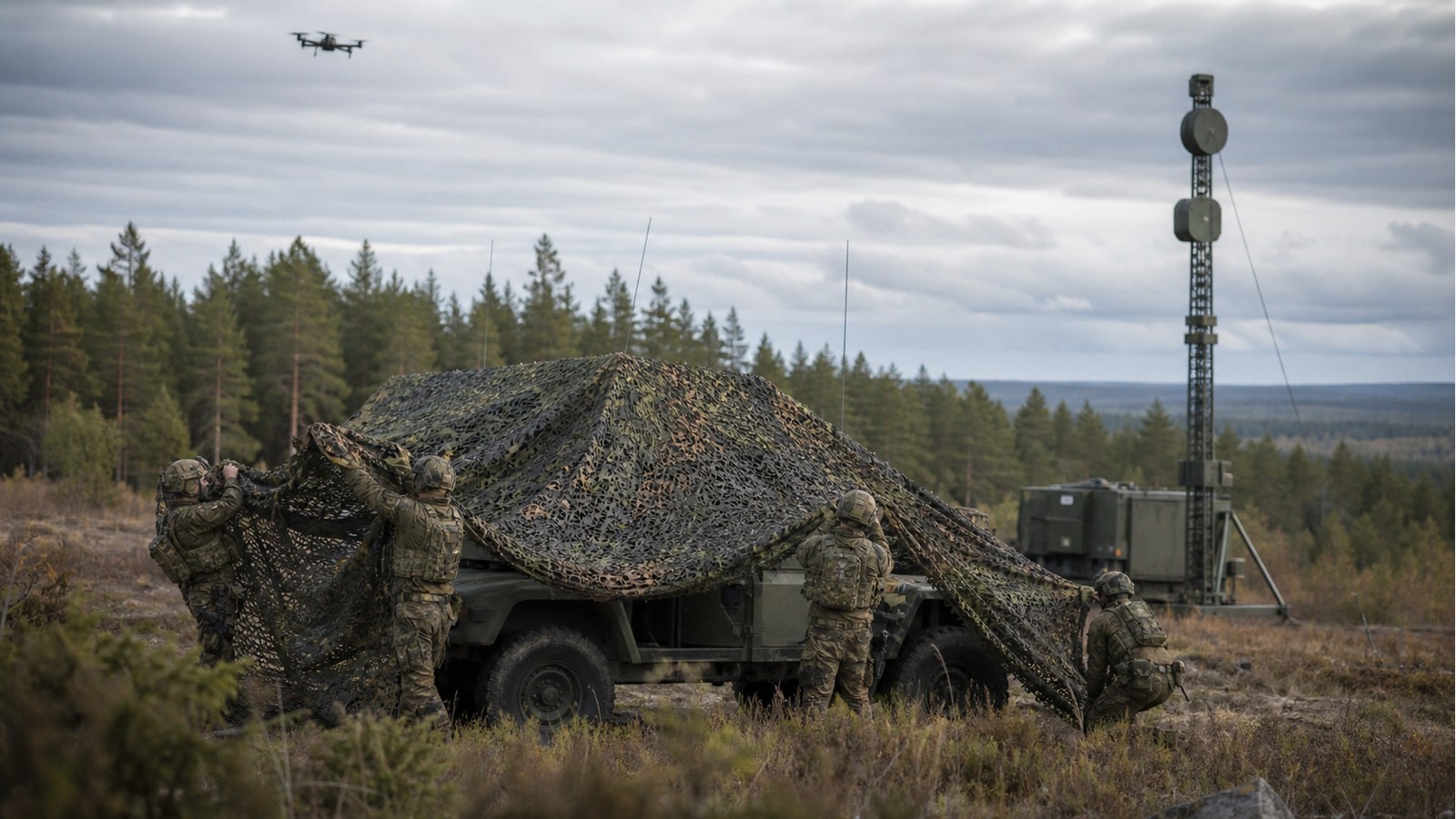
Aircraft stealth often receives the most attention, but ships, submarines, vehicles, drones, missiles, and ground units all use some form of signature management.
For Stealth Technology Explained: How Aircraft, Ships, Vehicles, and Drones Avoid Detection, the the main parts to understand angle is strongest when it connects low-observable design to organization, training, logistics, and accountability. Defense topics are rarely explained by one impressive number, because the result depends on people, doctrine, maintenance, communications, and support systems working together.
In the the main parts to understand section, low-observable design also needs plain context. A capability can look powerful on paper while still depending on readiness, terrain, policy, command judgment, and the mission it is assigned to support.
The the main parts to understand view also helps separate public fascination from military reality. Readers get a clearer picture when low-observable design is tied to disciplined training, lawful authority, maintenance cycles, and the larger unit that turns an individual capability into useful defense power.
A strong explanation of the main parts to understand keeps the focus on judgment rather than spectacle. The useful questions are what the capability is for, who is responsible for it, what limits shape its use, and how it supports a mission without becoming the whole story.
How to Read the Claims
Claims about stealth should avoid absolutes. A platform may be hard to detect in one sensor band, range, angle, or environment and more visible in another.
A practical explanation treats stealth as a tradeoff. Shape, payload, cost, maintenance, speed, range, cooling, and weapons carriage can all be affected by low-observable design.
For Stealth Technology Explained: How Aircraft, Ships, Vehicles, and Drones Avoid Detection, the how to read the claims angle is strongest when it connects low-observable design to organization, training, logistics, and accountability. Defense topics are rarely explained by one impressive number, because the result depends on people, doctrine, maintenance, communications, and support systems working together.
In the how to read the claims section, low-observable design also needs plain context. A capability can look powerful on paper while still depending on readiness, terrain, policy, command judgment, and the mission it is assigned to support.
The how to read the claims view also helps separate public fascination from military reality. Readers get a clearer picture when low-observable design is tied to disciplined training, lawful authority, maintenance cycles, and the larger unit that turns an individual capability into useful defense power.
A strong explanation of how to read the claims keeps the focus on judgment rather than spectacle. The useful questions are what the capability is for, who is responsible for it, what limits shape its use, and how it supports a mission without becoming the whole story.
Where People Get Confused
One confusion is thinking stealth works the same way against every sensor. Radar, infrared, acoustic, magnetic, visual, and electronic signatures behave differently.
Another confusion is assuming stealth removes the need for tactics. Low observability works best with route planning, electronic warfare, timing, intelligence, and disciplined emissions.
For Stealth Technology Explained: How Aircraft, Ships, Vehicles, and Drones Avoid Detection, the where people get confused angle is strongest when it connects low-observable design to organization, training, logistics, and accountability. Defense topics are rarely explained by one impressive number, because the result depends on people, doctrine, maintenance, communications, and support systems working together.
In the where people get confused section, low-observable design also needs plain context. A capability can look powerful on paper while still depending on readiness, terrain, policy, command judgment, and the mission it is assigned to support.
The where people get confused view also helps separate public fascination from military reality. Readers get a clearer picture when low-observable design is tied to disciplined training, lawful authority, maintenance cycles, and the larger unit that turns an individual capability into useful defense power.
A strong explanation of where people get confused keeps the focus on judgment rather than spectacle. The useful questions are what the capability is for, who is responsible for it, what limits shape its use, and how it supports a mission without becoming the whole story.
Real-World Context
Public Air Force material often describes low-observable technology as reducing radar signature, but radar is only one part of the broader signature-management problem.
Modern air defenses combine multiple sensors, so stealth must be paired with jamming, decoys, standoff weapons, cyber effects, and careful mission planning.
For Stealth Technology Explained: How Aircraft, Ships, Vehicles, and Drones Avoid Detection, the real-world context angle is strongest when it connects low-observable design to organization, training, logistics, and accountability. Defense topics are rarely explained by one impressive number, because the result depends on people, doctrine, maintenance, communications, and support systems working together.
In the real-world context section, low-observable design also needs plain context. A capability can look powerful on paper while still depending on readiness, terrain, policy, command judgment, and the mission it is assigned to support.
The real-world context view also helps separate public fascination from military reality. Readers get a clearer picture when low-observable design is tied to disciplined training, lawful authority, maintenance cycles, and the larger unit that turns an individual capability into useful defense power.
A strong explanation of real-world context keeps the focus on judgment rather than spectacle. The useful questions are what the capability is for, who is responsible for it, what limits shape its use, and how it supports a mission without becoming the whole story.
Limits, Risks, and Tradeoffs
The limits include maintenance burden, damaged coatings, open weapon bays, weathering, sensor fusion, low-frequency radars, infrared search, and the cost of keeping a stealth fleet ready.
Stealth can also shape procurement. A highly specialized platform may be powerful but expensive to buy, maintain, and upgrade.
For Stealth Technology Explained: How Aircraft, Ships, Vehicles, and Drones Avoid Detection, the limits, risks, and tradeoffs angle is strongest when it connects low-observable design to organization, training, logistics, and accountability. Defense topics are rarely explained by one impressive number, because the result depends on people, doctrine, maintenance, communications, and support systems working together.
In the limits, risks, and tradeoffs section, low-observable design also needs plain context. A capability can look powerful on paper while still depending on readiness, terrain, policy, command judgment, and the mission it is assigned to support.
The limits, risks, and tradeoffs view also helps separate public fascination from military reality. Readers get a clearer picture when low-observable design is tied to disciplined training, lawful authority, maintenance cycles, and the larger unit that turns an individual capability into useful defense power.
A strong explanation of limits, risks, and tradeoffs keeps the focus on judgment rather than spectacle. The useful questions are what the capability is for, who is responsible for it, what limits shape its use, and how it supports a mission without becoming the whole story.
How the Topic Is Changing
Stealth is changing as sensors improve and platforms become more networked. Designers now think about radar, heat, electronic emissions, data links, and software as part of survivability.
Drones and missiles may use lower-cost signature reduction, while crewed aircraft and ships rely on deeper integration of design, materials, and tactics.
For Stealth Technology Explained: How Aircraft, Ships, Vehicles, and Drones Avoid Detection, the how the topic is changing angle is strongest when it connects low-observable design to organization, training, logistics, and accountability. Defense topics are rarely explained by one impressive number, because the result depends on people, doctrine, maintenance, communications, and support systems working together.
In the how the topic is changing section, low-observable design also needs plain context. A capability can look powerful on paper while still depending on readiness, terrain, policy, command judgment, and the mission it is assigned to support.
The how the topic is changing view also helps separate public fascination from military reality. Readers get a clearer picture when low-observable design is tied to disciplined training, lawful authority, maintenance cycles, and the larger unit that turns an individual capability into useful defense power.
A strong explanation of how the topic is changing keeps the focus on judgment rather than spectacle. The useful questions are what the capability is for, who is responsible for it, what limits shape its use, and how it supports a mission without becoming the whole story.
A Clear Way to Remember It
A simple memory hook is reduce, delay, confuse, survive. Stealth reduces signatures, delays detection, confuses targeting, and improves survival odds.
When reading about stealth, ask which sensor is being defeated, under what conditions, and what tradeoffs the design creates.
For Stealth Technology Explained: How Aircraft, Ships, Vehicles, and Drones Avoid Detection, the a clear way to remember it angle is strongest when it connects low-observable design to organization, training, logistics, and accountability. Defense topics are rarely explained by one impressive number, because the result depends on people, doctrine, maintenance, communications, and support systems working together.
In the a clear way to remember it section, low-observable design also needs plain context. A capability can look powerful on paper while still depending on readiness, terrain, policy, command judgment, and the mission it is assigned to support.
The a clear way to remember it view also helps separate public fascination from military reality. Readers get a clearer picture when low-observable design is tied to disciplined training, lawful authority, maintenance cycles, and the larger unit that turns an individual capability into useful defense power.
A strong explanation of a clear way to remember it keeps the focus on judgment rather than spectacle. The useful questions are what the capability is for, who is responsible for it, what limits shape its use, and how it supports a mission without becoming the whole story.
Bottom Line on Stealth Technology
Stealth technology helps aircraft, ships, vehicles, and drones avoid reliable detection and targeting. It is not invisibility; it is signature management combined with tactics, maintenance, and mission planning.