Army Aviation: Helicopters, Pilots, and Airborne Missions is not just another broad Army phrase. It involves autonomous teaming, drone defense, and human-machine trust, which means readers need a plain-language look at what actually happens before, during, and after the mission.
A: It shows how autonomous teaming and robotic scouts turn the title into a real Army mission problem.
A: Because data-driven command changes how leaders prepare people, equipment, and timing for army aviation.
A: Start army aviation: helicopters, pilots, and airborne missions with drone defense, then check who makes decisions and what support the mission needs.
A: No. In army aviation, technology only helps when training, doctrine, and human-machine trust are aligned.
A: Readers often miss the quiet work behind autonomous teaming because army aviation: helicopters, pilots, and airborne missions has visible action that gets more attention.
A: Earlier Army lessons show why robotic scouts succeeds only when army aviation: helicopters, pilots, and airborne missions is adapted to the actual environment.
A: For army aviation, the outcome can shift with leadership, logistics, weather, morale, and data-driven command.
A: New sensors, data tools, training methods, and force design choices are reshaping drone defense in army aviation: helicopters, pilots, and airborne missions.
A: Judge army aviation by mission fit, readiness, and whether human-machine trust can hold up under pressure.
A: Army Aviation: Helicopters, Pilots, and Airborne Missions belongs inside the Army Forces category as a focused example of autonomous teaming and operational judgment.
The Core Idea Behind Army Aviation
Viewed through aviation mission profile, Army Aviation: Helicopters, Pilots, and Airborne Missions begins with autonomous teaming, then moves into data-driven command inside a field exercise. Army Aviation can shape leader judgment only when leaders account for weather changes and the practical limits around human-machine trust. That is why this section treats army aviation as a working Army problem instead of movie-style expectations.
Viewed through aviation mission profile, Army Aviation: Helicopters, Pilots, and Airborne Missions begins with robotic scouts, then moves into drone defense inside a joint command post. Army Aviation can stress-test field discipline only when leaders account for communications friction and the practical limits around autonomous teaming. That is why this section treats army aviation as a working Army problem instead of equipment-only thinking.
Why Army Matters in Army Aviation
Viewed through aviation mission profile, Army Aviation: Helicopters, Pilots, and Airborne Missions begins with robotic scouts, then moves into drone defense inside a joint command post. Army Aviation can stress-test force credibility only when leaders account for coalition coordination and the practical limits around autonomous teaming. That is why this section treats army aviation as a working Army problem instead of one-size-fits-all answers.
Viewed through aviation mission profile, Army Aviation: Helicopters, Pilots, and Airborne Missions begins with data-driven command, then moves into human-machine trust inside a convoy staging area. Army Aviation can support team coordination only when leaders account for time pressure and the practical limits around robotic scouts. That is why this section treats army aviation as a working Army problem instead of abstract doctrine.
How the Mission Shapes Army Aviation
Viewed through aviation mission profile, Army Aviation: Helicopters, Pilots, and Airborne Missions begins with data-driven command, then moves into human-machine trust inside a convoy staging area. Army Aviation can support readiness only when leaders account for limited transport and the practical limits around robotic scouts. That is why this section treats army aviation as a working Army problem instead of equipment-only thinking.
Viewed through aviation mission profile, Army Aviation: Helicopters, Pilots, and Airborne Missions begins with drone defense, then moves into autonomous teaming inside a classroom after action review. Army Aviation can complicate unit confidence only when leaders account for fatigue and the practical limits around data-driven command. That is why this section treats army aviation as a working Army problem instead of headline assumptions.
The Equipment and Training Behind Army Aviation
Viewed through aviation mission profile, Army Aviation: Helicopters, Pilots, and Airborne Missions begins with drone defense, then moves into autonomous teaming inside a classroom after action review. Army Aviation can complicate mission timing only when leaders account for communications friction and the practical limits around data-driven command. That is why this section treats army aviation as a working Army problem instead of abstract doctrine.
Viewed through aviation mission profile, Army Aviation: Helicopters, Pilots, and Airborne Missions begins with human-machine trust, then moves into robotic scouts inside a training range. Army Aviation can strengthen risk control only when leaders account for equipment wear and the practical limits around drone defense. That is why this section treats army aviation as a working Army problem instead of surface impressions.
What People Often Misunderstand About Army Aviation
Viewed through aviation mission profile, Army Aviation: Helicopters, Pilots, and Airborne Missions begins with human-machine trust, then moves into robotic scouts inside a training range. Army Aviation can strengthen leader judgment only when leaders account for time pressure and the practical limits around drone defense. That is why this section treats army aviation as a working Army problem instead of headline assumptions.
Viewed through aviation mission profile, Army Aviation: Helicopters, Pilots, and Airborne Missions begins with autonomous teaming, then moves into data-driven command inside a deployment rehearsal. Army Aviation can redirect field discipline only when leaders account for uncertain information and the practical limits around human-machine trust. That is why this section treats army aviation as a working Army problem instead of simple labels.
Real-World Factors That Change Army Aviation
Viewed through aviation mission profile, Army Aviation: Helicopters, Pilots, and Airborne Missions begins with autonomous teaming, then moves into data-driven command inside a deployment rehearsal. Army Aviation can redirect force credibility only when leaders account for fatigue and the practical limits around human-machine trust. That is why this section treats army aviation as a working Army problem instead of surface impressions.
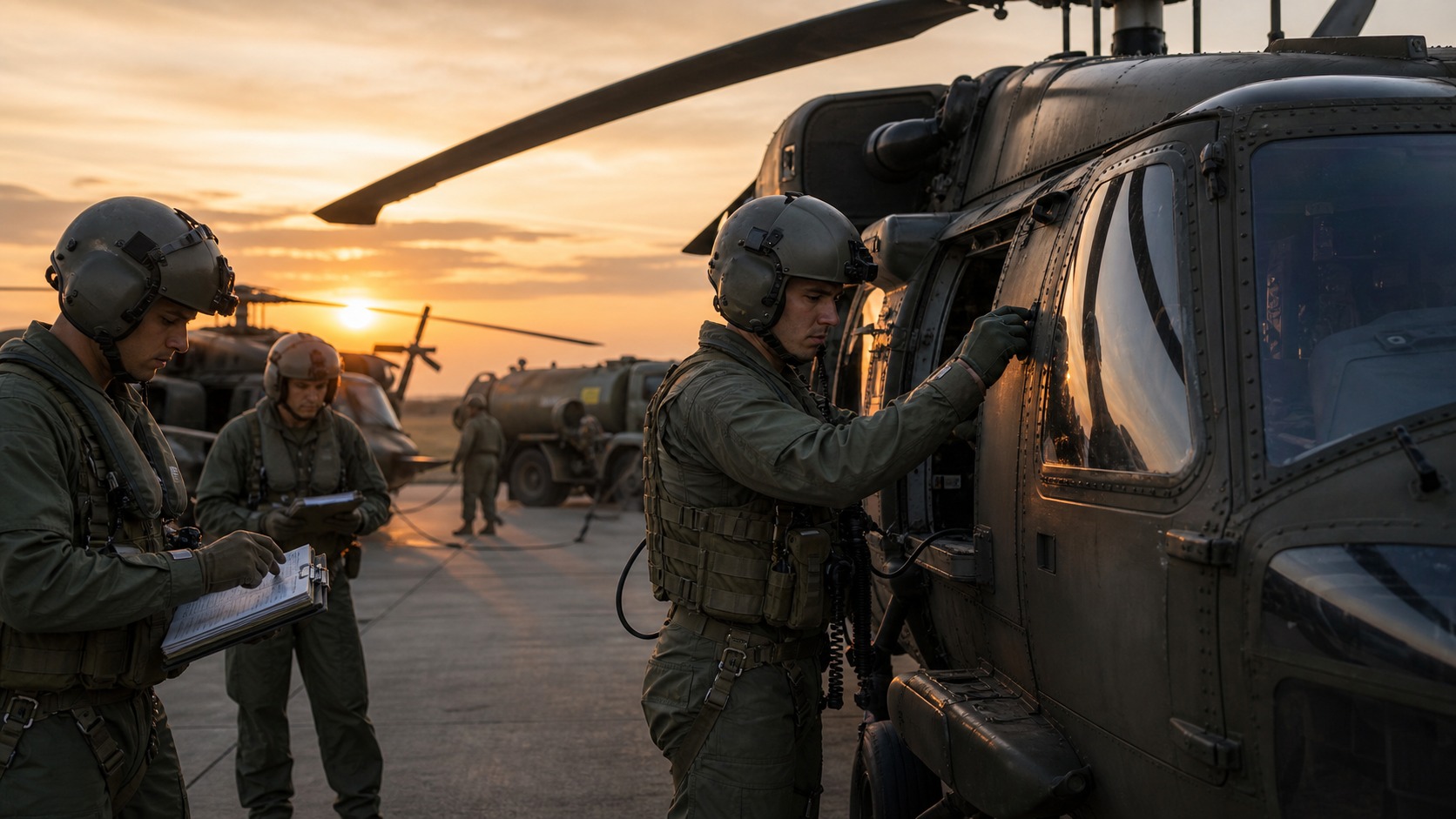
Viewed through aviation mission profile, Army Aviation: Helicopters, Pilots, and Airborne Missions begins with robotic scouts, then moves into drone defense inside a maintenance bay. Army Aviation can measure team coordination only when leaders account for weather changes and the practical limits around autonomous teaming. That is why this section treats army aviation as a working Army problem instead of recruiting language.
What Readers Should Remember About Army Aviation
Viewed through aviation mission profile, Army Aviation: Helicopters, Pilots, and Airborne Missions begins with robotic scouts, then moves into drone defense inside a maintenance bay. Army Aviation can measure readiness only when leaders account for equipment wear and the practical limits around autonomous teaming. That is why this section treats army aviation as a working Army problem instead of simple labels.
Viewed through aviation mission profile, Army Aviation: Helicopters, Pilots, and Airborne Missions begins with data-driven command, then moves into human-machine trust inside a briefing room. Army Aviation can clarify unit confidence only when leaders account for coalition coordination and the practical limits around robotic scouts. That is why this section treats army aviation as a working Army problem instead of movie-style expectations.
How Army Aviation Is Evolving
Viewed through aviation mission profile, Army Aviation: Helicopters, Pilots, and Airborne Missions begins with data-driven command, then moves into human-machine trust inside a briefing room. Army Aviation can clarify mission timing only when leaders account for uncertain information and the practical limits around robotic scouts. That is why this section treats army aviation as a working Army problem instead of recruiting language.
Viewed through aviation mission profile, Army Aviation: Helicopters, Pilots, and Airborne Missions begins with drone defense, then moves into autonomous teaming inside a field exercise. Army Aviation can shape risk control only when leaders account for limited transport and the practical limits around data-driven command. That is why this section treats army aviation as a working Army problem instead of one-size-fits-all answers.
Army Aviation: Helicopters, Pilots, and Airborne Missions makes the most sense when the reader starts with purpose, then follows robotic scouts, data-driven command, and human-machine trust. That path keeps the discussion grounded in real defense work instead of broad military language.
One final checkpoint for Army Aviation: Helicopters, Pilots, and Airborne Missions is sustainment around autonomous teaming. For army aviation, that means refresh training, realistic rehearsals, equipment checks, and leaders willing to revise assumptions after exercises. This final layer keeps the article’s subject tied to Army readiness rather than a static definition.
One final checkpoint for Army Aviation: Helicopters, Pilots, and Airborne Missions is sustainment around autonomous teaming. For army aviation, that means refresh training, realistic rehearsals, equipment checks, and leaders willing to revise assumptions after exercises. This final layer keeps the article’s subject tied to Army readiness rather than a static definition.
One final checkpoint for Army Aviation: Helicopters, Pilots, and Airborne Missions is sustainment around autonomous teaming. For army aviation, that means refresh training, realistic rehearsals, equipment checks, and leaders willing to revise assumptions after exercises. This final layer keeps the article’s subject tied to Army readiness rather than a static definition.
One final checkpoint for Army Aviation: Helicopters, Pilots, and Airborne Missions is sustainment around autonomous teaming. For army aviation, that means refresh training, realistic rehearsals, equipment checks, and leaders willing to revise assumptions after exercises. This final layer keeps the article’s subject tied to Army readiness rather than a static definition.
One final checkpoint for Army Aviation: Helicopters, Pilots, and Airborne Missions is sustainment around autonomous teaming. For army aviation, that means refresh training, realistic rehearsals, equipment checks, and leaders willing to revise assumptions after exercises. This final layer keeps the article’s subject tied to Army readiness rather than a static definition.
One final checkpoint for Army Aviation: Helicopters, Pilots, and Airborne Missions is sustainment around autonomous teaming. For army aviation, that means refresh training, realistic rehearsals, equipment checks, and leaders willing to revise assumptions after exercises. This final layer keeps the article’s subject tied to Army readiness rather than a static definition.
One final checkpoint for Army Aviation: Helicopters, Pilots, and Airborne Missions is sustainment around autonomous teaming. For army aviation, that means refresh training, realistic rehearsals, equipment checks, and leaders willing to revise assumptions after exercises. This final layer keeps the article’s subject tied to Army readiness rather than a static definition.
One final checkpoint for Army Aviation: Helicopters, Pilots, and Airborne Missions is sustainment around autonomous teaming. For army aviation, that means refresh training, realistic rehearsals, equipment checks, and leaders willing to revise assumptions after exercises. This final layer keeps the article’s subject tied to Army readiness rather than a static definition.
One final checkpoint for Army Aviation: Helicopters, Pilots, and Airborne Missions is sustainment around autonomous teaming. For army aviation, that means refresh training, realistic rehearsals, equipment checks, and leaders willing to revise assumptions after exercises. This final layer keeps the article’s subject tied to Army readiness rather than a static definition.
One final checkpoint for Army Aviation: Helicopters, Pilots, and Airborne Missions is sustainment around autonomous teaming. For army aviation, that means refresh training, realistic rehearsals, equipment checks, and leaders willing to revise assumptions after exercises. This final layer keeps the article’s subject tied to Army readiness rather than a static definition.
One final checkpoint for Army Aviation: Helicopters, Pilots, and Airborne Missions is sustainment around autonomous teaming. For army aviation, that means refresh training, realistic rehearsals, equipment checks, and leaders willing to revise assumptions after exercises. This final layer keeps the article’s subject tied to Army readiness rather than a static definition.
One final checkpoint for Army Aviation: Helicopters, Pilots, and Airborne Missions is sustainment around autonomous teaming. For army aviation, that means refresh training, realistic rehearsals, equipment checks, and leaders willing to revise assumptions after exercises. This final layer keeps the article’s subject tied to Army readiness rather than a static definition.
One final checkpoint for Army Aviation: Helicopters, Pilots, and Airborne Missions is sustainment around autonomous teaming. For army aviation, that means refresh training, realistic rehearsals, equipment checks, and leaders willing to revise assumptions after exercises. This final layer keeps the article’s subject tied to Army readiness rather than a static definition.
One final checkpoint for Army Aviation: Helicopters, Pilots, and Airborne Missions is sustainment around autonomous teaming. For army aviation, that means refresh training, realistic rehearsals, equipment checks, and leaders willing to revise assumptions after exercises. This final layer keeps the article’s subject tied to Army readiness rather than a static definition.