
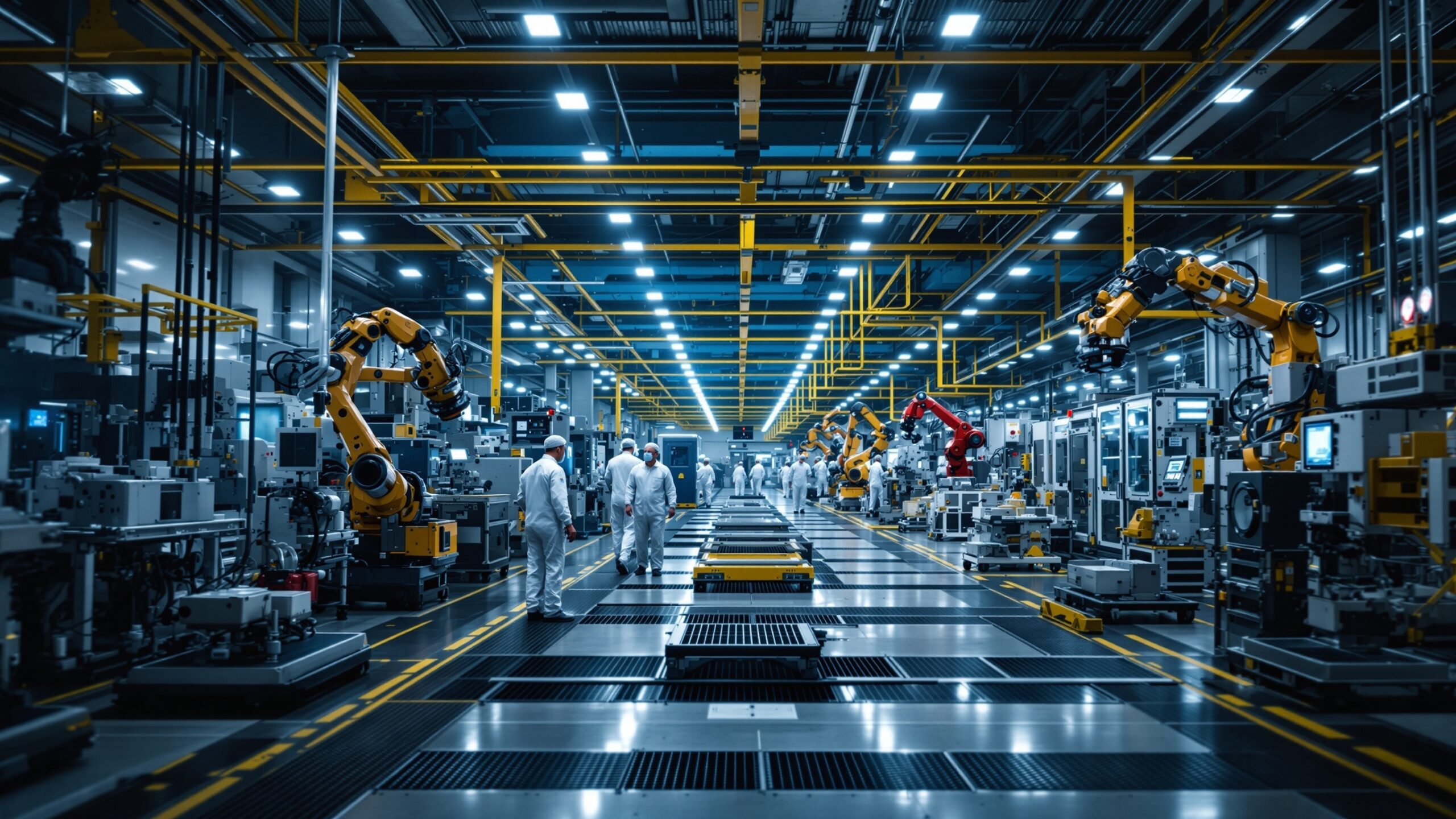
Defense manufacturing is where strategy becomes steel, composites, code, and capacity. On Defense Street, “Defense Manufacturing” dives into the industrial backbone that turns requirements into real-world capability—design reviews, precision machining, composites layups, electronics assembly, propulsion, testing, and the long tail of sustainment that keeps fleets ready. This hub explores how modern factories balance speed with quality, scale with security, and innovation with repeatability. You’ll learn why tolerances matter, how supply chains can become chokepoints, and why the “industrial base” is as strategic as any platform. We cover the essentials of production planning, workforce skills, tooling and automation, additive manufacturing’s promise (and limits), and the inspection methods that keep complex systems safe and consistent. Beyond the shop floor, we track procurement cycles, export controls, standards, and cybersecurity—because a modern factory is also a digital battlefield. Expect clear, non-operational explainers that focus on processes, risks, and tradeoffs: ramping output, qualifying suppliers, securing chips and rare materials, and maintaining readiness through repairs and upgrades. If you want to understand how nations actually build power—quietly, repeatedly, and at scale—this is your entry point.
A: No—this content is process and industry focused, not operational or instructional.
A: Often suppliers, lead times, and workforce capacity—not just money.
A: Because safety, reliability, and traceability are non-negotiable at scale.
A: The ability to build repeatedly to spec with stable processes and suppliers.
A: Bottlenecks in chips, materials, or tooling can slow delivery and readiness.
A: It helps, but it also adds integration and maintenance complexity.
A: Factories rely on networks; attacks can disrupt output or steal designs.
A: Connected data from design through production, testing, and sustainment.
A: Often more—repairs and upgrades keep systems viable for decades.
A: How capability is produced: capacity, quality, security, and resilience.