
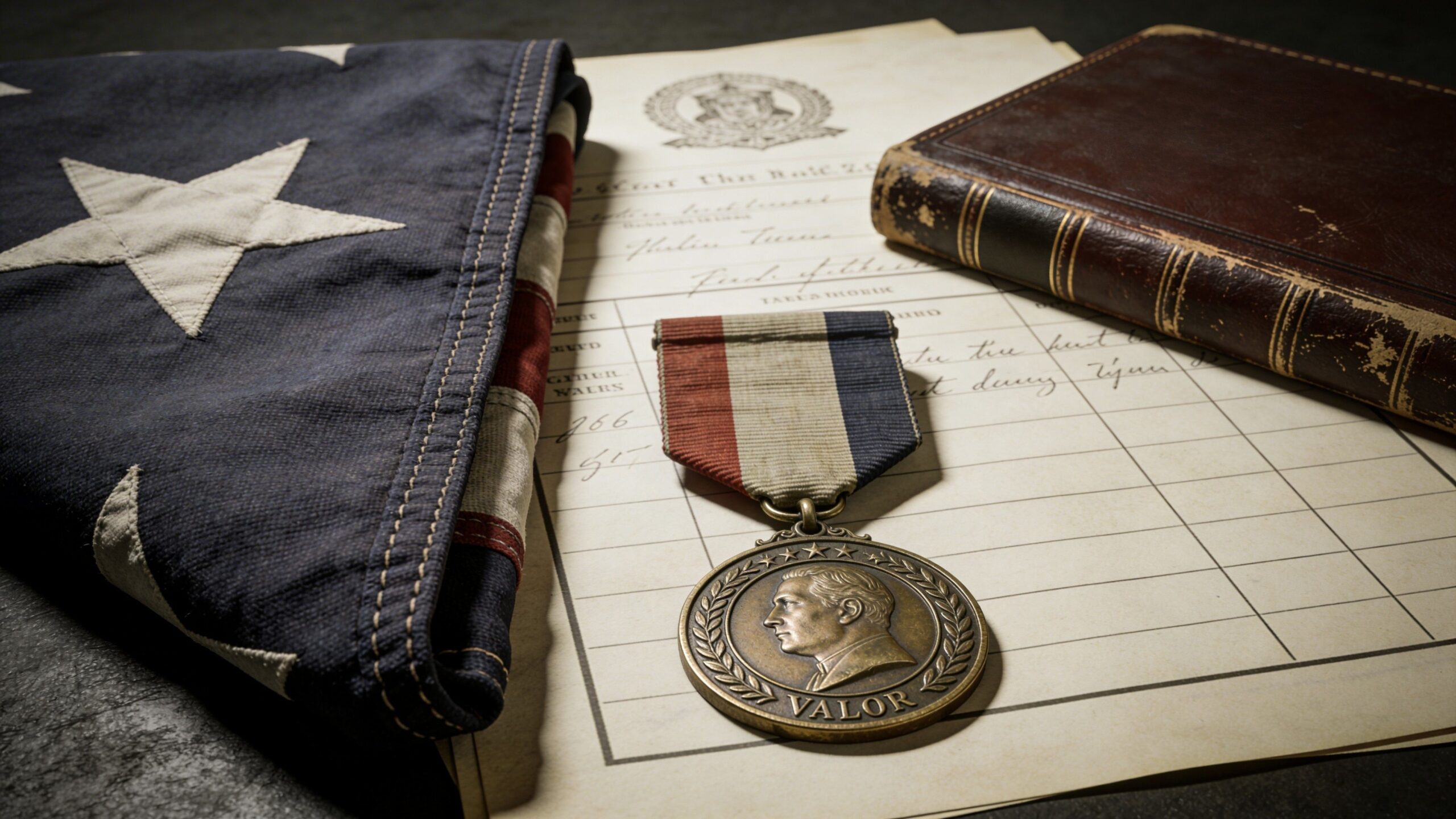
Medals and honors are more than polished metal and ribbon—they’re compact stories of courage, endurance, ingenuity, and service. In this Defense Street hub, you’ll explore the traditions behind military decorations, the criteria that shape award systems, and the human moments they were created to recognize. From battlefield valor to lifesaving rescues, from long service to extraordinary leadership, each honor carries a purpose, a process, and a legacy. Our articles unpack how awards are proposed, reviewed, and recorded, why some medals are rare while others are widely issued, and how symbols, colors, and devices communicate meaning at a glance. You’ll also find guidance on reading citations, understanding order of precedence, and spotting the differences between decorations, campaign medals, unit awards, and commemoratives. Whether you’re researching family history, building a collection, or simply curious about how nations honor sacrifice, this category gives you clear context—and plenty of fascinating detail—to follow the ribbon trail. Along the way, we highlight notable recipients, evolving rules, and the ethics of recognition, so admiration stays grounded in accuracy and respect for everyone.
A: Decorations usually recognize a specific achievement or act; service medals commonly mark duty, time, or participation.
A: They typically indicate additional awards, phases, or specific qualifying actions—always confirm the device rules for that medal.
A: Limited traditional colors and shared symbolism create look-alikes; use dates, precedence, and records to verify.
A: It’s the official hierarchy that determines how awards are arranged and worn, usually with higher honors placed first.
A: Often yes; many systems allow posthumous awards with presentation to next of kin.
A: It depends; some are worn permanently by those assigned during the cited period, while others are “temporary” unit wear.
A: Match the ribbon, check devices, then confirm with service records, citations, or official orders when available.
A: Sometimes, but rules vary by service and country; permission or specific restrictions may apply.
A: Collect multiple sources (unit history, discharge papers, citations) and note gaps—conflicts often resolve with context.
A: Use archival, acid-free materials; limit light exposure; keep stable humidity; and avoid adhesives or harsh cleaning.