
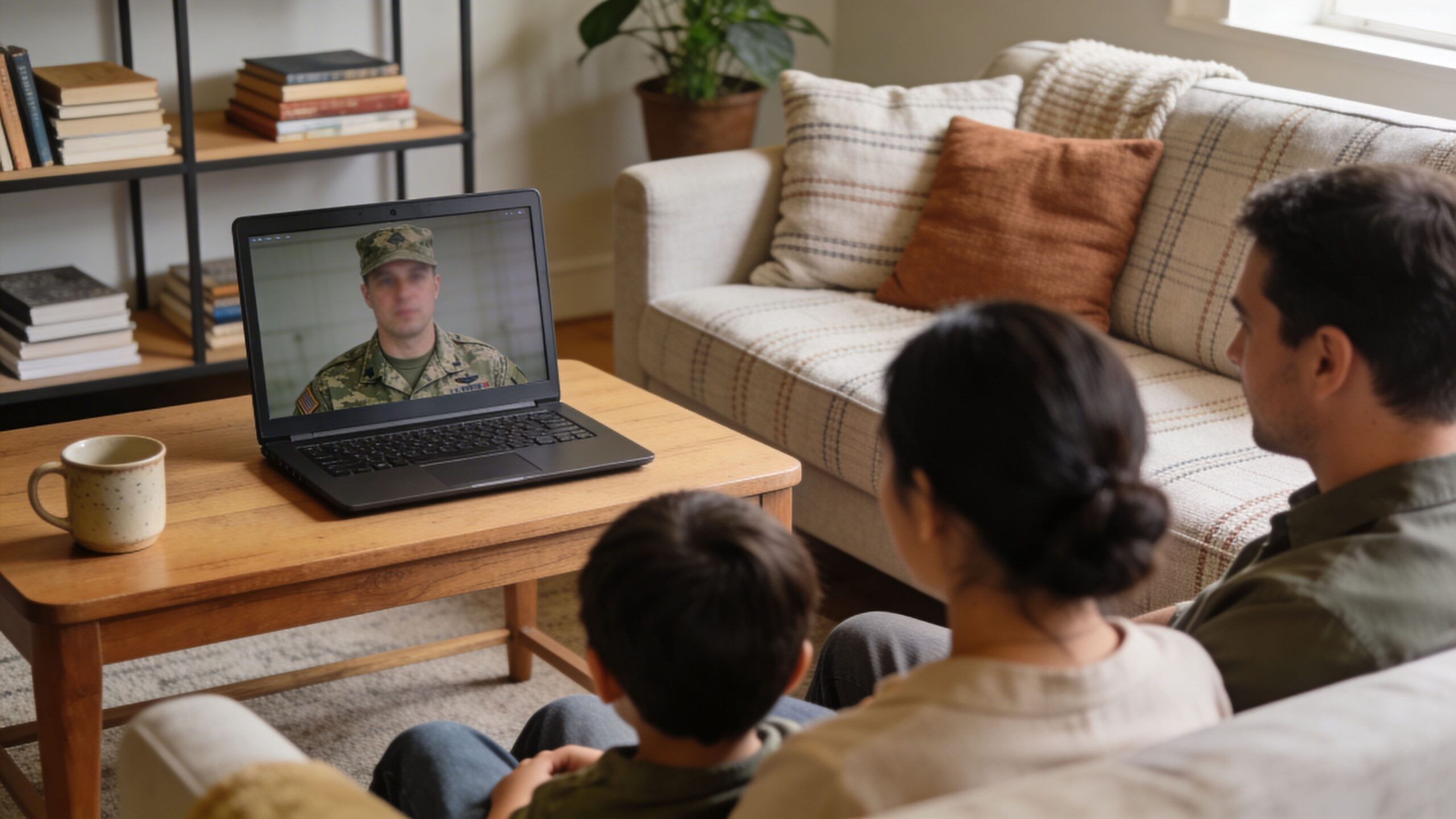
Family and community support is the quiet backbone of readiness—the steady network that keeps service members focused, resilient, and grounded through training cycles, deployments, relocations, and reintegration. In this Defense Street hub, you’ll explore the programs, partnerships, and everyday strategies that help military families thrive: from childcare and school transitions to housing navigation, career support for spouses, and community response during emergencies. Our articles also examine the power of local organizations, peer groups, faith communities, and veteran networks that step in when timelines shift and stress runs high. Support isn’t one-size-fits-all; it changes by life stage, duty station, and family structure, and it works best when it’s practical, respectful, and easy to access. You’ll find guidance on building a “support map,” communicating across distance, recognizing burnout early, and connecting to credible resources without stigma. Whether you’re a family member, a community leader, or simply curious how support ecosystems function behind the scenes, this category offers clear context and real-world insight—because the mission rarely belongs to one person alone.
A: Practical help (childcare, housing, relocation) plus resilience support (peer networks, counseling, reintegration guidance).
A: As early as possible—before training surges, deployments, or moves—so plans are ready when time is tight.
A: Build a support map: emergency contacts, trusted helpers, and key local resources in one place.
A: Offer specific, opt-in help and respect privacy—small, clear actions are usually best.
A: Clear access rules, fast response, confidentiality, and continuity through leadership changes and seasons.
A: Set a flexible rhythm with backup plans for disruptions, time zones, and limited connectivity.
A: Roles and routines shift while someone is away—rebuilding teamwork takes time and patience.
A: Persistent sleep problems, isolation, frequent conflict, missed obligations, or feeling overwhelmed most days.
A: Yes—stigma and pride are common; starting with small, practical asks can make it easier.
A: Create one shared calendar and one go-folder—clarity reduces stress fast.