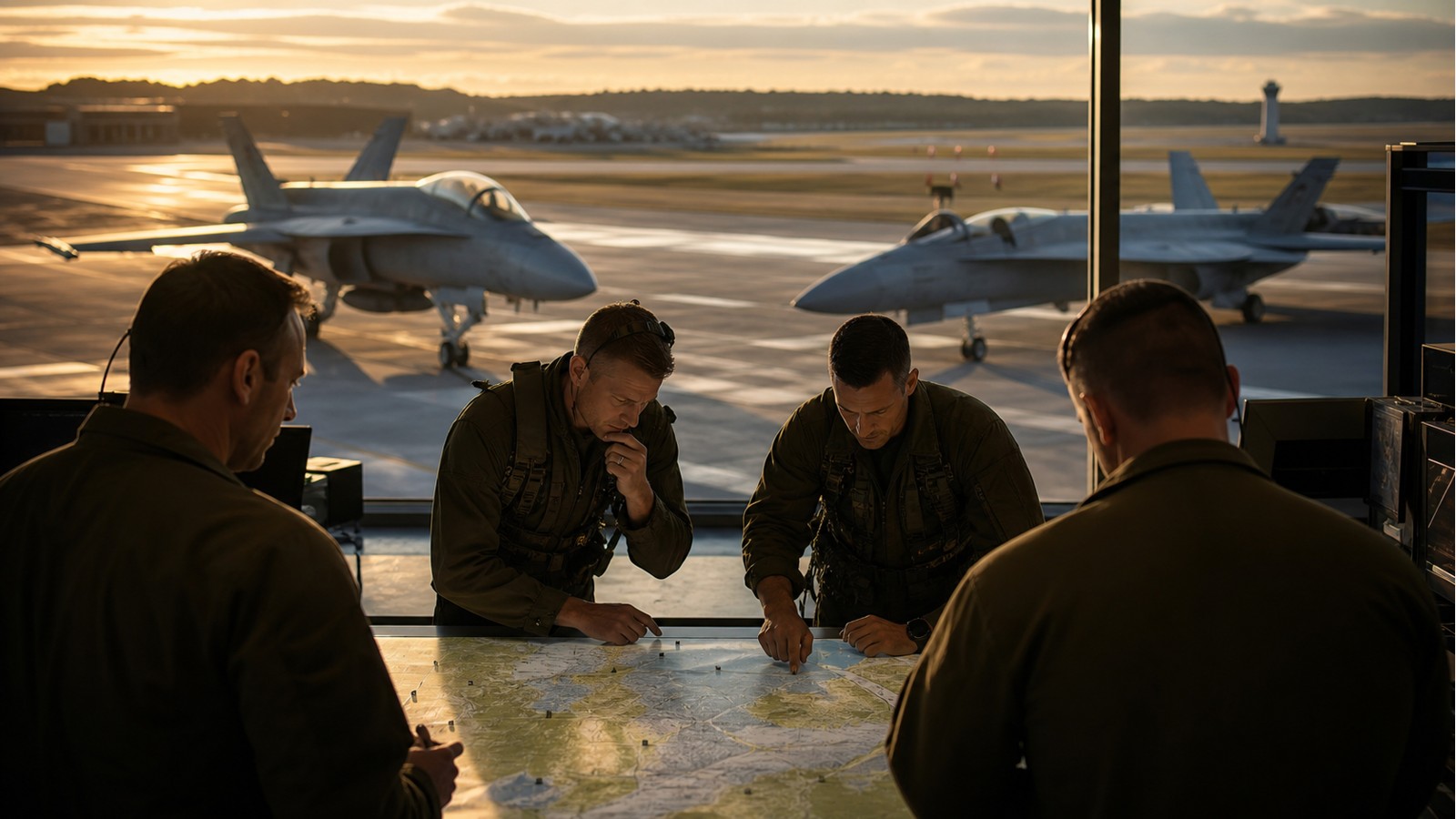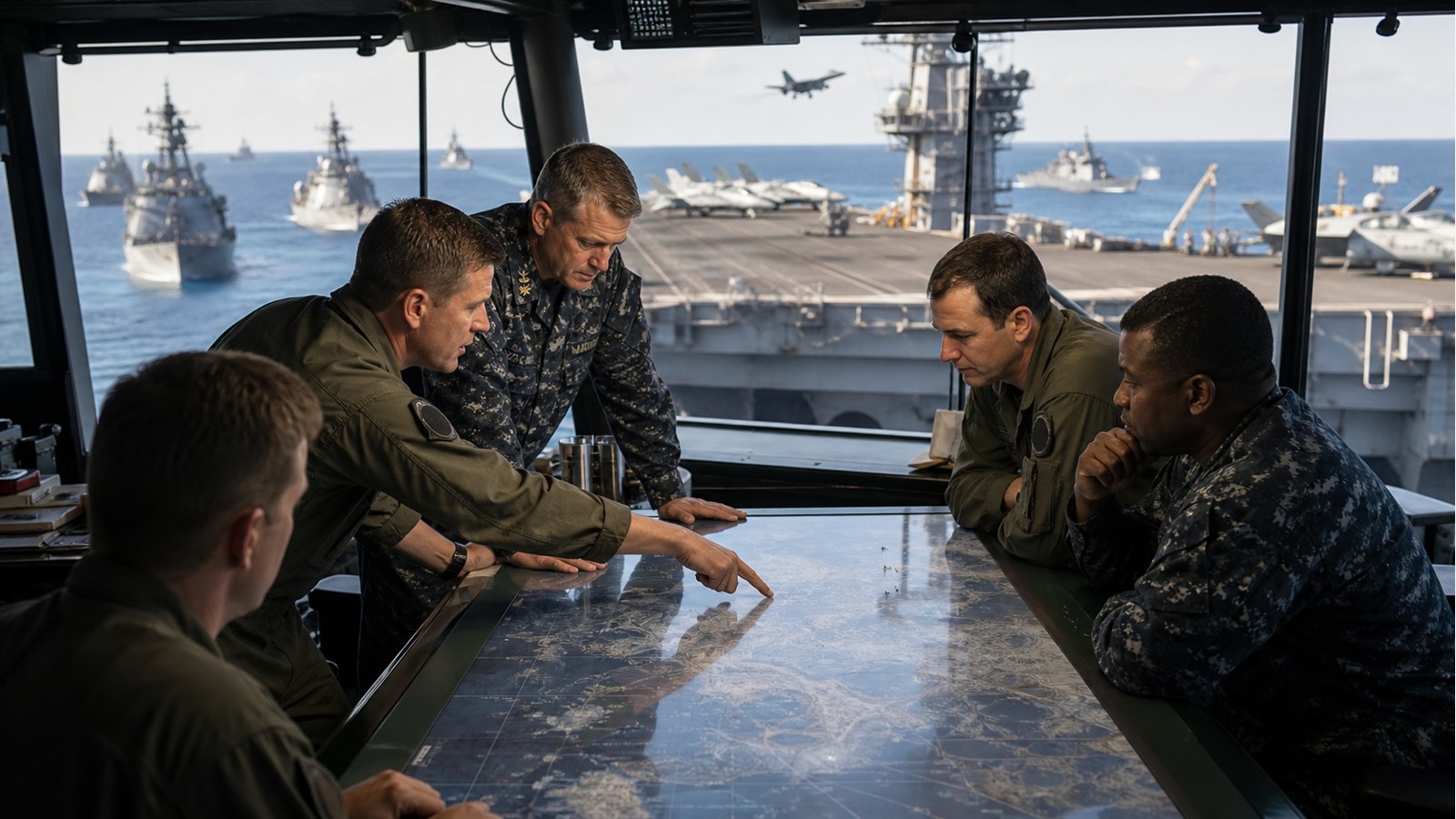
Naval & Air Combat Strategies 101: How Sea and Sky Power Shape Modern War
Naval & Air Combat Strategies 101: How Sea and Sky Power Shape Modern War is best read as a practical explainer, not a slogan or a ranking. The useful version of the topic starts with purpose, organization, limits, and the details that make the topic useful, then connects those pieces to people, equipment, geography, and command judgment. For Defense Street readers, Naval & Air Combat Strategies matters because it shows how modern defense work depends on systems that must perform under pressure, not just on the part that looks most dramatic from the outside.
What the Topic Really Means
Naval and air combat strategies explain how forces use sea and sky power to move, deter, protect, strike, and control access. They are linked because aircraft, ships, submarines, bases, satellites, and missiles all shape one another.
Sea power focuses on maritime access, trade routes, chokepoints, amphibious options, and naval presence. Airpower focuses on speed, reach, surveillance, mobility, and control of the air.
For Naval & Air Combat Strategies 101: How Sea and Sky Power Shape Modern War, the what the topic really means angle is strongest when it connects sea control and airpower to organization, training, logistics, and accountability. Defense topics are rarely explained by one impressive number, because the result depends on people, doctrine, maintenance, communications, and support systems working together.
In the what the topic really means section, sea control and airpower also needs plain context. A capability can look powerful on paper while still depending on readiness, terrain, policy, command judgment, and the mission it is assigned to support.
The what the topic really means view also helps separate public fascination from military reality. Readers get a clearer picture when sea control and airpower is tied to disciplined training, lawful authority, maintenance cycles, and the larger unit that turns an individual capability into useful defense power.
A strong explanation of what the topic really means keeps the focus on judgment rather than spectacle. The useful questions are what the capability is for, who is responsible for it, what limits shape its use, and how it supports a mission without becoming the whole story.
Why It Matters in Defense
Sea and sky power matter because modern military operations depend on movement and awareness. Forces need ships, aircraft, ports, airfields, tankers, sensors, and secure communications to operate across distance.
They also matter because many crises begin before ground forces arrive. Naval and air forces can show presence, evacuate people, defend allies, gather intelligence, and deter escalation.
For Naval & Air Combat Strategies 101: How Sea and Sky Power Shape Modern War, the why it matters in defense angle is strongest when it connects sea control and airpower to organization, training, logistics, and accountability. Defense topics are rarely explained by one impressive number, because the result depends on people, doctrine, maintenance, communications, and support systems working together.
In the why it matters in defense section, sea control and airpower also needs plain context. A capability can look powerful on paper while still depending on readiness, terrain, policy, command judgment, and the mission it is assigned to support.
The why it matters in defense view also helps separate public fascination from military reality. Readers get a clearer picture when sea control and airpower is tied to disciplined training, lawful authority, maintenance cycles, and the larger unit that turns an individual capability into useful defense power.
A strong explanation of why it matters in defense keeps the focus on judgment rather than spectacle. The useful questions are what the capability is for, who is responsible for it, what limits shape its use, and how it supports a mission without becoming the whole story.
The Main Parts to Understand
The main parts include sea control, sea denial, air superiority, air defense, naval aviation, submarines, carrier strike groups, tankers, maritime patrol, logistics ships, and command networks.
U.S. Navy public descriptions emphasize operational and administrative chains of command that help project naval power worldwide, while airpower depends on aircraft, bases, mobility, and munitions.
For Naval & Air Combat Strategies 101: How Sea and Sky Power Shape Modern War, the the main parts to understand angle is strongest when it connects sea control and airpower to organization, training, logistics, and accountability. Defense topics are rarely explained by one impressive number, because the result depends on people, doctrine, maintenance, communications, and support systems working together.
In the the main parts to understand section, sea control and airpower also needs plain context. A capability can look powerful on paper while still depending on readiness, terrain, policy, command judgment, and the mission it is assigned to support.
The the main parts to understand view also helps separate public fascination from military reality. Readers get a clearer picture when sea control and airpower is tied to disciplined training, lawful authority, maintenance cycles, and the larger unit that turns an individual capability into useful defense power.
A strong explanation of the main parts to understand keeps the focus on judgment rather than spectacle. The useful questions are what the capability is for, who is responsible for it, what limits shape its use, and how it supports a mission without becoming the whole story.
How to Read the Claims
Claims about naval and air strategy should avoid treating ships or aircraft alone as decisive. The support system behind them often determines whether they can keep operating.
A useful explanation asks what area must be controlled, what threats must be denied, and what logistics keep the force in position.
For Naval & Air Combat Strategies 101: How Sea and Sky Power Shape Modern War, the how to read the claims angle is strongest when it connects sea control and airpower to organization, training, logistics, and accountability. Defense topics are rarely explained by one impressive number, because the result depends on people, doctrine, maintenance, communications, and support systems working together.
In the how to read the claims section, sea control and airpower also needs plain context. A capability can look powerful on paper while still depending on readiness, terrain, policy, command judgment, and the mission it is assigned to support.
The how to read the claims view also helps separate public fascination from military reality. Readers get a clearer picture when sea control and airpower is tied to disciplined training, lawful authority, maintenance cycles, and the larger unit that turns an individual capability into useful defense power.
A strong explanation of how to read the claims keeps the focus on judgment rather than spectacle. The useful questions are what the capability is for, who is responsible for it, what limits shape its use, and how it supports a mission without becoming the whole story.
Where People Get Confused
One confusion is assuming naval and air power are separate. Carrier aviation, maritime patrol aircraft, anti-ship missiles, and air defense make the domains deeply connected.
Another confusion is assuming control is permanent. Air and sea control can be local, temporary, contested, or limited to a specific mission window.
For Naval & Air Combat Strategies 101: How Sea and Sky Power Shape Modern War, the where people get confused angle is strongest when it connects sea control and airpower to organization, training, logistics, and accountability. Defense topics are rarely explained by one impressive number, because the result depends on people, doctrine, maintenance, communications, and support systems working together.
In the where people get confused section, sea control and airpower also needs plain context. A capability can look powerful on paper while still depending on readiness, terrain, policy, command judgment, and the mission it is assigned to support.
The where people get confused view also helps separate public fascination from military reality. Readers get a clearer picture when sea control and airpower is tied to disciplined training, lawful authority, maintenance cycles, and the larger unit that turns an individual capability into useful defense power.
A strong explanation of where people get confused keeps the focus on judgment rather than spectacle. The useful questions are what the capability is for, who is responsible for it, what limits shape its use, and how it supports a mission without becoming the whole story.
Real-World Context
Modern naval and air strategy is shaped by anti-ship missiles, submarines, drones, satellites, cyber threats, integrated air defenses, and long-range strike systems.
Allies also matter because ports, airfields, repair facilities, and shared surveillance can decide whether a force can sustain operations far from home.
For Naval & Air Combat Strategies 101: How Sea and Sky Power Shape Modern War, the real-world context angle is strongest when it connects sea control and airpower to organization, training, logistics, and accountability. Defense topics are rarely explained by one impressive number, because the result depends on people, doctrine, maintenance, communications, and support systems working together.
In the real-world context section, sea control and airpower also needs plain context. A capability can look powerful on paper while still depending on readiness, terrain, policy, command judgment, and the mission it is assigned to support.
The real-world context view also helps separate public fascination from military reality. Readers get a clearer picture when sea control and airpower is tied to disciplined training, lawful authority, maintenance cycles, and the larger unit that turns an individual capability into useful defense power.
A strong explanation of real-world context keeps the focus on judgment rather than spectacle. The useful questions are what the capability is for, who is responsible for it, what limits shape its use, and how it supports a mission without becoming the whole story.
Limits, Risks, and Tradeoffs
The limits include weather, maintenance, fuel, munitions, tanker availability, port access, aircraft range, missile threats, cyber risk, and industrial repair capacity.
A force can have advanced ships and aircraft yet struggle if it lacks trained crews, spare parts, secure communications, or usable bases.
For Naval & Air Combat Strategies 101: How Sea and Sky Power Shape Modern War, the limits, risks, and tradeoffs angle is strongest when it connects sea control and airpower to organization, training, logistics, and accountability. Defense topics are rarely explained by one impressive number, because the result depends on people, doctrine, maintenance, communications, and support systems working together.
In the limits, risks, and tradeoffs section, sea control and airpower also needs plain context. A capability can look powerful on paper while still depending on readiness, terrain, policy, command judgment, and the mission it is assigned to support.
The limits, risks, and tradeoffs view also helps separate public fascination from military reality. Readers get a clearer picture when sea control and airpower is tied to disciplined training, lawful authority, maintenance cycles, and the larger unit that turns an individual capability into useful defense power.
A strong explanation of limits, risks, and tradeoffs keeps the focus on judgment rather than spectacle. The useful questions are what the capability is for, who is responsible for it, what limits shape its use, and how it supports a mission without becoming the whole story.
How the Topic Is Changing
Sea and sky strategies are changing through unmanned systems, distributed maritime operations, collaborative combat aircraft, longer-range missiles, and new ways to defend bases and ships.
Future power may depend on networks that connect sensors, shooters, logistics, and allies without becoming brittle under attack.
For Naval & Air Combat Strategies 101: How Sea and Sky Power Shape Modern War, the how the topic is changing angle is strongest when it connects sea control and airpower to organization, training, logistics, and accountability. Defense topics are rarely explained by one impressive number, because the result depends on people, doctrine, maintenance, communications, and support systems working together.
In the how the topic is changing section, sea control and airpower also needs plain context. A capability can look powerful on paper while still depending on readiness, terrain, policy, command judgment, and the mission it is assigned to support.
The how the topic is changing view also helps separate public fascination from military reality. Readers get a clearer picture when sea control and airpower is tied to disciplined training, lawful authority, maintenance cycles, and the larger unit that turns an individual capability into useful defense power.
A strong explanation of how the topic is changing keeps the focus on judgment rather than spectacle. The useful questions are what the capability is for, who is responsible for it, what limits shape its use, and how it supports a mission without becoming the whole story.
A Clear Way to Remember It
A simple memory hook is access, control, denial, sustainment. Naval and air strategy seeks access, controls key areas, denies enemy freedom, and sustains the force.
When reading about sea or air power, ask what the force must protect, what it must deny, and how long it can keep operating.
For Naval & Air Combat Strategies 101: How Sea and Sky Power Shape Modern War, the a clear way to remember it angle is strongest when it connects sea control and airpower to organization, training, logistics, and accountability. Defense topics are rarely explained by one impressive number, because the result depends on people, doctrine, maintenance, communications, and support systems working together.
In the a clear way to remember it section, sea control and airpower also needs plain context. A capability can look powerful on paper while still depending on readiness, terrain, policy, command judgment, and the mission it is assigned to support.
The a clear way to remember it view also helps separate public fascination from military reality. Readers get a clearer picture when sea control and airpower is tied to disciplined training, lawful authority, maintenance cycles, and the larger unit that turns an individual capability into useful defense power.
A strong explanation of a clear way to remember it keeps the focus on judgment rather than spectacle. The useful questions are what the capability is for, who is responsible for it, what limits shape its use, and how it supports a mission without becoming the whole story.
Bottom Line on Naval and Air Combat Strategies
Naval and air combat strategies shape modern war by controlling access, protecting movement, and projecting power across distance. Their success depends on ships, aircraft, bases, logistics, sensors, and allies working together.