Military Logistics 101: How Armies Move, Supply, and Sustain Combat Power
Military Logistics 101: How Armies Move, Supply, and Sustain Combat Power is best read as a practical explainer, not a slogan or a ranking. The useful version of the topic starts with purpose, organization, limits, and the details that make the topic useful, then connects those pieces to people, equipment, geography, and command judgment. For Defense Street readers, Military Logistics matters because it shows how modern defense work depends on systems that must perform under pressure, not just on the part that looks most dramatic from the outside.
What the Topic Really Means
Military logistics is the system that moves, supplies, maintains, and sustains forces so they can operate. It includes transportation, fuel, ammunition, food, water, spare parts, medical support, maintenance, and distribution.
The Army describes logistics as part of sustainment, which supports forces and their movement. That means logistics is not background work; it is what gives military power endurance.
For Military Logistics 101: How Armies Move, Supply, and Sustain Combat Power, the what the topic really means angle is strongest when it connects sustainment and military movement to organization, training, logistics, and accountability. Defense topics are rarely explained by one impressive number, because the result depends on people, doctrine, maintenance, communications, and support systems working together.
In the what the topic really means section, sustainment and military movement also needs plain context. A capability can look powerful on paper while still depending on readiness, terrain, policy, command judgment, and the mission it is assigned to support.
The what the topic really means view also helps separate public fascination from military reality. Readers get a clearer picture when sustainment and military movement is tied to disciplined training, lawful authority, maintenance cycles, and the larger unit that turns an individual capability into useful defense power.
A strong explanation of what the topic really means keeps the focus on judgment rather than spectacle. The useful questions are what the capability is for, who is responsible for it, what limits shape its use, and how it supports a mission without becoming the whole story.
Why It Matters in Defense
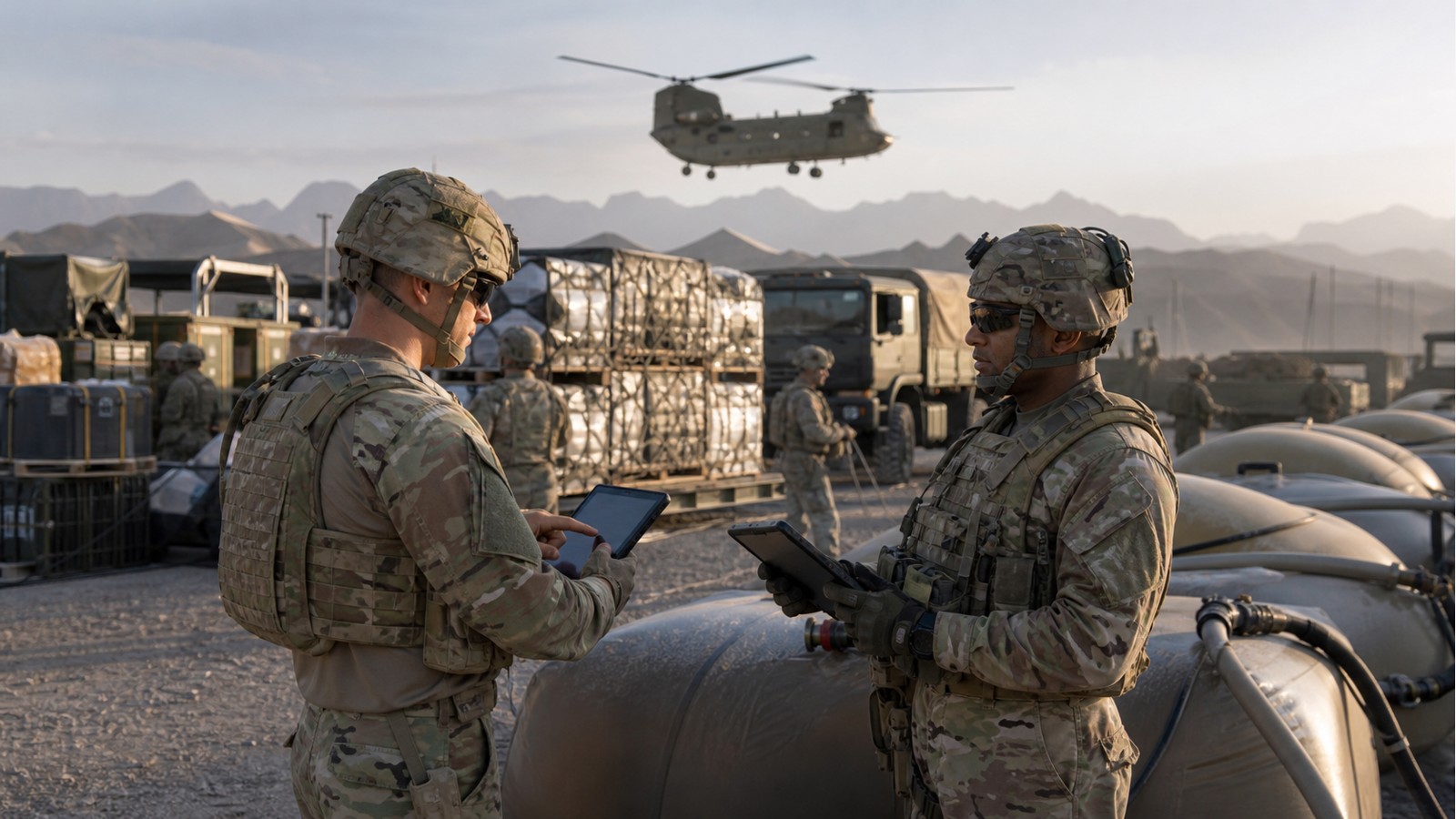
Logistics matters because combat power disappears without supply. A unit that runs out of fuel, parts, food, batteries, or medical support loses options no matter how advanced its equipment is.
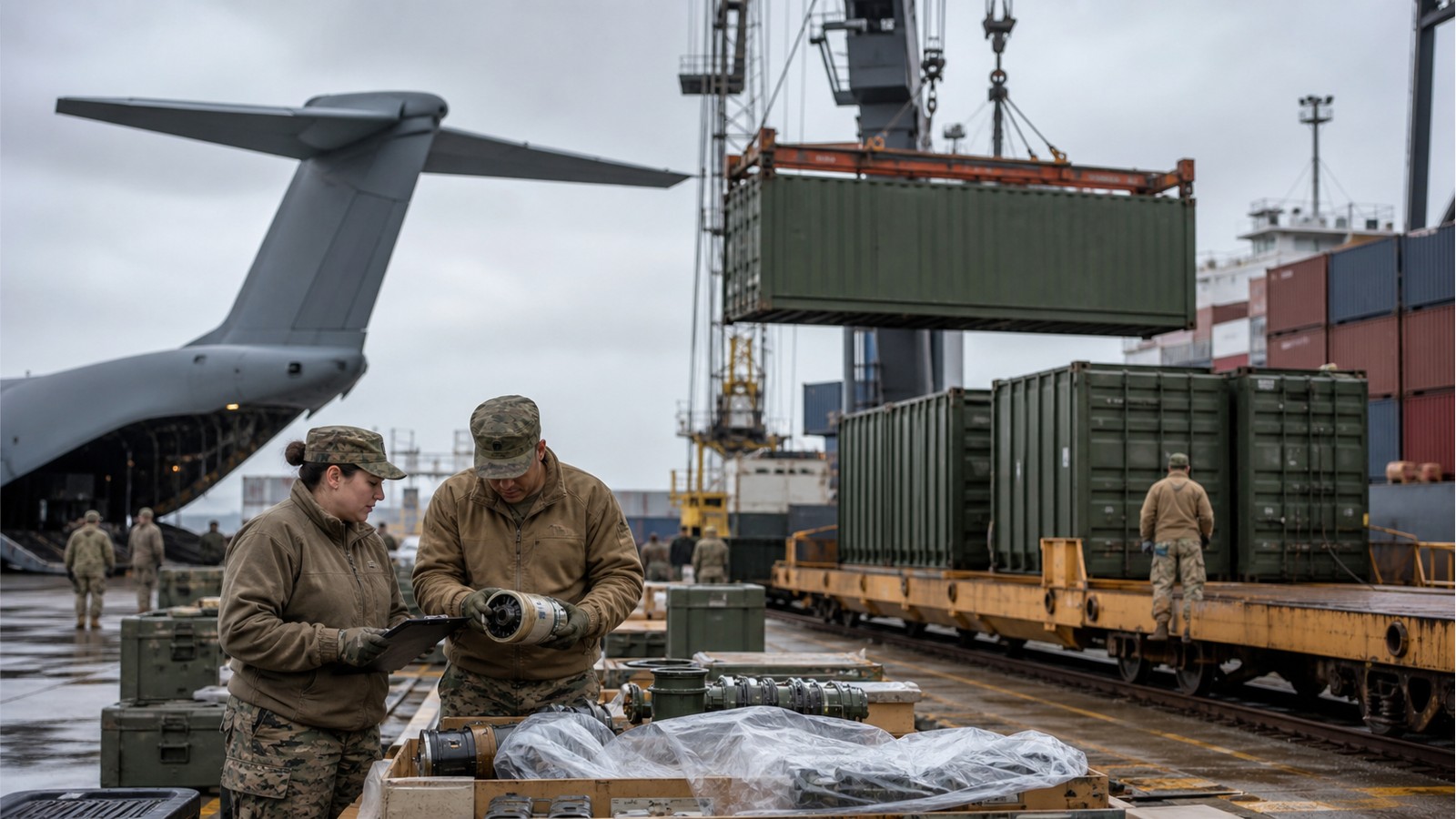
It also matters because distance changes everything. Moving a force across a country, an ocean, or a contested border requires ports, roads, rail, depots, convoys, aircraft, ships, and planning.
For Military Logistics 101: How Armies Move, Supply, and Sustain Combat Power, the why it matters in defense angle is strongest when it connects sustainment and military movement to organization, training, logistics, and accountability. Defense topics are rarely explained by one impressive number, because the result depends on people, doctrine, maintenance, communications, and support systems working together.
In the why it matters in defense section, sustainment and military movement also needs plain context. A capability can look powerful on paper while still depending on readiness, terrain, policy, command judgment, and the mission it is assigned to support.
The why it matters in defense view also helps separate public fascination from military reality. Readers get a clearer picture when sustainment and military movement is tied to disciplined training, lawful authority, maintenance cycles, and the larger unit that turns an individual capability into useful defense power.
A strong explanation of why it matters in defense keeps the focus on judgment rather than spectacle. The useful questions are what the capability is for, who is responsible for it, what limits shape its use, and how it supports a mission without becoming the whole story.
The Main Parts to Understand
The main parts include supply, maintenance, transportation, field services, medical evacuation, distribution management, engineering support, contracting, and inventory control.
Logistics also depends on people: drivers, mechanics, logisticians, planners, warehouse teams, medical personnel, contracting officers, and leaders who understand sustainment limits.
For Military Logistics 101: How Armies Move, Supply, and Sustain Combat Power, the the main parts to understand angle is strongest when it connects sustainment and military movement to organization, training, logistics, and accountability. Defense topics are rarely explained by one impressive number, because the result depends on people, doctrine, maintenance, communications, and support systems working together.
In the the main parts to understand section, sustainment and military movement also needs plain context. A capability can look powerful on paper while still depending on readiness, terrain, policy, command judgment, and the mission it is assigned to support.
The the main parts to understand view also helps separate public fascination from military reality. Readers get a clearer picture when sustainment and military movement is tied to disciplined training, lawful authority, maintenance cycles, and the larger unit that turns an individual capability into useful defense power.
A strong explanation of the main parts to understand keeps the focus on judgment rather than spectacle. The useful questions are what the capability is for, who is responsible for it, what limits shape its use, and how it supports a mission without becoming the whole story.
How to Read the Claims
Claims about logistics should avoid treating supply as automatic. Stockpiles, repair parts, fuel points, transport routes, and trained crews have to exist before the crisis.
A useful explanation asks whether a force can keep moving, keep repairing, keep feeding people, and keep replacing what the mission consumes.
For Military Logistics 101: How Armies Move, Supply, and Sustain Combat Power, the how to read the claims angle is strongest when it connects sustainment and military movement to organization, training, logistics, and accountability. Defense topics are rarely explained by one impressive number, because the result depends on people, doctrine, maintenance, communications, and support systems working together.
In the how to read the claims section, sustainment and military movement also needs plain context. A capability can look powerful on paper while still depending on readiness, terrain, policy, command judgment, and the mission it is assigned to support.
The how to read the claims view also helps separate public fascination from military reality. Readers get a clearer picture when sustainment and military movement is tied to disciplined training, lawful authority, maintenance cycles, and the larger unit that turns an individual capability into useful defense power.
A strong explanation of how to read the claims keeps the focus on judgment rather than spectacle. The useful questions are what the capability is for, who is responsible for it, what limits shape its use, and how it supports a mission without becoming the whole story.
Where People Get Confused
One confusion is assuming logistics begins after combat starts. In reality, logistics shapes where forces can deploy, how long they can stay, and what missions are realistic.
Another confusion is treating logistics as separate from strategy. A plan that cannot be supplied is not a real plan.
For Military Logistics 101: How Armies Move, Supply, and Sustain Combat Power, the where people get confused angle is strongest when it connects sustainment and military movement to organization, training, logistics, and accountability. Defense topics are rarely explained by one impressive number, because the result depends on people, doctrine, maintenance, communications, and support systems working together.
In the where people get confused section, sustainment and military movement also needs plain context. A capability can look powerful on paper while still depending on readiness, terrain, policy, command judgment, and the mission it is assigned to support.
The where people get confused view also helps separate public fascination from military reality. Readers get a clearer picture when sustainment and military movement is tied to disciplined training, lawful authority, maintenance cycles, and the larger unit that turns an individual capability into useful defense power.
A strong explanation of where people get confused keeps the focus on judgment rather than spectacle. The useful questions are what the capability is for, who is responsible for it, what limits shape its use, and how it supports a mission without becoming the whole story.
Real-World Context
Recent conflicts have renewed attention on ammunition usage, fuel demand, drone batteries, vehicle maintenance, medical evacuation, contested ports, and attacks on supply networks.
Modern logistics also includes data systems, predictive maintenance, cyber protection, commercial contractors, and cooperation with allies and host nations.
For Military Logistics 101: How Armies Move, Supply, and Sustain Combat Power, the real-world context angle is strongest when it connects sustainment and military movement to organization, training, logistics, and accountability. Defense topics are rarely explained by one impressive number, because the result depends on people, doctrine, maintenance, communications, and support systems working together.
In the real-world context section, sustainment and military movement also needs plain context. A capability can look powerful on paper while still depending on readiness, terrain, policy, command judgment, and the mission it is assigned to support.
The real-world context view also helps separate public fascination from military reality. Readers get a clearer picture when sustainment and military movement is tied to disciplined training, lawful authority, maintenance cycles, and the larger unit that turns an individual capability into useful defense power.
A strong explanation of real-world context keeps the focus on judgment rather than spectacle. The useful questions are what the capability is for, who is responsible for it, what limits shape its use, and how it supports a mission without becoming the whole story.
Limits, Risks, and Tradeoffs
The limits include vulnerable routes, weather, damaged infrastructure, enemy surveillance, long distances, limited vehicles, stockpile shortages, maintenance backlogs, and personnel fatigue.
Logistics can also reveal intentions. Large movements of fuel, ammunition, and equipment are difficult to hide from modern sensors.
For Military Logistics 101: How Armies Move, Supply, and Sustain Combat Power, the limits, risks, and tradeoffs angle is strongest when it connects sustainment and military movement to organization, training, logistics, and accountability. Defense topics are rarely explained by one impressive number, because the result depends on people, doctrine, maintenance, communications, and support systems working together.
In the limits, risks, and tradeoffs section, sustainment and military movement also needs plain context. A capability can look powerful on paper while still depending on readiness, terrain, policy, command judgment, and the mission it is assigned to support.
The limits, risks, and tradeoffs view also helps separate public fascination from military reality. Readers get a clearer picture when sustainment and military movement is tied to disciplined training, lawful authority, maintenance cycles, and the larger unit that turns an individual capability into useful defense power.
A strong explanation of limits, risks, and tradeoffs keeps the focus on judgment rather than spectacle. The useful questions are what the capability is for, who is responsible for it, what limits shape its use, and how it supports a mission without becoming the whole story.
How the Topic Is Changing
Military logistics is changing through automation, better tracking, additive manufacturing, unmanned resupply concepts, predictive maintenance, and more attention to dispersed operations.
Future sustainment may need to be smaller, faster, harder to detect, and more resilient when communications or transportation networks are disrupted.
For Military Logistics 101: How Armies Move, Supply, and Sustain Combat Power, the how the topic is changing angle is strongest when it connects sustainment and military movement to organization, training, logistics, and accountability. Defense topics are rarely explained by one impressive number, because the result depends on people, doctrine, maintenance, communications, and support systems working together.
In the how the topic is changing section, sustainment and military movement also needs plain context. A capability can look powerful on paper while still depending on readiness, terrain, policy, command judgment, and the mission it is assigned to support.
The how the topic is changing view also helps separate public fascination from military reality. Readers get a clearer picture when sustainment and military movement is tied to disciplined training, lawful authority, maintenance cycles, and the larger unit that turns an individual capability into useful defense power.
A strong explanation of how the topic is changing keeps the focus on judgment rather than spectacle. The useful questions are what the capability is for, who is responsible for it, what limits shape its use, and how it supports a mission without becoming the whole story.
A Clear Way to Remember It
A simple memory hook is move, supply, repair, sustain. Logistics gets forces into position, keeps them equipped, fixes what breaks, and gives them endurance.
When reading about military power, ask what keeps the force fed, fueled, armed, repaired, and medically supported after the first day.
For Military Logistics 101: How Armies Move, Supply, and Sustain Combat Power, the a clear way to remember it angle is strongest when it connects sustainment and military movement to organization, training, logistics, and accountability. Defense topics are rarely explained by one impressive number, because the result depends on people, doctrine, maintenance, communications, and support systems working together.
In the a clear way to remember it section, sustainment and military movement also needs plain context. A capability can look powerful on paper while still depending on readiness, terrain, policy, command judgment, and the mission it is assigned to support.
The a clear way to remember it view also helps separate public fascination from military reality. Readers get a clearer picture when sustainment and military movement is tied to disciplined training, lawful authority, maintenance cycles, and the larger unit that turns an individual capability into useful defense power.
A strong explanation of a clear way to remember it keeps the focus on judgment rather than spectacle. The useful questions are what the capability is for, who is responsible for it, what limits shape its use, and how it supports a mission without becoming the whole story.
Bottom Line on Military Logistics
Military logistics is the endurance system behind combat power. Armies move and fight only as long as supply, transport, maintenance, medical support, and distribution keep working.