Laser Weapons Explained: How Military Lasers Are Changing Modern Warfare
Laser Weapons Explained: How Military Lasers Are Changing Modern Warfare is best read as a practical explainer, not a slogan or a ranking. The useful version of the topic starts with planning, timing, uncertainty, and the discipline needed when conditions change, then connects those pieces to people, equipment, geography, and command judgment. For Defense Street readers, Laser Weapons matters because it shows how modern defense work depends on systems that must perform under pressure, not just on the part that looks most dramatic from the outside.
What the Topic Really Means
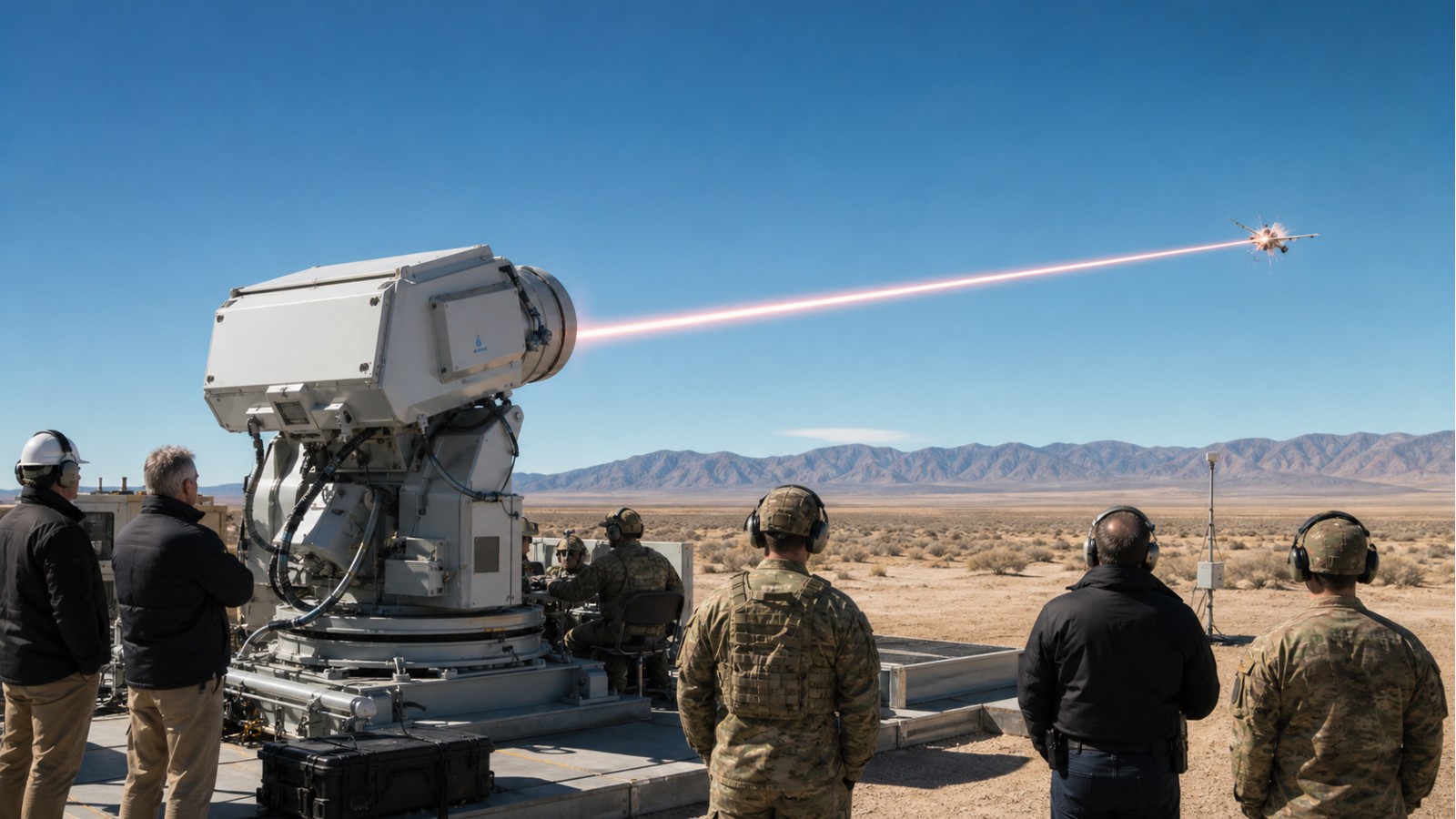
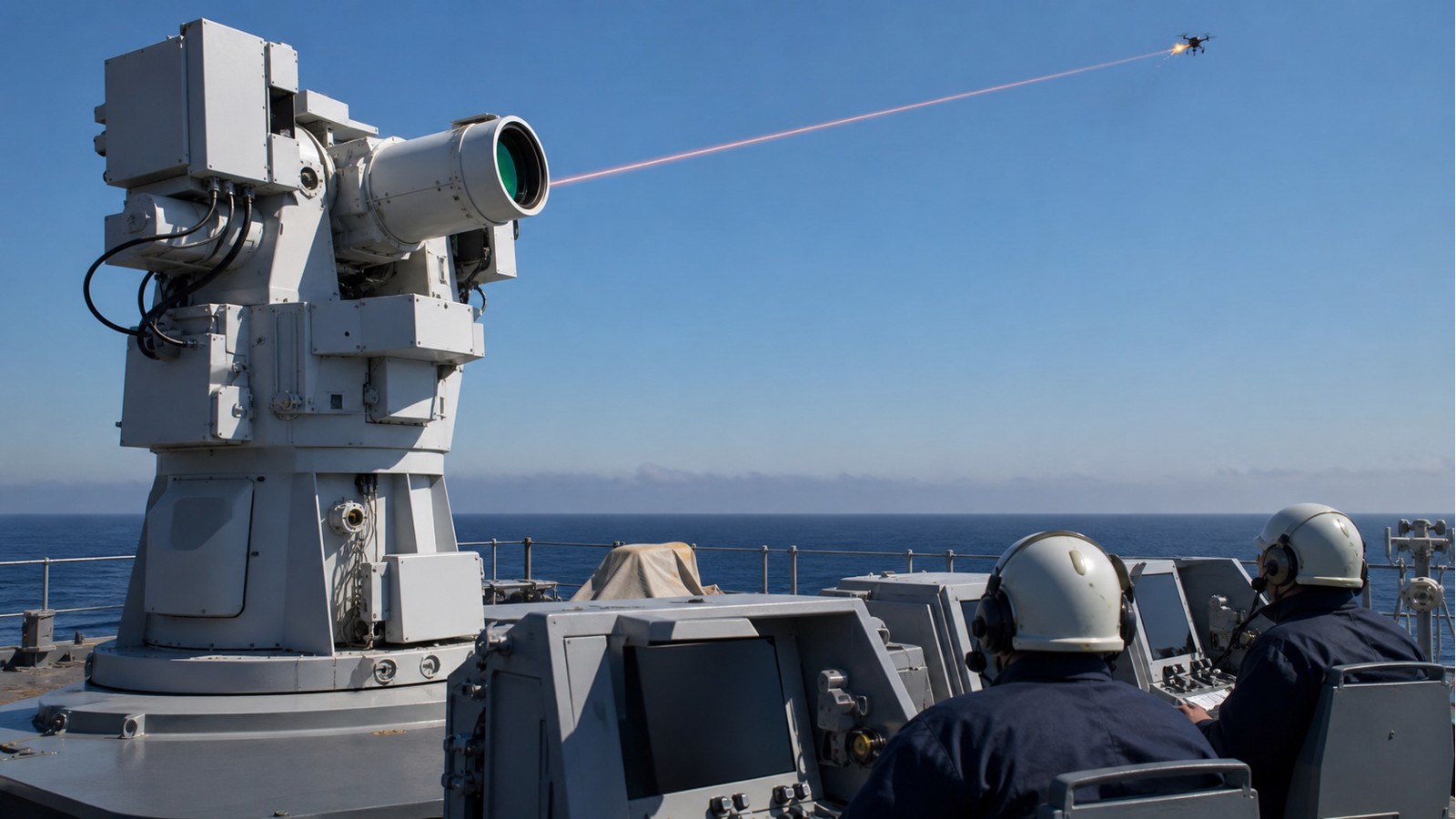
Military laser weapons are directed-energy systems that use focused light to damage, disable, or disrupt selected targets. They are usually discussed for defense against drones, sensors, rockets, mortars, and some missile threats.
The appeal is precision, speed, and a deep magazine when power and cooling are available. Unlike a missile interceptor, a laser shot depends heavily on energy supply, beam control, atmosphere, and dwell time on target.
For Laser Weapons Explained: How Military Lasers Are Changing Modern Warfare, the what the topic really means angle is strongest when it connects directed energy weapons to organization, training, logistics, and accountability. Defense topics are rarely explained by one impressive number, because the result depends on people, doctrine, maintenance, communications, and support systems working together.
In the what the topic really means section, directed energy weapons also needs plain context. A capability can look powerful on paper while still depending on readiness, terrain, policy, command judgment, and the mission it is assigned to support.
The what the topic really means view also helps separate public fascination from military reality. Readers get a clearer picture when directed energy weapons is tied to disciplined training, lawful authority, maintenance cycles, and the larger unit that turns an individual capability into useful defense power.
A strong explanation of what the topic really means keeps the focus on judgment rather than spectacle. The useful questions are what the capability is for, who is responsible for it, what limits shape its use, and how it supports a mission without becoming the whole story.
Why It Matters in Defense
Laser weapons matter because cheap drones and rockets can force defenders to spend expensive interceptors. Directed energy may offer a lower-cost way to defeat some threats when conditions are favorable.
They also matter because modern bases, ships, convoys, and infrastructure face more small airborne threats. Lasers could become one layer in a broader defensive system.
For Laser Weapons Explained: How Military Lasers Are Changing Modern Warfare, the why it matters in defense angle is strongest when it connects directed energy weapons to organization, training, logistics, and accountability. Defense topics are rarely explained by one impressive number, because the result depends on people, doctrine, maintenance, communications, and support systems working together.
In the why it matters in defense section, directed energy weapons also needs plain context. A capability can look powerful on paper while still depending on readiness, terrain, policy, command judgment, and the mission it is assigned to support.
The why it matters in defense view also helps separate public fascination from military reality. Readers get a clearer picture when directed energy weapons is tied to disciplined training, lawful authority, maintenance cycles, and the larger unit that turns an individual capability into useful defense power.
A strong explanation of why it matters in defense keeps the focus on judgment rather than spectacle. The useful questions are what the capability is for, who is responsible for it, what limits shape its use, and how it supports a mission without becoming the whole story.
The Main Parts to Understand
The main parts include the power source, beam director, thermal management, tracking sensors, fire-control software, target identification, safety controls, and integration with command systems.
Naval and ground programs often focus on high-energy lasers for counter-drone and short-range defense, while research continues on range, reliability, and power growth.
For Laser Weapons Explained: How Military Lasers Are Changing Modern Warfare, the the main parts to understand angle is strongest when it connects directed energy weapons to organization, training, logistics, and accountability. Defense topics are rarely explained by one impressive number, because the result depends on people, doctrine, maintenance, communications, and support systems working together.
In the the main parts to understand section, directed energy weapons also needs plain context. A capability can look powerful on paper while still depending on readiness, terrain, policy, command judgment, and the mission it is assigned to support.
The the main parts to understand view also helps separate public fascination from military reality. Readers get a clearer picture when directed energy weapons is tied to disciplined training, lawful authority, maintenance cycles, and the larger unit that turns an individual capability into useful defense power.
A strong explanation of the main parts to understand keeps the focus on judgment rather than spectacle. The useful questions are what the capability is for, who is responsible for it, what limits shape its use, and how it supports a mission without becoming the whole story.
How to Read the Claims
Claims about lasers should avoid science-fiction certainty. Fog, rain, smoke, dust, turbulence, reflective surfaces, range, movement, and power limits can all reduce effectiveness.
A useful explanation treats lasers as one tool in layered defense, not as a replacement for missiles, guns, electronic warfare, camouflage, and operational discipline.
For Laser Weapons Explained: How Military Lasers Are Changing Modern Warfare, the how to read the claims angle is strongest when it connects directed energy weapons to organization, training, logistics, and accountability. Defense topics are rarely explained by one impressive number, because the result depends on people, doctrine, maintenance, communications, and support systems working together.
In the how to read the claims section, directed energy weapons also needs plain context. A capability can look powerful on paper while still depending on readiness, terrain, policy, command judgment, and the mission it is assigned to support.
The how to read the claims view also helps separate public fascination from military reality. Readers get a clearer picture when directed energy weapons is tied to disciplined training, lawful authority, maintenance cycles, and the larger unit that turns an individual capability into useful defense power.
A strong explanation of how to read the claims keeps the focus on judgment rather than spectacle. The useful questions are what the capability is for, who is responsible for it, what limits shape its use, and how it supports a mission without becoming the whole story.
Where People Get Confused
One confusion is assuming lasers instantly destroy any target. Many effects require sustained energy on a vulnerable point long enough to cause damage or failure.
Another confusion is assuming lasers are free to fire. The shot may be cheaper than a missile, but the system still requires power, cooling, maintenance, trained operators, and safe employment.
For Laser Weapons Explained: How Military Lasers Are Changing Modern Warfare, the where people get confused angle is strongest when it connects directed energy weapons to organization, training, logistics, and accountability. Defense topics are rarely explained by one impressive number, because the result depends on people, doctrine, maintenance, communications, and support systems working together.
In the where people get confused section, directed energy weapons also needs plain context. A capability can look powerful on paper while still depending on readiness, terrain, policy, command judgment, and the mission it is assigned to support.
The where people get confused view also helps separate public fascination from military reality. Readers get a clearer picture when directed energy weapons is tied to disciplined training, lawful authority, maintenance cycles, and the larger unit that turns an individual capability into useful defense power.
A strong explanation of where people get confused keeps the focus on judgment rather than spectacle. The useful questions are what the capability is for, who is responsible for it, what limits shape its use, and how it supports a mission without becoming the whole story.
Real-World Context
Directed-energy work has accelerated because drones, cruise missiles, and saturation attacks create pressure for defenses with more shots available.
The Office of Naval Research and other defense organizations have treated directed energy as part of future air and missile defense, especially for ships and bases.
For Laser Weapons Explained: How Military Lasers Are Changing Modern Warfare, the real-world context angle is strongest when it connects directed energy weapons to organization, training, logistics, and accountability. Defense topics are rarely explained by one impressive number, because the result depends on people, doctrine, maintenance, communications, and support systems working together.
In the real-world context section, directed energy weapons also needs plain context. A capability can look powerful on paper while still depending on readiness, terrain, policy, command judgment, and the mission it is assigned to support.
The real-world context view also helps separate public fascination from military reality. Readers get a clearer picture when directed energy weapons is tied to disciplined training, lawful authority, maintenance cycles, and the larger unit that turns an individual capability into useful defense power.
A strong explanation of real-world context keeps the focus on judgment rather than spectacle. The useful questions are what the capability is for, who is responsible for it, what limits shape its use, and how it supports a mission without becoming the whole story.
Limits, Risks, and Tradeoffs
The limits include weather, line of sight, atmospheric absorption, thermal load, target hardness, rules for safe use, and the difficulty of integrating new systems into existing defenses.
Lasers may be strongest against certain drones and sensors while remaining less suitable for heavier, faster, or more protected targets.
For Laser Weapons Explained: How Military Lasers Are Changing Modern Warfare, the limits, risks, and tradeoffs angle is strongest when it connects directed energy weapons to organization, training, logistics, and accountability. Defense topics are rarely explained by one impressive number, because the result depends on people, doctrine, maintenance, communications, and support systems working together.
In the limits, risks, and tradeoffs section, directed energy weapons also needs plain context. A capability can look powerful on paper while still depending on readiness, terrain, policy, command judgment, and the mission it is assigned to support.
The limits, risks, and tradeoffs view also helps separate public fascination from military reality. Readers get a clearer picture when directed energy weapons is tied to disciplined training, lawful authority, maintenance cycles, and the larger unit that turns an individual capability into useful defense power.
A strong explanation of limits, risks, and tradeoffs keeps the focus on judgment rather than spectacle. The useful questions are what the capability is for, who is responsible for it, what limits shape its use, and how it supports a mission without becoming the whole story.
How the Topic Is Changing
Laser weapons are improving through better beam control, more efficient power systems, advanced cooling, compact components, and integration with radar and optical tracking.
Future defenses may combine lasers with jammers, guns, missiles, decoys, and automated battle management so commanders can choose the right response for each threat.
For Laser Weapons Explained: How Military Lasers Are Changing Modern Warfare, the how the topic is changing angle is strongest when it connects directed energy weapons to organization, training, logistics, and accountability. Defense topics are rarely explained by one impressive number, because the result depends on people, doctrine, maintenance, communications, and support systems working together.
In the how the topic is changing section, directed energy weapons also needs plain context. A capability can look powerful on paper while still depending on readiness, terrain, policy, command judgment, and the mission it is assigned to support.
The how the topic is changing view also helps separate public fascination from military reality. Readers get a clearer picture when directed energy weapons is tied to disciplined training, lawful authority, maintenance cycles, and the larger unit that turns an individual capability into useful defense power.
A strong explanation of how the topic is changing keeps the focus on judgment rather than spectacle. The useful questions are what the capability is for, who is responsible for it, what limits shape its use, and how it supports a mission without becoming the whole story.
A Clear Way to Remember It
A simple memory hook is power, beam, tracking, atmosphere. A laser weapon works only when energy, aim, conditions, and target vulnerability line up.
When judging laser claims, ask what target it is meant to defeat, at what range, in what weather, and as part of which defensive layer.
For Laser Weapons Explained: How Military Lasers Are Changing Modern Warfare, the a clear way to remember it angle is strongest when it connects directed energy weapons to organization, training, logistics, and accountability. Defense topics are rarely explained by one impressive number, because the result depends on people, doctrine, maintenance, communications, and support systems working together.
In the a clear way to remember it section, directed energy weapons also needs plain context. A capability can look powerful on paper while still depending on readiness, terrain, policy, command judgment, and the mission it is assigned to support.
The a clear way to remember it view also helps separate public fascination from military reality. Readers get a clearer picture when directed energy weapons is tied to disciplined training, lawful authority, maintenance cycles, and the larger unit that turns an individual capability into useful defense power.
A strong explanation of a clear way to remember it keeps the focus on judgment rather than spectacle. The useful questions are what the capability is for, who is responsible for it, what limits shape its use, and how it supports a mission without becoming the whole story.
Bottom Line on Laser Weapons
Laser weapons are changing defense by offering fast, precise energy against selected threats. Their promise is real, but their value depends on power, cooling, atmosphere, targeting, maintenance, and layered integration.