Inside the Defense Industrial Base: How Nations Produce Military Power
Inside the Defense Industrial Base: How Nations Produce Military Power is best read as a practical explainer, not a slogan or a ranking. The useful version of the topic starts with purpose, organization, limits, and the details that make the topic useful, then connects those pieces to people, equipment, geography, and command judgment. For Defense Street readers, Inside the Defense Industrial Base matters because it shows how modern defense work depends on systems that must perform under pressure, not just on the part that looks most dramatic from the outside.
What the Topic Really Means
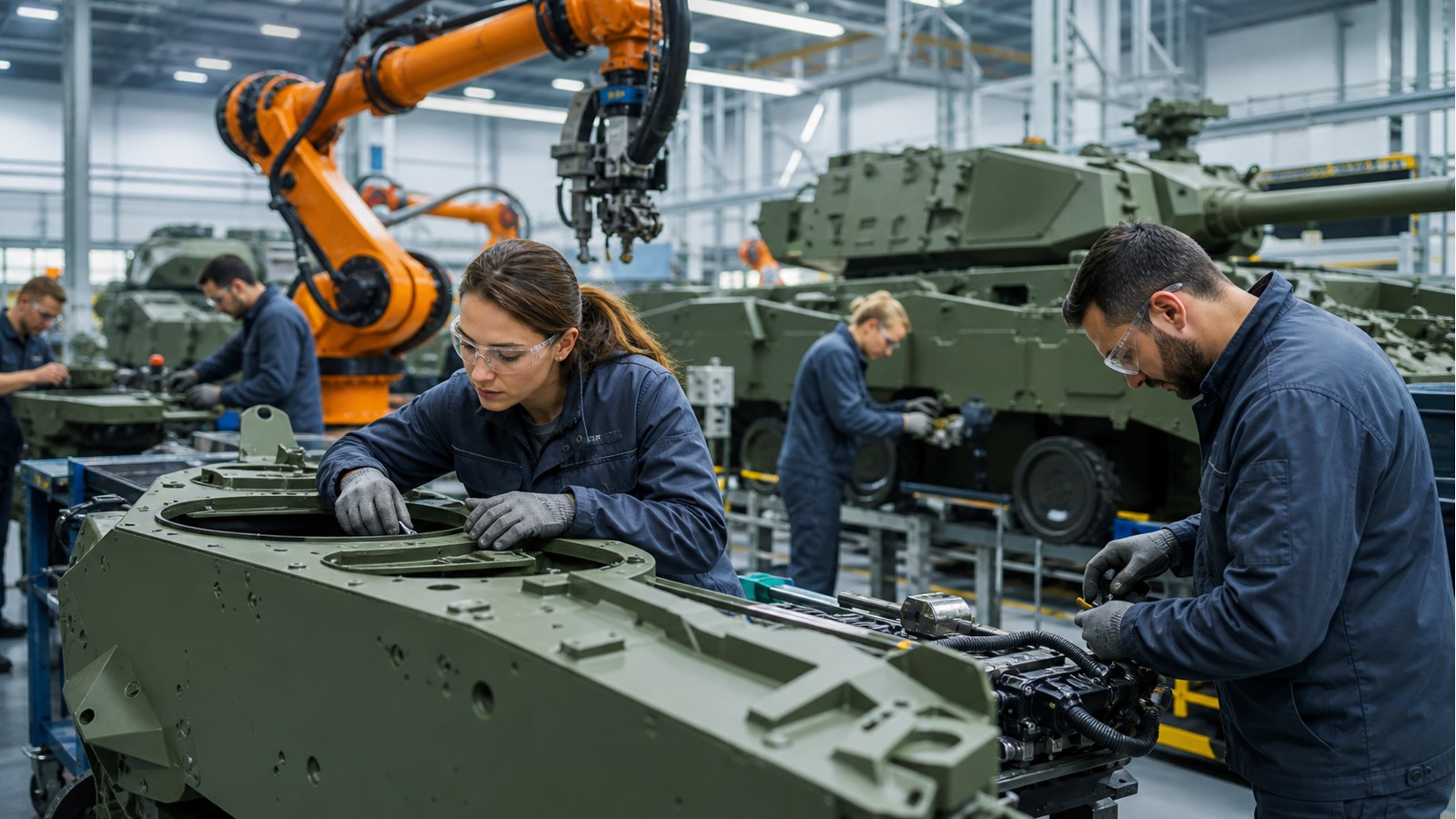
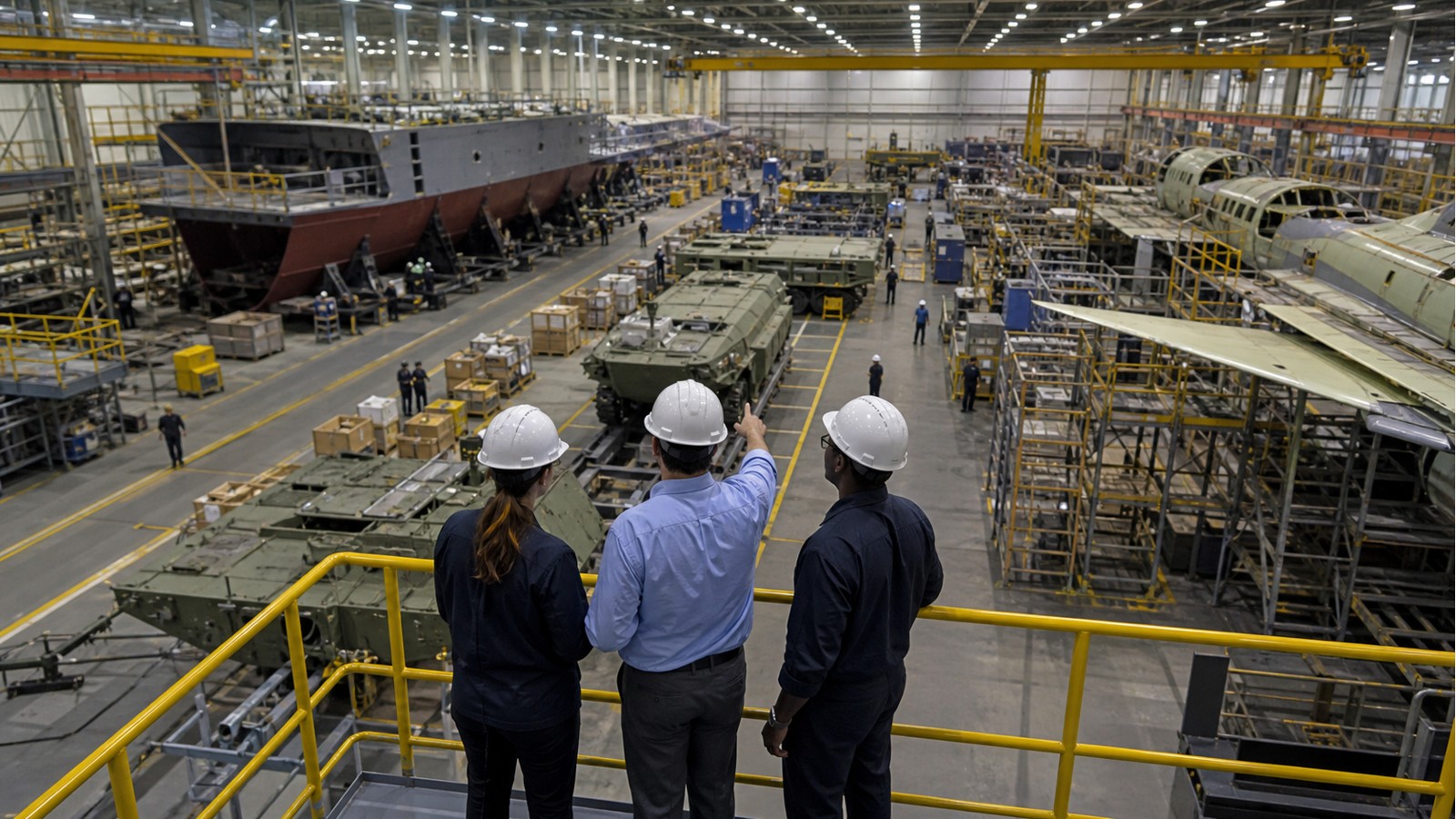
The defense industrial base is the network of companies, workers, laboratories, government organizations, suppliers, depots, shipyards, and software teams that produce and sustain military capability.
CISA describes the Defense Industrial Base Sector as the worldwide industrial complex that supports research, development, design, production, delivery, and maintenance for military needs.
For Inside the Defense Industrial Base: How Nations Produce Military Power, the what the topic really means angle is strongest when it connects industrial capacity and defense to organization, training, logistics, and accountability. Defense topics are rarely explained by one impressive number, because the result depends on people, doctrine, maintenance, communications, and support systems working together.
In the what the topic really means section, industrial capacity and defense also needs plain context. A capability can look powerful on paper while still depending on readiness, terrain, policy, command judgment, and the mission it is assigned to support.
The what the topic really means view also helps separate public fascination from military reality. Readers get a clearer picture when industrial capacity and defense is tied to disciplined training, lawful authority, maintenance cycles, and the larger unit that turns an individual capability into useful defense power.
A strong explanation of what the topic really means keeps the focus on judgment rather than spectacle. The useful questions are what the capability is for, who is responsible for it, what limits shape its use, and how it supports a mission without becoming the whole story.
Why It Matters in Defense
The defense industrial base matters because military power has to be built before it can be used. Weapons, vehicles, ships, aircraft, satellites, software, and ammunition all require industrial depth.
It also matters because endurance depends on repair and replacement. A force that cannot replace losses or repair equipment loses strength over time.
For Inside the Defense Industrial Base: How Nations Produce Military Power, the why it matters in defense angle is strongest when it connects industrial capacity and defense to organization, training, logistics, and accountability. Defense topics are rarely explained by one impressive number, because the result depends on people, doctrine, maintenance, communications, and support systems working together.
In the why it matters in defense section, industrial capacity and defense also needs plain context. A capability can look powerful on paper while still depending on readiness, terrain, policy, command judgment, and the mission it is assigned to support.
The why it matters in defense view also helps separate public fascination from military reality. Readers get a clearer picture when industrial capacity and defense is tied to disciplined training, lawful authority, maintenance cycles, and the larger unit that turns an individual capability into useful defense power.
A strong explanation of why it matters in defense keeps the focus on judgment rather than spectacle. The useful questions are what the capability is for, who is responsible for it, what limits shape its use, and how it supports a mission without becoming the whole story.
The Main Parts to Understand
The main parts include prime contractors, subcontractors, raw materials, skilled labor, production lines, testing ranges, cybersecurity, quality assurance, depots, shipyards, and government acquisition offices.
The base also includes small suppliers that may make one critical component without which a larger weapon system cannot be completed.
For Inside the Defense Industrial Base: How Nations Produce Military Power, the the main parts to understand angle is strongest when it connects industrial capacity and defense to organization, training, logistics, and accountability. Defense topics are rarely explained by one impressive number, because the result depends on people, doctrine, maintenance, communications, and support systems working together.
In the the main parts to understand section, industrial capacity and defense also needs plain context. A capability can look powerful on paper while still depending on readiness, terrain, policy, command judgment, and the mission it is assigned to support.
The the main parts to understand view also helps separate public fascination from military reality. Readers get a clearer picture when industrial capacity and defense is tied to disciplined training, lawful authority, maintenance cycles, and the larger unit that turns an individual capability into useful defense power.
A strong explanation of the main parts to understand keeps the focus on judgment rather than spectacle. The useful questions are what the capability is for, who is responsible for it, what limits shape its use, and how it supports a mission without becoming the whole story.
How to Read the Claims
Claims about defense industry should avoid assuming production can surge instantly. Tooling, workers, materials, inspections, and contracts take time.
A useful explanation asks whether the industrial base is resilient, secure, diversified, and able to support allies as well as national forces.
For Inside the Defense Industrial Base: How Nations Produce Military Power, the how to read the claims angle is strongest when it connects industrial capacity and defense to organization, training, logistics, and accountability. Defense topics are rarely explained by one impressive number, because the result depends on people, doctrine, maintenance, communications, and support systems working together.
In the how to read the claims section, industrial capacity and defense also needs plain context. A capability can look powerful on paper while still depending on readiness, terrain, policy, command judgment, and the mission it is assigned to support.
The how to read the claims view also helps separate public fascination from military reality. Readers get a clearer picture when industrial capacity and defense is tied to disciplined training, lawful authority, maintenance cycles, and the larger unit that turns an individual capability into useful defense power.
A strong explanation of how to read the claims keeps the focus on judgment rather than spectacle. The useful questions are what the capability is for, who is responsible for it, what limits shape its use, and how it supports a mission without becoming the whole story.
Where People Get Confused
One confusion is treating defense production as separate from military strategy. Industrial capacity determines what a country can promise, replace, and sustain.
Another confusion is assuming only final assembly matters. Chips, castings, rocket motors, chemicals, machine tools, batteries, and software can all be limiting factors.
For Inside the Defense Industrial Base: How Nations Produce Military Power, the where people get confused angle is strongest when it connects industrial capacity and defense to organization, training, logistics, and accountability. Defense topics are rarely explained by one impressive number, because the result depends on people, doctrine, maintenance, communications, and support systems working together.
In the where people get confused section, industrial capacity and defense also needs plain context. A capability can look powerful on paper while still depending on readiness, terrain, policy, command judgment, and the mission it is assigned to support.
The where people get confused view also helps separate public fascination from military reality. Readers get a clearer picture when industrial capacity and defense is tied to disciplined training, lawful authority, maintenance cycles, and the larger unit that turns an individual capability into useful defense power.
A strong explanation of where people get confused keeps the focus on judgment rather than spectacle. The useful questions are what the capability is for, who is responsible for it, what limits shape its use, and how it supports a mission without becoming the whole story.
Real-World Context
Recent attention to ammunition shortages, shipyard capacity, missile production, drone manufacturing, and supply-chain visibility shows why industrial capacity is now a strategic issue.
Cybersecurity is also central because defense suppliers can be targeted for sensitive designs, production data, and access to government systems.
For Inside the Defense Industrial Base: How Nations Produce Military Power, the real-world context angle is strongest when it connects industrial capacity and defense to organization, training, logistics, and accountability. Defense topics are rarely explained by one impressive number, because the result depends on people, doctrine, maintenance, communications, and support systems working together.
In the real-world context section, industrial capacity and defense also needs plain context. A capability can look powerful on paper while still depending on readiness, terrain, policy, command judgment, and the mission it is assigned to support.
The real-world context view also helps separate public fascination from military reality. Readers get a clearer picture when industrial capacity and defense is tied to disciplined training, lawful authority, maintenance cycles, and the larger unit that turns an individual capability into useful defense power.
A strong explanation of real-world context keeps the focus on judgment rather than spectacle. The useful questions are what the capability is for, who is responsible for it, what limits shape its use, and how it supports a mission without becoming the whole story.
Limits, Risks, and Tradeoffs
The limits include fragile suppliers, foreign dependencies, workforce shortages, long lead times, outdated facilities, budget uncertainty, and cyber risk.
Industrial base problems can remain hidden until a crisis demands rapid production, at which point missing capacity becomes obvious.
For Inside the Defense Industrial Base: How Nations Produce Military Power, the limits, risks, and tradeoffs angle is strongest when it connects industrial capacity and defense to organization, training, logistics, and accountability. Defense topics are rarely explained by one impressive number, because the result depends on people, doctrine, maintenance, communications, and support systems working together.
In the limits, risks, and tradeoffs section, industrial capacity and defense also needs plain context. A capability can look powerful on paper while still depending on readiness, terrain, policy, command judgment, and the mission it is assigned to support.
The limits, risks, and tradeoffs view also helps separate public fascination from military reality. Readers get a clearer picture when industrial capacity and defense is tied to disciplined training, lawful authority, maintenance cycles, and the larger unit that turns an individual capability into useful defense power.
A strong explanation of limits, risks, and tradeoffs keeps the focus on judgment rather than spectacle. The useful questions are what the capability is for, who is responsible for it, what limits shape its use, and how it supports a mission without becoming the whole story.
How the Topic Is Changing
The defense industrial base is changing through additive manufacturing, digital engineering, allied co-production, supply-chain mapping, and renewed interest in stockpiles.
Future military power may depend on countries that can move from design to production to repair faster than their competitors.
For Inside the Defense Industrial Base: How Nations Produce Military Power, the how the topic is changing angle is strongest when it connects industrial capacity and defense to organization, training, logistics, and accountability. Defense topics are rarely explained by one impressive number, because the result depends on people, doctrine, maintenance, communications, and support systems working together.
In the how the topic is changing section, industrial capacity and defense also needs plain context. A capability can look powerful on paper while still depending on readiness, terrain, policy, command judgment, and the mission it is assigned to support.
The how the topic is changing view also helps separate public fascination from military reality. Readers get a clearer picture when industrial capacity and defense is tied to disciplined training, lawful authority, maintenance cycles, and the larger unit that turns an individual capability into useful defense power.
A strong explanation of how the topic is changing keeps the focus on judgment rather than spectacle. The useful questions are what the capability is for, who is responsible for it, what limits shape its use, and how it supports a mission without becoming the whole story.
A Clear Way to Remember It
A simple memory hook is people, parts, production, repair. The industrial base turns skills and materials into military capability and keeps that capability alive.
When reading about defense power, ask what factories, suppliers, workers, and repair systems stand behind it.
For Inside the Defense Industrial Base: How Nations Produce Military Power, the a clear way to remember it angle is strongest when it connects industrial capacity and defense to organization, training, logistics, and accountability. Defense topics are rarely explained by one impressive number, because the result depends on people, doctrine, maintenance, communications, and support systems working together.
In the a clear way to remember it section, industrial capacity and defense also needs plain context. A capability can look powerful on paper while still depending on readiness, terrain, policy, command judgment, and the mission it is assigned to support.
The a clear way to remember it view also helps separate public fascination from military reality. Readers get a clearer picture when industrial capacity and defense is tied to disciplined training, lawful authority, maintenance cycles, and the larger unit that turns an individual capability into useful defense power.
A strong explanation of a clear way to remember it keeps the focus on judgment rather than spectacle. The useful questions are what the capability is for, who is responsible for it, what limits shape its use, and how it supports a mission without becoming the whole story.
Bottom Line on Defense Industrial Base
The defense industrial base produces military power by turning materials, labor, technology, and contracts into usable equipment. Its strength depends on resilience, security, capacity, and sustainment.